
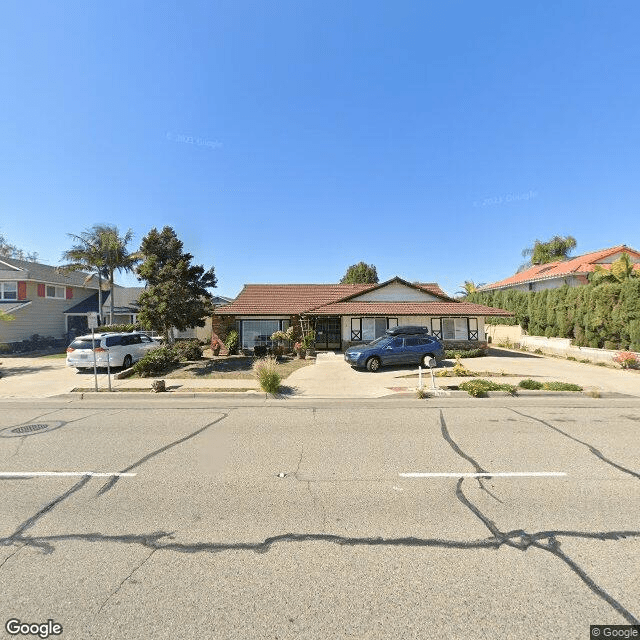
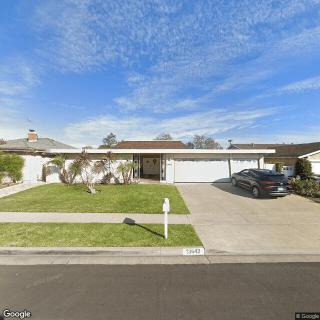
760 South Yorba Street, Orange, CA 92869
To contact a resident: (714) 743-6812
For more information about senior living options: (866) 208-4318
Madison Home Care 2 Costs & Pricing
Madison Home Care 2 offers competitive pricing for its residential options compared to the broader market in Orange County and California. For instance, a private room at Madison is priced at $2,500 per month, significantly lower than the average costs in Orange County at $4,104 and California statewide at $3,939. Similarly, both studio and one-bedroom accommodations are available for $2,800 each, which again stands in stark contrast to the county's averages of $4,313 and $4,380 respectively. These differences highlight Madison Home Care 2's commitment to providing affordable senior living solutions while maintaining high standards of care.
| Floor plans | Madison Home Care 2 | Orange County | California |
|---|---|---|---|
| Private | $2,500 | $4,104 | $3,939 |
| Studio | $2,800 | $4,313 | $4,145 |
| 1 Bedroom | $2,800 | $4,380 | $4,340 |
Memory care communities with a similar price nearby
-
from +$300 / mo
Candlewood Care Home III
$2,800 to $3,400 / month2.7 miles away -
from -$100 / mo
Living Well Care Home
$2,400 to $3,200 / month17.1 miles away -
from +$300 / mo
Leah Loving Elderly Care
$2,800 to $3,000 / month8.1 miles away -
from +$200 / mo
Loving Care Senior Home
$2,700 to $3,500 / month9.6 miles away -
from -$200 / mo
Bronwyn Residential Care
$2,300 to $3,500 / month9.8 miles away
Overall Review of Madison Home Care 2
Pros
 Harmony Home Care provides knowledgeable, caring staff to assist elderly clients.
- Families report their loved ones are pleased with the care and companionship provided.
- Monica G. consistently exceeds expectations with calm, patient dementia care and proactive updates.
- The agency carefully matches caregivers to each client to ensure the right fit.
- Freda, the owner, is dedicated, accessible, and deeply invested in each client’s well-being.
- Harmony Home Care caregivers are described as compassionate, professional, and going above and beyond.
- Scheduling is proactive and flexible, offering reliable coverage and 24-hour options when needed.
- The service helps families keep loved ones at home with high-quality care and peace of mind.
Cons
 The reviewer states that their previous agency had countless problems and left the family very unhappy with the caretakers.
- The reviewer notes that the previous agency's scheduling was very bad, with days sometimes having no one scheduled and no notice until that morning.
- Madison Home Care is criticized for being expensive for what you get and for lacking transportation services and on-site nursing.
- The reviewer mentions that residents at Madison Home Care were not able to participate in activities due to the lack of on-site care.
Review
Madison Home Care 2 is best suited for families in Orange County who want a highly personalized, in-home care solution with a hands-on, relationship-driven model. The pattern reflected in these reviews points to an agency that emphasizes careful caregiver matching, steady leadership involvement, and dependable, caregiver-led daily support. Families seeking not just tasks but meaningful companionship, and a team that can adapt as needs evolve, whether dementia care, post-acute recovery, or mobility challenges, will find this approach especially compelling. The strongest signal is a sense of continuity: caregivers who stay the course, updates that feel timely and substantive, and a leadership team that remains accessible to negotiate changes and troubleshoot issues as they arise. For those who prize direct access to the people shaping care decisions, this model resonates.
Those weighing alternatives should note potential gaps that commonly push families toward other formats. If budget constraints are pressing, if reliable transportation to medical appointments is non-negotiable, or if a loved one benefits from a facility atmosphere with on-site nursing and structured activities, different options may be more fitting. The reviews hint at a premium pricing reality that does not always bundle every service one might expect from a facility-based setting, no on-site nurse in many cases, and transportation responsibilities often resting with the family. For families who want built-in medical staffing, regular group activities, or guaranteed transport logistics as part of the package, an assisted living community or another home-care model with those features warrants consideration.
The core advantages, exceptional caregiver quality, proactive communication, and flexible coverage, tend to offset many drawbacks. Caregivers are repeatedly praised for genuine care, patience, and the ability to support complex daily living tasks with compassion. The leadership team’s involvement matters: scheduling managers who juggle staffing, a founder who communicates directly, and trainers who expand capabilities (such as lifting assistance) to keep care moving smoothly. The ability to coordinate appointments, arrange last-minute coverage, and adapt care plans quickly translates into tangible peace of mind for families juggling distance and competing responsibilities. This is the sort of reliability that makes home a viable, preferred option when the goal is consistent, dignified care at home.
Yet certain practical considerations deserve disciplined scrutiny. The absence of an on-site nurse means medical tasks beyond typical assistance may require external providers, which can complicate care for residents with more intensive healthcare needs. Transportation is not a guaranteed service in all cases, leaving families to assume or arrange trips to appointments, a potential logistical friction point for those without easy alternatives. Some reviews also raise questions about the breadth of in-house activities relative to a full-time community program. Prospective clients should confirm what is included versus what must be sourced externally, and how flexible the team is when medical or social needs escalate beyond standard assistance.
Cost and value sit at the heart of the decision. This model rewards families who value high reliability, stable caregiver relationships, and tight, responsive leadership. The price premium is often justified by the quality of care, the ability to maintain home-based routines, and the emotional relief that comes from knowing the care team understands the loved one well. Still, mixed signals about pricing in the broader market mean it is essential to obtain a clear, itemized contract and request a trial period to assess whether the level of service aligns with expectations. In the long run, the premium paid often correlates with reduced caregiver turnover and fewer disruptive gaps in daily life.
In sum, Madison Home Care 2 represents a strong option for families seeking a high-touch, caregiver-driven in-home program with dementia expertise and direct owner oversight. It is less suitable for those who demand in-house medical staffing, guaranteed transportation, or robust daily programming within a facility setting. The prudent path is to engage early with leadership, request detailed caregiver profiles, arrange references, and pilot a short-term arrangement to observe responsiveness and fit. If the loved one values consistency, compassionate companionship, and the comfort of staying home, this model delivers, with the caveat that ancillary medical needs and logistics should be carefully clarified upfront.
 Board and Care Home
 Memory Care
 Activities on-site
 Devotional services off-site
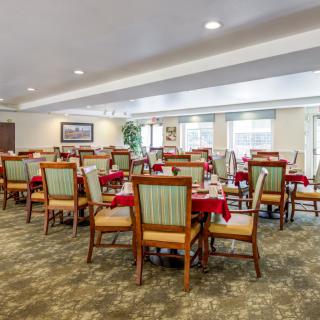
 Indoor common areas
 Private
 John Wayne Orange Co (7 miles away)
 Ambulatory care
 Diabetic care
 Meals provided





 A Holistic Dementia Care Guide: Effective Strategies for Memory Support
 Memory Care Pathways: A Holistic Guide to Dementia Support
 Comprehending Evening Confusion in Dementia: Causes, Manifestations, and Support