
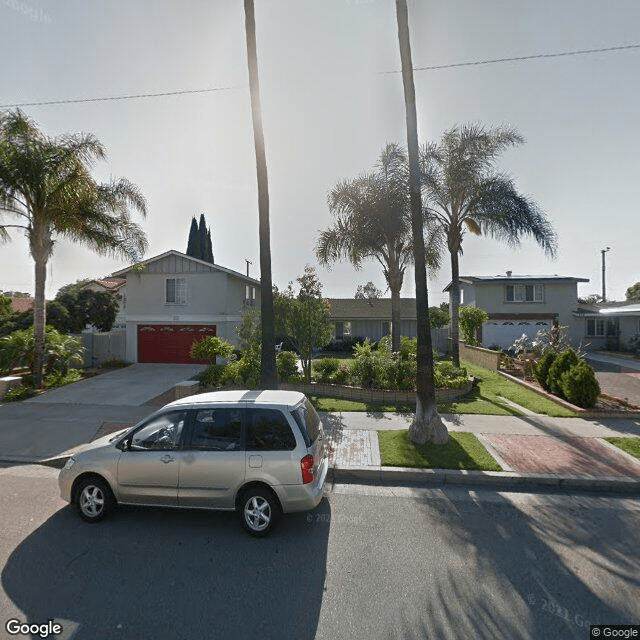
362 N Swidler St, Orange, CA 92869
To contact a resident: (949) 295-8218
For more information about senior living options: (866) 208-4318
Home Sweet Home Costs & Pricing
Home Sweet Home offers competitive pricing for various room types, particularly when compared to the surrounding costs in Orange County and across California. For instance, both semi-private and one-bedroom accommodations are priced at $2,800, which is significantly lower than the $3,431 average for semi-private rooms and $4,380 for one-bedroom units in Orange County. Similarly, while a private room at Home Sweet Home is set at $3,500, this remains well below the county's average of $4,104. Studio apartments also reflect a similar trend, with Home Sweet Home's price of $3,500 being more favorable than the typical cost of $4,313 in Orange County. Overall, Home Sweet Home provides an appealing option for residents seeking quality living arrangements without the elevated expenses commonly found in the area.
| Floor plans | Home Sweet Home | Orange County | California |
|---|---|---|---|
| Semi-Private | $2,800 | $3,431 | $3,333 |
| 1 Bedroom | $2,800 | $4,380 | $4,340 |
| Private | $3,500 | $4,104 | $3,939 |
| Studio | $3,500 | $4,313 | $4,145 |
Memory care communities with a similar price nearby
-
About the same
Candlewood Care Home III
$2,800 to $3,400 / month3.6 miles away -
from -$400 / mo
Living Well Care Home
$2,400 to $3,200 / month17.7 miles away -
About the same
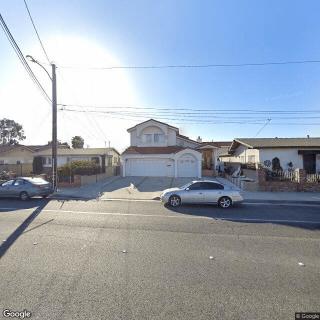
Leah Loving Elderly Care
$2,800 to $3,000 / month9.4 miles away -
from -$100 / mo
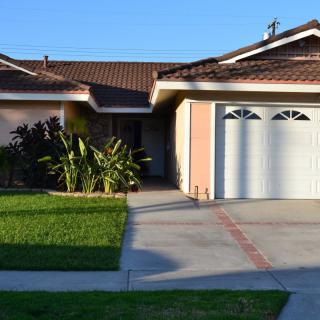
Loving Care Senior Home
$2,700 to $3,500 / month10.9 miles away -
from -$500 / mo
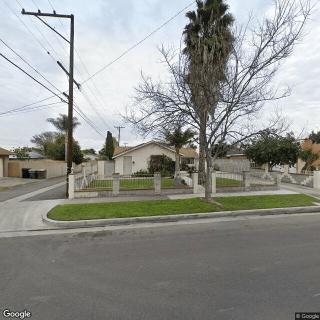
Bronwyn Residential Care
$2,300 to $3,500 / month10.2 miles away
Overall Review of Home Sweet Home
Pros
 The owner is calming and nice.
- The home feels warm, cozy, and well kept.
- The home offers on-site home care nurse and pharmacy services.
- Haircuts and manicures are available on site.
- The home emphasizes a holistic approach to care.
- The home is clean and well taken care of.
- The food is homemade and good.
- Visitors are welcome to drop in anytime.
Cons
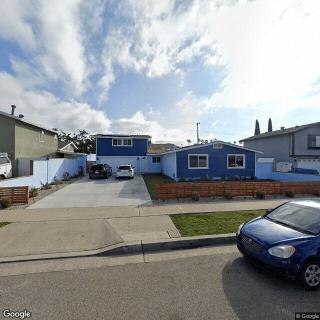
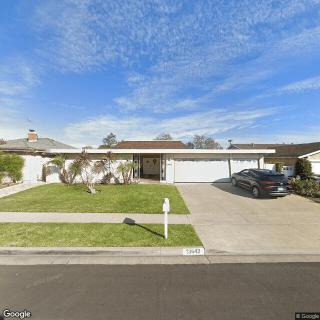
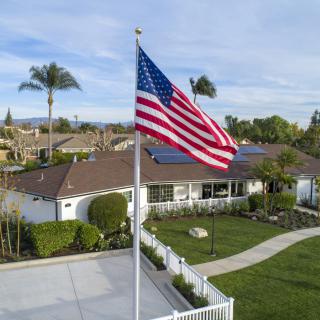
 They did not like the outside.
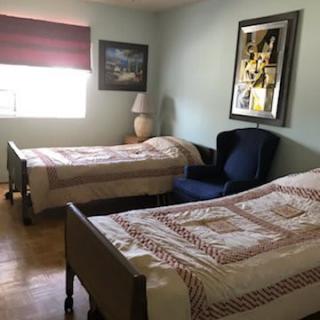
- The room was very small and had no curtains or window coverings.
- The yard was scarce and not well furnished.
- The floor was sticky.
- The smoke detector chirped.
- There was a requirement to call at least 60 minutes ahead of every visit.
- The bathrooms looked small, not properly equipped, and appeared old.
Review
Home Sweet Home in Orange, CA is best suited for families seeking a small, home-style residential setting where an attentive owner leads the operation and care is delivered with a personal touch. It works well for seniors who want a warm, neighborly atmosphere, the comfort of homemade meals, and convenient access to in-house services like a home care nurse and a pharmacy. The presence of on-site beauty services, flexible social activity options, and the chance for family drop-ins can make daily life feel less institutional. Those who prize a calm, homey environment over polished amenities will likely be drawn to this space. If independence in a more modern, bigger, and more clinical setting is a higher priority, alternatives should be explored.
Pros that stand out are real and actionable. The owner is described as calming and nice, taking time to review things thoroughly, which builds trust for families navigating care needs. The home feels warm and cozy, with furniture that reinforces a lived-in, welcoming vibe rather than a hospital-like atmosphere. The on-site offerings go beyond basic room-and-board: a home care nurse and pharmacy are available, and services such as haircuts and manicures provide practical value for daily life. Shared-room options at a stated $2,800 give a concrete cost reference for families comparing options, and the overall environment supports social interaction, with residents and visitors greeted warmly and opportunities for activities and occasional local drives. The holistic approach mentioned suggests a preference for wellbeing that goes beyond routine tasks, which can be meaningful for residents who resist impersonal care models.
That said, several clear drawbacks temper the appeal. The facility’s physical environment shows signs of aging in ways that matter to daily living: bathrooms that feel small and not up to modern standards, and rooms that are described as tiny with limited window coverings. Outside spaces are not compelling, and the yard is described as scarce and underfurnished. A few operational irritants creep in as well: a requirement to call at least 60 minutes before any visit can feel restrictive for families dropping in or making unscheduled check-ins, and a floor that can be sticky alongside a smoke detector that chirps can undermine comfort and perceived safety. These issues are not existential, but they do clash with the sense of reliability families expect from a home-like option.
The key pros partly offset these cons through practical value and ongoing care. The presence of on-site medical and pharmacy support reduces the complexity families face when coordinating multiple services, and the consistent, welcoming social environment helps every day feel purposeful rather than isolating. Homemade meals and regular social activities, plus occasional drives, contribute to quality of life in a tangible way, which can soften the impact of smaller rooms or older fixtures. The holistic approach, combined with accessible amenities like beauty services, makes everyday care more convenient and integrated, an important offset for residents who dislike institutional rigidity and want a more homelike rhythm. For families prioritizing continuity of care and relational warmth, these elements can outweigh the physical shortcomings.
Pricing considerations reinforce the decision framework. The shared room rate of $2,800 provides a concrete entry point, but it may not clearly include every service expected in other communities, and there is little evidence of private-room options in the available data. The value proposition hinges on appreciating the intimate, board-and-care scale, where personalized attention can be high and the social ecosystem is active. However, for households comparing per-room or per-bed costs across a broader market, the price could look high relative to the cramped spaces and older infrastructure. Prospective residents should verify what is included in that rate and probe whether private accommodations or flat-rate increases are possible as needs evolve.
Bottom-line guidance: Home Sweet Home is a solid fit for someone who values a home-like, people-centric setting with hands-on owner leadership, in-house care options, and regular social life, even when spaces are smaller and facilities show their age. It is less well-suited for families prioritizing modern, spacious bathrooms, larger private rooms, expansive outdoor areas, or a more flexible, barrier-free environment. Those who want a more clinical, polished campus with bigger rooms and higher-end finishes may want to explore alternatives. To proceed wisely, schedule a tour focused on room size, bathroom layout, and the condition of safety features; test the responsiveness to unscheduled visits to gauge the 60-minute rule in practice; ask for a sample week of activities and a meal plan; and confirm what the on-site care package covers versus external providers. For the right family, the warmth, continuity of care, and on-site conveniences can make Home Sweet Home an exceptionally comforting choice.
 Board and Care Home
 Memory Care
 Activities off-site
 Devotional services off-site
 Indoor common areas
 Outdoor common areas
 Private
 John Wayne Orange Co (9 miles away)
 Ambulatory care
 Diabetic care
 High acuity care
 Medication management
 Gluten-free
 BBQs or picnics
 Birthday parties
 Live dance or theater performances
 Live musical performances


 When to Transition from Assisted Living to Memory Care: Key Indicators, Steps, and Finding the Right Community
 Understanding the Distinctions: Assisted Living and Memory Care Explained
 How to Communicate with a Loved One Living with Dementia: 10 Supportive Strategies