
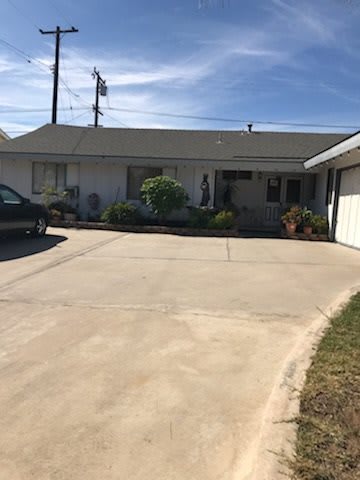


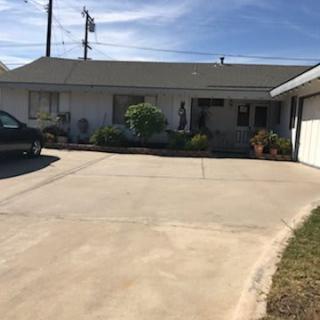

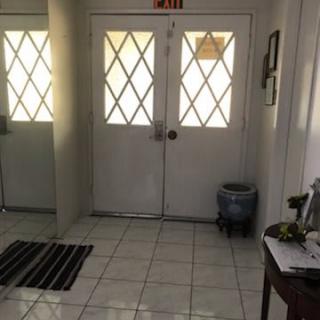
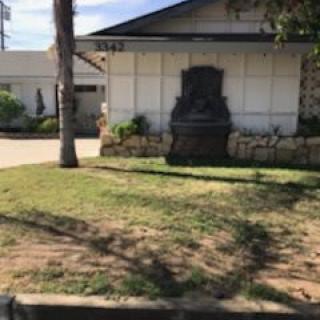
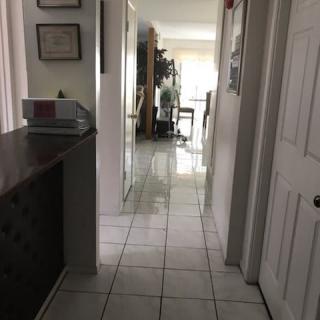
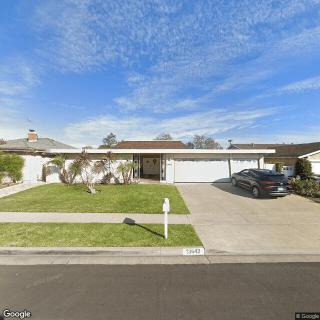
3342 East Maple Avenue, Orange, CA 92869
To contact a resident: (714) 588-5931
For more information about senior living options: (866) 208-4318
Care Of Heart For Elderly In Orange Costs & Pricing
Care Of Heart For Elderly in Orange offers competitive pricing for various room types compared to both Orange County and the broader California market. With studio apartments priced at $3,495, Care Of Heart provides a more economical option than the county average of $4,313 and the state average of $4,145. The semi-private rooms range from $3,500 to $3,795, slightly exceeding the county's average of $3,431 but still holding firm against California's overall rates. For one-bedroom units, Care Of Heart's cost is set at $3,500 - lower than the county's average of $4,380 and quite close to the state figure of $4,340. However, private rooms are priced at a premium of $4,500, surpassing both county and state averages of $4,104 and $3,939 respectively. Overall, while Care Of Heart offers some attractive pricing options for seniors seeking care in Orange County, they do maintain a higher rate for private accommodations that may reflect additional services or amenities provided.
| Floor plans | Care Of Heart For Elderly In Orange | Orange County | California |
|---|---|---|---|
| Studio | $3,495 | $4,313 | $4,145 |
| Semi-Private | $3,500 to $3,795 | $3,431 | $3,333 |
| 1 Bedroom | $3,500 | $4,380 | $4,340 |
| Private | $4,500 | $4,104 | $3,939 |
Overall Review of Care Of Heart For Elderly In Orange
Pros
 The facility admitted her mom the same night, despite an initial longer wait.
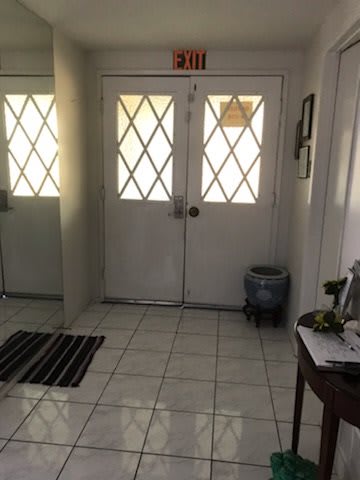
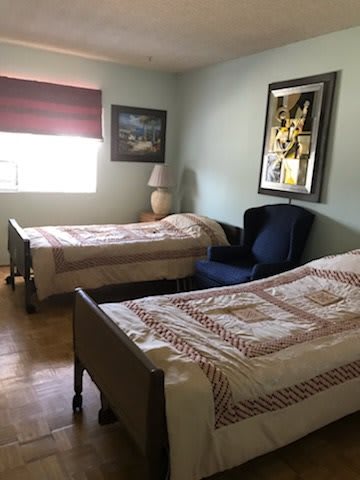
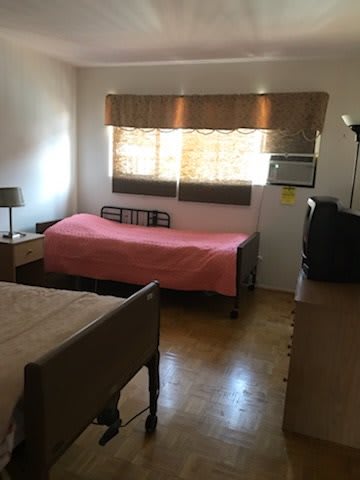
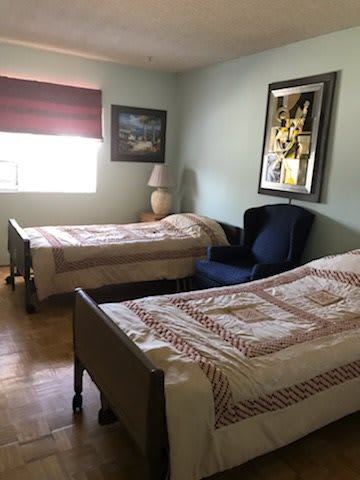
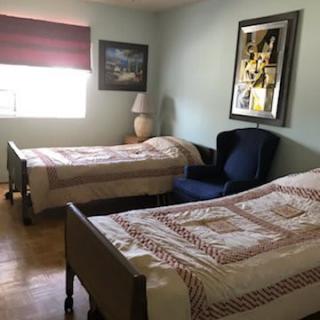
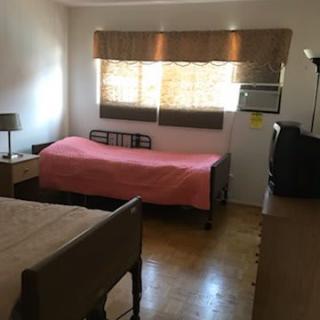
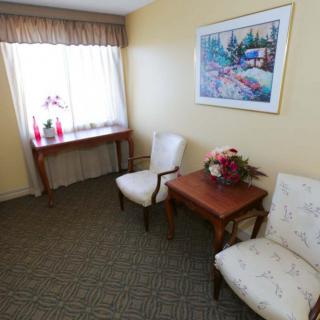
- The room sizes are nice, with regular bedrooms and two beds per room.
- The staff provided phone numbers so the family could talk to mom.
- There were 2-3 caregivers on staff at all times, ensuring attentive care.
- The family was very happy with the care their mom received and would recommend the facility to others.
Cons
 They were told it would take over a week to get approval.
Review
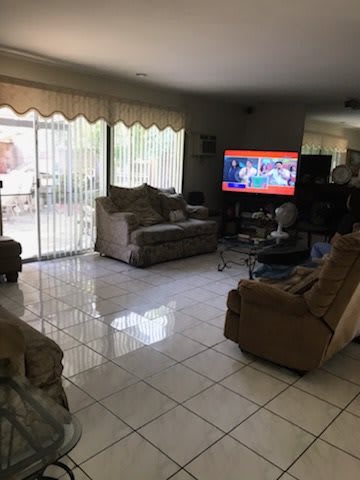
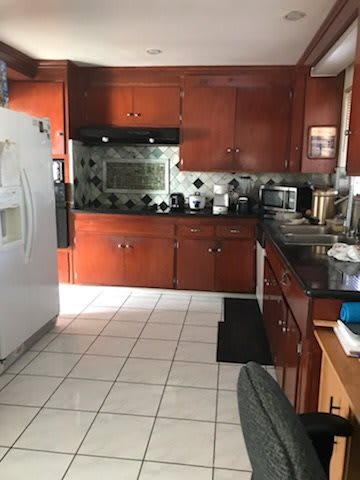
This community is best suited for families facing an urgent placement where end-of-life or hospice-level care is anticipated and immediate bed availability matters. In Orange, Care Of Heart For Elderly demonstrated the ability to move a patient in the same night, avoiding delays that can compound family stress during a difficult transition. The facility uses regular bedrooms with two beds per room, a practical arrangement when speed is essential and space is available; it keeps the environment more home-like than a traditional hospital ward. Staffing is consistently robust, with 2–3 caregivers on duty at any given time, and the team makes a point of staying reachable to families, which translates into real-time reassurance and continuity of care. For families that prioritize timely intake, visible staff presence, and clear lines of communication, this community checks important boxes.
Those who may want to consider alternatives are families who expect private accommodation as a default, or those whose loved one requires broader, ongoing medical oversight beyond hospice support. If privacy, quiet personal space, or a greater emphasis on long-term skilled nursing services are non-negotiables, other communities with single-occupancy rooms or more expansive clinical programming may better fit. Similarly, if specialized memory-care features, structured activity programs, or amenities designed for a higher acuity resident are priorities, exploration of other options is warranted.
Key pros, rapid admission, reasonably comfortable room configurations, steady caregiver coverage, and direct, open communication with families, collectively mitigate the main downside of the setup: shared rooms. The ability to secure a bed the same night relieves families from waiting and wandering through a fog of uncertainty. Two-bed rooms, while less private, can offer a sense of companionship and easier observation, and the presence of two to three caregivers on every shift increases the odds of timely assistance and symptom monitoring. The practice of giving families direct contact numbers adds a practical layer of transparency that many families will value during a stressful period.
From a care-quality standpoint, the staffing approach appears to translate into consistent availability and personal attention. The rapport suggested by 2–3 on-shift caregivers means someone is usually close at hand to respond to needs, questions, or changes in condition, which is critical when a loved one is transitioning from home to a facility. The direct-line communication with staff, phone numbers provided for quick updates, creates a concrete sense of partnership, ensuring families are not left in the dark as care plans evolve.
Decision logic for prospective residents should be straightforward. Confirm that rapid intake remains possible if a family’s timing shifts again; verify whether private rooms can be arranged if desired; discuss the scope of medical oversight during hospice care and who oversees symptom management after hours; ask about daily routines, meals, and activities if those become relevant as needs change.
In sum, Care Of Heart For Elderly in Orange offers a practical, responsive option for families requiring swift placement and clear communication during hospice transitions. The standout advantage is the combination of immediate admission, accessible staff, and transparent family contact. The clear trade-off is shared rooms, which may feel less private, but the strong staffing and rapid intake help offset that for families prioritizing speed and reassurance. For those who prioritize privacy or require broader, long-term medical services beyond hospice scope, alternatives should be considered, but for urgent, end-of-life care scenarios this community stands as a practical and dependable choice.
 6 resident community capacity
 Assisted Living
 Board and Care Home
 Respite Care
 Activities on-site
 Beautician on-site
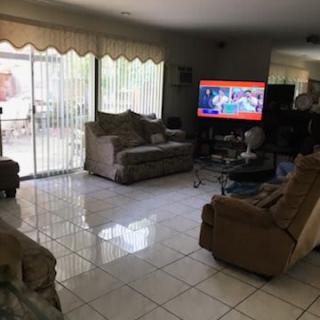
 Cable or satellite TV
 Devotional services on-site
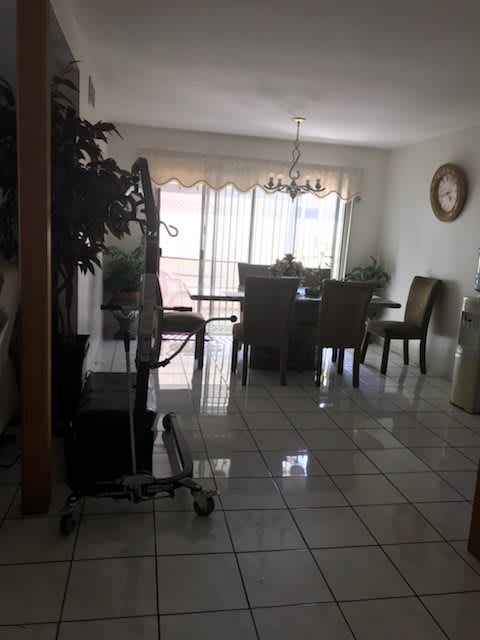
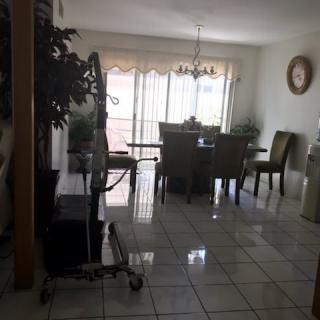
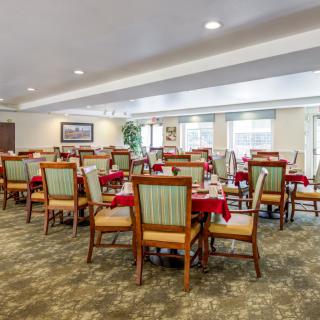
 Dining room
 Fully furnished
 Garden
 Housekeeping services
 Indoor common areas
 Move-in coordination
 Outdoor common areas
 Private
 Swimming pool / hot tub
 Telephone
 Wheelchair accessible showers
 Wi-Fi/high-speed internet available
 John Wayne Orange Co (8 miles away)
 24-hour supervision
 Assistance with bathing
 Assistance with dressing
 Assistance with transfers
 Diabetes diet
 Diabetic care
 Incontinence care
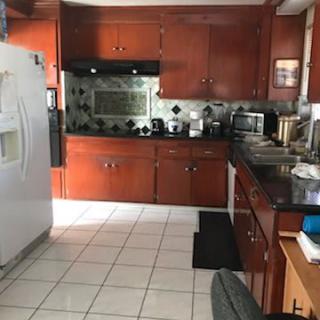
 Meal preparation and service
 Medication management
 Special dietary restrictions
 Transportation arrangement (medical)
 Transportation to doctors appointments


 Comprehensive Insights into Activities of Daily Living (ADLs) and Their Assessment
 Medicare Coverage for Assisted Living: An In-Depth Exploration
 Choosing the Right Senior Care: A Detailed Exploration of Assisted Living and Nursing Homes