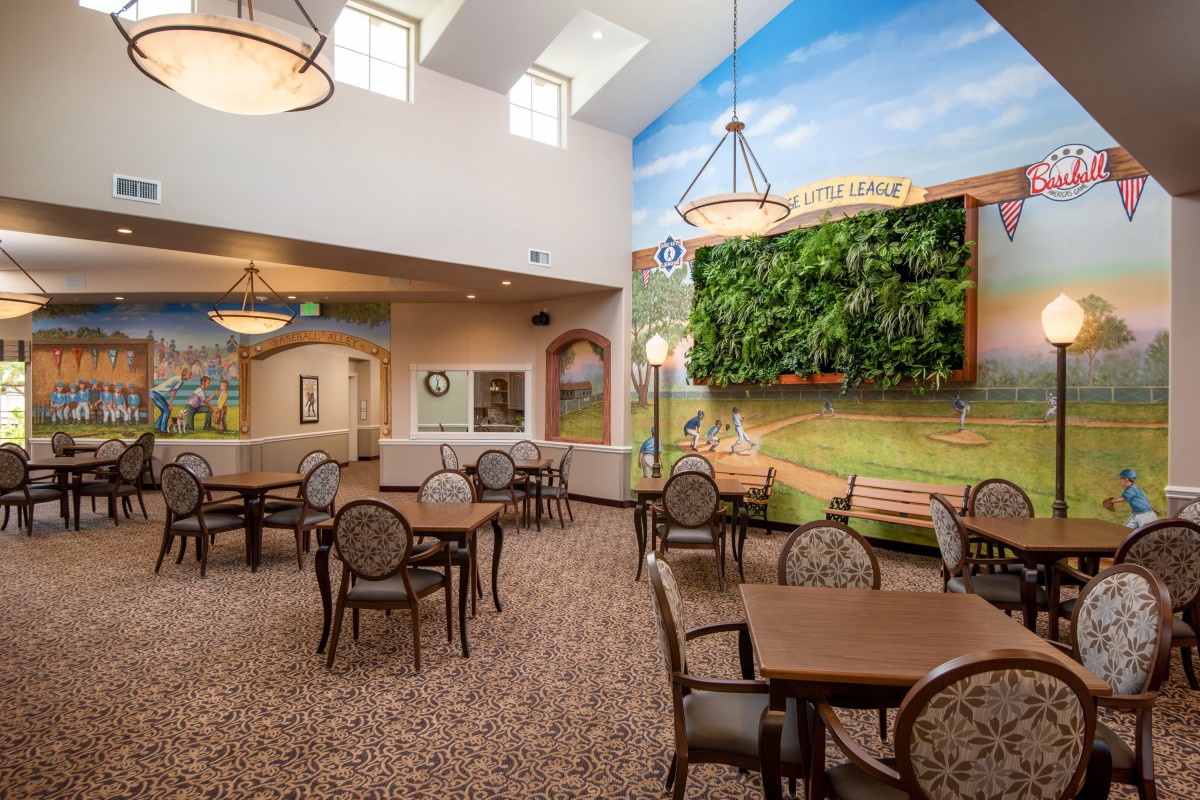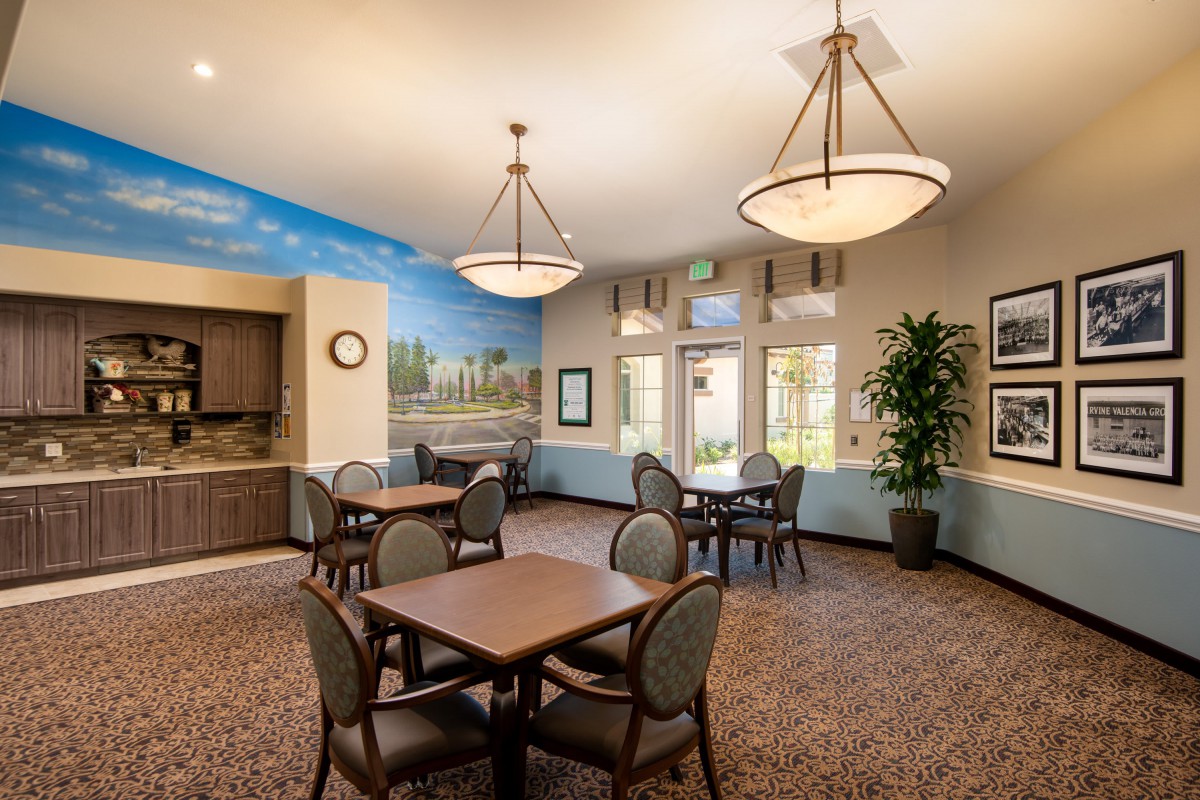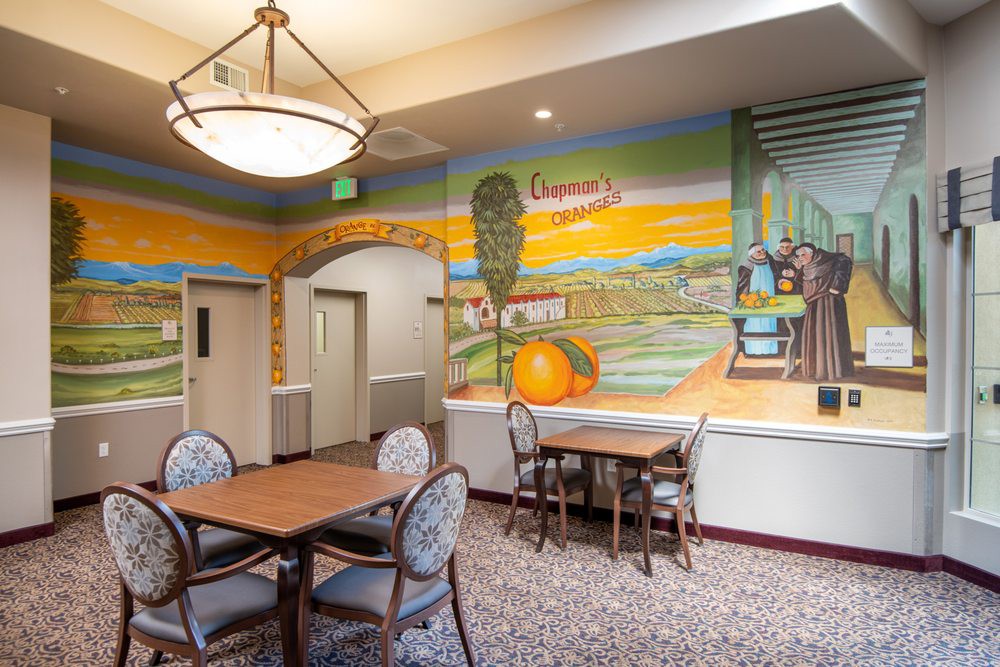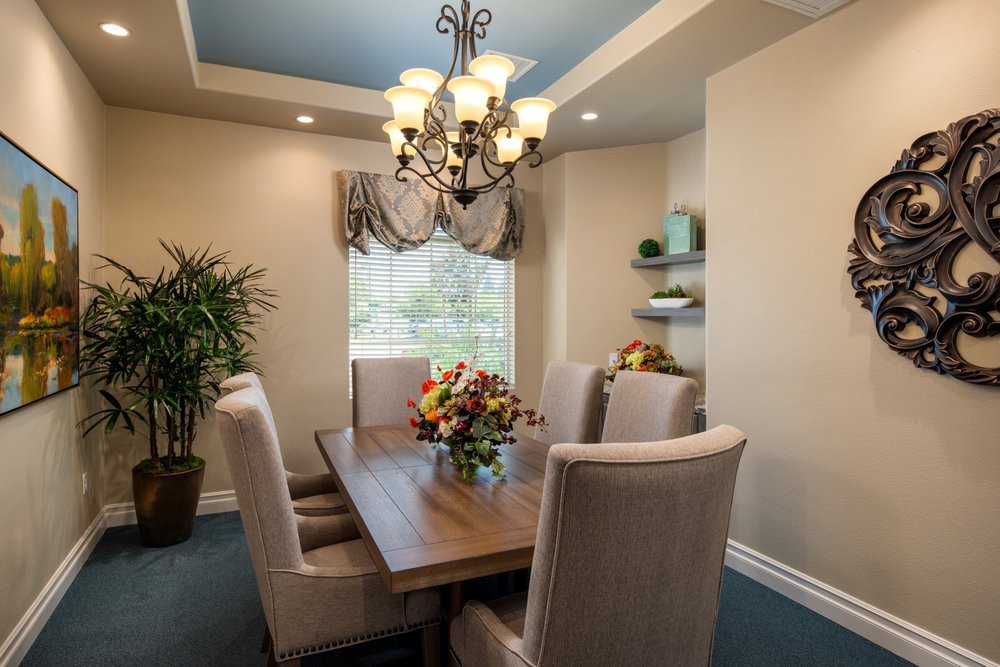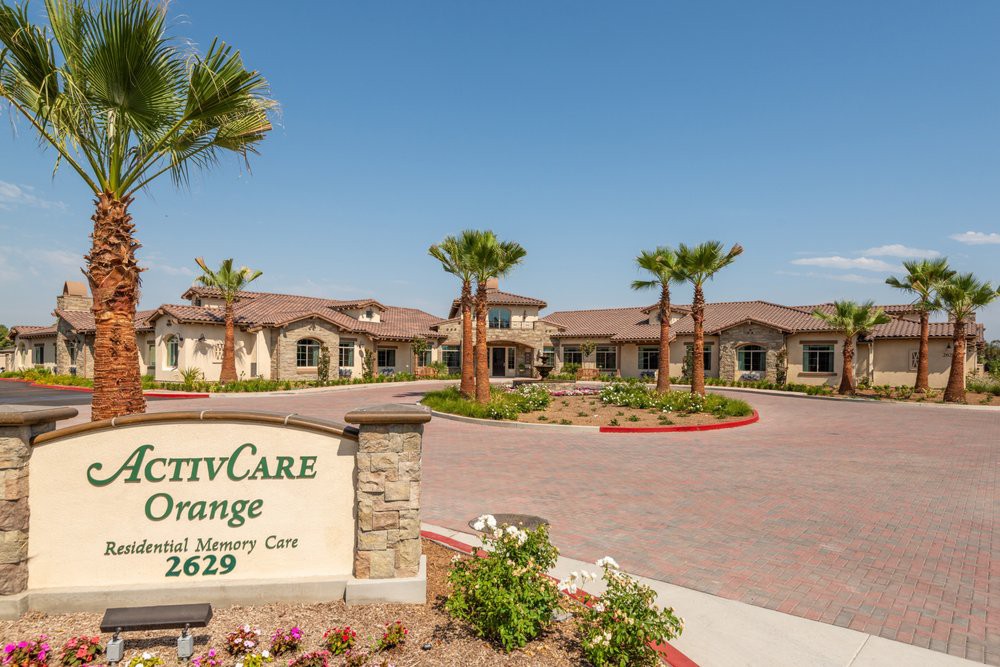
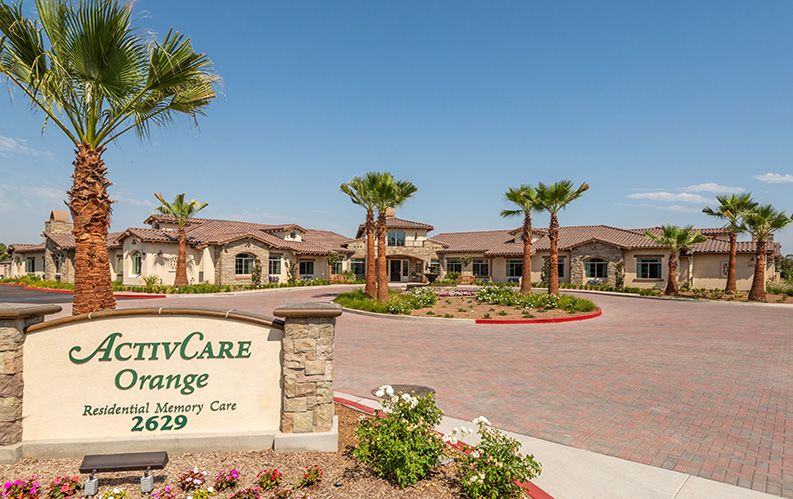
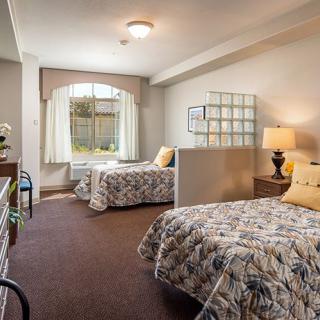
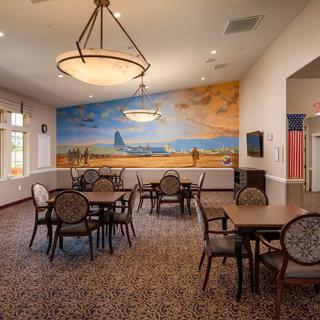
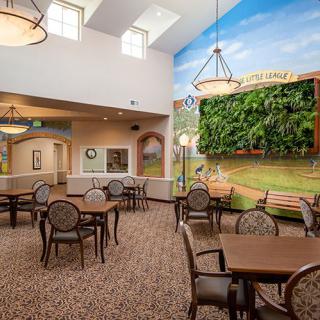
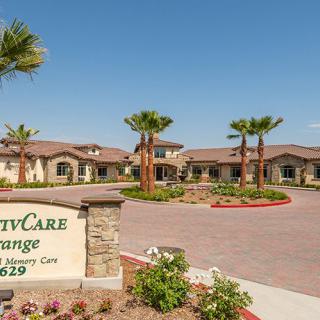

2629 E Chapman Ave, Orange, CA 92869
To contact a resident: (714) 215-9944
For more information about senior living options: (866) 208-4318
ActivCare Orange Costs & Pricing
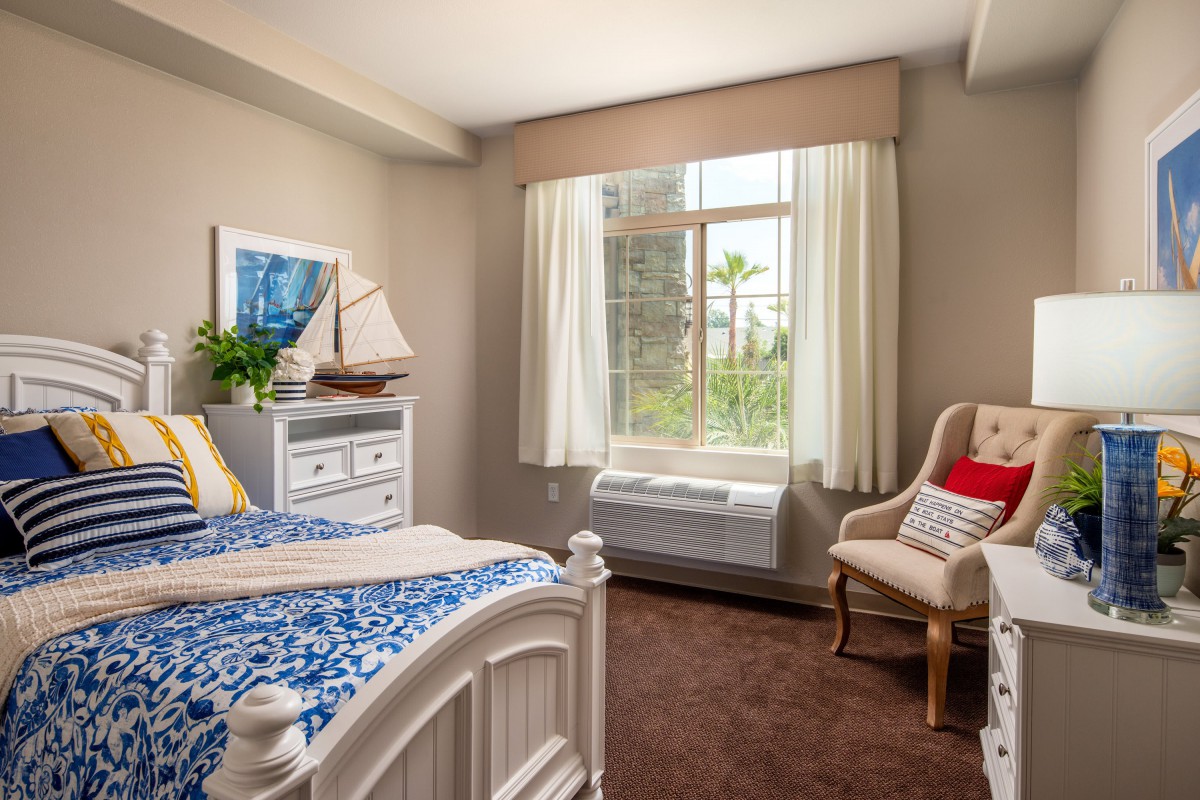
ActivCare Orange offers a structured pricing model that reflects the premium services provided for memory care. The monthly cost for a semi-private room is $7,050, which significantly exceeds the average rates in both Orange County ($3,431) and across California ($3,333). For those opting for a studio arrangement, the price rises to $7,550, again surpassing local and state averages of $4,313 and $4,145, respectively. These costs are indicative of ActivCare's commitment to specialized care and enriched living environments tailored to meet the unique needs of residents with memory challenges. As such, while pricing may be higher than alternative facilities in the region, it is reflective of the quality and range of services offered at this dedicated memory care community.
| Floor plans | ActivCare Orange | Orange County | California |
|---|---|---|---|
| Semi-Private | $7,050 | $3,431 | $3,333 |
| Studio | $7,550 | $4,313 | $4,145 |
Memory care communities with a similar price nearby
-
from -$555 / mo
Forever Young Memory Care
$6,495 / month2.9 miles away -
from -$1350 / mo

Mt. San Antonio Gardens
$5,700 to $8,550 / month21.7 miles away -
from +$450 / mo

Atria Newport Beach
$7,500 to $14,800 / month13.6 miles away -
from -$1000 / mo
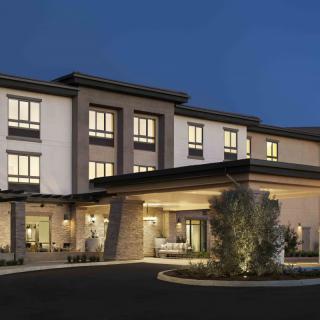
Belmont Village Aliso Viejo
$6,050 to $11,420 / month15.1 miles away -
from +$900 / mo

Silverado Newport Mesa
$7,950 to $15,900 / month11.8 miles away
Overall Review of ActivCare Orange
Pros
 ActivCare Orange is consistently described as a great facility where residents receive caring, attentive, and respectful treatment.
- The nursing staff and caregivers are responsive, knowledgeable, and genuinely dedicated to residents’ well-being.
- Families report feeling relief and reduced stress knowing their loved ones are in capable hands at ActivCare Orange.
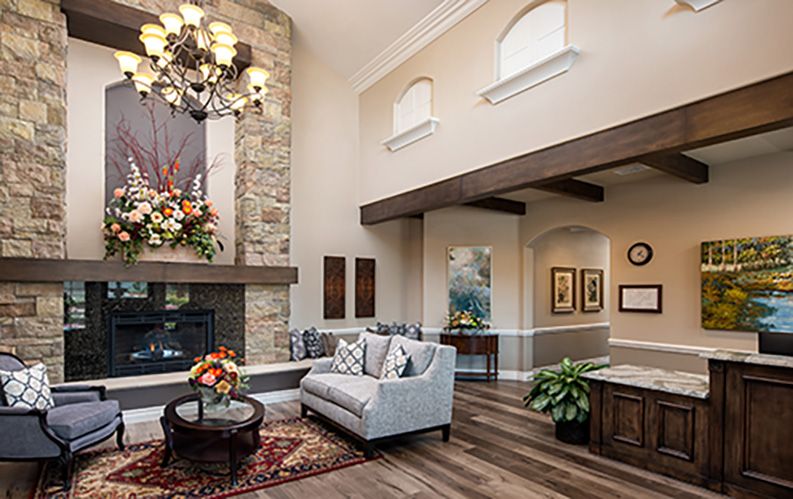
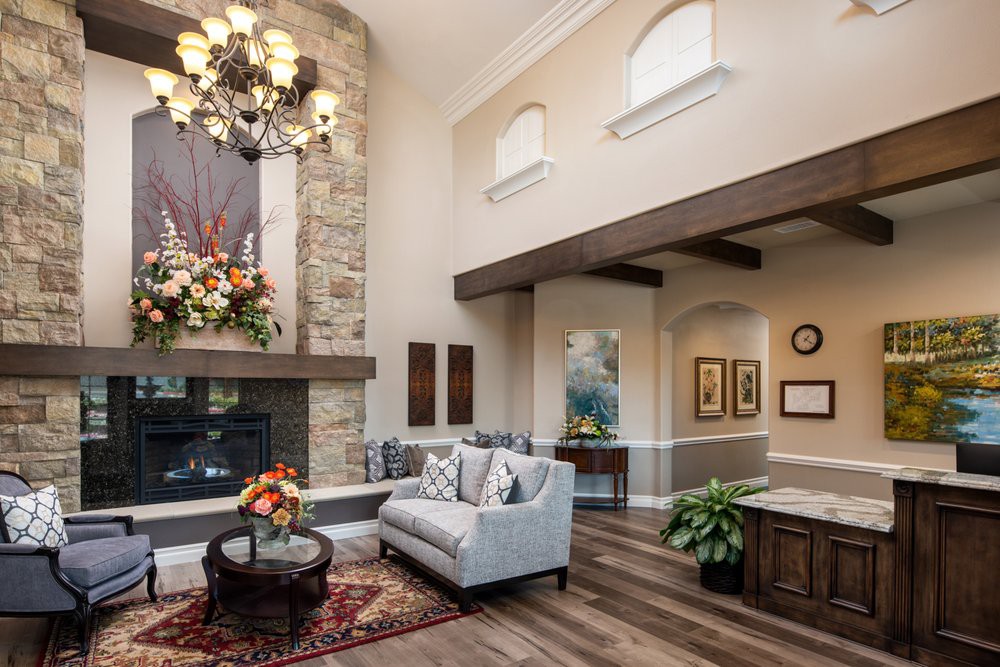
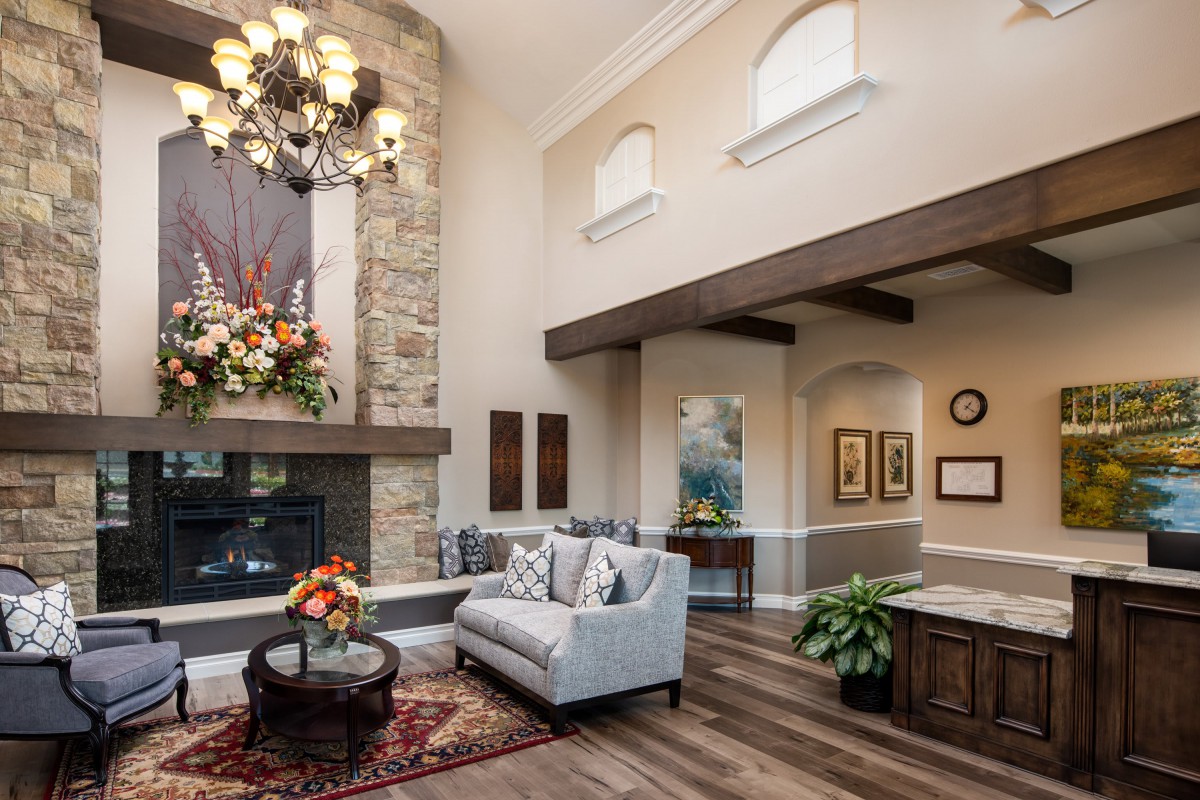
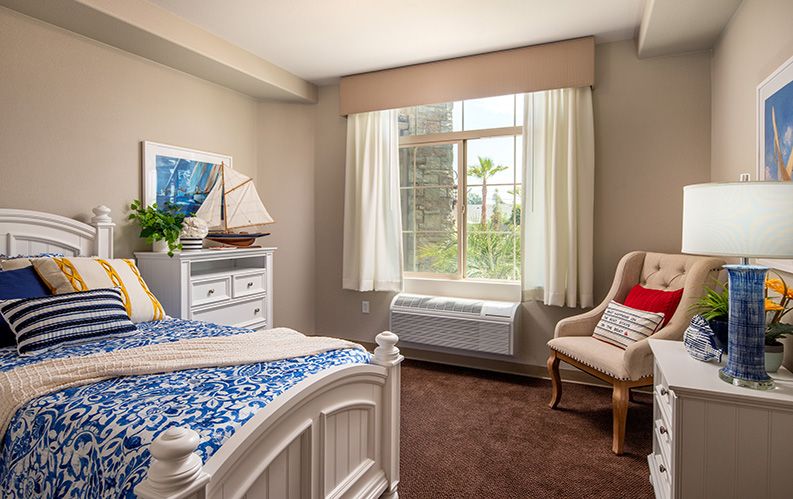
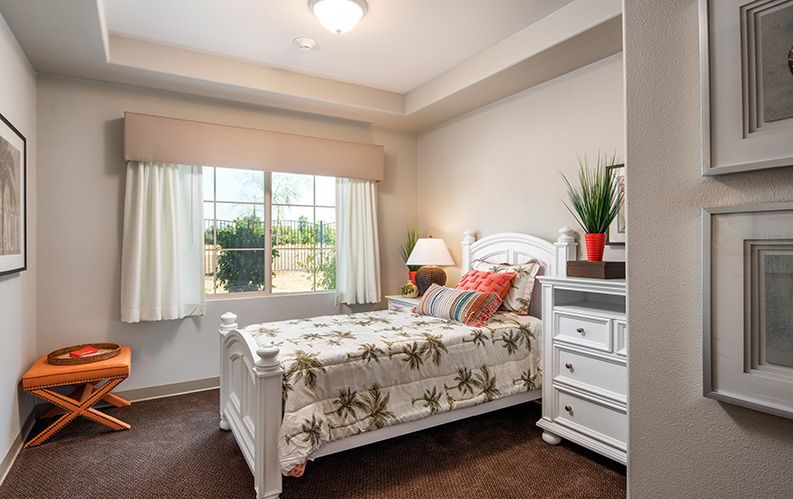
- The facility is clean, comfortable, secure, and well maintained, contributing to a positive living environment.
- ActivCare Orange staff communicate clearly with families and coordinate effectively with hospitals and other care providers.
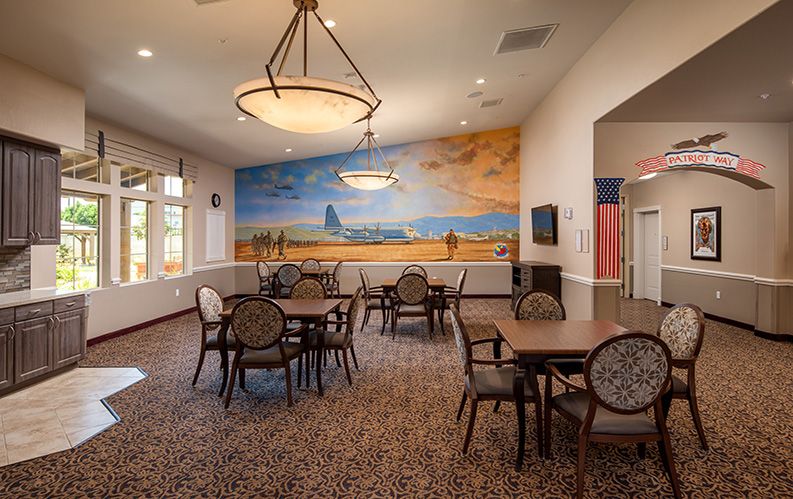
- The center offers well-thought-out daily activities, helping residents stay engaged and content.
- The staff are open, honest, and transparent, fostering trust and confidence in families making memory care decisions.
Cons
 Personal belongings were lost or stolen.
- The staff called the family at all hours for every minor issue.
- The billing process was nonexistent.
- The staff was constantly changing.
- Hygiene needs were not met on a regular basis.
- A resident was found with greasy hair and a dirty shirt on shower day, indicating inadequate care.
Review
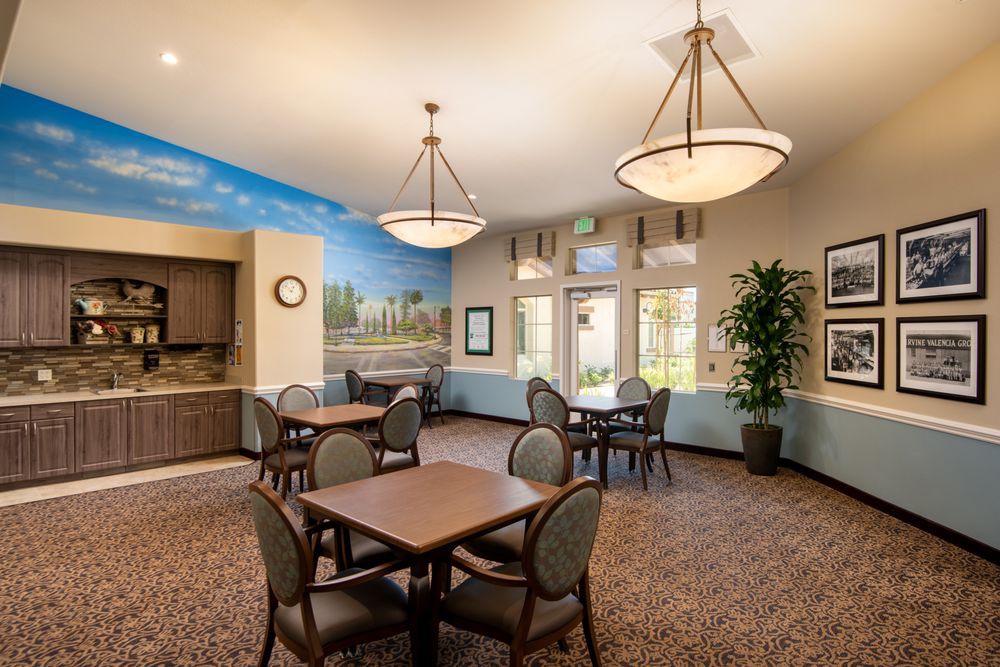
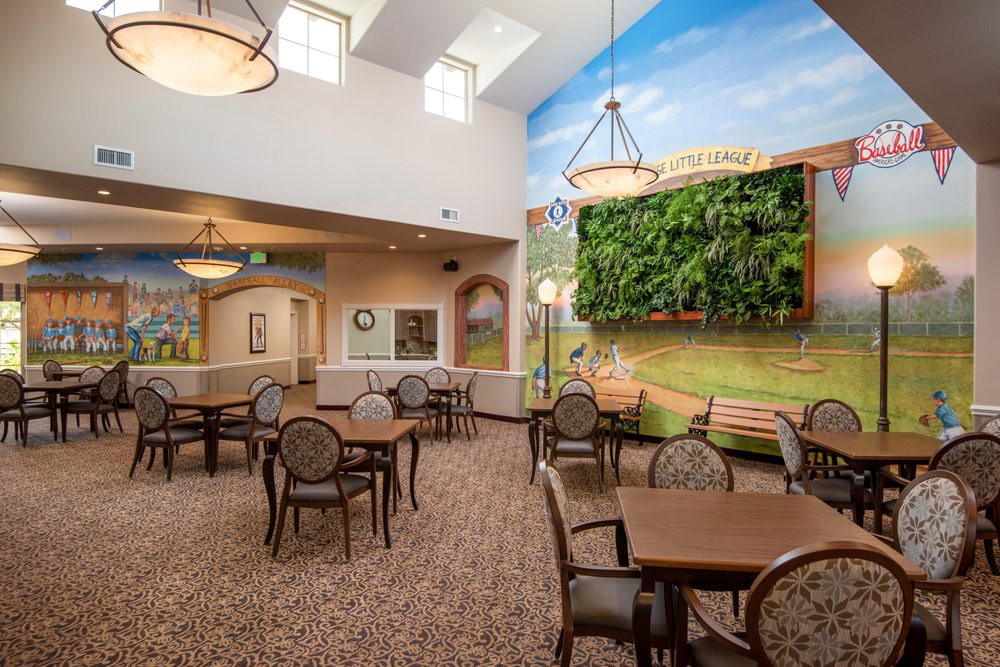
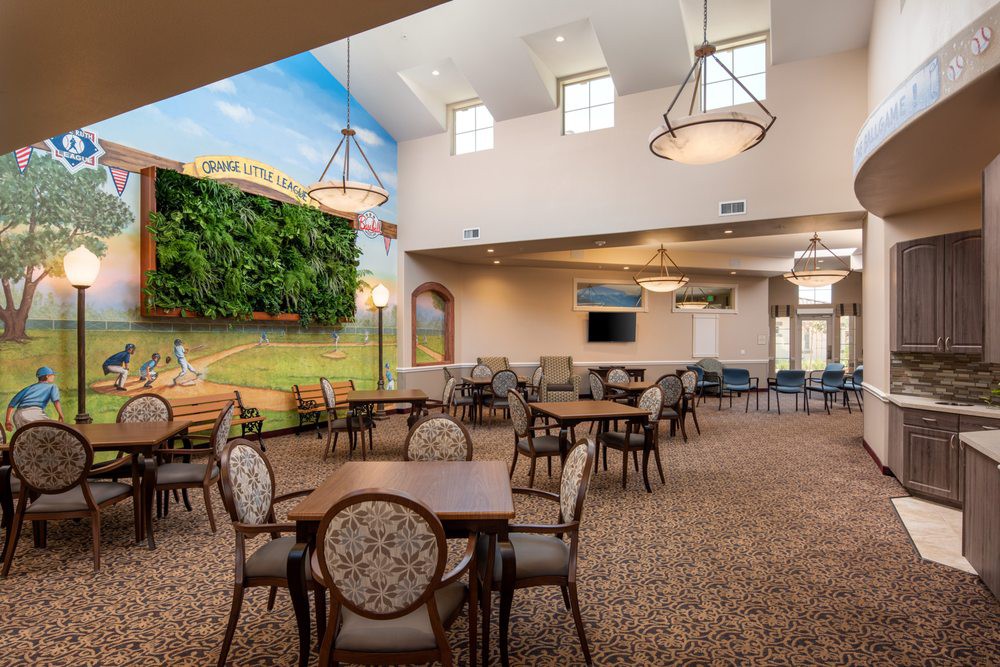
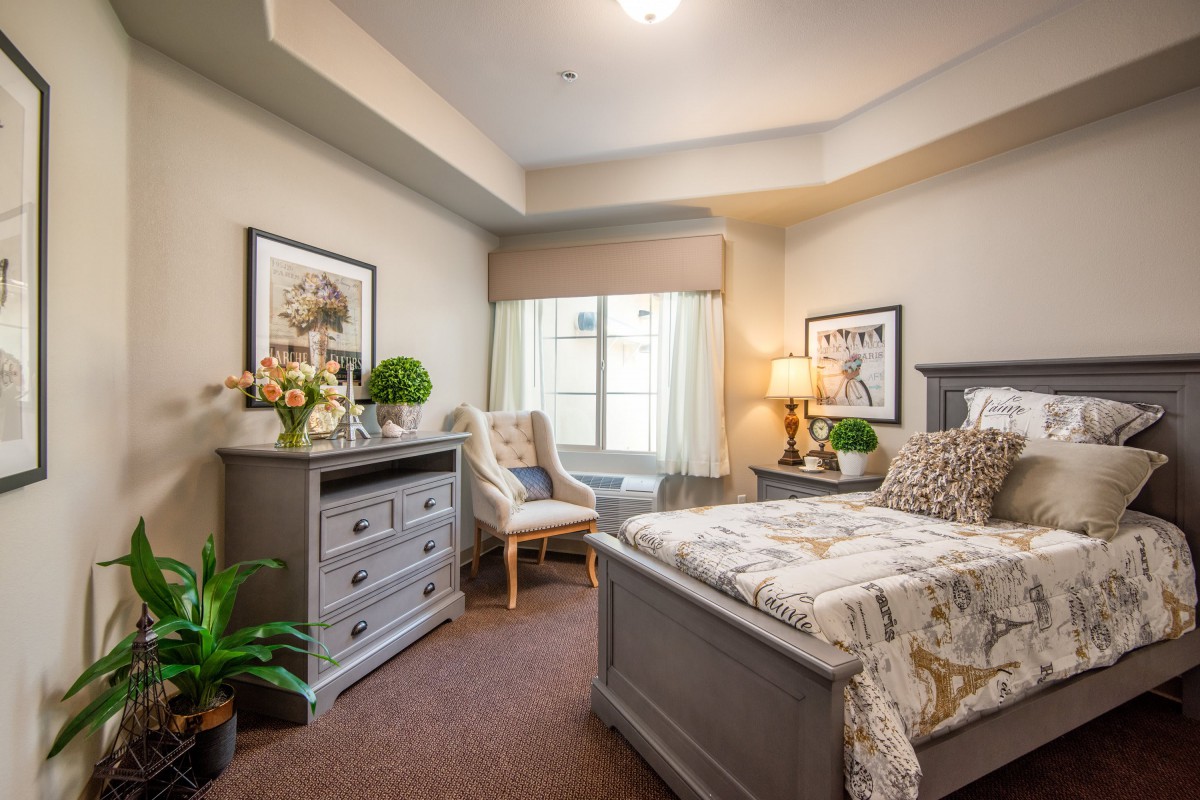
ActivCare Orange is best suited for families confronting advanced memory impairment, such as Alzheimer's or dementia, who need a highly attentive, hands-on memory-care environment with structured daily programming and strong hospital coordination. The community shines when the priority is a compassionate, well-staffed team that can reliably manage challenging behaviors, sundowning, and complex medical needs while keeping loved ones engaged. It is a practical match for those who want transparent turnover in staffing to be offset by genuine relationships with nurses, aides, and administrators, and who value a facility that feels clean, secure, and capable of handling transitions from hospital to care setting. For families seeking a setting with minimal administrative friction, or for those prioritizing ultra-predictable billing and itemized charges, other options may warrant consideration.
On the upside, ActivCare Orange earns high marks for its people and its dementia-specific approach. Families routinely praise the nursing and caregiving staff as dedicated, responsive, and patient, with doctors described as professional and engaged. The intensity and relevance of the activities program keep residents occupied and stimulated, contributing to reports of residents being engaged, happier, and more settled. Transfers from hospital to residence are described as well-managed, with staff coordinating care plans and keeping families informed. Across multiple testimonials, the care environment feels clean and secure, reinforcing confidence that a loved one’s daily routine and safety are prioritized.
Yet, real-world operation reveals meaningful drawbacks that cannot be ignored. Several reviewers point to hygiene lapses and inconsistent attention to personal care, including cases of a resident appearing unkempt or facing delayed care on hygiene days. There are also recurring concerns about injuries and falls, with at least one account of bruising requiring X-rays, which unsettles families already navigating the stress of memory care. Additional operational frictions surface in the form of clothing and personal belongings going missing, frequent calls to families for a wide range of issues, and a billing process described as nonexistent or opaque. These issues, when combined with staff turnover and shifting personnel, create a pattern that can undermine the sense of continuity families rely on.
Despite the friction points, the pro-dominant story remains that the pros often and effectively offset cons, provided correct expectations and proactive management are in place. The specialized dementia expertise is repeatedly cited as a decisive factor, with staff who genuinely understand sundowning, aggression, and the need for structured activity to preserve dignity and engagement. Honest, open communication about a resident’s condition and clear collaboration with families and external providers emerge as strengths, helping families feel seen and involved even when hiccups occur. Cleanliness and security reinforce peace of mind, and families frequently report transitions that feel well-supported, making the move from home to memory care significantly less traumatic.
This community is especially well-suited for families who want a high-touch, engaged memory-care option where staff go above and beyond to make residents feel at home. It is a strong choice for those who appreciate a facility that can coordinate medical care, hospital discharges, and insurance matters with a professional demeanor and practical guidance. On the other hand, families who require near-perfect operational predictability or have extremely strict expectations around billing transparency and itemized charges should compare alternatives that may offer tighter administrative controls or fewer reported instances of personal-item loss and scheduling frictions.
In the end, ActivCare Orange stands out as a capable, compassionate memory-care community with a deep bench of trained professionals and a culture that treats residents like family. The core decision rests on weighing the extraordinary commitment of its caregiving team against some notable operational quirks. Prospective families should conduct detailed tours focused on hygiene protocols, incident reporting, and the billing process, and should press for concrete safeguards around personal belongings and consistent staffing patterns. For families prioritizing meaningful daily engagement, transparent caregiver partnerships, and strong clinical oversight in a clean, secure setting, ActivCare Orange is a compelling, practical choice.
 72 resident community capacity
 Memory Care
 Activities off-site
 Air-conditioning
 Beautician on-site
 Cable or satellite TV
 Computer center
 Devotional services on-site
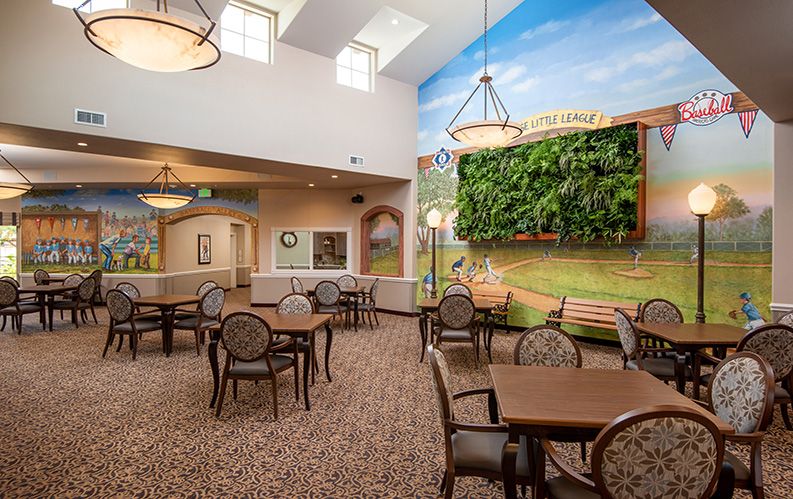
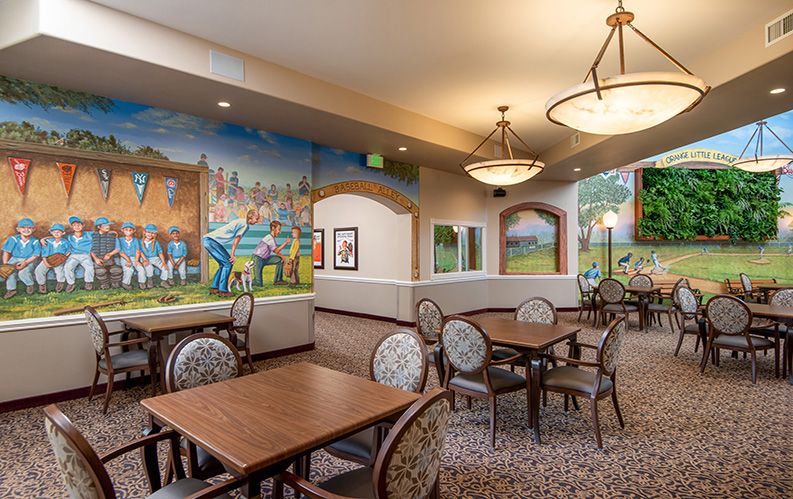
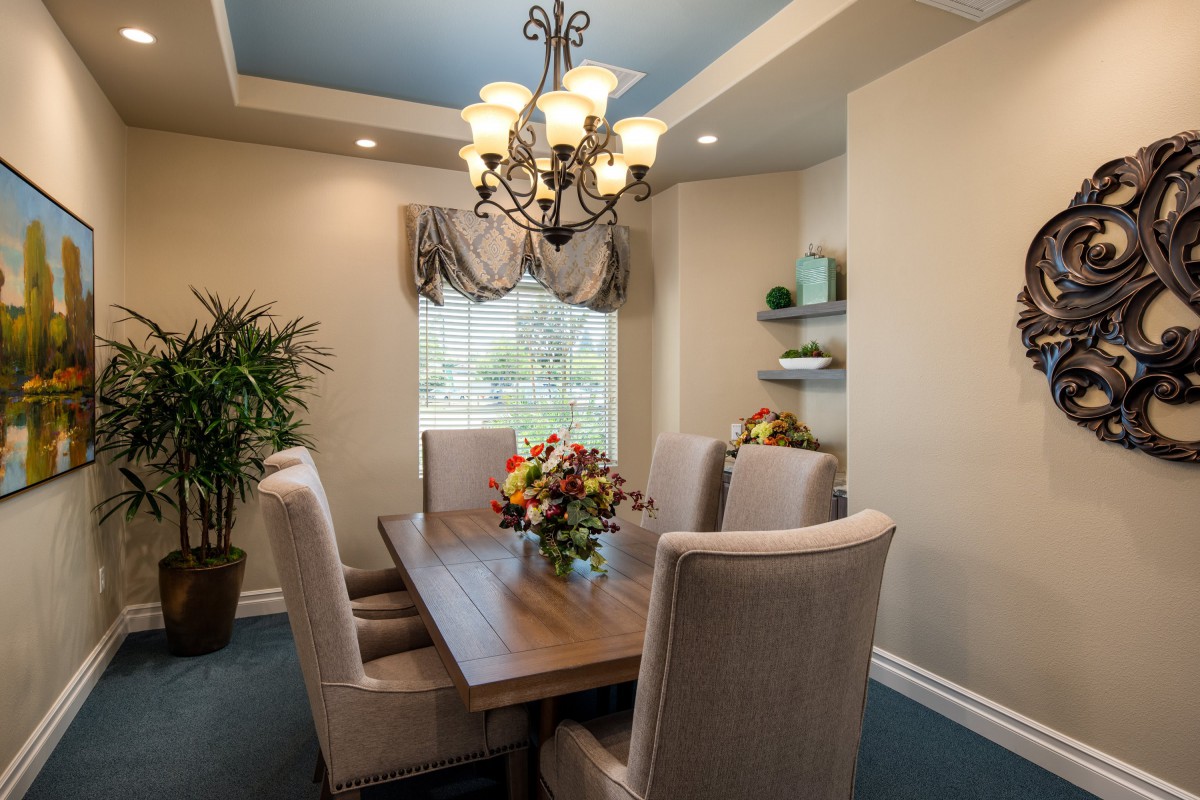
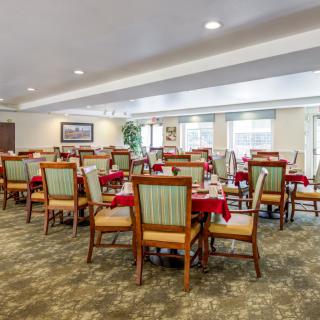
 Dining room
 Fitness room
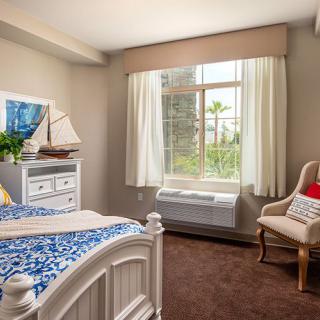
 Fully furnished
 Gaming room
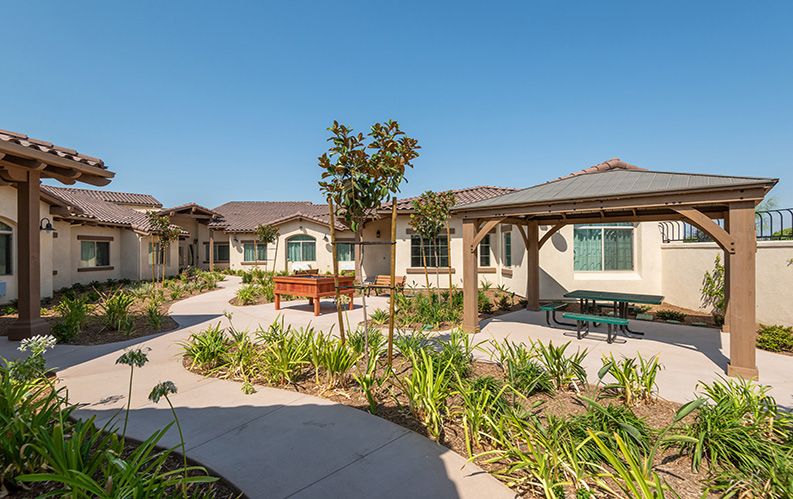
 Garden
 Ground floor units
 Housekeeping services
 Indoor common areas
 Kitchenette
 Move-in coordination
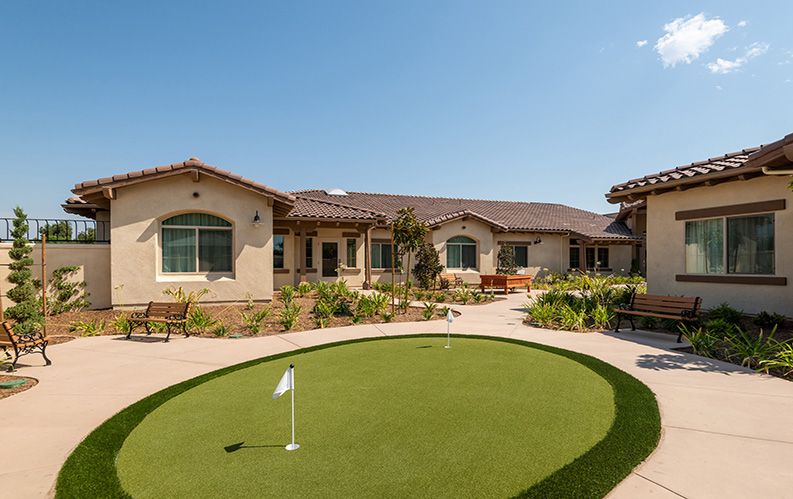
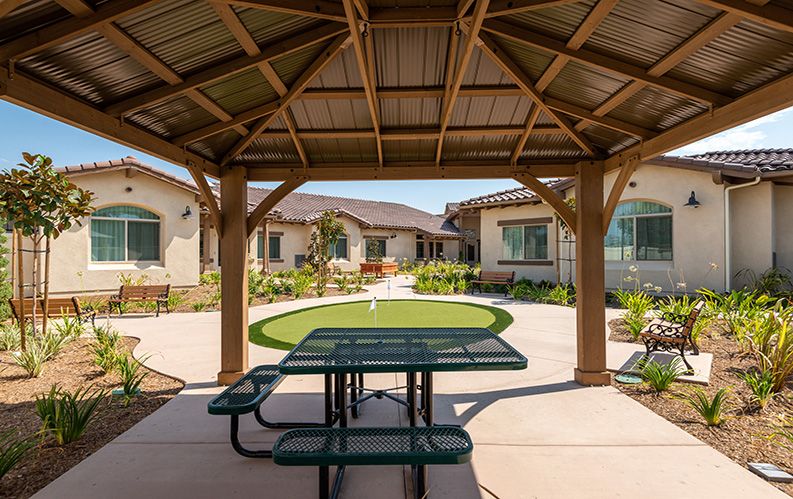
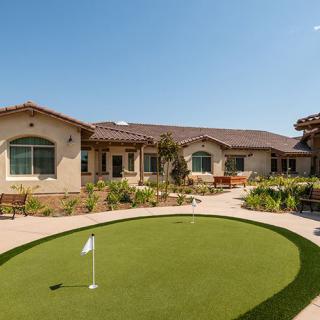
 Outdoor common areas
 Private bathrooms
 Respite or short term stays offered
 Restaurant-style dining
 Small library
 Telephone
 Wellness center
 Wheelchair accessible showers
 Wi-Fi/high-speed internet available
 John Wayne Orange Co (9 miles away)
 Community operated transportation
 24-hour call system
 Assistance with bathing
 Assistance with dressing
 Assistance with transfers
 Diabetes diet
 Diabetic care
 High acuity care
 Incontinence care
 Medication management
 Mental wellness program
 Special dietary restrictions
 Bible study group
 Concierge services
 Day trips and outings
 Live dance or theater performances
 Live musical performances
 Trivia games
 Wii bowling

 When to Transition from Assisted Living to Memory Care: Key Indicators, Steps, and Finding the Right Community
 Understanding the Distinctions: Assisted Living and Memory Care Explained
 How to Communicate with a Loved One Living with Dementia: 10 Supportive Strategies