

4110 East Jordan Avenue, Orange, CA 92869
For more information about senior living options: (866) 208-4318
Gracious Care Homes Costs & Pricing
Gracious Care Homes offers competitive pricing for their services, particularly when compared to the broader market rates in Orange County and the state of California. For a semi-private room, residents at Gracious Care Homes pay $2,500 per month, which is significantly lower than the average cost of $3,431 in Orange County and $3,333 statewide. Similarly, the private room option at Gracious Care Homes is priced at $3,250 per month, again showcasing a more affordable alternative compared to the local average of $4,104 and the state average of $3,939. This pricing structure reflects a commitment to providing quality care while maintaining accessibility for families seeking supportive living arrangements.
| Floor plans | Gracious Care Homes | Orange County | California |
|---|---|---|---|
| Semi-Private | $2,500 | $3,431 | $3,333 |
| Private | $3,250 | $4,104 | $3,939 |
Assisted Living communities with a similar price nearby
-
from +$300 / mo

Leah Loving Elderly Care
$2,800 to $3,000 / month9.1 miles away -
from +$200 / mo
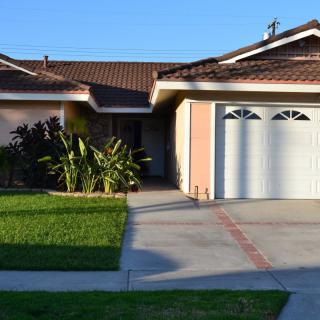
Loving Care Senior Home
$2,700 to $3,500 / month10.6 miles away -
from +$350 / mo
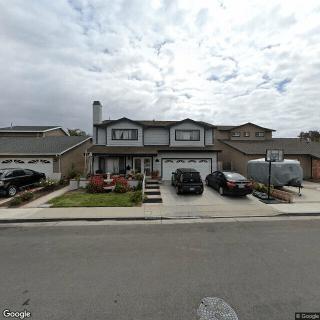
Alternative Senior Care - Freshwater
$2,850 to $3,250 / month12.9 miles away -
from +$300 / mo

Bianca's Home Care
$2,800 to $3,400 / month21.7 miles away -
from +$200 / mo

The Golden Years Guest Home
$2,700 to $3,500 / month2.0 miles away
Overall Review of Gracious Care Homes
Pros
 Gracious Care Homes provide very good care and services.
- They help families through difficult times.
- The support during hard times is appreciated.
Review
Gracious Care Homes in Orange, CA appears best suited for families seeking a small, home-like assisted living environment where staff deliver attentive, compassionate care and can stand beside families through difficult moments. This community benefits seniors who need practical daily assistance, help with mobility, hygiene, medications, and routine tasks, yet still prioritize personal connection, regular communication, and a sense of warmth in a less institutional setting. For families who value a hands-on, approachable team and closer, longer-tenured interactions with caregivers, this is a compelling fit.
Those who may want to consider alternatives are primarily those with higher needs for medical oversight or specialized programming. If a resident requires robust on-site skilled nursing, complex wound care, memory care with structured cognitive therapies, or intensive rehab services, larger facilities or continuing care communities with dedicated medical teams may be a better match. Cost transparency and flexible pricing can also push families toward competitors if a budget-driven comparison is essential. In short, the option set should widen for anyone prioritizing rigorous clinical oversight or highly specialized care beyond general assisted living.
The standout positives from the available feedback center on care quality and the staff’s ability to walk families through challenging times. The reviewer notes very good care and services, underscoring dependable daily support and reliable caregiver engagement. Equally important is the perception that the staff helped families navigate rough periods, which translates into valuable reassurance for relatives who must balance caregiving with other responsibilities. In practical terms, this kind of emotional and logistical support often reduces family stress and fosters a sense of trust in the care team’s steadiness.
No explicit drawbacks are cited in the provided input, but the scarcity of data invites thoughtful skepticism. A single five-star report offers limited assurance on areas like cost structure, long-term reliability, activity breadth, or the range of medical services. Prospective residents should probe beyond warmth and responsiveness: confirm exact staffing ratios, review the care planning process, verify what happens after hours, and assess access to on-site therapies and transportation. Potential gaps to examine include memory-care options, rehab availability, and how individualized plans are updated as needs evolve.
The key to turning the favorable impression into a durable decision lies in verifying the alignment of strengths with specific resident needs. The demonstrated care quality and compassionate, crisis-responsive staff can offset a lot of uncertainty for families seeking peace of mind during tough times, especially in a smaller setting where personal attention is more feasible. This is not a universal endorsement of every need; it is a strong signal that for seniors who prize proximity, familiarity, and a responsive caregiving team, Gracious Care Homes deserves serious consideration and a rigorous in-person evaluation.
Actionable next steps involve a structured site visit combined with a candid dialogue about expectations and contingencies. Schedule a tour, meet the caregiving team, and request a detailed sample care plan that covers daily routines, medication management, and emergency procedures. Ask for pricing details, including what’s included in base rates and what costs might be added for ancillary services. Request references from current families and verify licensing status with the state. If memory care, on-site therapy, or rapid escalation protocols are crucial, compare with other Orange County options to ensure the chosen community not only feels right but truly meets all clinical and financial requirements.
 6 resident community capacity
 Assisted Living
 Board and Care Home
 Activities on-site
 Cable or satellite TV
 Devotional services off-site
 Dining room
 Fully furnished
 Garden
 Housekeeping services
 Indoor common areas
 Move-in coordination
 Outdoor common areas
 Private
 Private bathrooms
 Respite or short term stays offered
 Telephone
 Wheelchair accessible showers
 Wi-Fi/high-speed internet available
 John Wayne Orange Co (8 miles away)
 24-hour supervision
 Assistance with bathing
 Assistance with dressing
 Assistance with transfers
 Diabetes diet
 High acuity care
 Incontinence care
 Meal preparation and service
 Medication management
 Special dietary restrictions
 Transportation arrangement (medical)
 Transportation to doctors appointments
 Christian services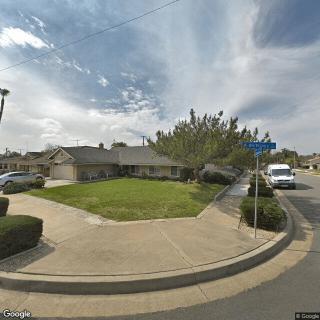



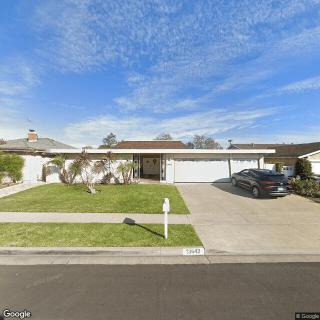
 Securing Financial Support for Assisted Living: A Comprehensive Overview
 Social Security Benefits and Assisted Living: Navigating Options Across the U.S.
 An Extensive Exploration of the VA Aid and Attendance Benefit