
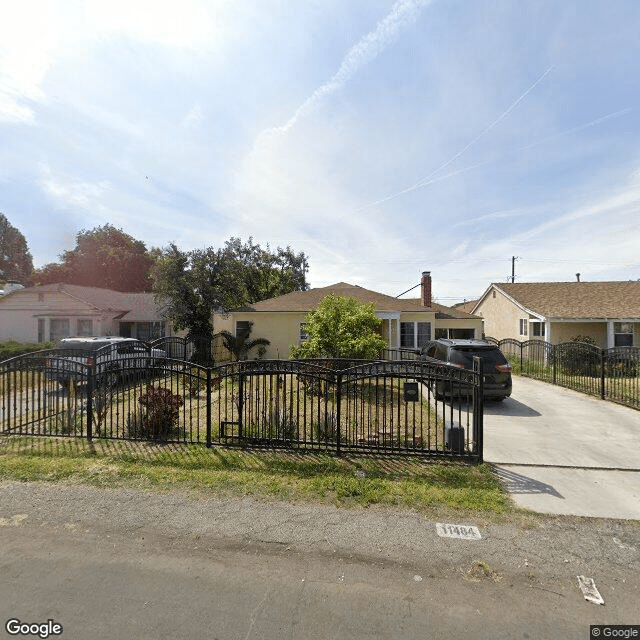
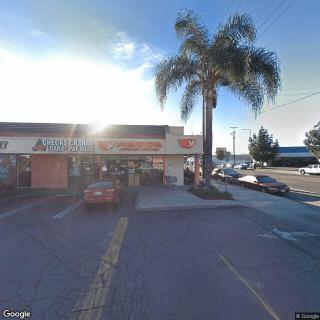
11484 Delano Street, North Hollywood, CA 91606
To contact a resident: (310) 621-2335
For more information about senior living options: (866) 208-4318
Delano Care Home Costs & Pricing
Delano Care Home offers competitive pricing for its accommodations compared to the broader market in Los Angeles County and the state of California. For a semi-private room, residents at Delano can expect to pay $2,000 per month, significantly lower than the county average of $3,349 and slightly below the state average of $3,333. Private rooms at Delano are available for $2,500 monthly, which is notably more affordable than both the county's average of $4,197 and California's state average of $3,939. Similarly, their studio rooms are priced at $2,500 each month, again undercutting the county rate of $4,172 and California's average of $4,145. These cost advantages make Delano Care Home an appealing option for families seeking quality care without compromising on budget.
| Floor plans | Delano Care Home | Los Angeles County | California |
|---|---|---|---|
| Semi-Private | $2,000 | $3,349 | $3,333 |
| Studio | $2,500 | $4,172 | $4,145 |
| Private | $2,500 | $4,197 | $3,939 |
Memory care communities with a similar price nearby
-
from -$200 / mo
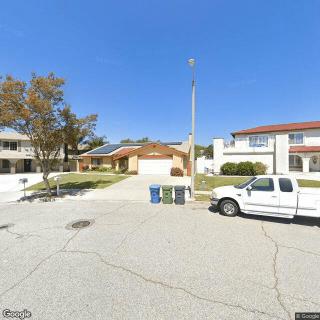
Green Valley Home Care
$1,800 to $2,000 / month22.7 miles away -
from +$200 / mo
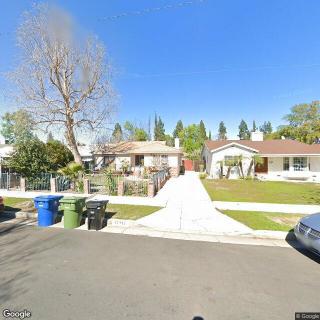
Granada Hills Gardens
$2,200 to $3,500 / month9.1 miles away -
from -$200 / mo
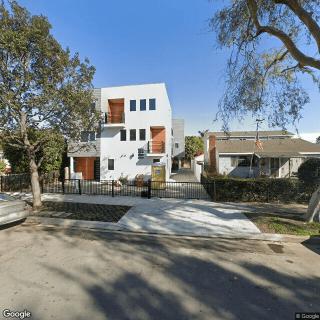
Gracie's Residential Care
$1,800 to $2,500 / month12.8 miles away -
About the same
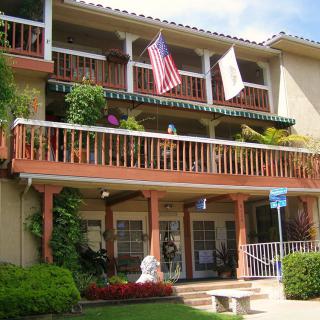
La Posada Assisted Living & Memory Care
$2,000 to $3,600 / month25.0 miles away -
from -$200 / mo
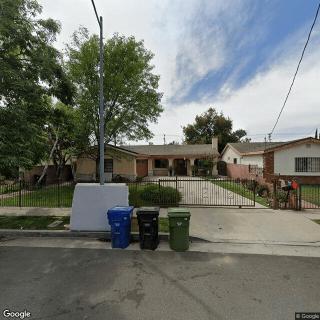
Masa Comfort Living Inc.
$1,800 to $3,200 / month2.6 miles away
Overall Review of Delano Care Home
Pros
 The staff are courteous and considerate.
- The atmosphere is homely.
Cons
 The backyard had no grass.
- The house was very small.
- Fees are also over budget.
Review
Delano Care Home in North Hollywood is best suited for seniors who prize a warm, home-like atmosphere and attentive, courteous staff, and who are comfortable living in a modest, intimate setting rather than a large, traditional facility. This is a place where residents can feel personally looked after, and where daily life emphasizes a homely, low-key rhythm rather than formal, institutional routines. The impression from visits and resident interactions is that the environment supports comfort and familiarity over grand amenities.
Those who may want to consider alternatives are families with priorities around space, outdoor access, or budget alignment. If a resident requires larger private rooms, more expansive common areas, or easy access to a lawn or yard, other communities with bigger footprints will likely be a better fit. Similarly, for households with strict budget constraints or a need for lower ongoing costs, the fee structure here could be a mismatch, given notes of the overall charges being over budget for some families.
The strongest positive takeaway centers on staff quality and the atmosphere. Courteous, considerate caregivers contribute to a sense of safety and everyday ease, helping residents settle into a routine with predictable, personal attention. The homely vibe, the feeling of a welcoming, family-like residence, can significantly reduce the stress of transition for seniors who value familiarity, simple comforts, and a less clinical setting. These intangible benefits are meaningful and can translate into steadier days and better mood for residents who thrive on connection and routine.
However, the weight of the downsides cannot be ignored. The living space is described as small, and the backyard lacks grass, signaling limited outdoor space and potentially fewer private or social gathering areas. For residents who enjoy or require more room to move, hobbies that need space, or outdoor time in a garden setting, this environment may feel corrective rather than liberating. Combined with the reported fees that exceed some families’ budgets, these factors pressure the overall value proposition and can tilt the decision away for budget-conscious households or those seeking more expansive accommodations.
From a practical decision-making standpoint, prospective buyers should surface a few critical questions during tours and discussions. Seek a detailed, itemized fee breakdown and a clear sense of what is included in monthly costs, then compare with nearby communities offering larger living spaces and outdoor amenities. Assess the resident-to-staff ratio, the level of care available now and how flexible that care might be as needs evolve. Inspect room sizes, common areas, and dining arrangements to gauge privacy and social opportunities. Finally, verify meal quality, activity options, and transportation or errand support, because these operational details often determine day-to-day satisfaction as much as the warmth of the staff.
The verdict is practical and straightforward: Delano Care Home serves best those families prioritizing a comforting, intimate home atmosphere and staff warmth, and who can accept a smaller physical footprint alongside a higher relative cost. It is less suitable for households where outdoor time, extra space, or budget alignment are non-negotiables. For decision-makers with a premium on independence, privacy, and predictable pricing, exploring options with more expansive layouts and grounds may be prudent. For others, the combination of kindness, low-key daily life, and a snug, familial setting can offer a reassuring, steadier path through the aging journey.
 Board and Care Home
 Memory Care
 Activities off-site
 Bath tubs
 Devotional services on-site
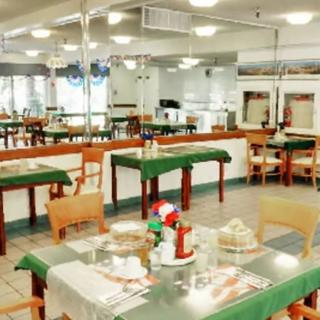
 Indoor common areas
 Outdoor common areas
 Private
 Respite or short term stays offered
 Wheelchair accessible showers
 Burbank-Glendale-Pasadena (2 miles away)
 High acuity care
 Meals provided

 Five Subtle Dementia Indicators to Observe: An In-Depth Guide to Understanding “Does My Mom Have Dementia?”
 Dementia, Paranoia, and Caregiver Guidance: Understanding the Connection
 Engaging Memory Care Activities That Enhance Quality of Life