
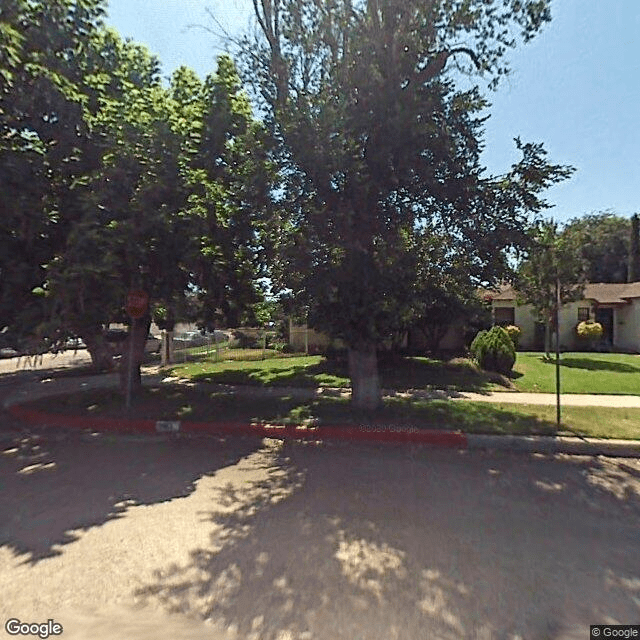
5803 Troost Avenue, North Hollywood, CA 91601
For more information about senior living options: (866) 208-4318
Twin Hearts Care Home Costs & Pricing
Twin Hearts Care Home offers competitive pricing for its residents compared to the broader market in Los Angeles County and throughout California. The monthly cost for a semi-private room at Twin Hearts is $2,700, significantly lower than the county average of $3,349 and the state average of $3,333. For those seeking more privacy, the private room rate at Twin Hearts is $3,500, which remains more affordable than both the Los Angeles County average of $4,197 and the statewide figure of $3,939. These rates reflect Twin Hearts Care Home's commitment to providing quality care while ensuring that financial considerations remain accessible for families seeking supportive living arrangements.
| Floor plans | Twin Hearts Care Home | Los Angeles County | California |
|---|---|---|---|
| Semi-Private | $2,700 | $3,349 | $3,333 |
| Private | $3,500 | $4,197 | $3,939 |
Assisted Living communities with a similar price nearby
-
from -$500 / mo
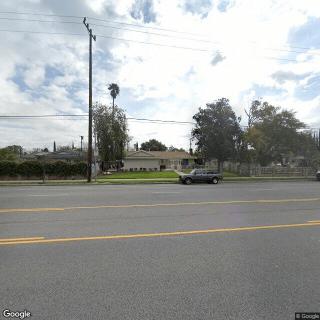
Precious Someone Homecare
$2,200 to $3,300 / month13.7 miles away -
About the same
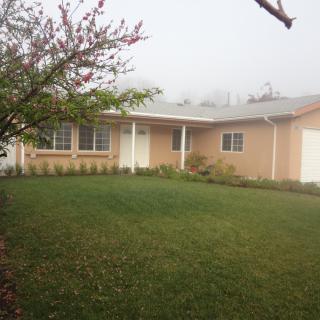
Dignity Care Home 1
$2,750 to $4,150 / month6.9 miles away -
from -$200 / mo
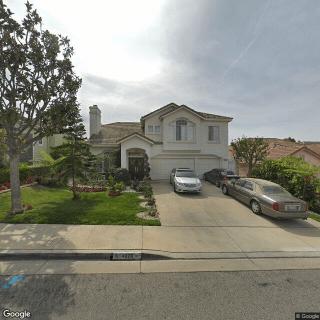
Eleanor's Residential Home
$2,500 to $6,000 / month12.4 miles away -
from +$500 / mo
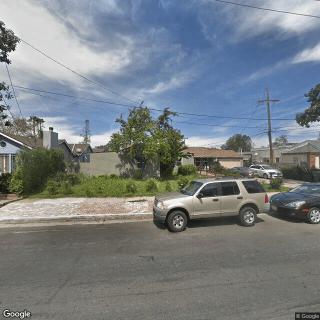
Charnock East
$3,200 to $4,000 / month11.4 miles away -
from +$300 / mo
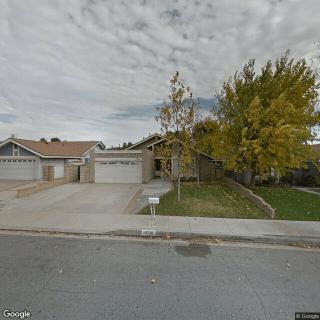
Bridges Of Hope & Love 3
$3,000 to $3,500 / month21.1 miles away
Overall Review of Twin Hearts Care Home
Pros
 It is a nice home.
- It is a nice home.
Cons
 The facility has bed bugs and is filthy.
- The care home is filthy and very old.
- The kitchen is very dirty.
Review
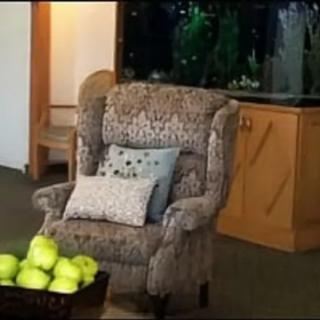
Twin Hearts Care Home in North Hollywood is best suited for families that want a small, residential, home‑like setting where residents feel part of a household, not a clinical facility. The ambiance and layout appeal to those who value a cozy, intimate atmosphere over polish and institutional sheen. In practice, this means a setting that can feel comfortable and personal, particularly for residents who prefer a less formal care environment and may place a premium on proximity to family and a homelike routine. The strongest upside is the sense of being in a true home rather than a hospital-esque space, which some families gravitate toward when evaluating care goals and daily rhythms.
That said, there are clear reasons to consider alternatives, especially for families prioritizing pristine conditions and dependable infection control. The strongest headwinds come from repeatedly reported cleanliness and pest concerns, including bed bugs and general filth. A number of reviews describe dirty kitchens, an aging structure, and overall maintenance gaps that can erode trust in day-to-day safety and comfort. For residents with higher needs for hygiene, skin sensitivities, or heightened infection risk, these red flags signal a need for caution and thorough verification before committing.
The few publicly praised elements, primarily the notion of a “nice home” atmosphere, do not sufficiently offset the major drawbacks. A small, homey environment can be a meaningful benefit for some, but when cleanliness and pest control become ongoing concerns, the benefits quickly pale. The reality is a mismatch between the desire for a warm, intimate setting and the persistent questions about sanitation, upkeep, and the overall condition of the property. Families should weigh whether the perceived warmth and intimacy are likely to be sustained alongside improved housekeeping and maintenance, or if the appeal will erode as wear and pest issues persist.
On balance, the cons dominate the living experience here. Bed bugs and routine accusations of filth point to a risk profile that is incompatible with many seniors’ comfort standards, particularly for those who require clean, well‑maintained spaces or who are managing chronic wounds, allergies, or respiratory concerns. An “old house” aesthetic can be charming, but without strong, reliable housekeeping and pest management, it becomes a liability rather than a feature. The inconsistency implied by the mixed reviews also raises questions about reliability, whether improvements are real, timely, and sustained, or whether issues surface episodically without lasting solutions.
For families actively evaluating options, a practical, due-diligence approach matters. Schedule a hands‑on tour and insist on inspecting the kitchen, common areas, and resident rooms at various times of the day to assess cleanliness, odor, and overall upkeep. Ask for recent pest-control activity logs and maintenance schedules, and request opportunities to speak with current residents or families about day-to-day quality of life. Verify licensing and inspection records with the California Department of Social Services, and inquire about emergency preparedness, staffing ratios, and how cleaning routines are documented and enforced. Crucially, demand clear commitments on pest management and facility improvements before any commitment.
The bottom line is straightforward: Twin Hearts Care Home offers a compelling home-like vibe for the right family, but it requires a willingness to accept significant cleanliness and maintenance risks. It is most appropriate for families who place high value on a intimate, domestic feel and who can secure concrete assurances that pest issues and sanitation will be aggressively, transparently addressed. For anyone prioritizing spotless conditions, robust cleaning protocols, and consistently well-maintained environments, alternatives deserve serious consideration, whether that means seeking a larger, better‑staffed facility with a proven track record or a more modern, purpose‑built setting in the same area. This choice should rest on verifiable commitments to cleanliness, ongoing maintenance, and reliable pest control, not on atmosphere alone.
 6 resident community capacity
 Assisted Living
 Board and Care Home
 Dogs allowed
 Activities off-site
 Bath tubs
 Beautician on-site
 Cable or satellite TV
 Devotional services off-site
 Dining room
 Fully furnished
 Garden
 Housekeeping services
 Indoor common areas
 Move-in coordination
 Outdoor common areas
 Private
 Private bathrooms
 Respite or short term stays offered
 Telephone
 Wheelchair accessible showers
 Wi-Fi/high-speed internet available
 Burbank-Glendale-Pasadena (2 miles away)
 24-hour supervision
 Ambulatory care
 Assistance with bathing
 Assistance with dressing
 Assistance with transfers
 Diabetes diet
 Diabetic care
 High acuity care
 Incontinence care
 Meal preparation and service
 Medication management
 Special dietary restrictions
 Transportation arrangement (medical)
 Transportation to doctors appointments




 Exploring the Contrasts Between Assisted Living and Skilled Nursing
 8 Key Indicators That Suggest It May Be Time to Transition from Assisted Living to Skilled Nursing Care
 Vibrant Senior Living: A Comprehensive Guide for Active Older Adults