
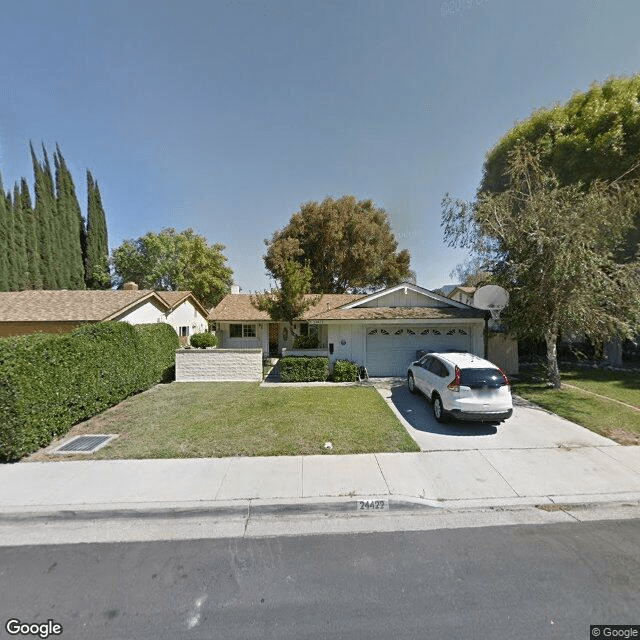
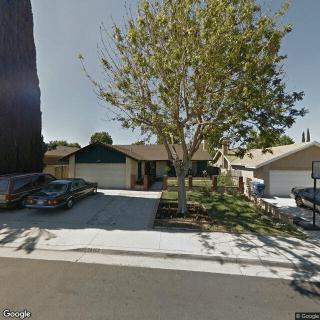
24422 Lisa Kelton Pl, Newhall, CA 91321
To contact a resident: (661) 799-3815
For more information about senior living options: (866) 208-4318
Tracy's Home #3 Costs & Pricing
Tracy's Home #3 offers competitive pricing for various room types compared to both Los Angeles County and the broader California market. For a semi-private room, residents will find Tracy's rate of $2,000 significantly more affordable than the county average of $3,349 and the state average of $3,333. Similarly, private rooms at Tracy's Home are priced at $3,000, which is lower than both the county's average of $4,197 and California's average of $3,939. The studio option also reflects this trend with a cost of $3,000 compared to $4,172 in Los Angeles County and $4,145 across California. Overall, Tracy's Home #3 stands out as an economical choice for quality care in a desirable location.
| Floor plans | Tracy's Home #3 | Los Angeles County | California |
|---|---|---|---|
| Semi-Private | $2,000 | $3,349 | $3,333 |
| Private | $3,000 | $4,197 | $3,939 |
| Studio | $3,000 | $4,172 | $4,145 |
Memory care communities with a similar price nearby
-
from -$200 / mo
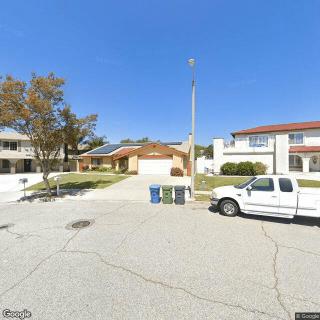
Green Valley Home Care
$1,800 to $2,000 / month12.9 miles away -
from +$200 / mo
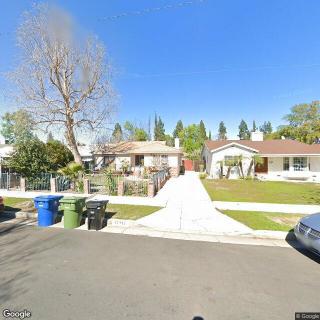
Granada Hills Gardens
$2,200 to $3,500 / month8.3 miles away -
from -$200 / mo
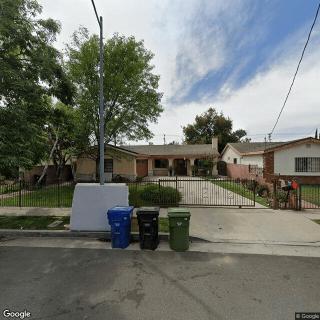
Masa Comfort Living Inc.
$1,800 to $3,200 / month14.2 miles away -
from -$250 / mo
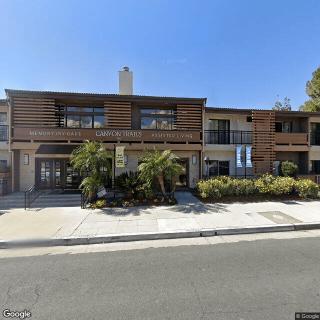
Oakdale Heights of Woodland Hills
$1,750 to $3,462 / month11.3 miles away -
from +$200 / mo
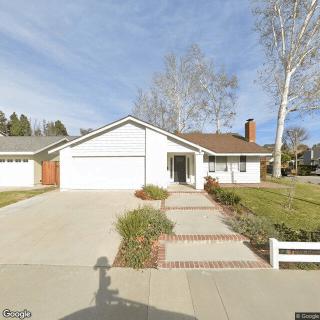
Victoria's Place #1
$2,200 to $3,600 / month1.5 miles away
Overall Review of Tracy's Home #3
Pros
 They are very happy with this home.
- The home makes them very happy.
Cons
 They describe the atmosphere as boring.
- They say the activities are not what they were looking for.
Review
Tracy's Home #3 in Newhall is best suited for seniors who prize a calm, home-like setting over a bustling activity calendar. The small, intimate environment appears to deliver steady, attentive daily care that families feel confident leaving a loved one with. In feedback from relatives, the placement is described as a success, underscoring dependable supervision, a simple routine, and a warm, non-institutional vibe. This option shines for residents who want predictable days and close caregiver relationships, rather than a campus-style, highly programmatic atmosphere.
Those evaluating alternatives should note who may want to move on. If the priority is a robust calendar of activities, frequent outings, or highly organized social programming, this home may feel too quiet. The recurring notion of a “boring atmosphere” signals limited structured engagement, which can be a drawback for residents who thrive on social interaction or require more stimulating activities. Families with residents who benefit from more specialized care, memory therapies, or broader medical oversight should consider facilities offering larger staff teams and richer programming.
The key advantages offset the main drawbacks in a practical way. The major upside is reliable, personalized care within a setting that resembles a supportive, family-like home rather than an institutional environment. A smaller home can foster easier communication with caregivers, more individualized attention, and a safer, easier-to-manage daily rhythm. For residents who accept or even prefer less formal activity level, those benefits can significantly compensate for the lack of scheduled programming, delivering comfort, continuity, and a sense of belonging.
Operational realities require honest evaluation during visits. The quiet mood is a double-edged sword: comfort and ease of supervision coexist with the potential for social stagnation over time. Prospective families should verify staffing continuity, the exact level of assistance available, safety features, and the facility’s ability to accommodate evolving needs. A practical visit should include observing day-to-day interactions, assessing meal quality and consistency, and confirming how housekeeping, medications, and personal care are managed in practice.
A sound decision framework centers on aligning expectations with the resident’s temperament and goals. If quiet companionship and straightforward support are paramount, Tracy's Home #3 delivers. If, instead, the resident benefits from regular activities, group outings, or specialized therapies, broader search avenues are warranted, prefer facilities with more structured programming and larger teams. Ask pointed questions about staff-to-resident ratios, recent changes in management, and the scope for personalizing routines and surroundings. Where possible, pursue a trial period or short-term stay to test fit before committing long term.
Bottom-line guidance remains clear. Tracy's Home #3 is a practical choice for seniors who want a homelike atmosphere, dependable supervision, and a low-stimulation daily life. It offsets the modest activity level with predictable routines and close access to caregivers within a small setting. For families prioritizing social engagement, vibrant programming, or advanced medical supports, alternatives with broader activity calendars and more robust staffing should be pursued. The right choice rests on resident temperament, pace preference, and care needs; a guided, visit-focused comparison will ensure the final decision aligns with safety, satisfaction, and peace of mind.
 Board and Care Home
 Memory Care
 Private
 Burbank-Glendale-Pasadena (17 miles away)

 An In-Depth Look at Reminiscence Therapy in Dementia Care
 Dementia-Related Hallucinations: Causes, Experiences, and Practical Approaches
 Illuminating Insights About Alzheimer's Disease: Ten Crucial Realities