
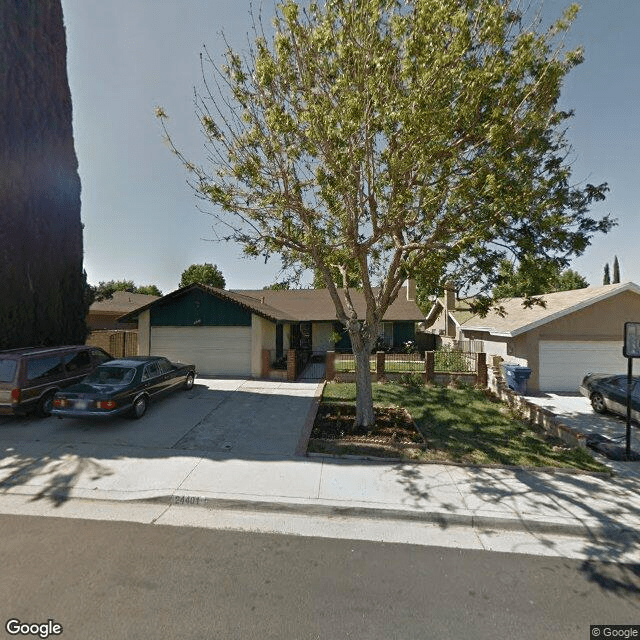
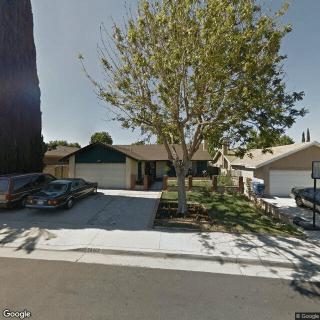
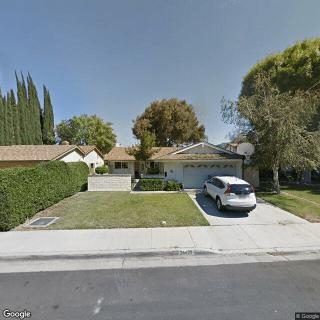
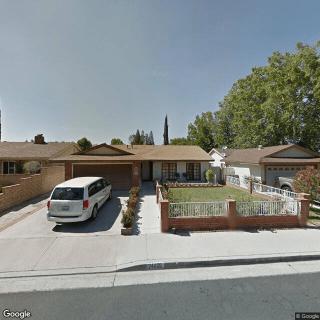
24401 Jennifer Pl, Newhall, CA 91321
To contact a resident: (661) 803-3717
For more information about senior living options: (866) 208-4318
Mary Jane's Home Costs & Pricing
Mary Jane's Home offers competitive pricing for long-term care, with monthly costs that are notably lower than the averages observed in both Los Angeles County and the broader state of California. For a semi-private room, residents pay $3,000 per month, which stands in contrast to the county's average of $3,349 and the state's average of $3,333. Similarly, those choosing a private room at Mary Jane's Home will find the monthly rate of $3,500 favorable compared to Los Angeles County's average of $4,197 and California's overall average of $3,939. This strategic pricing not only reflects Mary Jane's commitment to affordability but also underscores its position as an attractive option for individuals seeking quality care without excessive financial strain.
| Floor plans | Mary Jane's Home | Los Angeles County | California |
|---|---|---|---|
| Semi-Private | $3,000 | $3,349 | $3,333 |
| Private | $3,500 | $4,197 | $3,939 |
Memory care communities with a similar price nearby
-
from +$500 / mo
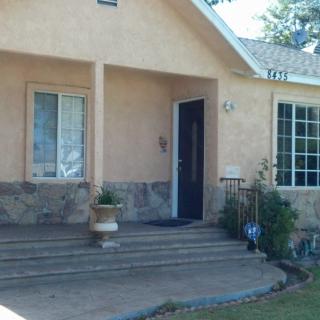
Paradise Senior Living 1
$3,500 to $4,500 / month10.4 miles away -
from -$250 / mo
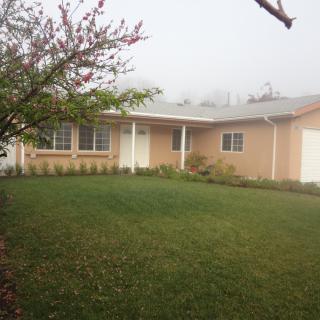
Dignity Care Home 1
$2,750 to $4,150 / month10.7 miles away -
from +$500 / mo
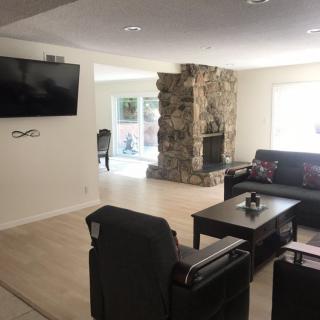
Hollywood Healthy Living
$3,500 to $5,000 / month16.4 miles away -
from +$500 / mo

California Senior Of Sherman Oaks
$3,500 to $4,000 / month15.9 miles away -
from +$500 / mo

Assisted Comfort Home
$3,500 to $6,000 / month14.9 miles away
Overall Review of Mary Jane's Home
Pros
 The care provided at Mary Jane's Home was exceptional, and the staff made her feel comfortable the entire time.
- The staff were more than caretakers; they became like family.
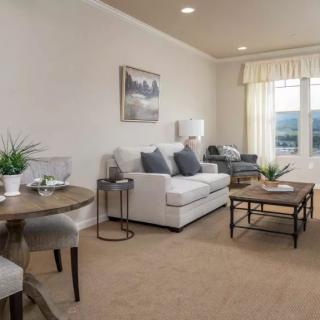
- The remodeled house felt comforting and inviting.
- The staff were very friendly.
- Maxi was very nice.
- Other residents seemed content.
- The director was very nice.
- The house was clean.
Cons
 The place was run down.
- They wouldn’t feel comfortable with the living conditions.
- There was no interaction with residents.
- The house was worn.
Review
Mary Jane's Home in Newhall is best suited for families seeking an intimate, home-like setting where staff form strong, personal bonds with residents. It’s a fit for seniors who value warmth, individualized attention, and a sense of family coming from caretakers who feel like part of the household. The community appears most appropriate for those who are comfortable in a smaller, domestic-style environment rather than a large, clinical campus, and for families prioritizing ongoing relationships and a reassuring, consistent presence over polished, showroom-like amenities.
Those weighing alternatives should consider options if modernity, visible upkeep, and active, structured programming matter most. For residents who require higher medical oversight, more robust safety features, or a facility with brighter common spaces and a fuller calendar of activities, other communities may deliver more predictable routines and a greater sense of social engagement. In short, if clinical polish and highly organized, board-certified care plans are non-negotiable, Mary Jane’s Home may fall short.
The strongest asset across the testimonials is the caregiving heart displayed by the staff. Families describe care that feels genuine, with staff who help residents feel at ease and establish a reassuring, familial bond. The remodeled house adds a layer of comfort that enhances the sense of belonging and hominess. When a loved one exits the picture as a beneficiary of attentive hands and thoughtful, personal attention, those elements count for a great deal, especially for residents who thrive on reassurance and familiarity in daily routines.
Yet, the reality is not without its caveats. Several observers note that the property is worn and run down, raising concerns about living conditions and the long-term feel of the environment. Even when cleanliness is acknowledged, the sense of wear can undercut comfort and confidence in the space. Reports of limited or absent interaction with residents in some moments suggest that engagement may be inconsistent, which can be a shortfall for families seeking ongoing social stimulation and visible daily activity.
These positives and drawbacks interact in meaningful ways. For residents who prize emotional connection and consistent, compassionate care, the warmth of dedicated staff can offset the physical wear to a degree, creating a safe emotional haven within a modest setting. The presence of amicable staff members, including specific individuals noted as particularly kind, helps stabilize daily life and reinforce a sense of community. However, the wear, coupled with sporadic resident interaction, can leave a gap for those who require more active social programming, stimulation, and reassurance through regular, visible engagement with peers and staff.
In making a decision, families should prioritize a structured, practical assessment: arrange a visit with questions about staff-to-resident ratios, care routines, and how activities are organized; request to observe interactions during mealtimes and group moments; inspect cleanliness and maintenance firsthand; ask about how issues of wear are addressed and what improvements are planned; and speak with the director about individualized care plans and safety measures. If these conversations reinforce the strengths, genuine care, a warm, family-like atmosphere, and responsive staff, while the environment remains comfortable and welcoming, Mary Jane's Home can be a deeply meaningful choice. If not, it is prudent to explore alternatives that deliver more robust upkeep, richer engagement, and a more consistently polished, activity-rich setting.
 Board and Care Home
 Memory Care
 Cats allowed
 Dogs allowed
 Private
 Private bathrooms
 Burbank-Glendale-Pasadena (17 miles away)
 Ambulatory care
 High acuity care



 When to Transition from Assisted Living to Memory Care: Key Indicators, Steps, and Finding the Right Community
 Understanding the Distinctions: Assisted Living and Memory Care Explained
 How to Communicate with a Loved One Living with Dementia: 10 Supportive Strategies