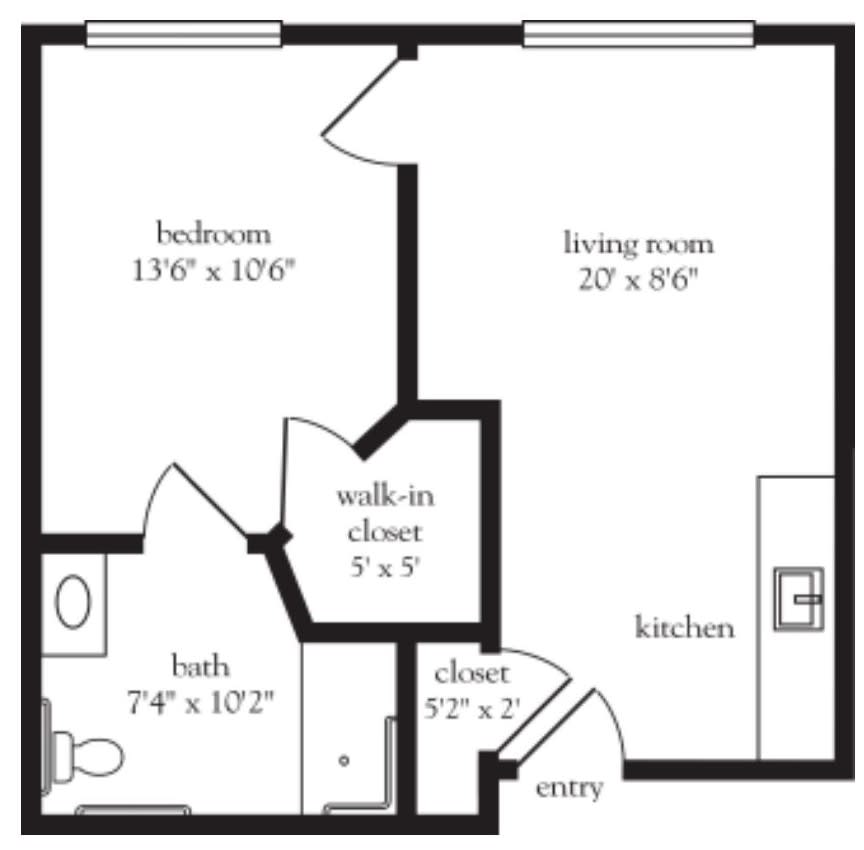
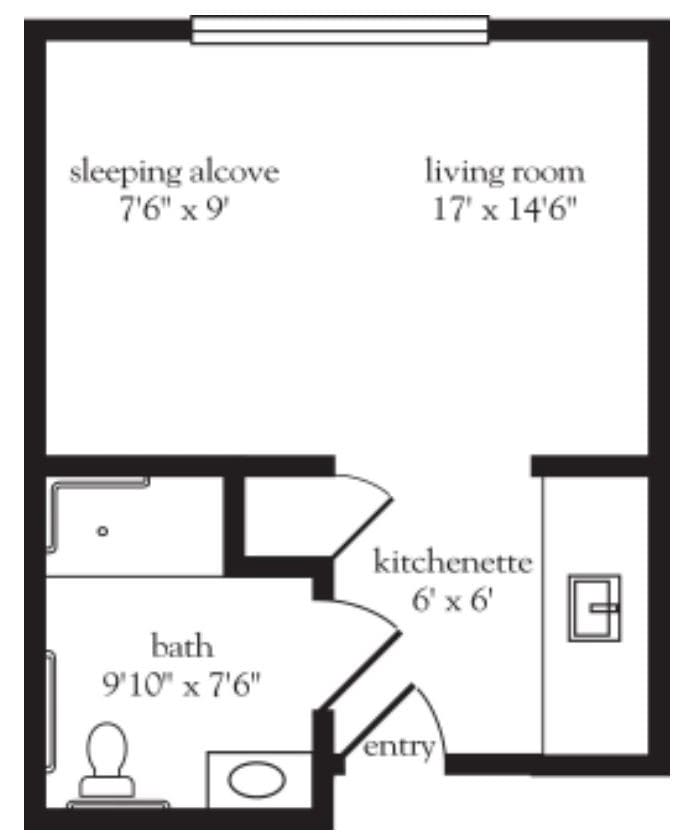
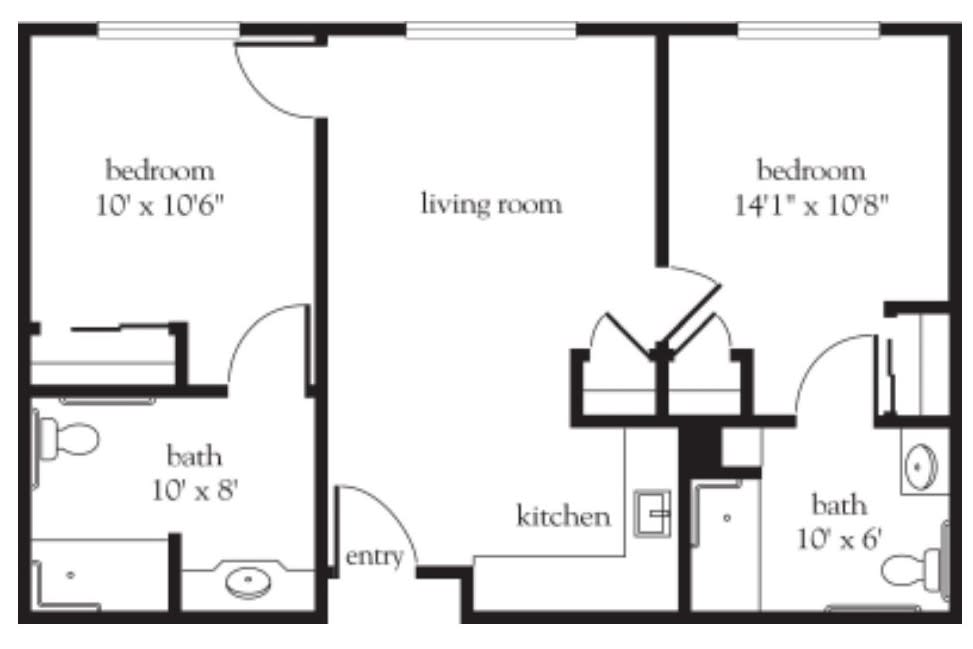
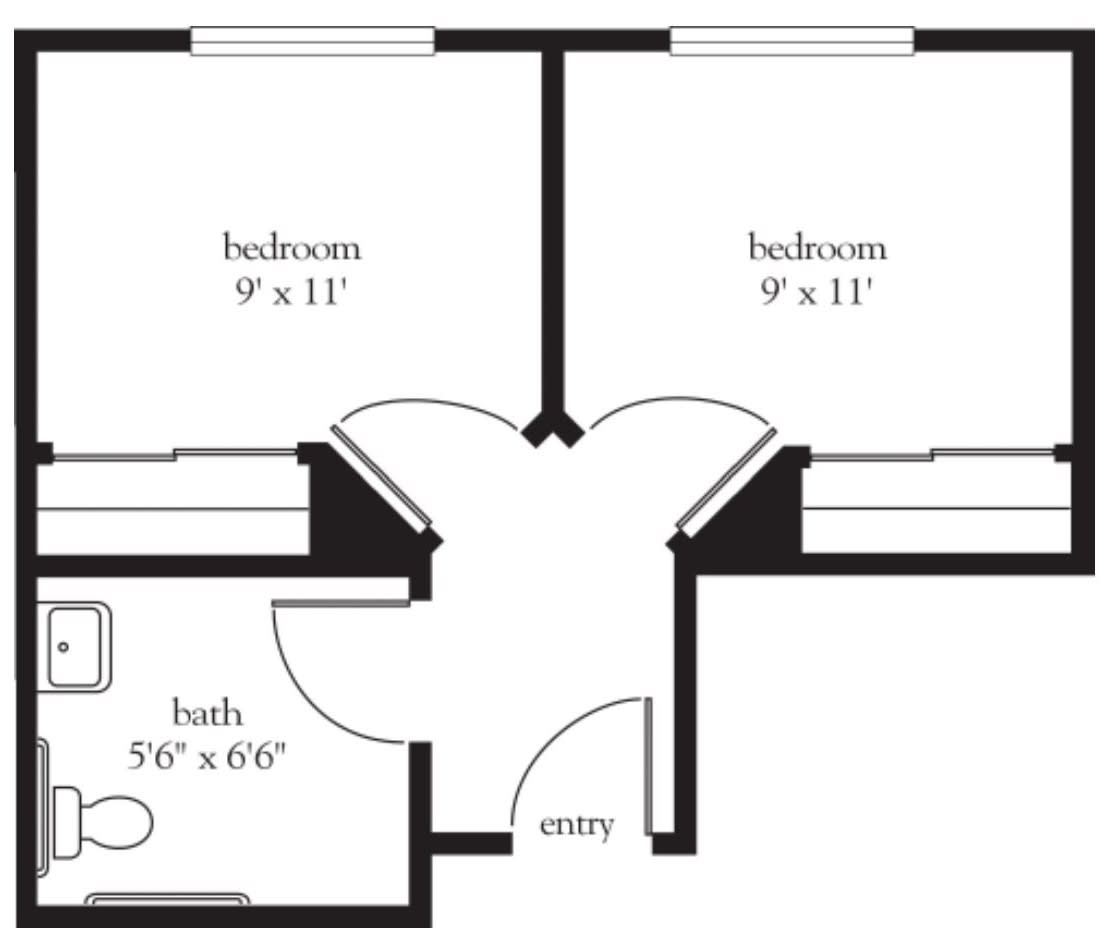
Atria Santa Clarita offers a range of living options with pricing that reflects the quality and amenities provided. For those considering a semi-private room, the monthly cost is $3,895, which is notably higher than both the county average of $3,349 and the state average of $3,333. In terms of studio apartments, Atria's price is set at $4,595, slightly above Los Angeles County's $4,172 and California's overall median of $4,145. Those seeking more spacious accommodations will find that 1-bedroom units at Atria are priced at $5,195, surpassing both the county ($4,603) and statewide averages ($4,340). Lastly, the 2-bedroom option stands at $6,495 - this too exceeds the costs of nearby Los Angeles County ($6,164) and California as a whole ($5,270). Overall, Atria Santa Clarita's pricing reflects its commitment to delivering exceptional care and community living experiences in a competitive market.
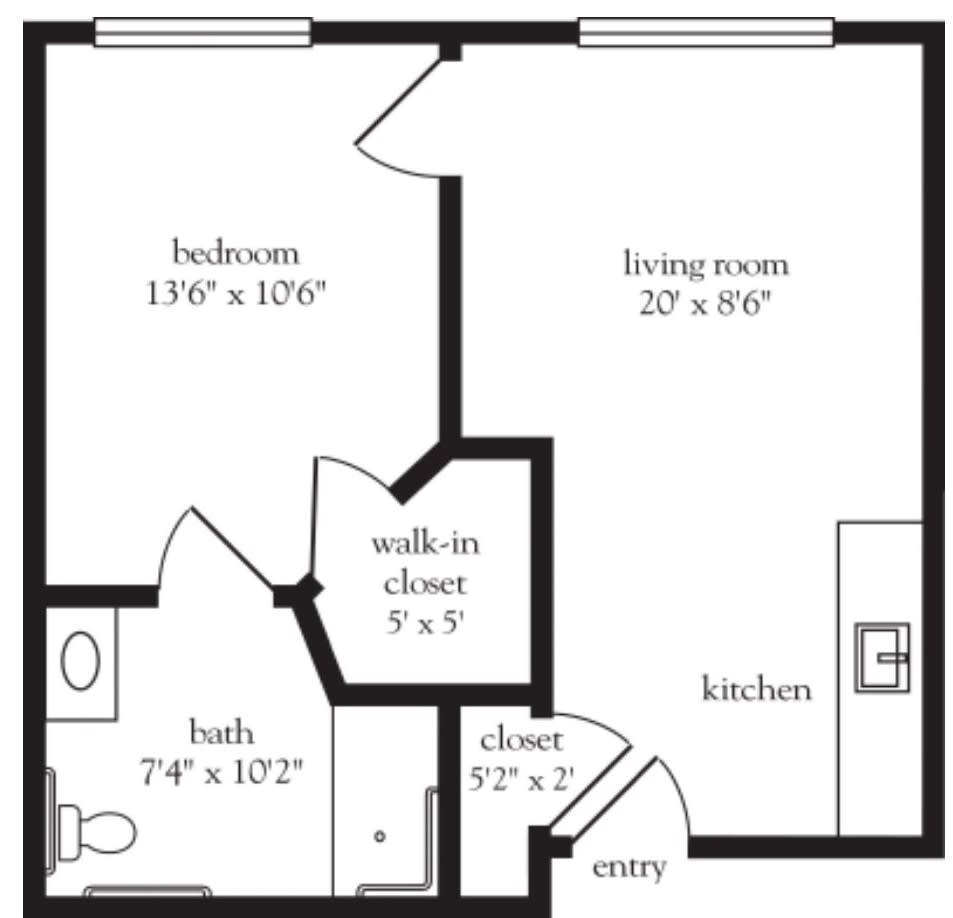
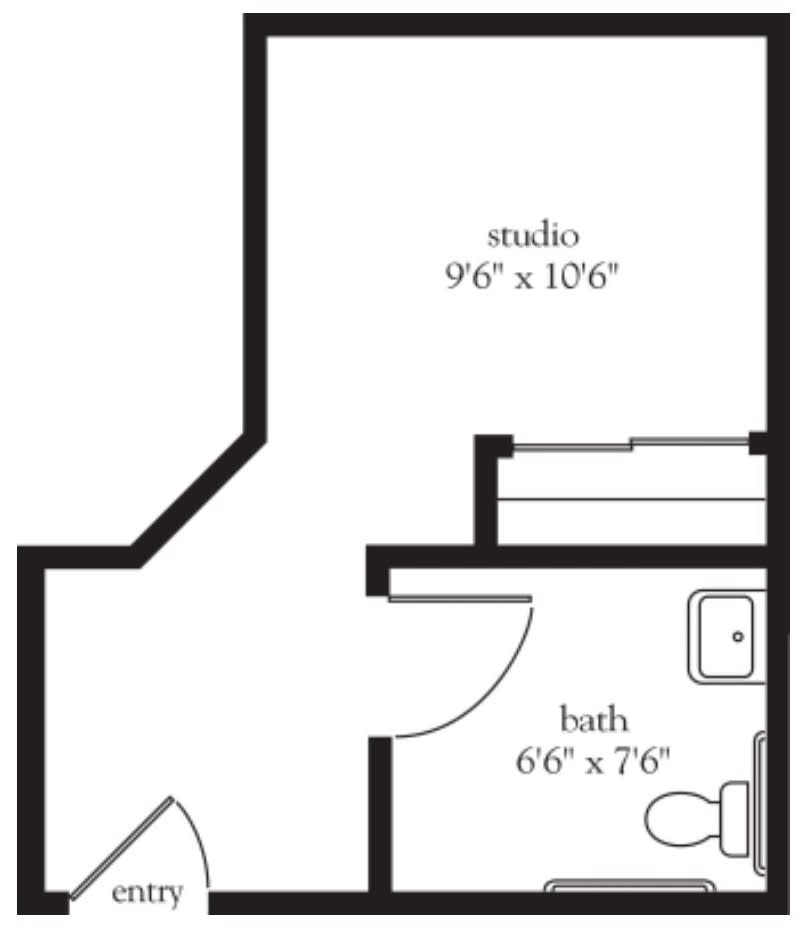
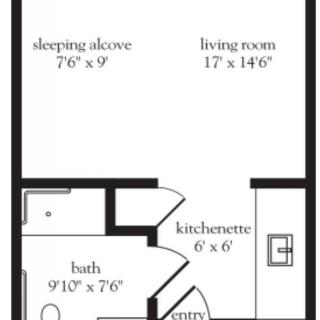
Floor plans
Atria Santa Clarita
Los Angeles County
California
Semi-Private
$3,895
$3,349
$3,333
Studio
$4,595
$4,172
$4,145
1 Bedroom
$5,195
$4,603
$4,340
2 Bedrooms
$6,495
$6,164
$5,270
Memory care communities with a similar price nearby
Residents and families repeatedly describe staff who are caring and responsive to needs.
Many reviews focus on staff attentiveness, with residents and families saying caregivers, med techs, and other team members are kind, helpful, and present when support is needed. Several memory-care reviews call out attentive communication—such as answering calls, keeping families updated, and responding to questions. A few reviews also mention leadership responsiveness in day-to-day problem solving, including timely answers to concerns.
differentiator14 reviews mention this
Medication oversight and updates
Medication support and health check-ins are a frequent point of praise in reviews.
Residents’ families describe medication management that includes scheduled support and clear updates about health and care changes. In memory care specifically, reviewers mention being kept informed after falls or when medical attention is needed, along with caregivers coordinating around health needs. Several reviews also describe staff helping with day-to-day coordination during transitions, such as moving out for additional support and preparing residents when leaving and returning.
common16 reviews mention this
Dining is a regular highlight
Food quality and dining experience come up often in resident and family feedback.
Dining is frequently mentioned as a positive, with reviews describing meals as good, enjoyable, and sometimes better than expected. Some reviewers specifically mention dining-room meals and attention to nutrition, while others describe food options or delivery-style alternatives when someone is ill or unable to get to the dining area. A smaller number note the food could be better, but overall dining tends to be described as a strength.
common22 reviews mention this
Activities keep residents engaged
Residents commonly describe activities that help them stay engaged day to day.
A large share of reviews mention activities—ranging from group entertainment like music and karaoke to crafts and exercise classes—so residents have things to do and ways to socialize. Memory-care reviews also mention structured engagement that matches dementia needs, with residents participating in interactions and group moments that make them feel comfortable. Even when reviews praise overall life there, they often still connect happiness with being involved in ongoing activities and events.
caveat6 reviews mention this
Memory care leadership is mixed
Some reviews raise serious concerns about memory-care oversight and condition.
While many memory-care reviews are positive, multiple negative reviews describe problems related to memory-care leadership and the environment during visits. Concerns include strong unpleasant odors, cleanliness issues, and perceptions of understaffing or insufficient support on the memory-care side. One reviewer also describes lack of attentiveness to residents’ basic needs and communication during a family member’s time there.
caveat11 reviews mention this
High cost is a recurring concern
Multiple reviews flag pricing as expensive and sometimes hard on budgets.
Several reviews call out cost as a drawback, including comments that it feels pricey for the level of care or that it may not fit certain budgets. Others mention rent increases and affordability pressure for fixed incomes. Pricing is also reflected in the listing’s unit ranges, which show studio and assisted-living pricing positioned above county and state benchmarks in several unit types.
How we summarize
Counts show how many written reviews mention each theme; a review can touch several themes, and only frequently mentioned themes are displayed.
Features
Housing
160 resident community capacity
1-bedroom apartments
2-bedroom apartments
Studio apartments
Types of Care
Assisted Living
Memory Care
Pets
Cats allowed
Dogs allowed
Amenities
Activities off-site
Activities on-site
Air-conditioning
Beautician on-site
Beauty salon
Cable or satellite TV
Computer center
Devotional services off-site
Devotional services on-site
Dining room
Fitness room
Full kitchen
Fully furnished
Gaming room
Garden
Ground floor units
Guasts at mealtime
Guest parking
Housekeeping services
Indoor common areas
Kitchenette
Laundry
Move-in coordination
Outdoor common areas
Outdoor space
Party space
Pet friendly
Private bathrooms
Resident parking
Respite or short term stays offered
Restaurant-style dining
Small library
Telephone
VA Benefits Consultation
Wellness center
Wheelchair accessible showers
Wi-Fi/high-speed internet available
Transportation
Burbank-Glendale-Pasadena (17 miles away)
Community operated transportation
Transportation & parking
Transportation arrangement
Transportation arrangement (non-medical)
Care Services
12-16 hour nursing
24-hour call system
24-hour supervision
Activities of daily living assistance
Ambulatory care
Assistance with bathing
Assistance with dressing
Assistance with transfers
Coordination with health care providers
Dementia waiver
Diabetes diet
Hospice waiver
Incontinence care
Meal preparation and service
Medication management
Mental wellness program
Mild cognitive impairment
Physical therapy
Special dietary restrictions
Specialized memory care programming
Transportation arrangement (medical)
Transportation to doctors appointments
Walking wheelchair assistance
Dining
Anytime dining
Diabetes diet
Gluten-free
Guest meals
International cuisine
Low / no sodium
Meals provided
No Sugar
Professional chef
Restaurant style dining
Room service
Special dietary restrictions
Vegan
Vegetarian
Activities
Activities off-site
Art classes
Catholic services
Community-sponsored activities
Concierge services
Cooking classes
Devotional activities offsite
Devotional activities on-site
Educational speakers / life long learning
Fitness programs
Jewish services
Mormon/LDS services
Other religious services
Planned day trips
Protestant services
Religious services
Resident-run activities
Scheduled daily activities
Visiting Rabbi
Visiting chaplain or priest
Languages Spoken
English
Nearby Places of Interest
The neighborhood of Santa Clarita, California, offers a convenient location with various amenities for senior living. There are several fast food restaurants nearby such as In-N-Out Burger and McDonald's, as well as cafes like Starbucks for quick bites or casual dining. Pharmacies like Walgreens and CVS are easily accessible for medical needs, while physicians' offices and medical centers are within a few miles for healthcare services. Several parks provide opportunities for outdoor activities and relaxation, and nearby hospitals like Henry Mayo offer quality healthcare facilities. Additionally, places of worship such as Real Life Church cater to spiritual needs in the community. Overall, this part of Santa Clarita provides a mix of convenience and comfort suitable for seniors looking to settle in the area.
Restaurants
In-N-Out Burger (0.2 miles)
McDonald's (0.3 miles)
Taco Bell (0.4 miles)
Del Taco (0.6 miles)
The Habit Burger Grill (1.9 miles)
Eighth & Rail (1.9 miles)
Islands Restaurant Santa Clarita (2.4 miles)
Cafes
Starbucks (1 miles)
Starbucks (1.1 miles)
Honu Coffee (1.8 miles)
Starbucks (2.3 miles)
Corner Bakery Cafe (2.3 miles)
Lazy Dog Cafe (2.6 miles)
Starbucks (4.3 miles)
Pharmacies
Walgreens (1.2 miles)
CVS Pharmacy (1.8 miles)
Kaiser Permanete Pharmacy (2.7 miles)
Target Pharmacy (2.9 miles)
Walgreens (3.6 miles)
Cardinal Health (4 miles)
Rite Aid (4.6 miles)
Physicians
Dermatology Surgical-Medical Clinics Santa Clarita Valley (1.3 miles)
Geoffrey Dr - Geoffrey Lloyd Lloyd DO (2.3 miles)
Santa Clarita Valley Medical Plaza (2.3 miles)
Audiology Associates (2.4 miles)
Valencia Center for Women's Health (2.5 miles)
EYEXAM of California (2.5 miles)
Valencia Town Center Eyexam of CA (2.5 miles)
Parks
Valencia Glen Park (1.3 miles)
O'Melveny Park (5.8 miles)
Holleigh Bernson Memorial Park (6 miles)
Chatsworth Park North (8.6 miles)
Hospitals
Henry Mayo Neonatal Intensive Care Unit (1.4 miles)
Wespark Non-Profit Cancer Support Center (3.8 miles)
Atria Santa Clarita offers a range of living options with pricing that reflects the quality and amenities provided. For those considering a semi-private room, the monthly cost is $3,895, which is notably higher than both the county average of $3,349 and the state average of $3,333. In terms of studio apartments, Atria's price is set at $4,595, slightly above Los Angeles County's $4,172 and California's overall median of $4,145. Those seeking more spacious accommodations will find that 1-bedroom units at Atria are priced at $5,195, surpassing both the county ($4,603) and statewide averages ($4,340). Lastly, the 2-bedroom option stands at $6,495 - this too exceeds the costs of nearby Los Angeles County ($6,164) and California as a whole ($5,270). Overall, Atria Santa Clarita's pricing reflects its commitment to delivering exceptional care and community living experiences in a competitive market.
Atria Santa Clarita offers a comprehensive range of features designed to support residents with dementia or Alzheimer's, enhancing their quality of life and ensuring their safety. The 24-hour supervision provides constant monitoring to prevent wandering and ensure immediate assistance when needed. Activities of daily living assistance, including help with bathing, dressing, and transfers, fosters independence while addressing the specific needs of each individual. Coordination with healthcare providers ensures that medical concerns are managed effectively, complemented by incontinence care for dignity and comfort. Meal preparation and service cater to dietary needs, while medication management guarantees proper adherence to prescribed routines. The mental wellness program and specialized memory care programming engage residents cognitively and socially, promoting mental stimulation. Physical therapy contributes to overall mobility and health maintenance, while transportation arrangements facilitate access to necessary medical appointments. Altogether, these features create a supportive environment that acknowledges the unique challenges of dementia care.
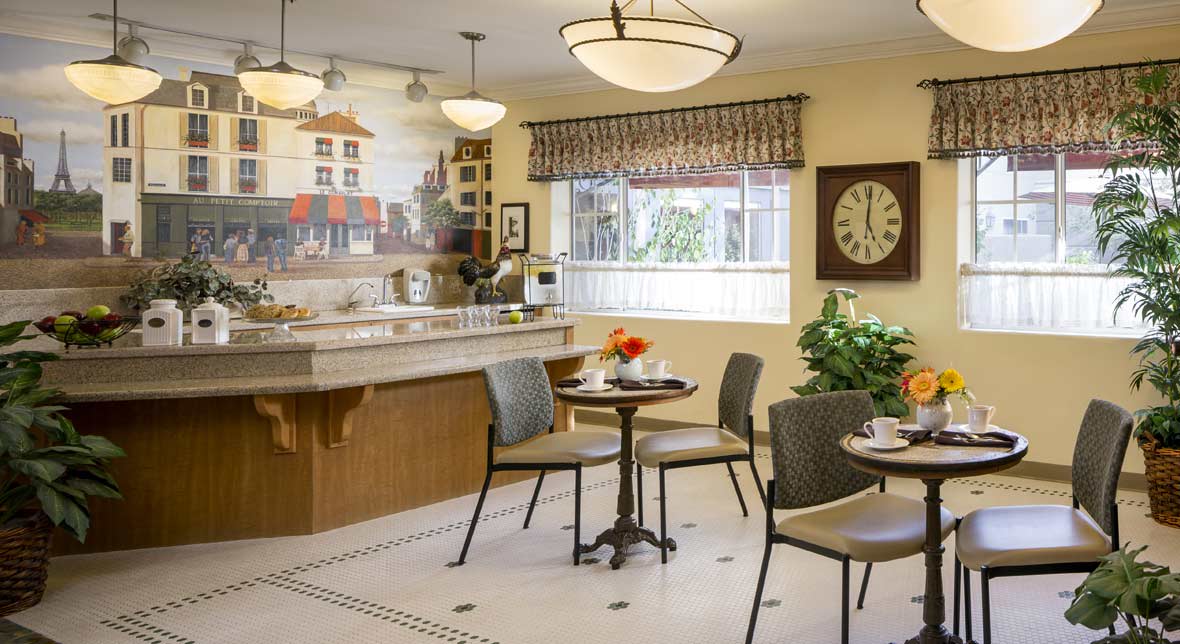
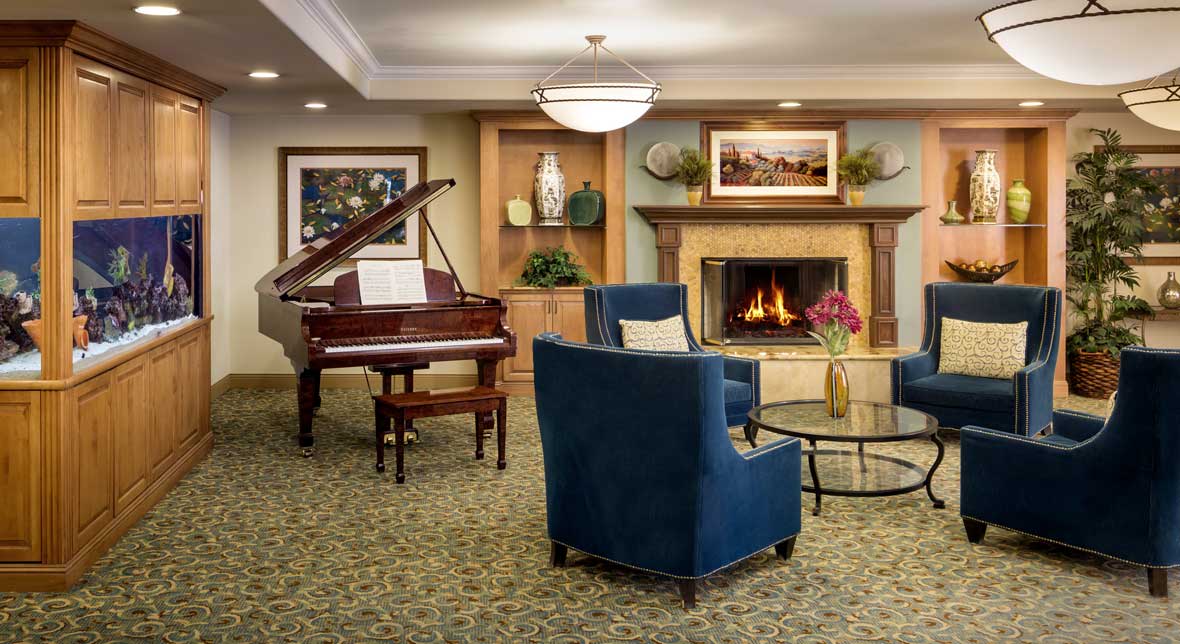
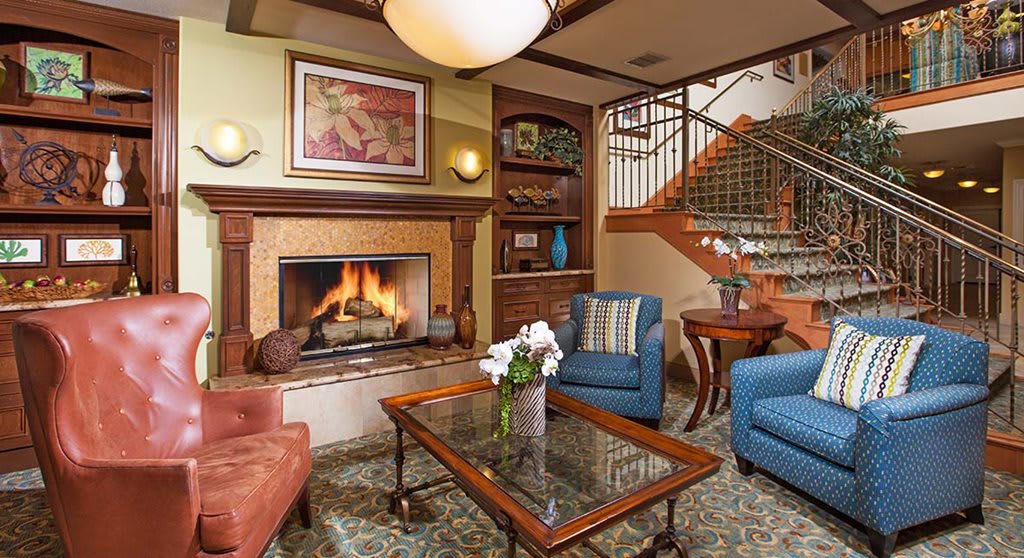
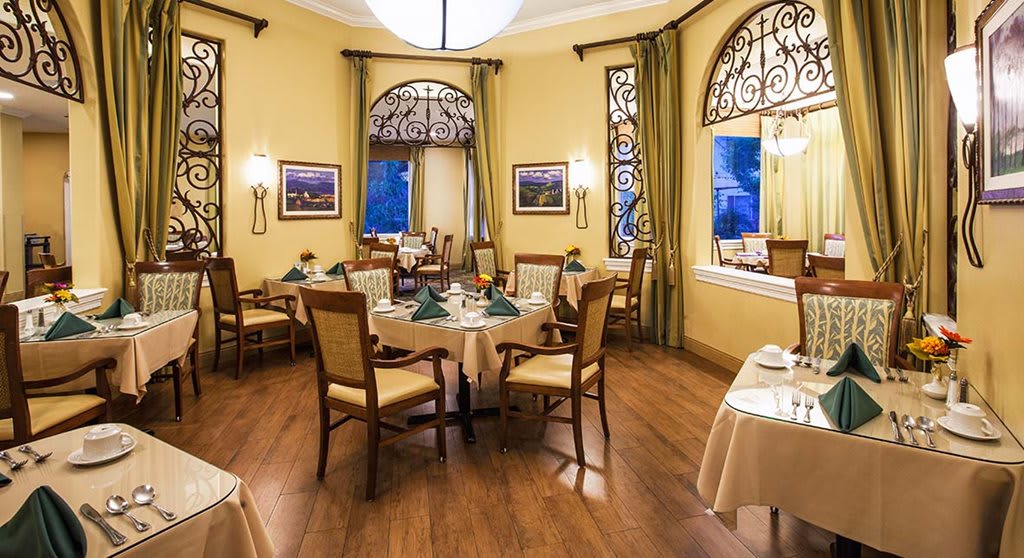
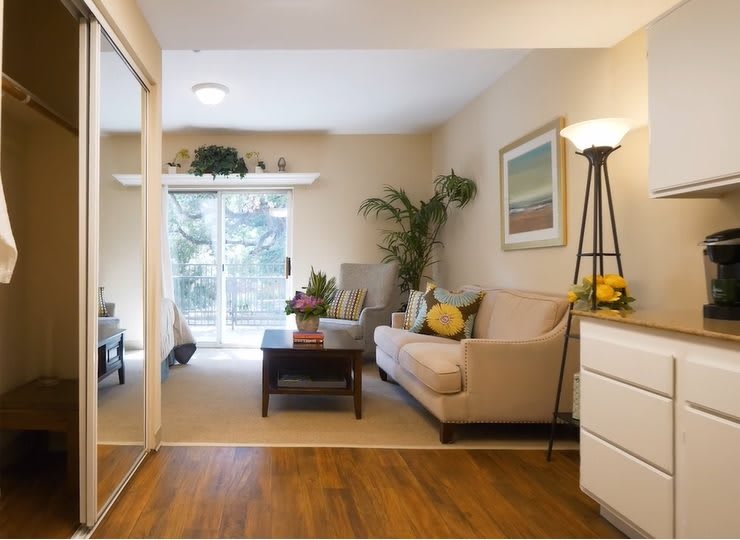
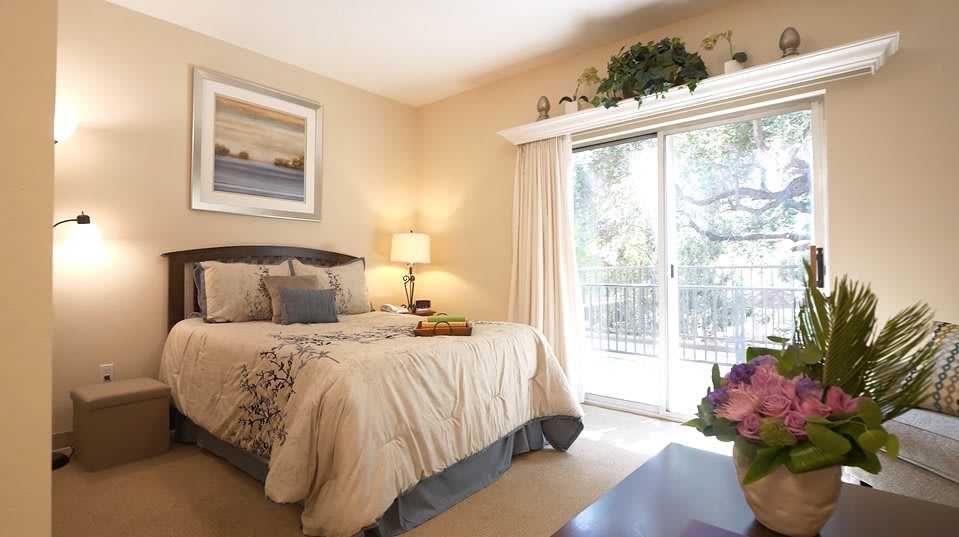
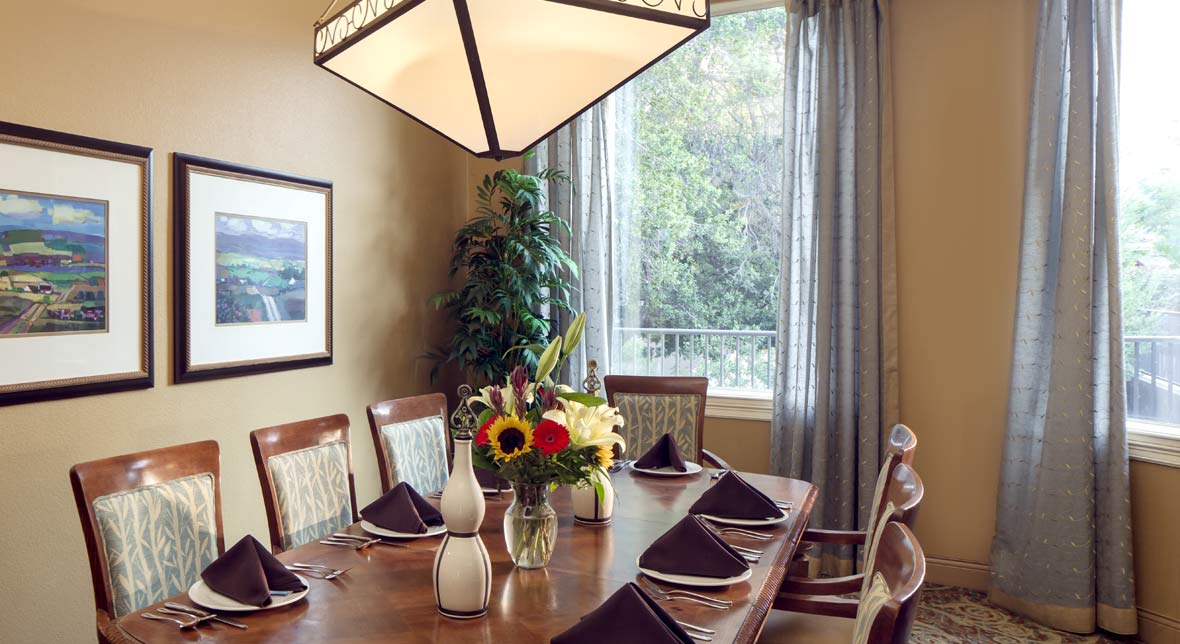
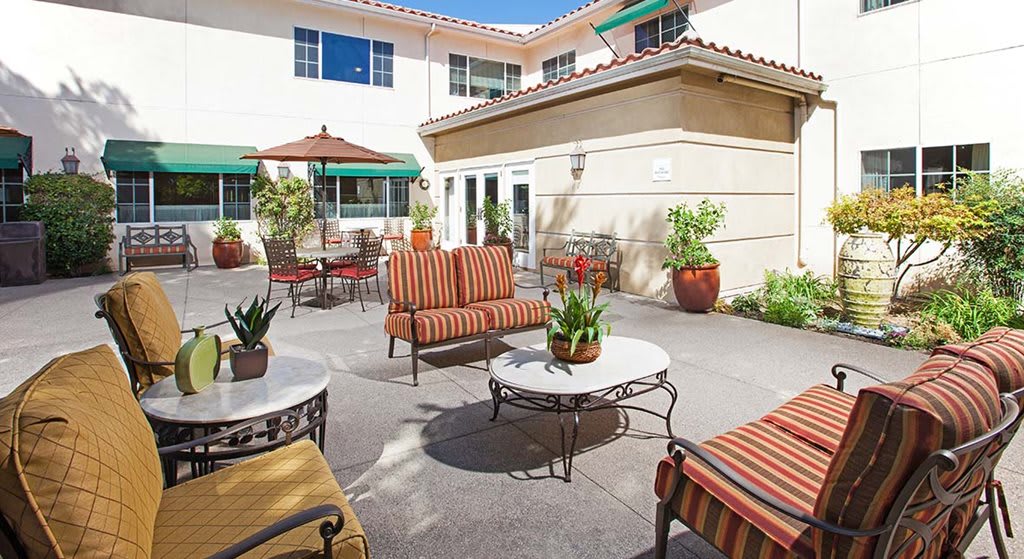
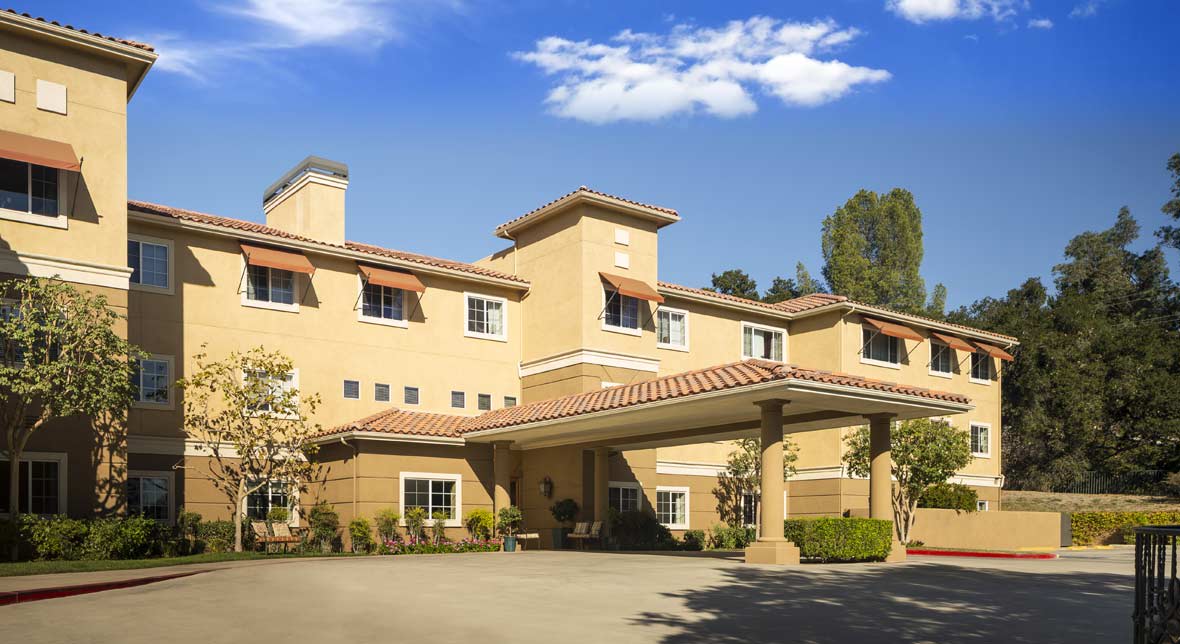
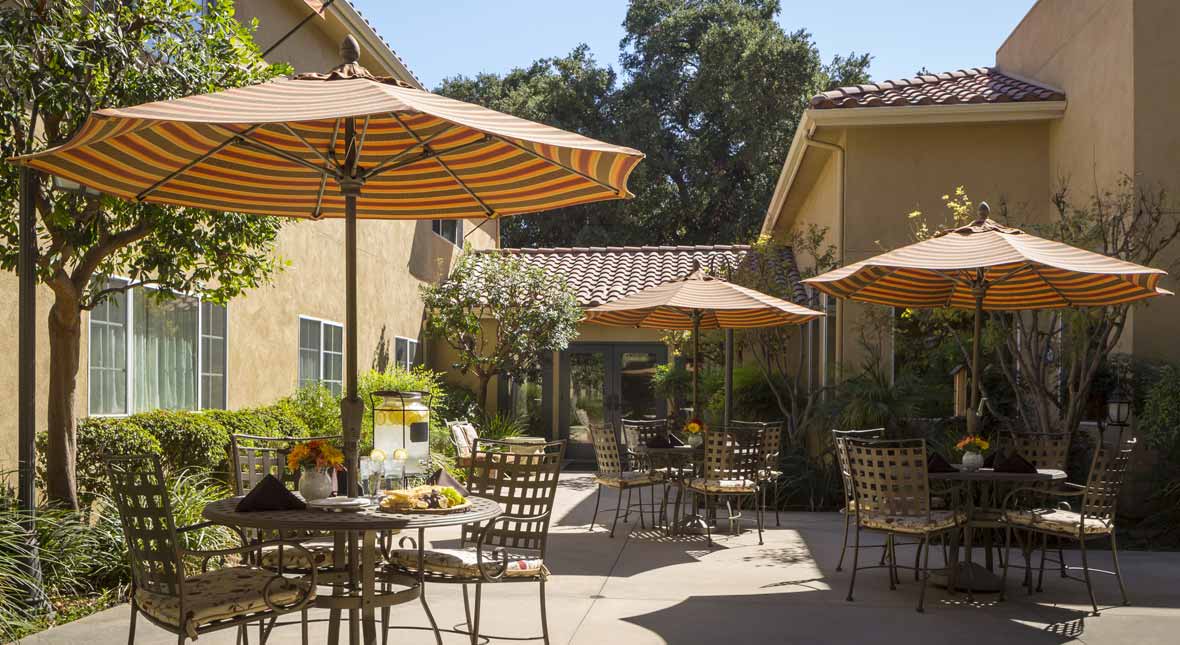
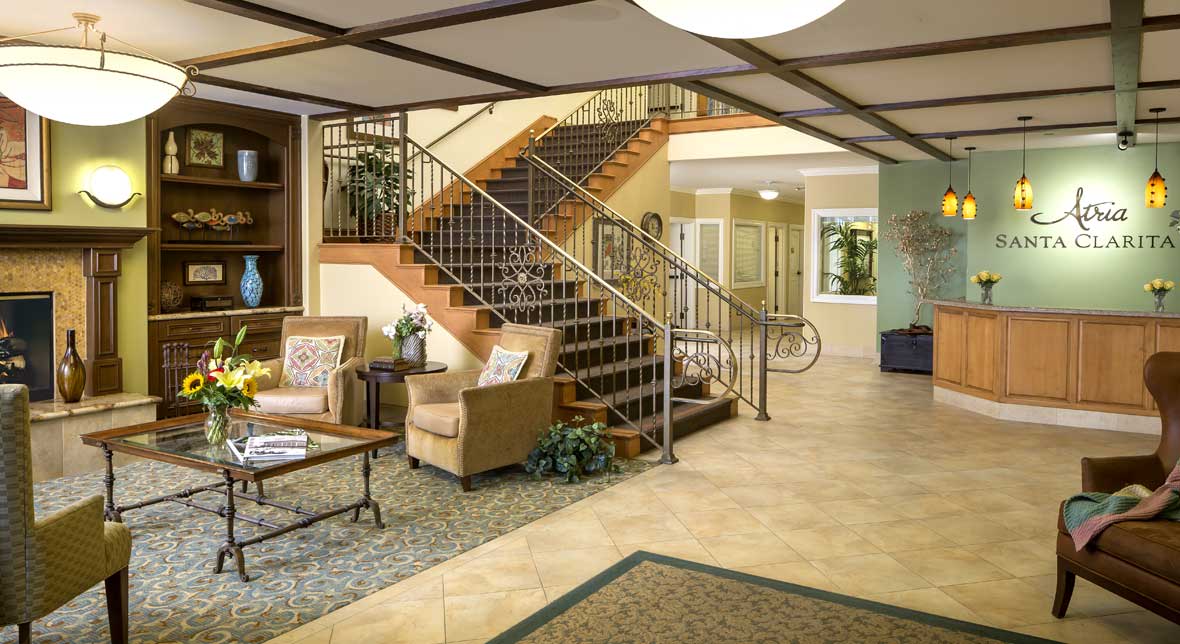
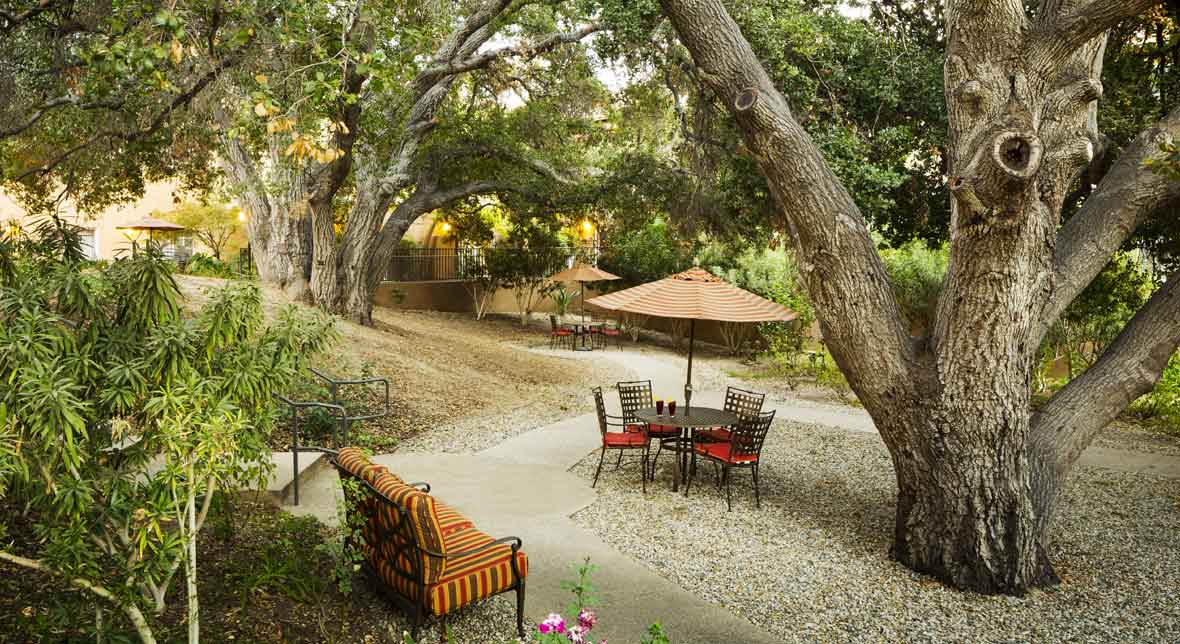
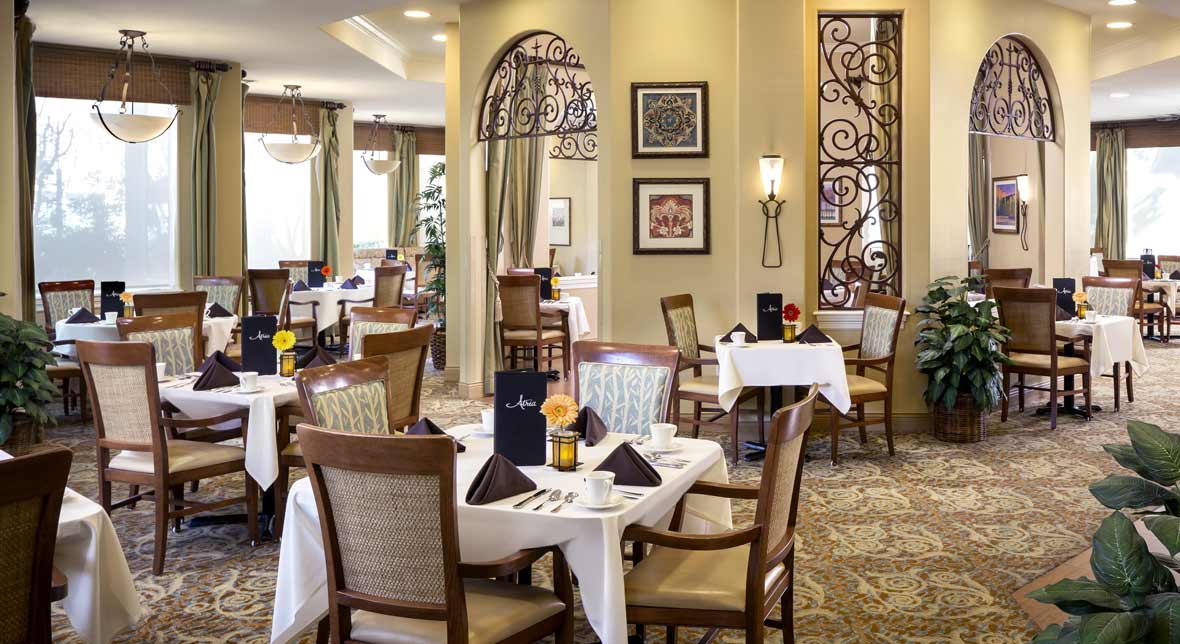
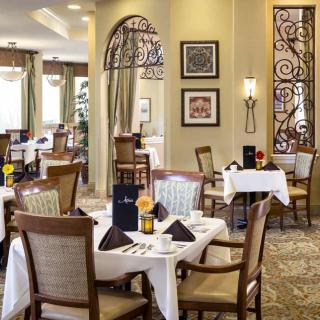
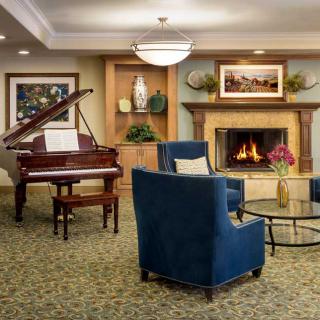
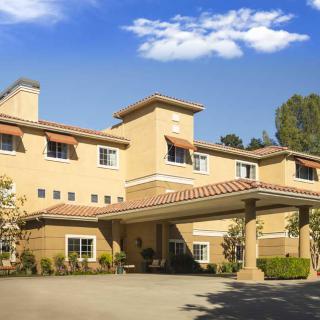
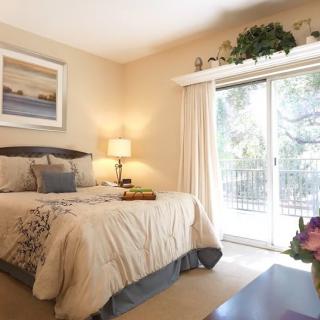
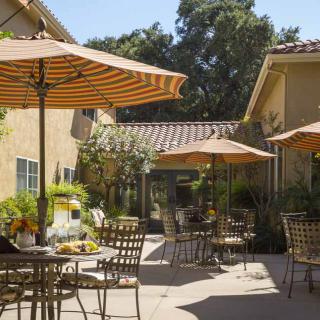
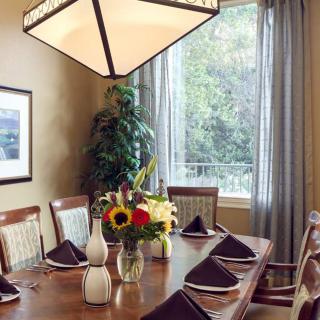
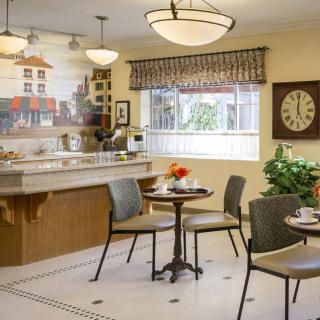
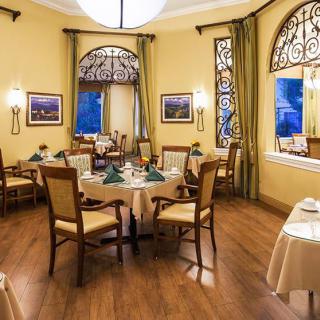
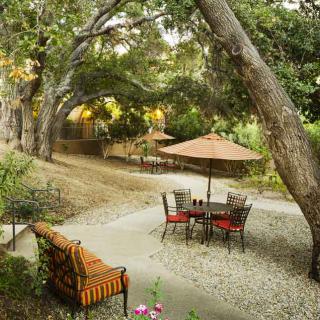
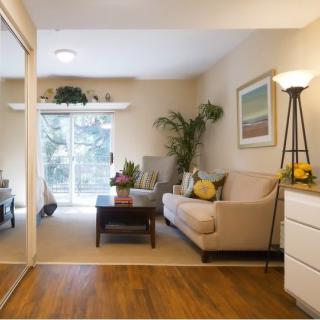
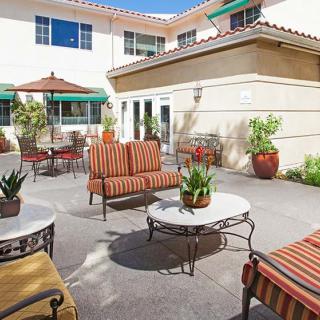
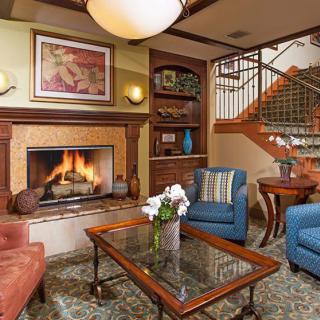
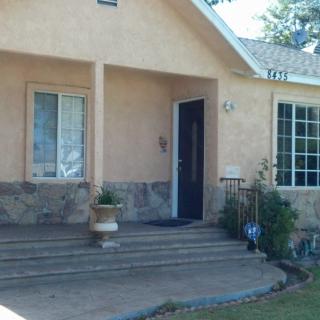
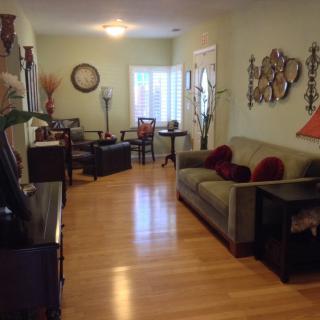
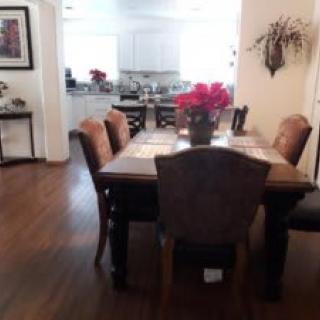
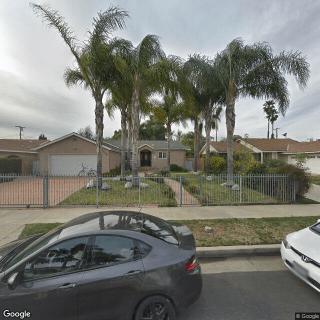
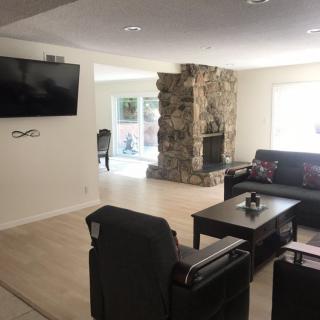
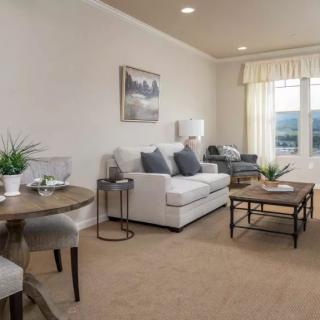
Atria Santa Clarita on seniors.fyi includes 20 photos including images showing floor plan, interior, decor, dining, bedroom, architecture, living room, seating area, and more.
Nearby Communities
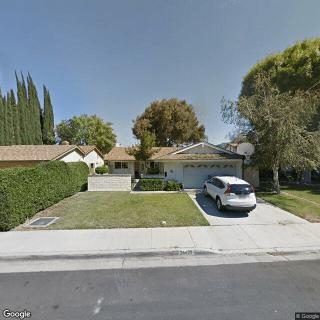
Pacifica Senior Living Santa Clarita
Newhall, CA
4.5 from 113 reviews
$3,350 to $4,595 / month
Friendly staff, engaging activities, and updated private rooms with good amenities.
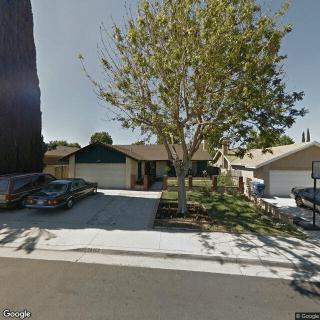
Tracy's Home #2
Newhall, CA
$2,300 to $3,699 / month
Memory care-focused facility with below-average pricing for most room types compared to LA County and California, plus on-site/off-site activities and kosher/vegetarian dining.
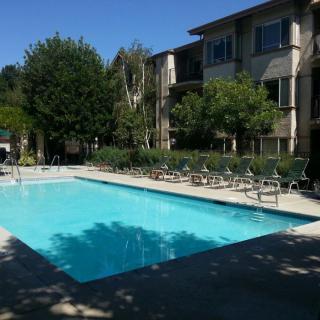
Tracy's Home #3
Newhall, CA
4 from 4 reviews
$2,000 to $3,000 / month
Positive care quality and peace of mind for families.
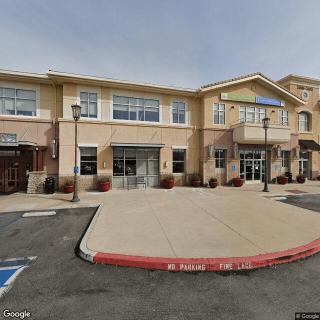
Golden Heart Villa
Newhall, CA
5 from 1 review
Fully furnished assisted living with 24/7 supervision, ADL support, medication management, and diabetes-friendly dining with garden space.
Mary Jane's Home 4
Newhall, CA
Comprehensive care with 24-hour supervision, ADL assistance, diabetes-friendly meals, and healthcare coordination.
Mary Jane's Home
Newhall, CA
3.3 from 4 reviews
$3,000 to $3,500 / month
Caring, family-like staff with strong memory care focus
Valley Oaks Village
Santa Clarita, CA
4.1 from 78 reviews
$1,120 to $1,550 / month
Affordable pricing with on-site amenities and activities.
Visiting Angels of Valencia
Valencia, CA
4.6 from 14 reviews
Friendly, reliable caregivers and clean, high-quality care.
Oakmont of Santa Clarita
Valencia, CA
4.5 from 74 reviews
$4,695 to $9,195 / month
Clean, upscale setting with attentive staff and varied activities.
The guide on holistic dementia care outlines the complexity of dementia and stresses the need for individualized caregiver strategies that include medical treatment, psychological support, and environmental adaptations, while emphasizing early detection, various therapeutic options, and caregiver support to enhance quality of life and maintain dignity.
"Memory Care Pathways: A Holistic Guide to Dementia Support" outlines the complexities of dementia and its various types, emphasizing early detection, patient-centered care strategies, caregiver support, and long-term care options while addressing legal and financial considerations to enhance the quality of life for individuals with dementia and their families.
Sundown syndrome, or sundowning, is a phenomenon in dementia patients characterized by increased confusion and agitation during late afternoon and evening, influenced by factors like disrupted circadian rhythms and fatigue. Effective caregiver strategies include establishing routines and managing environmental light while addressing caregiver stress through support services.
Get PricingAsk A QuestionSchedule A TourContact Senior Advisor
By clicking submit, you agree to our Partner's Terms of Use. You
also consent to receive calls and texts, which may be autodialed, from our Partner. Your consent is not a condition to
using our Partner's service. Please visit our Partner's Privacy Policy for information about their privacy practices.

 160 resident community capacity
 1-bedroom apartments
 Assisted Living
 Memory Care
 Cats allowed
 Dogs allowed
 Activities off-site
 Air-conditioning
 Beautician on-site
 Cable or satellite TV
 Computer center
 Devotional services off-site
 Dining room
 Fitness room
 Full kitchen
 Fully furnished
 Gaming room
 Garden
 Ground floor units
 Guest parking
 Housekeeping services
 Indoor common areas
 Laundry
 Move-in coordination
 Outdoor common areas
 Party space
 Pet friendly
 Private bathrooms
 Respite or short term stays offered
 Restaurant-style dining
 Small library
 Telephone
 VA Benefits Consultation
 Wellness center
 Wheelchair accessible showers
 Wi-Fi/high-speed internet available
 Burbank-Glendale-Pasadena (17 miles away)
 Community operated transportation
 12-16 hour nursing
 24-hour call system
 Ambulatory care
 Assistance with bathing
 Assistance with dressing
 Assistance with transfers
 Diabetes diet
 Hospice waiver
 Incontinence care
 Medication management
 Mental wellness program
 Physical therapy
 Special dietary restrictions
 Transportation arrangement (medical)
 Walking wheelchair assistance
 Art classes
 Catholic services
 Concierge services
 Cooking classes
 Educational speakers / life long learning
 Jewish services
 Planned day trips
 English
 Friendly staff, engaging activities, and updated private rooms with good amenities.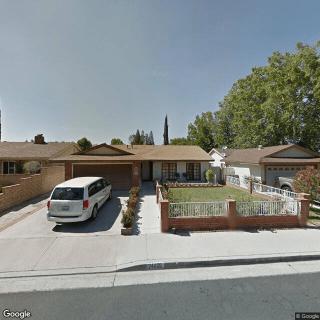

 A Holistic Dementia Care Guide: Effective Strategies for Memory Support
 Memory Care Pathways: A Holistic Guide to Dementia Support
 Comprehending Evening Confusion in Dementia: Causes, Manifestations, and Support