
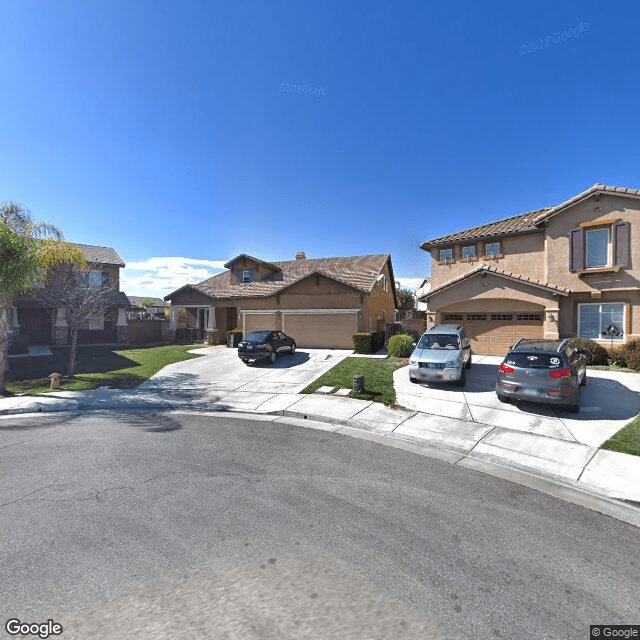
37189 Stoyview Dr., Murrieta, CA 92563
To contact a resident: (949) 257-8449
For more information about senior living options: (866) 208-4318
Elderly Care Stoyview Costs & Pricing
Elderly Care Stoyview provides competitive pricing for its services compared to the broader market in Riverside County and California. For a private room, Stoyview charges $3,000 per month, which is notably lower than the county average of $3,474 and significantly below the California state average of $3,939. The facility offers studio accommodations at a monthly cost of $4,000, aligning closely with Riverside's average of $3,559 but still slightly below the state's higher rate of $4,145. Similarly, their one-bedroom option is priced at $4,000, again reflecting favorable positioning against both Riverside County's average ($3,611) and California's overall rate ($4,340). This pricing strategy not only makes Elderly Care Stoyview an appealing choice for families seeking quality care for their loved ones but also underscores their commitment to providing affordable options within the community.
| Floor plans | Elderly Care Stoyview | Riverside County | California |
|---|---|---|---|
| Private | $3,000 | $3,474 | $3,939 |
| Studio | $4,000 | $3,559 | $4,145 |
| 1 Bedroom | $4,000 | $3,611 | $4,340 |
Memory care communities with a similar price nearby
-
from -$200 / mo
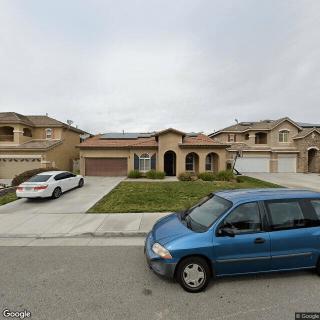
Pebble Brook Senior Home Care
$2,800 to $4,000 / month6.8 miles away -
from +$500 / mo
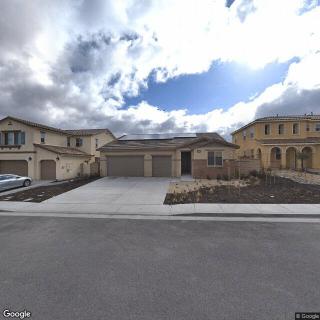
Kun Bai Care
$3,500 to $4,500 / month11.3 miles away -
from +$250 / mo
Mountain View Manor
$3,250 / month23.5 miles away -
from +$295 / mo
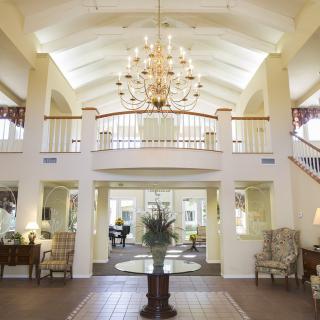
Silvergate Retirement Residence - Fallbrook
$3,295 to $7,595 / month16.1 miles away -
from +$195 / mo
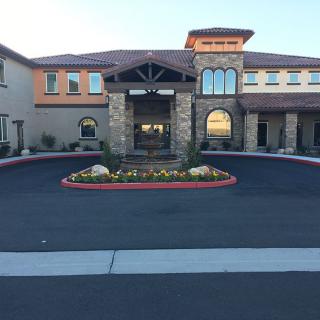
Vineyard Ranch at Temecula
$3,195 to $5,295 / month3.5 miles away
Overall Review of Elderly Care Stoyview
Cons
 The staff are not registered nurses and do not care for the patients.
- The reviewer does not recommend the place.
- The reviewer reports that their mother is in the cemetery.
Review
This community is best viewed as a poor fit for seniors who require consistent, licensed medical oversight and responsive, attentive care. The limited public feedback points to staffing and care quality issues rather than meaningful clinical strengths. In practical terms, this means the property may only be suitable for families who can provide external monitoring and who are willing to accept non-medical assistance with the understanding that medical supervision and accountability may be inconsistent.
Those who should consider alternatives are families prioritizing licensed nursing presence, rigorous care plans, and transparent staffing credentials. If regular RN coverage, timely responses to medical needs, medication management, and proactive safety protocols are non-negotiables, this option should be crossed off the list. Prospective residents and their families should demand verifiable evidence of licensure, on-site nursing staff availability, and a track record of incident reporting before any commitment. In short, avoid if nursing oversight is a deciding factor.
From the available impressions, there are virtually no clearly articulated strengths to offset the most troubling concerns. A lone five-star rating exists, but without substantive, corroborated detail, it does not establish a credible advantage. The dominant narrative in the feedback highlights severe doubts about staffing qualifications and the level of care, raising questions that cannot be responsibly dismissed. In decision-making terms, the absence of reliable positives makes the risk profile far harder to justify for families seeking dependable daily support and safety.
The operational red flags center on staffing and care quality. Allegations that caregivers are not registered nurses, coupled with claims of indifference toward residents’ needs, point to potential gaps in medical oversight, supervision, and accountability. While one cannot certify the veracity of every claim from a small pair of reviews, the seriousness of the language used demands rigorous verification. Prospective families should scrutinize every facet of daily operations: whether licensed personnel are on site, what the nursing schedule looks like, how emergency situations are managed, and how frequently care plans are updated and reviewed.
Practical next steps are essential. Schedule a thorough tour and insist on candid conversations with the administrator about staffing ratios, RN on-site hours, and the process for incident reporting. Request copies of current licensure, facility inspection reports, and staff credentials. Seek detailed explanations of medication management, fall prevention, and coordination with external healthcare providers. Speak with current residents or families privately to gauge responsiveness, communication, and overall satisfaction. Build a comparison sheet against other communities that clearly demonstrate licensed nursing coverage, transparent staffing data, and positive, substantiated outcomes.
In conclusion, this community does not present as a reliable option for families needing consistent, medically supervised care. The calciumid concerns raised in the reviews suggest a mismatch with expectations for safety, accountability, and quality of life. Alternatives with demonstrable RN presence, stronger staffing controls, and better documented patient welfare should be pursued aggressively. If exploration continues here, it must be anchored in rigorous due diligence, written guarantees, and explicit exit provisions to protect residents from potential lapses in care.
 Board and Care Home
 Memory Care
 Activities on-site
 Devotional services off-site
 Indoor common areas
 Private
 Ambulatory care
 Diabetic care
 Meals provided
 Small, home-like setting with 24/7 staff, personalized ADL support, and diabetes-friendly meals.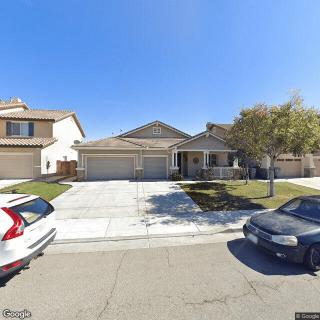

 An In-Depth Look at Reminiscence Therapy in Dementia Care
 Dementia-Related Hallucinations: Causes, Experiences, and Practical Approaches
 Illuminating Insights About Alzheimer's Disease: Ten Crucial Realities