
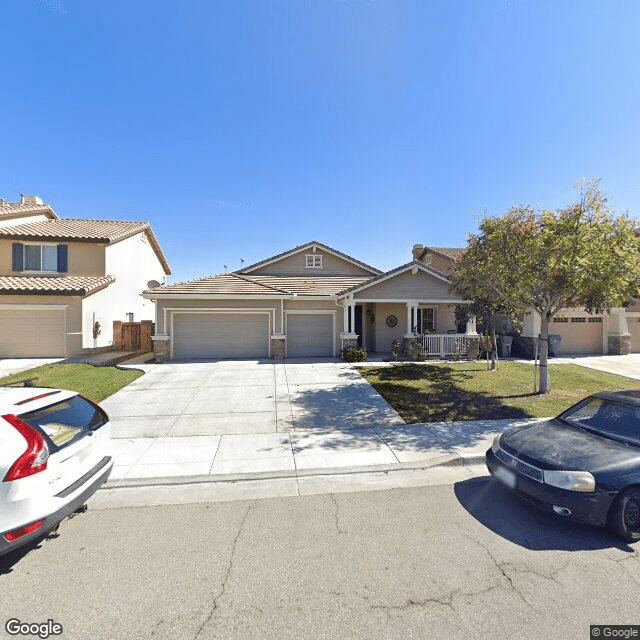
37212 Edgemont Dr., Murrieta, CA 92563
To contact a resident: (951) 696-2245
For more information about senior living options: (866) 208-4318
Elderly Care Family Partners Costs & Pricing
Elderly Care Family Partners offers competitive pricing for its services compared to both Riverside County and the broader state of California. For a semi-private room, the cost at Elderly Care Family Partners is $3,000 per month, which is slightly higher than the county average of $2,844 but more affordable than the state average of $3,333. When considering private rooms, the monthly fee stands at $3,500 - again positioned favorably as it is lower than California's statewide average of $3,939 while being comparable to Riverside County's rate of $3,474. This pricing structure reflects not only a commitment to affordability but also a dedication to providing quality care in a supportive environment tailored for elderly residents.
| Floor plans | Elderly Care Family Partners | Riverside County | California |
|---|---|---|---|
| Semi-Private | $3,000 | $2,844 | $3,333 |
| Private | $3,500 | $3,474 | $3,939 |
Senior living communities with a similar price nearby
-
from -$200 / mo
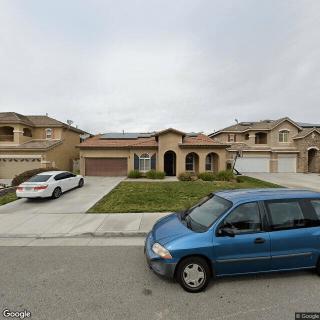
Pebble Brook Senior Home Care
$2,800 to $4,000 / month6.8 miles away -
from +$500 / mo
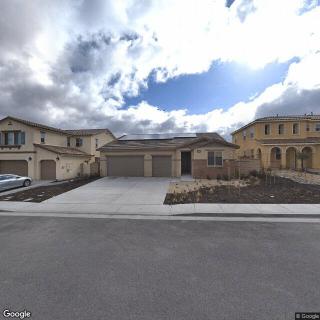
Kun Bai Care
$3,500 to $4,500 / month11.4 miles away -
from -$100 / mo
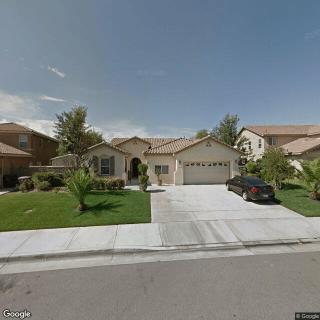
Agate Manor
$2,900 to $3,800 / month4.5 miles away -
from +$250 / mo
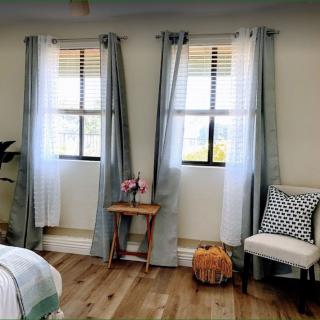
Mountain View Manor
$3,250 / month23.5 miles away -
from +$295 / mo
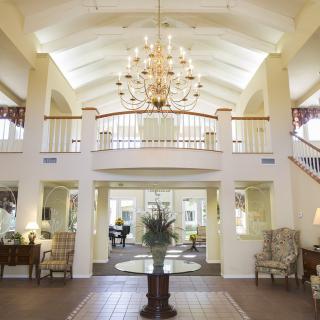
Silvergate Retirement Residence - Fallbrook
$3,295 to $7,595 / month16.1 miles away
Overall Review of Elderly Care Family Partners
Pros
 They are thrilled to have found this place for their mom.
- The home is beautiful, clean, and staffed by caring people who take good care of their mother.
- Evelyn and Bruce, the owners, are kind and truly care about the people in their charge.
- They receive regular calls when needed, and the door is always open for visits.
- They cannot say enough about this wonderful place.
- It is conveniently located closer to them and fulfills all their needs.
Cons
 They claimed the staff are not registered nurses and do not care for the patients.
- They warned others not to trust the facility.
- They reported that their mother died and is now in the cemetery.
Review
Elderly Care Family Partners in Murrieta is best suited for families seeking a small, home‑like setting where a hands‑on, family‑run approach drives daily care. The reviewers emphasize a clean, comfortable residence and an atmosphere that feels intimate rather than institutional. Proximity to loved ones is a key advantage, with one family noting the ability to stay involved easily and receive regular updates from the owners. For families wanting a place that feels less like a facility and more like a private home, backed by owners who are genuinely accessible and engaged, this community stands out.
Those who should consider alternatives are families whose loved one requires consistent licensed nursing oversight or more formal medical support. The negative feedback circulating in these reviews centers on questions about whether staff are registered nurses and about the depth of clinical care provided. While the two strongly negative Spanish posts reflect a dire warning, they map a real concern: when medical acuity is higher, or when ongoing clinical supervision is essential, a small, unlicensed home setting can fall short. This is not a universal condemnation, but it is a critical differentiator to weigh carefully.
The strongest positives, cleanliness, a welcoming home environment, and responsive, involved ownership, form the core offset to the potential drawbacks. The owners, Evelyn and Bruce, are repeatedly described as kind, truly caring, and available to family members. The open-door policy and the routine phone updates give families a sense of ongoing involvement and reassurance. For seniors who thrive in a domestic atmosphere and do not need complex clinical protocols day to day, these attributes can translate into meaningful quality of life, consistent with a sense of security and personal attention.
Yet the cons, particularly around nursing credentials and oversight, temper that enthusiasm. The core risk is clear: without on-site licensed nursing staff or dependable clinical oversight, tasks like medication management, wound care, and acute symptom monitoring may not be as robust as in larger, more clinically resourced communities. Families must weigh whether the level of day‑to‑day care and the specific medical supports their loved one requires can realistically be met in this setting. For residents with complex or escalating medical needs, the trade‑off may become unsustainable over time.
Practical decision steps help crystallize the choice. Prospective families should visit the home in person, meet Evelyn and Bruce, and request to speak with current residents or family members about caregiver consistency and responsiveness. Ask detailed questions about staffing: who administers medications, how often a nurse is on site, what the plan is for emergencies, and how care plans are developed and updated. Clarify pricing, what is included in the base rate, and what triggers additional charges. Seek written confirmations of licensing status and caregiver qualifications to ensure alignment with the loved one’s needs.
Bottom line: Elderly Care Family Partners delivers a compelling option for a local, intimate, and communicative living arrangement where the sense of community and personal attention can significantly reduce stress for families and provide comfort to seniors who do not require heavy clinical support. However, the presence of serious questions about nursing oversight makes it clear this is not the universal best choice. For residents who need ongoing licensed medical care, or for families prioritizing formal clinical oversight and a broader spectrum of medical services, exploring other assisted living options with on‑site nursing and clearer care protocols is strongly advised.
 Board and Care Home
 Activities off-site
 Air-conditioning
 Bath tubs
 Cable or satellite TV
 Devotional services off-site
 Indoor common areas
 Kitchenette
 Outdoor common areas
 Private
 Private bathrooms
 Respite or short term stays offered
 Wheelchair accessible showers
 Wi-Fi/high-speed internet available
 Diabetic care
 High acuity care
 Incontinence care
 Medication management
 Low / no sodium
 BBQs or picnics
 Birthday parties
 Cards / pinochle club
 Day trips and outings
 Resident band or musicians
 Visiting chaplain or priest
 Walking club
 Yoga / chair yoga
 California's Form 602A: An In-Depth Examination of Senior Care Assessment
 Comprehensive Look at Senior Blood Pressure Charts: Normal and Elevated Levels by Age
 Top Canine Companions for Older Adults