Overall Review of Lompoc Skilled Nursing & Rehabilitation Center
common
Staff friendliness and responsiveness
Staff friendliness and responsiveness are a consistent theme across reviews.
Many residents and families describe the staff as friendly, helpful, attentive, and professional, including nurses, therapy teams, and front-desk personnel. Several reviews mention staff answering questions, giving updates, and assisting with requests without feeling like they have to chase people down. A few negative reviews cite poor communication, insufficient oversight, or disrespectful interactions, but the overall set still repeatedly returns to kindness and support.
common
Clean facility stands out
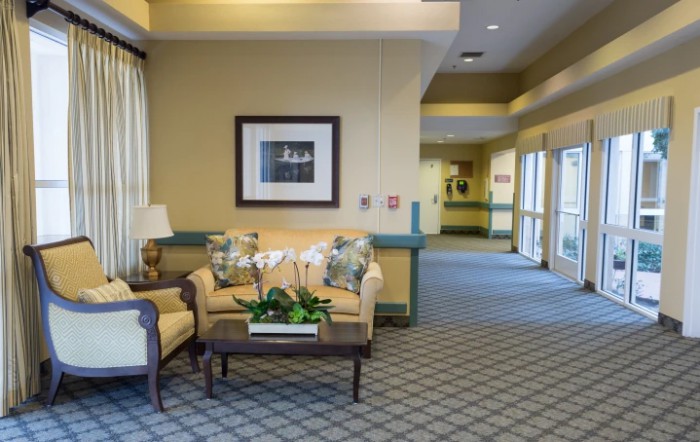
A clean, well-kept facility is frequently mentioned in reviews.
Residents and visitors often say the building looks clean, is easy to navigate, and feels well maintained during visits. Some reviews specifically call out the absence of strong odors, and others describe rooms and common areas as clean and inviting. A small number of reviews raise concerns about cleanliness or odors, but cleanliness is still one of the most repeated positives.
common
Activities and community moments
Scheduled activities and resident engagement come up often.
Reviewers mention residents being out of bed for activities or therapy and describe a steady schedule of daily happenings. Some families also talk about faith-based group time being accommodated and describe staff making space for those gatherings. The community’s activity offerings align with residents being able to stay engaged rather than spending all day in rooms.
common
Restaurant-style dining gets praise
Dining is a frequent point of praise, including restaurant-style meals.
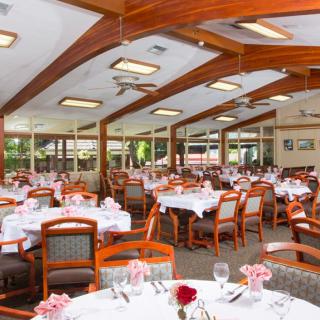
Several reviews mention good food and describe dining as better than typical hospital-style meals, with some noting personalized support for what residents can eat. The community also offers restaurant-style dining, and residents mention meals being enjoyable or tailored. A separate review notes an issue with food being cold, so dining quality is not uniform across every experience.
caveat
Communication and oversight concerns
Some reviews raise concerns about communication and oversight.
While many families describe updates and support, a subset of reviews report communication problems with administration, difficulty getting medical attention, or concerns about whether instructions to caregivers were followed. Other negative comments describe perceived gaps in attention and oversight, including issues related to care coordination. If you’re considering the facility, these reviews suggest paying close attention to how questions are handled and how care directions are documented and executed.
How we summarize
We summarize when many written reviews mention each theme; a review can touch several themes, and only frequently mentioned themes are displayed.
Features
Housing
120 resident community capacity
Types of Care
Memory Care
Skilled Nursing Facility
Amenities
Air-conditioning
Beauty salon
Cable or satellite TV
Computer center
Dining room
Fitness room
Fully furnished
Gaming room
Garden
Housekeeping services
Kitchenette
Move-in coordination
Outdoor space
Private bathrooms
Restaurant-style dining
Small library
Telephone
Wellness center
Wi-Fi/high-speed internet available
Transportation
Santa Maria Pub Capt G Allan Hancock (17 miles away)
Community operated transportation
Transportation arrangement
Transportation arrangement (non-medical)
Transportation to doctors appointments
Care Services
12-16 hour nursing
24-hour call system
24-hour supervision
Activities of daily living assistance
Assistance with bathing
Assistance with dressing
Assistance with transfers
Diabetes diet
High acuity care
Meal preparation and service
Medication management
Mental wellness program
Special dietary restrictions
Dining
Diabetes diet
Special dietary restrictions
Activities
Community-sponsored activities
Concierge services
Fitness programs
Planned day trips
Resident-run activities
Scheduled daily activities
Nearby Places of Interest
This part of Lompoc, California offers a variety of amenities and services that cater to the needs of seniors. With multiple pharmacies, physicians, and hospitals within close proximity, access to healthcare is convenient and readily available. Parks such as Barton Barkin Dog Park and Miguelito Park provide opportunities for outdoor recreation and leisurely walks. There are also a range of dining options including Whistle Stop and Sake Sushi & Korean BBQ. Places of worship like Everyday Church and Calvary Chapel Of Lompoc offer spiritual fulfillment and community connection. Transportation options include Lompoc Airport and Your Travel Center-Carlson for ease of travel. Overall, this area provides a well-rounded environment for senior living with essential services, recreational activities, and cultural offerings nearby.
Pharmacies
Central Coast Drug Test Cons (0.2 miles)
Walgreens (0.8 miles)
CVS Pharmacy (0.9 miles)
Longs Drugs (1 miles)
Osco Pharmacy (1.1 miles)
Sav-On Pharmacy (1.1 miles)
Amer Rx (3.5 miles)
Parks
Barton Barkin Dog Park (0.6 miles)
Lompoc Parks & Recreation Department (1.2 miles)
Miguelito Park (1.5 miles)
Beattie Park (2.2 miles)
River Park (2.5 miles)
Providence Landing Park (2.7 miles)
La Purisima Mission State Historic Park (3.2 miles)
Restaurants
Whistle Stop (0.7 miles)
Applebee's (0.8 miles)
Pizza Hut (0.8 miles)
McDonald's (0.9 miles)
Subway (0.9 miles)
Domino's Pizza (0.9 miles)
Sake Sushi & Korean BBQ (1 miles)
Physicians
CHC (0.9 miles)
Kendall-Shepard Eye Center (0.9 miles)
Urgent Care & Family Care (0.9 miles)
Replenish Rx (0.9 miles)
Rahim A Raoufi (1.7 miles)
Lompoc Health - Counseling Center (1.9 miles)
Valley Medical Group of Lompoc (1.9 miles)
Places of Worship
Everyday Church (1 miles)
Church of Jesus Christ of Latter Day Saints (1.1 miles)
First Baptist Church-Lompoc (1.3 miles)
Iglesia Bautista Familia de Dios (1.6 miles)
Calvary Chapel Of Lompoc (2 miles)
Orcutt Presbyterian Church (15.2 miles)
Jehovah's Witnesses (16.1 miles)
Transportation
Lompoc Airport (LPC) (1.2 miles)
Your Travel Center-Carlson (1.2 miles)
United Express/Skywest (17.1 miles)
Hospitals
The Judicial Council Of California (1.6 miles)
Sleep Disorder Center - Lompoc Valley Medical Center (1.7 miles)
The range of features at Lompoc Skilled Nursing & Rehabilitation Center significantly enhances the quality of care for residents experiencing memory-related challenges. Assistance with dressing and bathing not only promotes personal hygiene and dignity but also helps residents maintain a routine that can be comforting amidst cognitive decline. Medication management ensures that individuals receive the correct medications at prescribed times, which is crucial for overall health stability. Meal preparation and service cater to nutritional needs while accommodating specific dietary requirements, promoting physical well-being and enhancing digestion. Activities of daily living assistance helps residents engage in essential tasks, fostering a sense of independence while providing the necessary support when needed. The attention given during transfers minimizes risks of falls or injury, ensuring safety throughout their daily activities. With 24-hour supervision, trained staff are always available to respond quickly to any needs or emergencies, creating a secure environment. Finally, a mental wellness program offers engaging activities designed to stimulate cognitive function and enhance social interaction, ultimately contributing to improved emotional well-being and quality of life for those with dementia or Alzheimer's disease.
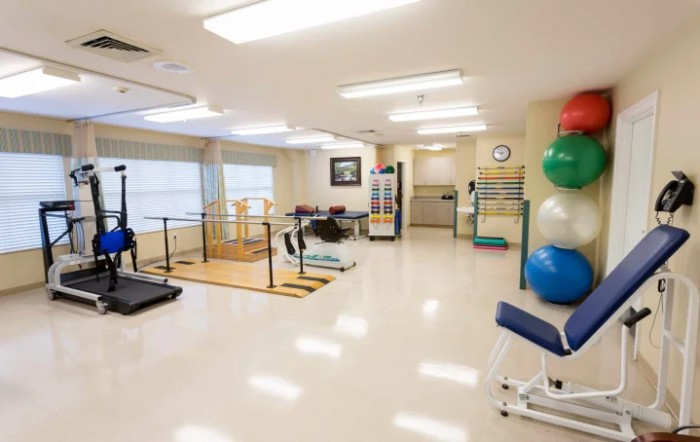
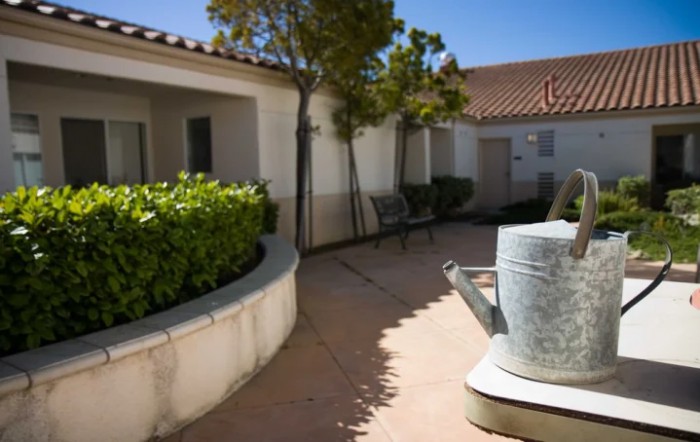
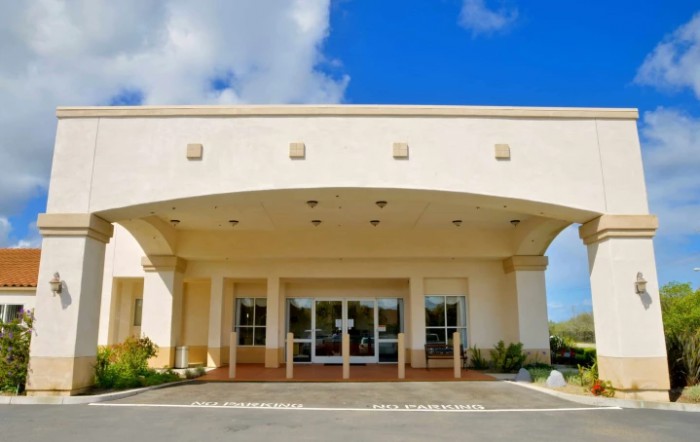
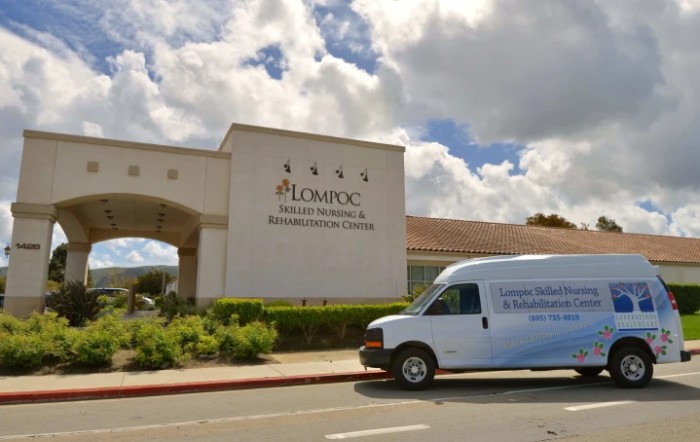
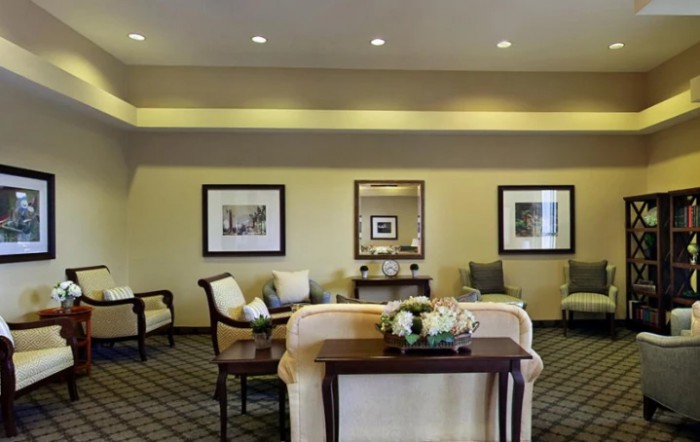
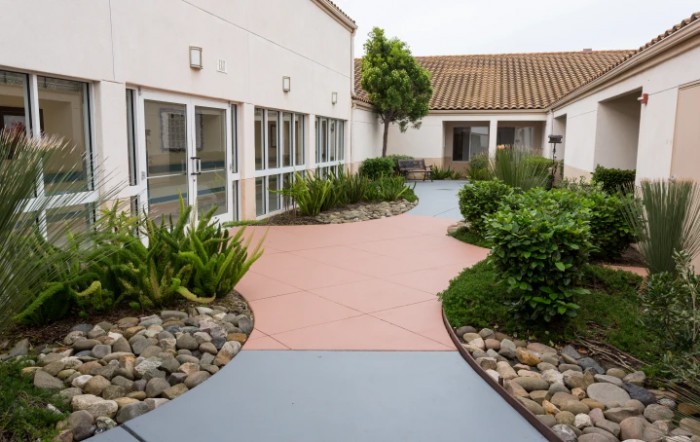
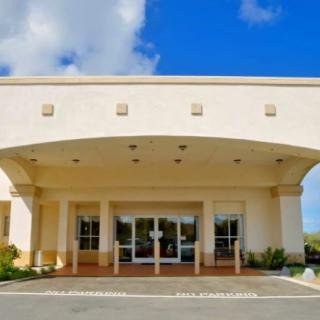
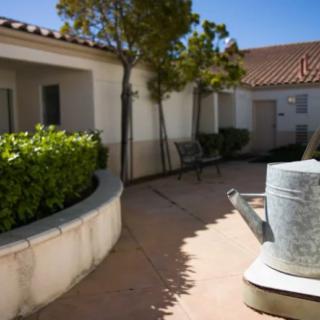
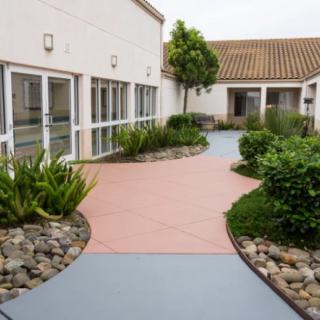
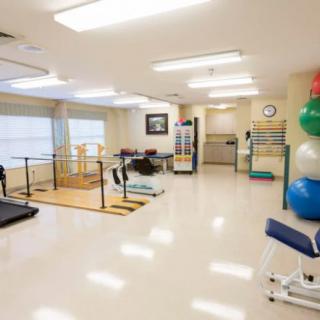
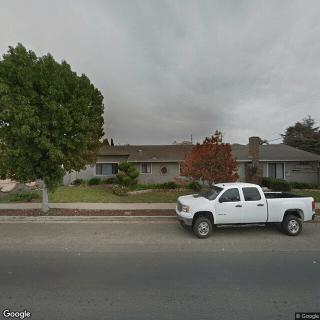
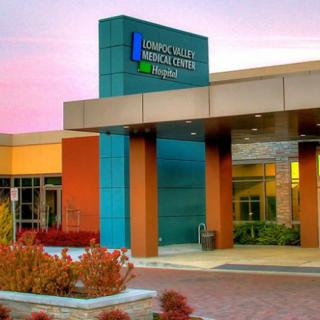
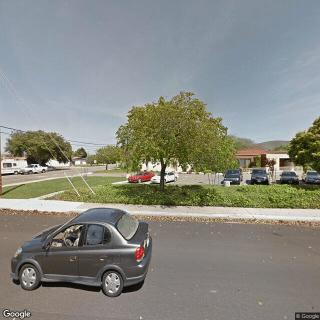
Lompoc Skilled Nursing & Rehabilitation Center on seniors.fyi includes 8 photos including images showing interior, building, exercise equipment, lobby, decor, courtyard, garden, architecture, and more.
Nearby Communities
Fountain Square of Lompoc
Lompoc, CA
4.3 from 66 reviews
$2,800 to $4,245 / month
Friendly, attentive staff in a well-maintained community with engaging activities.
Home Helpers
Lompoc, CA
1.5 from 2 reviews
Initial services satisfactory with advance notice of absences.
Del Norte Mobile Estates
Lompoc, CA
3.9 from 52 reviews
Peaceful community with extensive nearby amenities and healthcare access.
Simmons Residential Care
Lompoc, CA
Well-connected location with numerous nearby amenities and healthcare options.
Lompoc Valley Medical Center Comp Care Center
Lompoc, CA
4 from 10 reviews
Comprehensive care with 24/7 supervision, personalized assistance, and a wide range of amenities (dining, activities, therapy, transportation).
Convalescent Care Ctr
Lompoc, CA
4.5 from 2 reviews
Caring staff with good amenities and personalized meals.
Atterdag Village Of Solvang
Solvang, CA
4.2 from 26 reviews
$2,094 to $5,107 / month
Home-like setting with compassionate staff and a seamless continuum of care.
Dementia often results in disrupted sleep patterns, leading to excessive daytime sleeping due to factors like brain damage affecting circadian rhythms, medication side effects, and lack of structure in daily activities. Caregivers must monitor these changes closely, as oversleeping can increase risks such as malnutrition or dehydration, and provide necessary support and routines to enhance patient engagement and well-being.
The transition from assisted living to skilled nursing care is often prompted by complex medical needs that assisted living cannot meet, with key indicators including frequent health declines, increased falls, severe memory issues, and caregiver burnout. Families should recognize these signs early to discuss options with healthcare providers and prepare for the emotional and logistical aspects of moving to a facility that offers comprehensive medical support.
Dementia is characterized by cognitive decline, with nutrition playing a vital role in brain health; while no specific diet can prevent or reverse it, a nutrient-dense diet rich in antioxidants and healthy fats may support cognitive function. The MIND diet, which emphasizes beneficial foods and limits processed items, along with proper hydration and individualized meal strategies, can enhance the well-being of dementia patients.
Lompoc Skilled Nursing & Rehabilitation Center photos
×
Interior
Decor
Building
Architecture
Landscaping
Exercise Equipment
Interior
Decor and Lobby
Landscaping, Pathway, and Walkway
Building
Architecture
Trees, Outdoor, and Patio
Garden and Courtyard
Seating Area and Paintings
Entrance and Clouds
Exercise Equipment, Fitness, and Therapy Room
Seating and Waiting Area
Get PricingAsk A QuestionSchedule A TourContact Senior Advisor
By clicking submit, you agree to our Partner's Terms of Use. You
also consent to receive calls and texts, which may be autodialed, from our Partner. Your consent is not a condition to
using our Partner's service. Please visit our Partner's Privacy Policy for information about their privacy practices.


 120 resident community capacity
 Memory Care
 Skilled Nursing Facility
 Air-conditioning
 Beauty salon
 Cable or satellite TV
 Computer center
 Dining room
 Fitness room
 Fully furnished
 Gaming room
 Garden
 Housekeeping services
 Kitchenette
 Move-in coordination
 Outdoor space
 Private bathrooms
 Restaurant-style dining
 Small library
 Telephone
 Wellness center
 Wi-Fi/high-speed internet available
 Santa Maria Pub Capt G Allan Hancock (17 miles away)
 Community operated transportation
 12-16 hour nursing
 24-hour call system
 Activities of daily living assistance
 Assistance with bathing
 Assistance with dressing
 Assistance with transfers
 Diabetes diet
 High acuity care
 Medication management
 Mental wellness program
 Special dietary restrictions
 Concierge services
 Planned day trips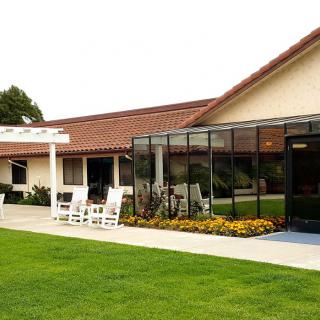
 Friendly, attentive staff in a well-maintained community with engaging activities.

 Why Do Dementia Patients Sleep So Much? Understanding Oversleeping, Stages, and Care Approaches
 8 Key Indicators That Suggest It May Be Time to Transition from Assisted Living to Skilled Nursing Care
 Nourishing the Mind: Essential Dietary Approaches for Dementia