
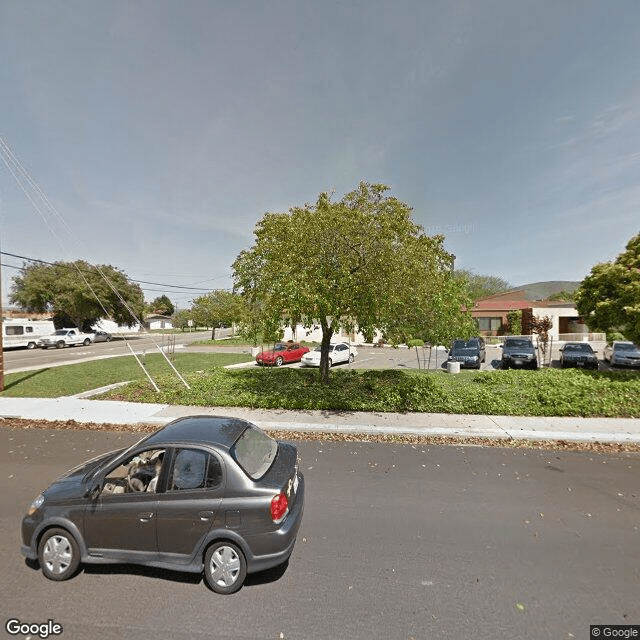
216 N 3rd St, Lompoc, CA 93436
To contact a resident: (805) 736-3466
For more information about senior living options: (866) 208-4318
Overall Review of Convalescent Care Ctr
Pros
 The care and overall help at CCC is good.
- The staff are kind, honest, helpful, loving, and empathetic to residents' needs.
- The amenities are very good.
- The overall rating is 4 out of 5 stars.
- The facility provides regular cleaning and personal care for residents who cannot manage it themselves.
- The staff integrated meat into the resident’s diet without him complaining or realizing it was there.
Cons
 The overall feeling in the facility is a little droopy.
- The reviewer notes that the father passed away two months after arriving at the facility.
- The reviewer suggests that the father might have lived longer if he had been admitted sooner.
Review
Convalescent Care Ctr in Lompoc is best suited for seniors who need ongoing medical oversight and daily support after acute illness or health decline, rather than those seeking independent living or a vibrant, activity-rich atmosphere. The center functions as a medically oriented setting where residents are there primarily for recovery and ongoing care. Prospective families prioritizing dependable nursing attention, consistent hygiene, and tailored daily routines will find clear value here. For anyone wanting a more autonomous lifestyle or a more upbeat social environment, this community will demand careful comparisons with alternatives.
Those who may want to consider alternatives are individuals seeking a livelier feels-for-life or greater opportunities for social engagement. The reviews signal a more somber atmosphere tied to the health status of the residents, which can feel heavy if daily mood and buoyant community life are important. If the goal is not only medical support but also sustained social programming, varied recreation, or a setting that feels more like a residential, independent-leaning environment, it pays to tour comparable facilities with broader activity calendars and more expansive common spaces.
The strongest positives here lie in the care team’s warmth and competence. Staff are described as kind, honest, helpful, and empathetic to each resident’s unique needs, with a sustained focus on patient comfort and dignity. Amenities are solid, and daily hygiene is reliably maintained, offering reassurance to families worried about cleanliness and infection risk. Nutrition stands out as well: the kitchen demonstrates flexibility to meet individual dietary preferences and medical needs, even when a resident’s appetite or diet shifts. One memorable account highlights meat being reintroduced into a softened diet to support rapid deterioration, handled deftly without distress, underscoring the staff’s practical, patient-centered problem-solving.
Yet the main con, how the environment can feel “droopy” due to the health realities of the population, remains a meaningful consideration. The setting is not designed to be a social resort; rather, it centers on safety, medical oversight, and comfort during recovery. This can be emotionally challenging for families hoping for an uplifting, home-like vibe. Acknowledging this helps in deciding whether a convalescent care model aligns with the senior’s personality and goals: some residents tolerate or even welcome the serene, predictable routine, while others will crave the arts, clubs, and conversational energy typical of more independent living contexts.
The pros offset the cons when recovery, safety, and personalized care are the priorities. The combination of compassionate staff, reliable cleanliness, and responsive nutrition creates a stable foundation for healing and comfort, reducing uncertainty during a vulnerable phase. The ability to tailor meals and ensure consistent hygiene translates into real daily benefits, less stress around basic needs and more focus on recuperation. For families weighing medical sufficiency and emotional reassurance, these strengths tend to outweigh the atmosphere’s somber note, particularly when the alternative is less structured support after a medical setback.
Bottom-line guidance centers on fit and expectations. This community excels for short- to mid-term post-acute recovery where medical oversight, steady routines, and attentive, empathic staffing are paramount. It suits those who prioritize safety, predictable care, and practical nutrition over social variety and independent living comforts. Potential residents should plan a tour with specific questions about rehabilitation services, nurse-to-resident ratios, and discharge planning, plus a candid discussion about activity offerings and space for family visits. If a brighter, more social setting or a longer-term, independent-friendly environment is desired, it is prudent to compare with facilities whose calendars pulse with programs, events, and opportunities for a more autonomous lifestyle.
 Skilled Nursing Facility
 Santa Maria Pub Capt G Allan Hancock (18 miles away)


 Senior Move Management: Understanding the Role, Value, and Associated Costs
 Weight Training for Seniors: Building Strength and Vitality
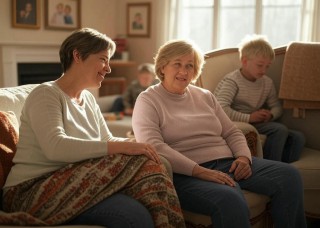 Understanding the Sandwich Generation: Stress and Responsibilities for Multigenerational Caregivers