






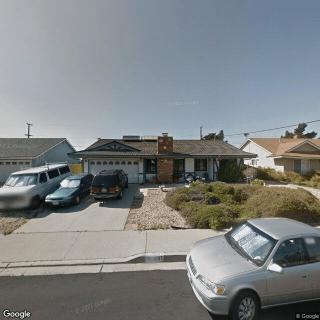
216 North Third Street, Lompoc, CA 93436
For more information about senior living options: (866) 208-4318
Overall Review of Lompoc Valley Medical Center Comp Care Center
Pros
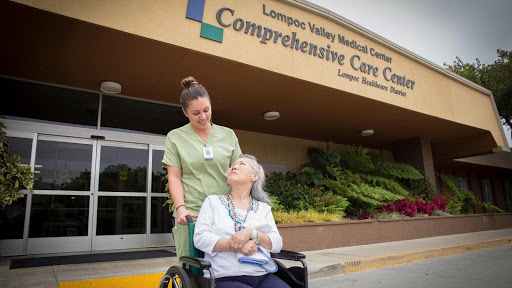
 The staff at Comprehensive Care Center are incredibly kind, compassionate, professional, and caring.
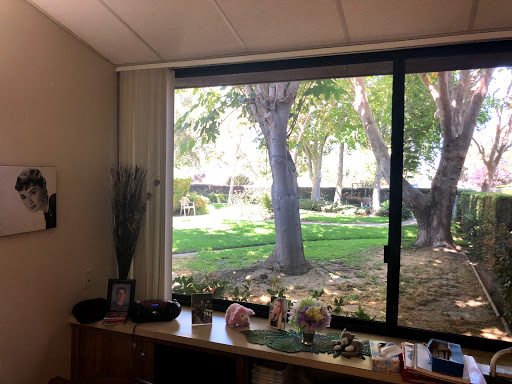
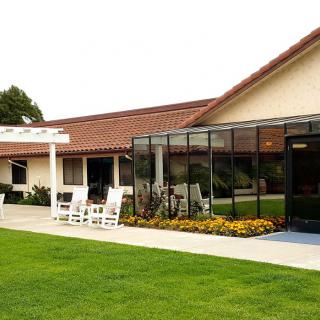
- The facility is clean and bright.
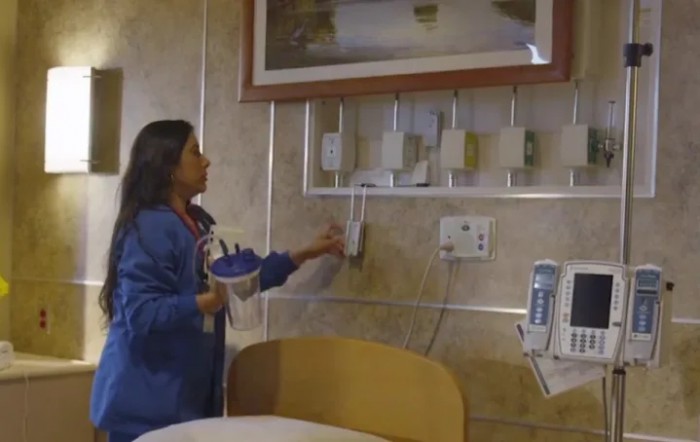
- The care team provides extraordinary care, with compassionate RNs and attentive CNAs.
- The wound care and therapy teams are phenomenal.
- The activities team makes staying there enjoyable, and the meals are nutritious and tasty.
- The staff are ready and willing to help; they are friendly, professional, and very accommodating.
Cons
 The reviewer cautions that family members will be lied to and that phone calls will not be returned, suggesting they must document conversations and involve supervisors.
- They state that good care won’t occur unless a family member is there to help, implying neglect otherwise.
- They advise others to beware and to follow up with agencies if concerned.
- The reviewer describes Lompoc Valley Medical Center as having super bad customer service and unfriendly staff.
- They claim the center charges whatever they like for a doctor’s visit, with no estimate provided.
- They note that only generalist doctors are available and that there is no X-ray service.
- They call the system stupid and say they would rather stay home to treat themselves.
- They accuse the facility of a lack of transparency and of making patients wait (about 20 minutes).
- They imply that prices may be raised for insured patients.
Review
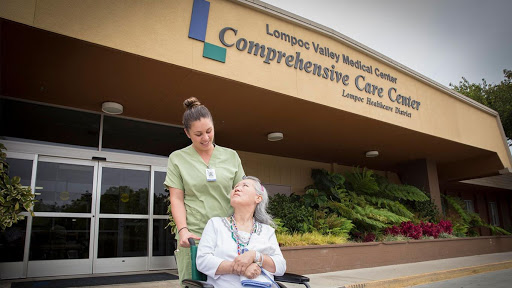
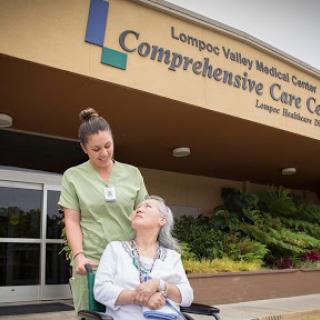
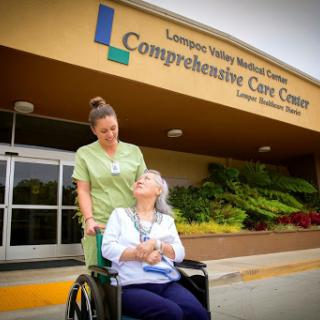
This community is best suited for seniors who need skilled nursing care and post-acute rehabilitation in a hospital-affiliated setting, with a strong emphasis on nursing, wound care, and therapy services. It works well for families willing to be actively involved in oversight and communication, since daily progress and care plans are solid, but gaps in responsiveness have been noted. The Comprehensive Care Center shines for residents requiring daily nursing attention, physical and occupational therapy, and a clean, bright environment that supports recovery and reassurance for families.
Those who may want to consider alternatives are families that prioritize flawless, proactive communication and transparent, predictable administrative processes. Several reviews flag inconsistent follow-up, delayed phone calls, and questions about billing and cost estimates. For families that cannot tolerate intermittent responsiveness or feel uncertain about who is handling a given issue, other facilities with more nurse- or administrator-driven accountability may be preferable. Likewise, if the primary need is access to a broad physician network or specialty care in-house, alternatives should be explored.
The strongest positives here are the clinical strengths and the environment. Nursing staff, CNAs, and therapists are repeatedly described as compassionate, professional, and attentive, with dedicated wound care and therapy teams that drive meaningful progress. The facility itself tends to be clean and bright, with nutritious, well-prepared meals and engaging activities that help residents stay motivated and involved. When care is collaborative and residents are actively supported by a cohesive team, outcomes tend to align with recovery goals and daily routines become manageable for families visiting or coordinating outside appointments.
Environment and services reinforce the care picture: families frequently praise the quality of daily life inside the center, including the well-maintained grounds, the food, and the range of activities designed to keep residents engaged. The combination of a focused rehab program and consistent nursing care appears to contribute to improvements that can shorten hospital-to-home transitions. The hospital affiliation often translates into robust protocols for medical management, which can be reassuring for families seeking reliable oversight during recovery or ongoing chronic-care needs.
Yet the cautions cannot be ignored. Some reviews point to troubling gaps in communication, including reports of being lied to or having calls go unanswered, which undermines trust and complicates care coordination. There are also concerns about transparency in billing and limited availability of doctors beyond generalists, with some residents lacking access to on-site imaging or specialist input. These drawbacks can offset otherwise strong clinical care, especially for families who expect predictable, proactive updates and clear financial terms. The prudent path includes explicit expectations: request a single point of contact, insist on scheduled progress updates, and document all conversations with administrators.
In the final assessment, this center is a solid choice for families seeking skilled nursing and post-acute rehab inside a hospital-like setting, provided there is capacity for vigilant oversight and proactive engagement. The care teams and the environment support meaningful recovery, and the positive experiences from residents and families carry real weight. However, for those who require near-perfect communication, transparent cost structures, and guaranteed access to a broad physician roster, it is wise to explore alternatives or, at minimum, visit with a prepared set of questions about care plans, daily schedules, and escalation pathways. A guided tour, direct conversations with current residents’ families, and a clearly defined care plan will help determine fit and ensure the decision aligns with both medical needs and family expectations.
 110 resident community capacity
 Skilled Nursing Facility
 Air-conditioning
 Beauty salon
 Cable or satellite TV
 Computer center
 Dining room
 Fitness room
 Fully furnished
 Gaming room
 Garden
 Housekeeping services
 Kitchenette
 Move-in coordination
 Outdoor space
 Private bathrooms
 Restaurant-style dining
 Small library
 Telephone
 Wellness center
 Wi-Fi/high-speed internet available
 Santa Maria Pub Capt G Allan Hancock (18 miles away)
 Community operated transportation
 12-16 hour nursing
 24-hour call system
 Activities of daily living assistance
 Assistance with bathing
 Assistance with dressing
 Assistance with transfers
 Diabetes diet
 Medication management
 Mental wellness program
 Special dietary restrictions
 Concierge services
 Planned day trips



 Comprehensive Exploration of Living Wills and Other Advance Directives
 A Detailed Exploration of Living Wills and Advance Directives
 Comprehensive Guide to Medicare Coverage for Hospice Care