
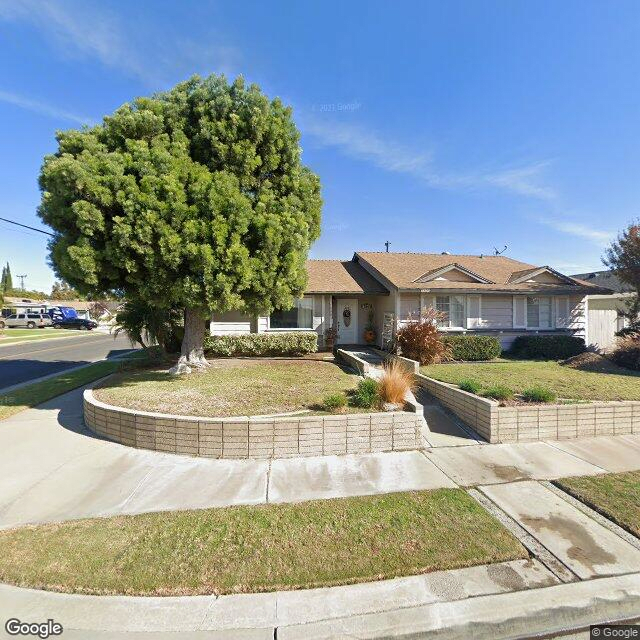
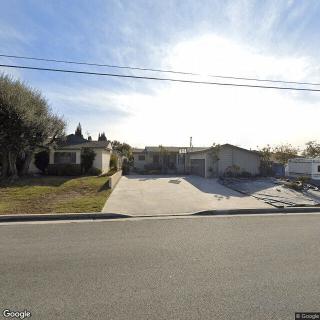
15903 Clear Spring Dr, La Mirada, CA 90638
To contact a resident: (562) 943-7900
For more information about senior living options: (866) 208-4318
Turning Point Quality Care Inc. Costs & Pricing
Turning Point Quality Care Inc. offers competitive pricing for its services compared to both Orange County and the broader California market. For private rooms, Turning Point maintains a cost of $3,000 per month, which is significantly lower than the county average of $4,104 and slightly more favorable than the state average of $3,939. Similarly, their studio units are priced at $3,000 monthly, again undercutting the Orange County rate of $4,313 and staying close to California's average of $4,145. However, for semi-private rooms, Turning Point's fee of $3,500 exceeds both the county's rate of $3,431 and the state average of $3,333. Overall, while Turning Point provides attractive options for private and studio accommodations that can offer substantial savings for residents compared to local competitors, their semi-private room costs suggest a need for further evaluation against regional pricing pressures.
| Floor plans | Turning Point Quality Care Inc. | Orange County | California |
|---|---|---|---|
| Private | $3,000 | $4,104 | $3,939 |
| Studio | $3,000 | $4,313 | $4,145 |
| Semi-Private | $3,500 | $3,431 | $3,333 |
Memory care communities with a similar price nearby
-
from +$500 / mo

Kind Heart Home Care VI
$3,500 to $5,000 / month19.2 miles away -
from -$200 / mo
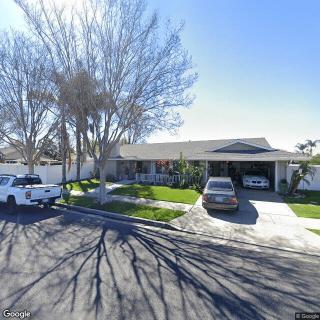
Candlewood Care Home III
$2,800 to $3,400 / month16.1 miles away -
from -$200 / mo

Leah Loving Elderly Care
$2,800 to $3,000 / month14.2 miles away -
from -$300 / mo
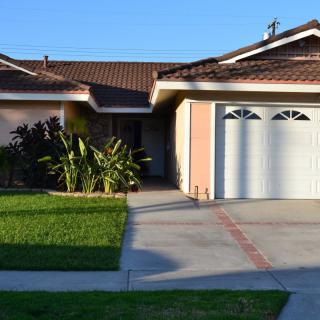
Loving Care Senior Home
$2,700 to $3,500 / month15.2 miles away -
from +$500 / mo
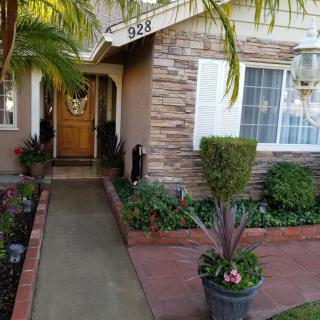
Comfort Keepers Home Care
$3,500 to $6,500 / month5.5 miles away
Overall Review of Turning Point Quality Care Inc.
Pros
 Wilma Carstensen was very kind and patient.
- Her rates were more affordable than those at other places he checked.
- He would have received good care at Turning Point.
- She came to the house to discuss options and assess his care needs.
Review
Turning Point Quality Care Inc. in La Mirada is best suited for families that want a practical, hands-on planning process before a move. The key dimension is the early, in-person engagement: the administrator, Wilma Carstensen, will visit a home to discuss options, assess care needs, and outline what support will be required. That consultative approach matters when families face uncertainty or tighter budgets. In this case, the caregiver’s communication came across as patient and considerate, and the stated rates were more affordable than competing options. For households weighing multiple providers, Turning Point provides a credible starting point and a realistic sense of what care will cost and what services may be needed once a move into assisted living is contemplated.
Who may want alternatives? For families needing rapid placement or highly structured medical oversight, or for those seeking specialized memory care, Turning Point may not be the best fit right away. Without direct care experience from the client’s home, there is less concrete evidence of daily care routines or staff performance. If a community needs to demonstrate long-term stability through multiple resident outcomes, or if a parent requires immediate admission, other facilities with longer track records and visible on-site programs could offer more reassurance. Even with strong initial impressions, it’s prudent to compare with places that publish detailed care plans and staffing data.
Key positives, personalized outreach, kindness from the administrator, and affordability, work together to offset the lack of a documented care track record in the review. The home-visit assessment helps families align expectations with care needs before any move, reducing the risk of mismatches after admission. Wilma Carstensen’s patience and willingness to walk through options reduce decision fatigue for anxious families. The savings on rates relative to nearby options lowers financial pressure, making it easier to allocate dollars to real care supports rather than administrative overhead. In practice, these elements collectively build a credible path to a well-planned transition rather than a rushed move into a facility without an understanding of needs.
However, the absence of a care-performance track record is a real consideration. A single five-star nod from one review signals potential quality, yet it cannot substitute for multiple resident experiences across time. The positive expectation, that a resident would have received good care, rests on the administrator’s approach and the facility’s willingness to engage in a thorough assessment upfront. Prospective families should test that promise with specific, written questions about daily staffing, supervision, and how care plans are updated as needs evolve. The positive tone of the available information suggests a facility that prioritizes person-centered planning, which remains a meaningful differentiator in a crowded La Mirada market.
Practical next steps for evaluating Turning Point include requesting a formal care assessment, seeing sample care plans, and asking to meet the prospective caregiving team. Families should seek clarity on what is covered by the listed rates, whether there are potential add-ons, and how often assessments are revisited. It is wise to confirm licensing status with the state and ask for references from other families who recently navigated similar transitions. If possible, arrange direct conversations with current residents or families to gauge day-to-day experiences. Finally, compare with nearby options in terms of location, amenity mix, staffing ratios, and overall value to ensure the choice aligns with the resident’s needs and financial realities.
When the profile matches, a care-seeking household that values a thorough pre-move planning process, transparent communication, and affordability, Turning Point Quality Care Inc. stands as a compelling option. The decisive advantage is the hands-on placement approach that reduces guesswork and fear about what life in care will look like. The potential caveat is the need to corroborate care quality with independent references and up-to-date plans. If those checks align, this community offers a practical, experienced pathway to a smooth transition into assisted living. For families with tighter budgets or a preference for early engagement, Turning Point is worth serious consideration; for those needing immediate, highly specialized medical oversight, alternatives deserve parallel exploration.
 Board and Care Home
 Memory Care
 Private
 Long Beach (Daugherty) (11 miles away)
 Diabetic care






 Delirium and Dementia: Unraveling the Key Differences
 Are Dementia and Alzheimer's Disease Lethal? A Comprehensive Exploration
 Exploring the Power of Reminiscence Therapy for Individuals With Dementia