

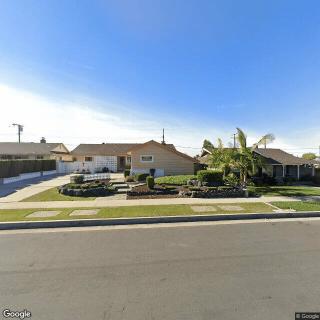
12611 Cullman Avenue, La Mirada, CA 90638
For more information about senior living options: (866) 208-4318
American Care Home Costs & Pricing
American Care Home offers competitive pricing for its accommodations compared to the broader market in Orange County and across California. For a semi-private room, residents pay $3,000 per month, which is notably lower than the county average of $3,431 and the state average of $3,333. Those opting for a private room will find that American Care Home's rate of $4,000 is slightly below Orange County's average of $4,104, though it exceeds California's overall average of $3,939. This positioning not only highlights American Care Home's commitment to affordability but also underscores its dedication to providing quality care within a supportive environment.
| Floor plans | American Care Home | Orange County | California |
|---|---|---|---|
| Semi-Private | $3,000 | $3,431 | $3,333 |
| Private | $4,000 | $4,104 | $3,939 |
Assisted Living communities with a similar price nearby
-
from +$500 / mo
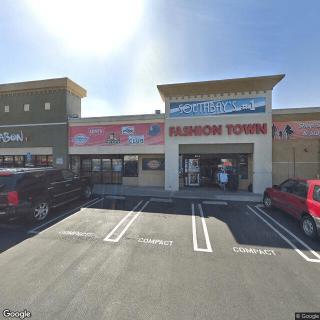
Kind Heart Home Care VI
$3,500 to $5,000 / month19.6 miles away -
from +$500 / mo
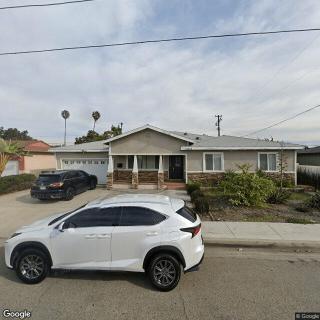
Loving Home Care
$3,500 to $4,500 / month10.3 miles away -
from +$300 / mo

Bella Manor II
$3,300 to $4,290 / month8.6 miles away -
from -$200 / mo

Leah Loving Elderly Care
$2,800 to $3,000 / month14.4 miles away -
from -$300 / mo
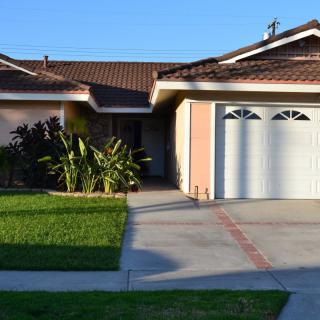
Loving Care Senior Home
$2,700 to $3,500 / month15.3 miles away
Overall Review of American Care Home
Pros
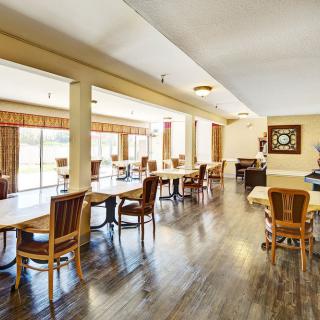
 The home is bright and well-lit inside.
- The environment is excellent and close for family to visit.
- The staff encourage the resident to do better and are consistently caring.
- The home has a consistent staff, with the same caregivers over time.
- The facility is an actual home located in a neighborhood.
- The kitchen provides fresh fruit and keeps the environment clean.
Cons
 One of the caregivers can be a little rough and short with the residents.
- Communication can be difficult due to language barriers, and it can get a little loud for the resident since they are used to living alone.
- The resident is not entirely happy with the food, which is mostly frozen, gravy-soaked, and banquet-style, with few fresh vegetables.
- The resident has difficulty socializing because there are only a few other people, and they are at a higher care level than the resident.
Review
American Care Home in La Mirada excels as a small, home-like community for seniors who prize brightness, a neighborhood setting, and easy family access. The reviews consistently highlight a welcoming interior and a genuine sense that the home is not institutionalized, but rather a place where visits are convenient and relatives can see progress firsthand. The setting appeals to families seeking a calm, intimate environment where staff are oriented toward motivating residents to improve rather than merely supervising them. In practical terms, this is best for seniors who want a dignified, drop-in-friendly atmosphere and for families who value frequent, uncomplicated visitation over a bustling campus with larger cohorts.
Those who may want alternatives are clear from the same client narratives. If a resident thrives on robust social calendars, diverse activities, and a sizable peer group, a smaller house setting like this might feel isolating. The community has only a few other residents, and some loved ones note that others are at a higher care level, which can limit social interaction for someone who just needs lighter daily support. Language barriers can complicate communication, and there are occasional observations about a caregiver who comes off as rough. For families prioritizing varied, English-rich communication, or a bustling social scene, exploring other options with more residents and more comprehensive programming would be prudent.
The core advantages, bright spaces, a genuine home vibe, and a neighborhood footprint, serve as meaningful offsets to the downsides. Bright interiors create a calming backdrop that supports comfort and dignity, while the actual home in a familiar neighborhood helps maintain routine and reduce the stress of relocation. A consistent caregiving team matters in real-life care; several reviewers point to the same caregivers over time, which minimizes turnover-related disruption and helps families build trust. When concerns arise, staff are described as accommodating and responsive, addressing small issues or requests as they come up. The ability to keep pets, such as parakeets, adds an extra layer of emotional continuity for residents who value familiar companionship.
However, the documented gaps cannot be ignored when weighing a future move. Social opportunities can be limited in a small community, which may leave some residents feeling isolated or under-stimulated if peers at a similar care level are scarce. Language barriers can impede daily communication and decision-making, especially for those who rely on clear, everyday dialogue. There is also a mixed picture about daily caregiving demeanor; at least one caregiver has been described as rough, which underscores the importance of meeting the team and observing interactions before committing. On the dining front, meal quality has drawn mixed feedback: a reliance on frozen items and heavy gravy contrasts with frequent fresh fruit but limited fresh vegetables or starch variety. The kitchen’s cleanliness is a definite positive, and willingness to adjust meals when possible is noted, but culinary quality remains a legitimate consideration.
Visitation practicality and the home-like environment emerge as standout selling points. Families evaluate this option positively when the goal is to minimize travel burdens and maximize personal connection. The small size and the ability to tailor arrangements around the resident’s preferences, such as keeping beloved pets, make a real difference in daily life and peace of mind. For those who value consistency and a calm pace over a larger, more social campus, American Care Home delivers a compelling blend of dignity, accessibility, and attentiveness. Yet the decision hinges on expectations: if a resident needs frequent, varied social engagement or a mouthful of fresh, chef-style meals, the gaps can feel more pronounced.
In sum, American Care Home is a strong fit for families seeking a bright, home-like, neighborly setting with steady staff and easy visitation, where staff are inclined to listen and adjust. It works best for residents who do not require a large social infrastructure and who value pet-friendly policies and responsive caregiving over a broad activity calendar. Those with higher needs for social programming, multilingual communication, or culinary variety should consider alternatives and visit with specific questions in hand. Prospective families should request firsthand meals, meet the caregiving team, observe interactions, and assess how language and pace align with their loved one’s daily reality, then decide whether the balance of warmth and simplicity outweighs the drawbacks.
 6 resident community capacity
 Assisted Living
 Board and Care Home
 Respite Care
 Activities off-site
 Cable or satellite TV
 Devotional services off-site
 Dining room
 Fully furnished
 Garden
 Housekeeping services
 Indoor common areas
 Move-in coordination
 Outdoor common areas
 Private
 Private bathrooms
 Swimming pool / hot tub
 Telephone
 Wheelchair accessible showers
 Wi-Fi/high-speed internet available
 Long Beach (Daugherty) (12 miles away)
 24-hour supervision
 Ambulatory care
 Assistance with bathing
 Assistance with dressing
 Assistance with transfers
 Diabetes diet
 High acuity care
 Incontinence care
 Meal preparation and service
 Medication management
 Special dietary restrictions
 Transportation arrangement (medical)
 Transportation to doctors appointments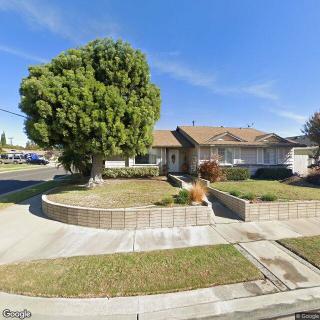

 Assisted Living Support for Veterans: A Complete and Detailed Overview
 Exploring the Contrasts Between Assisted Living and Skilled Nursing
 8 Key Indicators That Suggest It May Be Time to Transition from Assisted Living to Skilled Nursing Care