
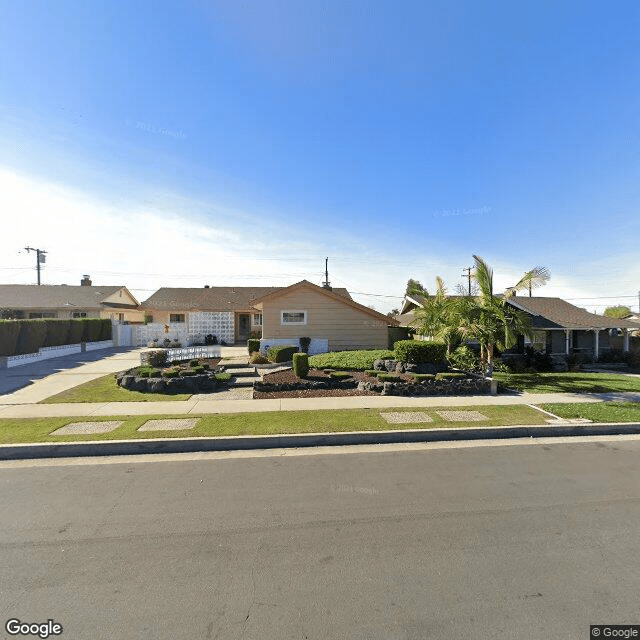
15906 Clear Spring Dr, La Mirada, CA 90638
To contact a resident: (562) 774-6987
For more information about senior living options: (866) 208-4318
Turning Point Quality Care Inc Costs & Pricing
Turning Point Quality Care Inc offers competitive pricing for its services compared to the broader market rates in both Orange County and California. For a semi-private room, Turning Point charges $2,600 per month, significantly lower than the county average of $3,431 and the state average of $3,333. Similarly, for private rooms, their rate of $3,500 stands favorably against the local and state benchmarks of $4,104 and $3,939 respectively. This positioning not only highlights Turning Point's commitment to affordability but also underscores its value in providing quality care without compromising on service excellence.
| Floor plans | Turning Point Quality Care Inc | Orange County | California |
|---|---|---|---|
| Semi-Private | $2,600 | $3,431 | $3,333 |
| Private | $3,500 | $4,104 | $3,939 |
Senior living communities with a similar price nearby
-
About the same

Berryman Health Inc
$2,625 to $3,050 / month10.2 miles away -
from +$200 / mo
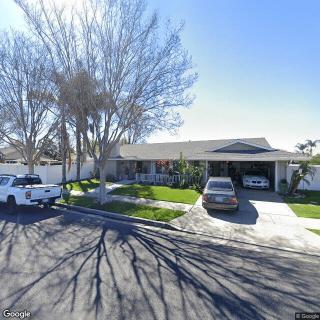
Candlewood Care Home III
$2,800 to $3,400 / month16.1 miles away -
from -$200 / mo
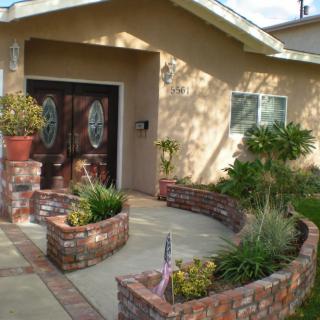
Living Well Care Home
$2,400 to $3,200 / month10.8 miles away -
from +$200 / mo

Leah Loving Elderly Care
$2,800 to $3,000 / month14.2 miles away -
from +$100 / mo
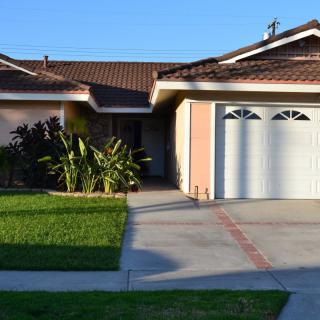
Loving Care Senior Home
$2,700 to $3,500 / month15.2 miles away
Overall Review of Turning Point Quality Care Inc
Pros
 Wilma Carstensen was very kind and patient.
 - Her rates were more affordable than those at other places.
- The reviewer believes her husband would have received good care at Turning Point.
Review
Turning Point Quality Care Inc in La Mirada, CA is best suited for families seeking an affordable, planning-forward path to senior care. This community appears designed for those who want a practical, low-pressure initial conversation about needs and options, rather than for immediate admission into a high-acuity setting. The standout element is the hands-on, compassionate approach taken by the administrator during a home visit. Wilma Carstensen met with family members at their residence, assessed the husband’s potential care needs, and outlined realistic options. The encounter left the impression of a patient, clear communicator who can translate complex care questions into understandable next steps, which is invaluable for budget-conscious families facing a tough transition.
Those who may want to consider alternatives are families with entrenched, high-level medical requirements or with a need for on-site, continuous clinical oversight. The review provides no direct experience with the quality of care once settled in, and that absence matters for anyone seeking proven outcomes or a robust track record of daily nursing, dementia care, or rehabilitation services. If the priority is a facility that can demonstrate consistent, observable caregiving performance and staffing benchmarks, turning to options with documented care outcomes and longer operation histories would be prudent. In short, this community offers planning support; it does not deliver a proven care delivery snapshot in the single testimonial available.
The strongest pro presented is the combination of approachability and affordability. The administrator’s willingness to visit a home, discuss options, and tailor a care path signals reliability in the crucial pre-admission phase, the moment families need clarity on what care will cost, what services can be provided, and how transitions will unfold. When weighed against the alternative of uncertain pricing or opaque processes, the tangible benefit of a transparent, affordable entry point becomes a meaningful offset for families worried about sticker shock or hidden fees. This pro line-up makes Turning Point a compelling first stop for households trying to map out next steps without overcommitting resources.
Yet the absence of a firsthand caregiving track record is a real and non-trivial caveat. The reviewer could not speak to actual on-site care quality, staff responsiveness, or the facility’s day-to-day environment because the move never occurred. For families who insist on confidence that a community consistently delivers high-standard, face-to-face care, this gap argues for parallel investigations. A single positive interaction with an administrator, while encouraging, does not substitute for long-term observations, visiting multiple times, and collecting independent references. The prudent decision balances the value of the planning conversation with the need for verifiable care performance.
To turn insight into a sound choice, pursue a structured evaluation beyond the initial meeting. Schedule a formal care-planning session to extract a written, itemized plan that outlines level-of-care assumptions, staffing expectations, and transition support. Request licensing verification, staff-to-resident ratios, and a clear explanation of what happens if the care needs escalate. Seek references from families with residents currently in residence or recently discharged, and compare those impressions with other La Mirada options that provide documented care outcomes. Ask about memory care, rehabilitation, and palliative options to confirm alignment with future needs.
Ultimately, Turning Point Quality Care Inc emerges as a practical, cost-conscious partner for families seeking a thoughtful, consultative entry into senior care. It offers a credible, compassionate pathway through uncertainty, especially for households prioritizing affordability and a clear set of next steps. If the essential goal is a trustworthy initial assessment and a transparent plan that fits a tighter budget, this community warrants serious consideration. If, instead, the priority is demonstrable, on-site care performance with a proven care team, the field should be broadened to include facilities with established clinical benchmarks and more extensive, verifiable resident outcomes.
 Board and Care Home
 Private
 Private bathrooms
 Long Beach (Daugherty) (11 miles away)
 Diabetic care
 High acuity care
 Christian services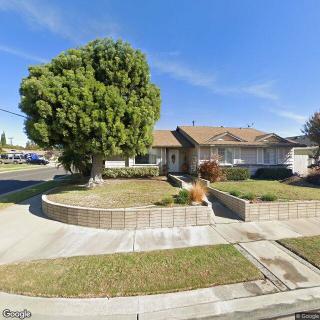



 Effective Strategies for Keeping Seniors' Minds Active: A Deep Dive into Brain Games and Apps
 In-Depth Look at the VA Aid and Attendance Program
 Nurturing Our Loved Ones: A Daughter's Journey in Caring for Her Mother