
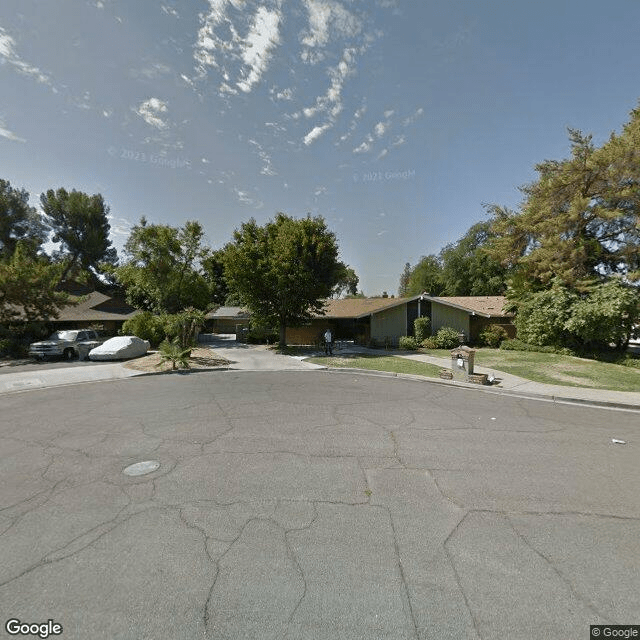
1337 W. Robert Avenue, Fresno, CA 93711
To contact a resident: (559) 801-8008
For more information about senior living options: (866) 208-4318
Joyful Living Costs & Pricing
Joyful Living offers competitive pricing for its accommodations, with costs that reflect both the local Fresno County market and the broader landscape of California. For a private room, residents can expect to pay $3,500 per month, which is slightly lower than the county average of $3,589 and significantly more affordable than the state average of $3,939. The studio and one-bedroom options are priced at $4,000 each, aligning closely with Fresno County's studio rate of $3,349 but slightly higher than its one-bedroom average of $3,398; however, both rates remain below California's state averages of $4,145 and $4,340 respectively. Overall, Joyful Living presents an attractive option for individuals seeking quality living arrangements while balancing affordability in a vibrant community.
| Floor plans | Joyful Living | Fresno County | California |
|---|---|---|---|
| Private | $3,500 | $3,589 | $3,939 |
| 1 Bedroom | $4,000 | $3,398 | $4,340 |
| Studio | $4,000 | $3,349 | $4,145 |
Memory care communities with a similar price nearby
-
from +$500 / mo
A Place Called Home II
$4,000 / month8.7 miles away -
from -$300 / mo
Blossom Creeks Assisted Living
$3,200 to $3,800 / month10.2 miles away -
About the same
Pryor Falls
$3,600 to $3,900 / month6.2 miles away -
from -$200 / mo

Nazareth House
$3,300 / month4.2 miles away -
from -$300 / mo
Clovis Guest Home
$3,200 / month9.4 miles away
Overall Review of Joyful Living
Pros
 The facility is excellent.
- It is the best senior care-friendly home for elders.
- The staff are very good to work with.
- The food looks and smells good during visits.
- The grounds are well maintained.
- Residents are eating better.
Cons
 The staff are just there.
- The facility did not seem as clean as desired.
- There was only one staff member for all the residents.
- There is high staff turnover, with caregivers changing frequently and preventing real connections.
Review
Joyful Living in Fresno is best suited for seniors who want a warm, home-like setting where meals are a daily highlight, the grounds feel cared for, and staff interactions can be genuinely friendly and responsive. It appeals to families seeking social engagement and a practical, approachable atmosphere over clinical precision. Residents who do well in smaller-scale environments, where daily routines and familiar faces shape the day, will likely find comfort here. This is not a showpiece facility; it aims to be a dependable, personable place to age in place, with a focus on everyday livability rather than polish alone.
However, there are clear caveats that deserve close attention. Those who cannot tolerate variability in staffing should seriously consider alternatives. One reviewer described a scenario with just one staff member for all residents, a setup that invites questions about supervision, timely assistance, and consistent care. Cleanliness was another concern raised by a family member, suggesting that housekeeping may not always keep pace with resident needs. Progressively, turnover among caregivers emerged as a recurrent theme, threatening the ability to build trusted relationships and to sustain individualized routines. For families prioritizing meticulous cleanliness, stable caregiver assignments, or more intensive clinical oversight, Joyful Living may feel like a compromise rather than the ideal fit.
On the plus side, the upside of Joyful Living is tangible and meaningful. When staff are available and engaged, residents experience attentive, personable care, and families often perceive a cooperative, easy-to-work-with team. The dining experience stands out, aromas and presentation signal meals that are not only palatable but inviting, reinforcing nutrition and mood. Grounds and common spaces are well maintained, contributing to a sense of safety and comfort that supports daily walks and relaxed visits. In practice, these strengths translate into better appetite, brighter dispositions, and an atmosphere that feels like home. For families who place a premium on social warmth and enjoyable meals, these elements can significantly offset other shortcomings.
Yet the cons are not trivial, and they shape the decision calculus. High caregiver turnover fractures continuity, making it hard for residents to develop reliable relationships and for families to rely on a predictable caregiving pattern. The reality of staffing constraints, potentially a single caregiver for multiple residents, can lead to slower responses to call bells, delays in mobility assistance, and variability in daily care. Cleanliness concerns, when present, undermine confidence in the overall standard of upkeep. Taken together, staffing instability and housekeeping gaps can erode the otherwise appealing social and culinary advantages, creating a tension between comfort and dependable caregiving that families must weigh carefully.
For those considering Joyful Living, approach visits with a sharp, decision-focused checklist. Confirm current staffing ratios and ask how backfill works when someone is out. Probe turnover trends and the process for introducing new caregivers to individual routines. Inspect both common areas and private spaces for cleanliness, odor, and upkeep, and request a tour of the kitchen or dining operations to gauge daily meal planning and food safety. Speak with multiple residents about their daily caregiving experiences and whether they feel consistently supported. Inquire about emergency procedures, medication management, and how care plans are updated as needs evolve. The answers to these questions will reveal whether the day-to-day reality aligns with the recognizable positives.
Overall, Joyful Living offers a practical option for families who prize warmth, social engagement, and appetizing meals within a well-kept environment. It is not the strongest match for those requiring unwavering caregiver consistency, very high staffing coverage, or stringent cleanliness standards. The decision hinges on tolerance for turnover and the value placed on a welcoming, home-like feel. If the family can navigate potential caregiver changes and wants a sociable setting that emphasizes daily life and dining, Joyful Living can deliver genuine comfort and respect for residents. If steadier staffing and meticulous upkeep are non-negotiables, it would be prudent to explore alternatives and compare how other communities balance care priorities with the same everyday livability.
 6 resident community capacity
 Assisted Living
 Board and Care Home
 Memory Care
 Activities off-site
 Cable or satellite TV
 Devotional services off-site
 Dining room
 Fully furnished
 Garden
 Housekeeping services
 Indoor common areas
 Move-in coordination
 Outdoor space
 Private
 Telephone
 Wi-Fi/high-speed internet available
 Fresno Yosemite International (6 miles away)
 24-hour supervision
 Ambulatory care
 Assistance with bathing
 Assistance with dressing
 Assistance with transfers
 Diabetes diet
 Diabetic care
 High acuity care
 Meal preparation and service
 Medication management
 Special dietary restrictions
 Transportation arrangement (medical)
 Transportation to doctors appointments




 When to Transition from Assisted Living to Memory Care: Key Indicators, Steps, and Finding the Right Community
 Understanding the Distinctions: Assisted Living and Memory Care Explained
 How to Communicate with a Loved One Living with Dementia: 10 Supportive Strategies