
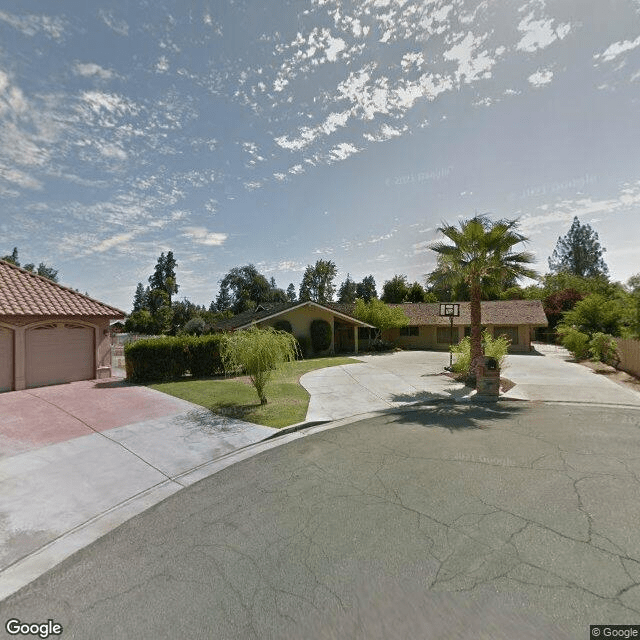
1322 West Roberts Ave, Fresno, CA 93711
To contact a resident: (559) 916-6655
For more information about senior living options: (866) 208-4318
New Light Residential Care Facility for the Elderly Costs & Pricing
New Light Residential Care Facility for the Elderly offers a supportive environment for seniors, with pricing that reflects its quality of care and services. For a semi-private room, residents can expect to pay $3,500 per month, which is notably higher than the Fresno County average of $2,991 but remains competitive compared to the broader California state average of $3,333. For those seeking more privacy, a private room at the facility costs $3,800 monthly - again above the Fresno County rate of $3,589 but slightly below the state's average of $3,939. These rates underscore New Light's commitment to delivering personalized and attentive elderly care while positioning itself as a valuable option in both local and statewide contexts.
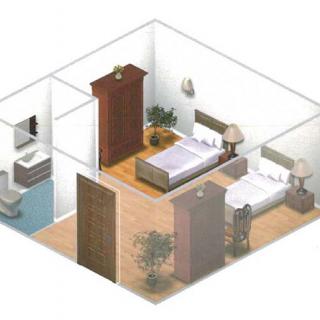
| Floor plans | New Light Residential Care Facility for the Elderly | Fresno County | California |
|---|---|---|---|
| Semi-Private | $3,500 | $2,991 | $3,333 |
| Private | $3,800 | $3,589 | $3,939 |
Assisted Living communities with a similar price nearby
-
from -$500 / mo
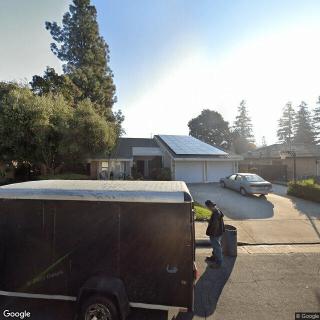
Bella Care Home
$3,000 to $5,500 / month4.9 miles away -
from -$300 / mo
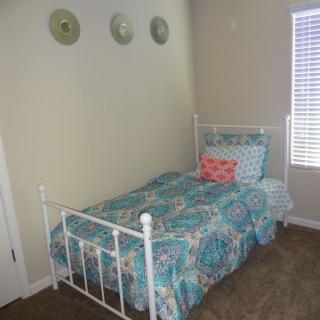
Blossom Creeks Assisted Living
$3,200 to $3,800 / month10.3 miles away -
About the same
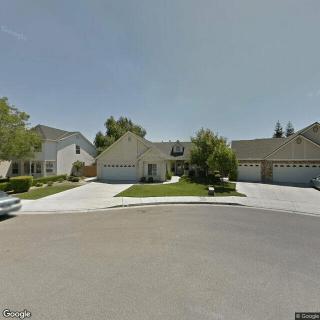
Pryor Falls
$3,600 to $3,900 / month6.2 miles away -
from -$200 / mo
Nazareth House
$3,300 / month4.2 miles away -
from -$400 / mo
Elim Place
$3,100 to $4,500 / month16.0 miles away
Overall Review of New Light Residential Care Facility for the Elderly
Pros
 The facility is excellent.
- It is the best senior care home for elders.
- The home was clean and in good shape.
- The tour guide was exceptional and provided helpful information.
- The staff are very on top of things, and residents never have to wait for assistance.
- They are very friendly.
Cons
 They are lacking in activities and they do not offer exercise for residents.
- They have not provided walking assistance for residents, leaving family members to help during visits.
Review
New Light Residential Care Facility for the Elderly in Fresno, CA is best suited for families seeking a small, home-like setting where residents receive attentive, friendly care and can move in with relative ease. The community excels for seniors who value cleanliness, a warm, domestic atmosphere, and staff responsiveness over the scale and bustle of a larger campus. It is ideal for those who prefer a personal touch and straightforward assistance with daily needs, delivered in a compact, easily navigable environment where visitors can readily become part of the daily routine. In practical terms, it works best when the priority is dependable caregiving in a familiar, low-stress setting rather than a calendar packed with expansive amenities.
Alternatives should be on the radar for families prioritizing a broader social calendar, more structured programming, or larger-scale amenities. In the Fresno market, the appeal of a smaller home can clash with the desire for frequent organized activities and guided exercise. One family opted for a bigger facility because their loved one would thrive in more space and a richer slate of programs. For elders who rely on regular social engagement and purposeful movement, a larger RCFE or a memory-care-focused campus may offer the day-to-day variety that New Light presently lacks. If robust activity scheduling and more formal programming are non-negotiables, it pays to explore options that emphasize those elements.
Several strengths tilt the balance decisively in favor of choosing New Light where the priority is dependable daily caregiving in a home environment. The facility presents as clean, well maintained, and welcoming, a comfort as much as a safeguard for peace of mind. Staff are described as friendly and consistently on top of daily needs, with little wait time for assistance, and openings for new residents can come through without long delays. Those elements matter immensely when relocation is on the table, because predictable support reduces stress for both residents and families. The standout advantage is the homelike rhythm and the sense that residents are known and cared for with attention. However, the most frequently cited drawback is a thinner layer of structured activities and limited in-house exercise, meaning engagement often relies on family involvement or external arrangements.
On balance, the positives mitigate several potential concerns. A standout tour experience and transparent communication build trust early in the decision process, signaling credible expectations for care. The ability to secure a bed relatively quickly reduces the scramble often associated with senior transitions, and the cleanliness plus the comfortable environment contribute to ongoing comfort for residents. The warmth of the staff and the community’s responsiveness translate into reliable daily support, from help with personal care to prompt assistance during routine tasks. Yet the limited activity lineup means that families should plan supplemental engagement to maintain cognitive and social vitality, especially for residents who thrive on scheduled programs.
From a practical planning perspective, prospective residents should verify whether exercise and social programming can be augmented through outside services or family-led activities. Check staff-to-resident ratios during peak hours and determine whether walking assistance is routinely offered or only upon request. Consider how mobility needs will be managed beyond isolated visits: if a resident requires ongoing walking supervision, confirm how that is scheduled and who is responsible. The compact size implies more intimate attention but may constrain the range of services available; clarify medical oversight, medication management, and emergency protocols for a typical day. Lastly, confirm current availability and establish a move plan that minimizes disruption and preserves routines the elder already relies on.
In sum, New Light RCFE is a practical choice for families prioritizing a clean, welcoming, home-like setting with dependable staff and easy access to care. It shines where the day-to-day experience hinges on proximity, responsiveness, and a familiar, low-stimulus atmosphere. For elders whose needs include a richly scheduled activities program, extensive exercise options, or the social breadth of a larger campus, alternatives with more aggressive programming are advisable. Given the strong community feel and high resident satisfaction, this facility warrants serious consideration for the right fit, one that values personal attention, rapid assistance, and a straightforward, predictable routine over expansive amenities. The right decision rests on aligning the elder’s engagement preferences with the available programming and the comfort level with a smaller, more intimate caregiving environment.
 6 resident community capacity
 Assisted Living
 Board and Care Home
 Activities on-site
 Cable or satellite TV
 Devotional services off-site
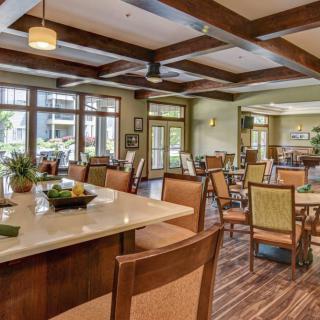
 Dining room
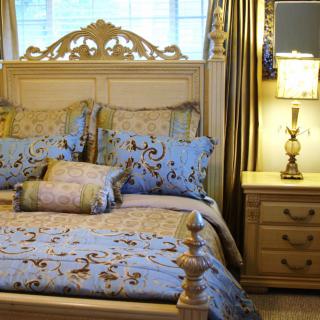
 Fully furnished
 Garden
 Housekeeping services
 Indoor common areas
 Move-in coordination
 Outdoor common areas
 Private
 Private bathrooms
 Telephone
 Wi-Fi/high-speed internet available
 Fresno Yosemite International (6 miles away)
 24-hour supervision
 Ambulatory care
 Assistance with bathing
 Assistance with dressing
 Assistance with transfers
 Diabetes diet
 High acuity care
 Meal preparation and service
 Medication management
 Special dietary restrictions
 Transportation arrangement (medical)
 Transportation to doctors appointments

 Assisted Living and Memory Care: Understanding Their Core Differences
 Beyond the Bingo Hall: 50+ Enriching Activities for Seniors in Assisted Living
 Understanding the Distinctions: Assisted Living and Memory Care Explained