
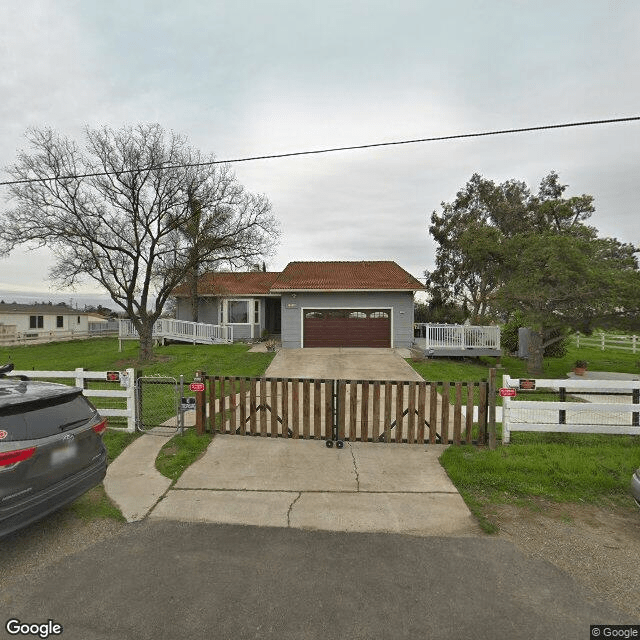
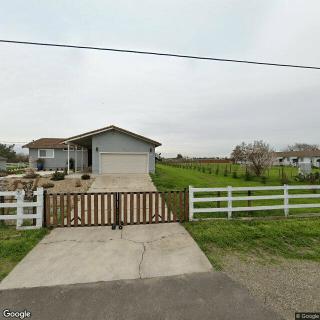
7910 Bright Rd, French Camp, CA 95231
To contact a resident: (209) 914-2859
For more information about senior living options: (866) 208-4318
Diamond Care, Inc. Costs & Pricing
Diamond Care, Inc. presents a premium option for semi-private accommodations in comparison to the broader market trends observed in San Joaquin County and across California. With a monthly cost of $6,600, Diamond Care's pricing significantly exceeds both the county average of $3,074 and the state average of $3,333. This positioning suggests that Diamond Care likely offers enhanced services or amenities that cater to a clientele seeking specialized care or a more tailored living experience. While the costs are notably higher than regional standards, they may be justified by the quality of care and support provided within their facilities.
| Floor plans | Diamond Care, Inc. | San Joaquin County | California |
|---|---|---|---|
| Semi-Private | $6,600 | $3,074 | $3,333 |
Memory care communities with a similar price nearby
-
from -$750 / mo
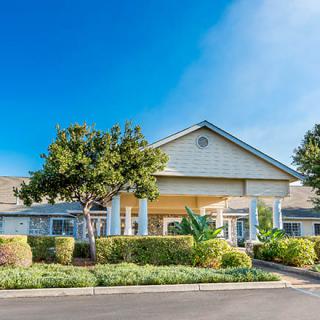
Brookdale Kettleman Lane
$5,850 to $8,595 / month16.5 miles away -
from -$600 / mo
Malonzo Elder Care
$6,000 / month23.5 miles away -
from -$478 / mo

Golden Living Center - Portside
$6,122 / month7.0 miles away
Overall Review of Diamond Care, Inc.
Pros
 The staff at Diamond Care are always available to meet residents' needs.
- Gloria is a caring, compassionate owner who listens to families.
- The facility is described as a happy place with a quiet, relaxing atmosphere.
- Diamond Care is clean, tidy, and secure, with a gated entrance and cameras.
- The care helps residents improve and progress in rehabilitation toward walking again.
- Nurses are credited with cooking great meals and contributing to a welcoming environment.
- Memory games and therapy pets enhance residents' well-being and memories.
- Families feel cared for and treated like family by the staff.
Cons
 Some staff members pass off their responsibilities to others instead of doing their own tasks.
- There is concern that certain staff do not perform their duties, passing tasks to others who aren’t supposed to handle them.
Review
Diamond Care, Inc. in French Camp is best suited for families seeking a small to mid-size, recovery-focused community with a calm, country atmosphere and hands-on, compassionate care. It works well for short-term post-acute rehab, memory-impaired residents who benefit from memory-building activities, and families who value easy access for visits because the setting is quiet, clean, and welcoming. The combination of a secured entrance, approachable staff, and a nurturing owner creates a sense of safety and family involvement that can accelerate a return to independence. For households prioritizing a bustling campus, extensive on-site amenities, or highly regimented, 24/7 medical oversight, this community may feel more intimate than ideal.
There is also a clear case for considering alternatives for families seeking consistent, fault-free accountability across every shift. A notable critique appears in the fitful note that some staff members pass off responsibilities to others. In a setting where timely assistance, safety checks, and clear ownership of tasks matter, that kind of commentary can signal inconsistencies. Families should weigh this against the overall tone of care and the visible willingness of leadership to listen and respond. If steady, unambiguous task ownership is non-negotiable, exploring facilities with explicit staffing protocols and documented accountability may be wise.
The strongest pro-columns here are practical and tangible. The environment is deliberately quiet and tidy, with clean common areas and an orderly campus that invites outdoor time and easy visitation. Nursing availability is repeatedly described as responsive, which matters greatly for post-acute rehab and ongoing medical needs. The owner, Gloria, is repeatedly credited with compassion and personal attention, turning administrative interactions into a sense of familial partnership. This combination, accessible nurses, a nurturing leadership voice, and a peaceful, country setting, creates a platform where rehabilitation can proceed without the stress of a frantic, high-traffic environment.
Care experiences for residents with memory challenges highlight another compelling advantage. Reviews describe personalized activities crafted to engage cognitive function, such as memory games, and the use of therapy pets that provide emotional comfort. The presence of engaging routines appears to support mood and motivation during recovery, which can translate into more effective therapy sessions and a smoother transition back toward daily living. For families concerned about dementia care, the demonstrated willingness to tailor activities to individual preferences is a meaningful differentiator that offsets the general absence of a large, specialized dementia unit.
Rehab-focused care is the standout feature, with multiple anecdotes about progress and hopeful recovery trajectories. The narrative of a mom improving toward walking again and a sister transitioning with a supportive, low-stress environment speaks to the core value proposition: a community that can effectively shepherd short-term stays toward meaningful functional gains. Visitors consistently note warmth and attentiveness from staff, which contributes to a less intimidating rehab journey. These elements are powerful when the goal is to achieve concrete, measurable improvements in mobility, strength, and independence during a defined recovery window.
In the end, Diamond Care suits families prioritizing a practical, compassionate post-acute setting over a large, multi-floor skilled-community experience. It is well advised for those who want accessible, family-like care, steady nursing support, and a calming atmosphere that supports physical rehab and cognitive engagement. Pros strongly offset the potential drawback of occasional task handoffs, provided the family accepts a smaller operation with a close-knit, attentive leadership style. For households needing more explicit staffing accountability, longer-term acute medical supervision, or a facility with a broader array of on-site amenities, alternatives should be explored. A firsthand visit is essential to confirm that daily routines, therapist availability, and the cadence of care align with the resident’s specific rehabilitation and personal needs.
 Board and Care Home
 Memory Care
 Cats allowed
 Dogs allowed
 Activities on-site
 Air-conditioning
 Beautician on-site
 Cable or satellite TV
 Devotional services on-site
 Fireplaces
 Ground floor units
 Handicap accessible
 Indoor common areas
 Outdoor common areas
 Respite or short term stays offered
 Swimming pool / hot tub
 Wheelchair accessible showers
 Wi-Fi/high-speed internet available
 Modesto City-County-Harry Sham (25 miles away)
 Diabetic care
 High acuity care
 Incontinence care
 Medication management
 Anytime dining
 Art classes
 Cooking classes
 Educational speakers / life long learning
 Live musical performances
 Live well programs
 Visiting Rabbi
 Visiting chaplain or priest

 When Dementia Sparks Anger and Aggression: Understanding the Connection and Ways to Cope
 Dementia Behaviors: In-Depth Understanding and Effective Coping Strategies
 5 Early Indicators of Dementia and What You Can Do