
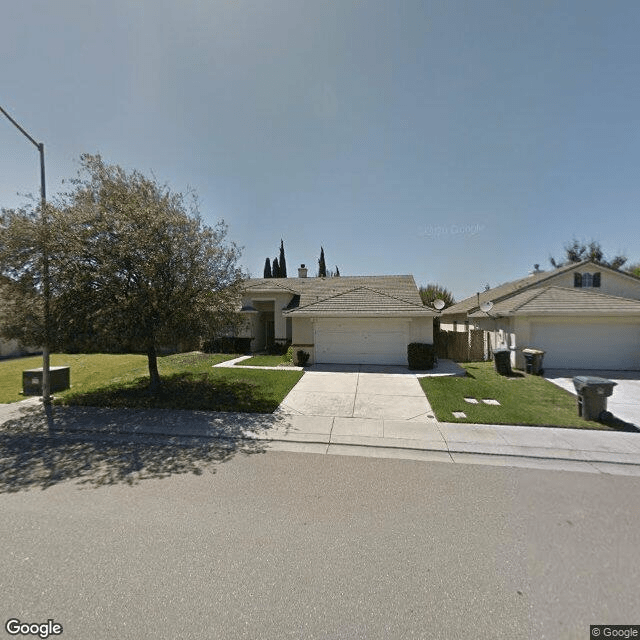
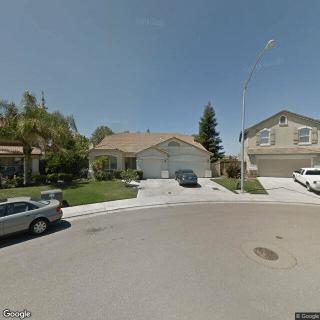
4727 Songwood Ct, Stockton, CA 95206
For more information about senior living options: (866) 208-4318
Magnolia Care Home Costs & Pricing
Magnolia Care Home offers competitive pricing for its residents, especially when compared to the broader market in San Joaquin County and the state of California. For semi-private rooms, Magnolia charges $1,800 per month, significantly lower than the county average of $3,074 and the state average of $3,333. This pricing reflects a commitment to affordability while maintaining quality care. Similarly, private rooms at Magnolia are priced at $2,500 per month - once again more economical than the county's average of $3,364 and California's average of $3,939. This favorable cost structure positions Magnolia Care Home as an attractive option for families seeking high-quality care without the financial strain typically associated with similar facilities in the region.
| Floor plans | Magnolia Care Home | San Joaquin County | California |
|---|---|---|---|
| Semi-Private | $1,800 | $3,074 | $3,333 |
| Private | $2,500 | $3,364 | $3,939 |
Assisted Living communities with a similar price nearby
-
from -$300 / mo

Optimum Senior Care Home
$1,500 to $2,500 / month16.5 miles away -
from +$200 / mo
Homestead Care for the Elderly
$2,000 to $3,000 / month2.2 miles away -
from -$105 / mo

River Fountains Of Lodi
$1,695 to $1,895 / month17.1 miles away -
from -$300 / mo
Christine's Care Home
$1,500 to $3,000 / month9.4 miles away -
About the same
Sarina's Comfort Care Home
$1,800 to $2,500 / month1.4 miles away
Overall Review of Magnolia Care Home
Pros
 The staff was decent.
- It was a nice place to visit.
- The tour of the home was great.
- It looked acceptable.
- It was a clean environment with good qualities.
Cons
 The Magnolia Care Home was described as the worst place in the world to send anyone.
- Residents were kept in wheelchairs and rolled from room to room, which debilitates their muscles.
- They lied about the mother having COVID.
- They sent her to the hospital and claimed heart issues to raise the rent.
- The owners were very bad, even though the staff was decent.
- The facility appeared to be focused on money and would not open its door or answer the phone for the hospital or the family.
- The mother’s clothes were seen on other people.
Review
Magnolia Care Home in Stockton is best suited for families that want a small, home‑like setting and are prepared to assume an active, vigilant oversight role. The reviewed experiences show a facility where appearances can be deceiving: clean common spaces and a quiet, approachable vibe may mask deeper care-management and communication gaps. This is not a place for passive oversight; residents require regular scrutiny of care plans, timely updates, and clear accountability from leadership. When families commit to frequent check‑ins, demand written policies, and insist on transparency around every transfer and charge, Magnolia can feel manageable. In practical terms, suitability hinges on proactive involvement rather than a hands‑off expectation of reliable governance.
Who should consider alternatives? Any family facing high medical complexity, ongoing physician oversight needs, or a requirement for consistently prompt hospital communication will likely find Magnolia lacking. Several reviews describe critical lapses: delayed notifications, hospital transfers without family contact, and concerns about how residents are treated. If the preference is for an environment with transparent billing, quick problem escalation, and a robust activity program that keeps residents engaged, other options should be pursued. For residents who thrive with structured, predictable daily routines and visible, steady leadership, Magnolia’s small, quiet setting may feel restrictive rather than reassuring. In short, Magnolia fits only the highly vigilant, not the caregiver seeking dependable, problem‑free care.
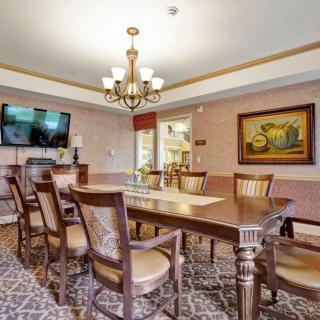
Pros exist, but they tilt against the heavier risks. The facility can present a clean, orderly environment and a calm pace that appeals to residents who dislike bustle. Some staff members are described as decent, and the initial tours often reveal a welcoming living and dining area. These small positives can improve daily comfort and reduce anxiety about unfamiliar surroundings. However, the most troubling themes from reviews center on governance and reliability: owners described as problematic, allegations of misrepresenting health status to influence rent, and repeated failures to communicate with families or coordinate hospital stays. The contrast between a neat setting and unsafe or opaque management is sharp, and for many families the risk outweighs the comfort of a tidy room.
Practical steps if Magnolia remains a consideration include demanding concrete safeguards before move‑in. Require a formally documented care plan with daily activity schedules, therapy sessions, and measurable milestones. Insist on immediate, direct notification to family for any hospital visit or change in medical status, with a named supervisor available by phone after hours. Obtain a written, itemized billing policy with third‑party audit rights and a clear policy on personal belongings. Request recent licensing and inspection reports and verify that past concerns have been addressed. Consider unannounced visits and observe staff responsiveness during evening hours to gauge real‑world performance beyond daytime tours.
Context matters. The community carries a 3.1 rating from eight reviews, split between a minority of strong positives and a majority of strong concerns. Recurring red flags, abandonment fears, delayed hospital contact, and allegations of deceptive practices, underscore a pattern that cannot be dismissed as isolated incidents. The favorable notes about cleanliness, a pleasant first impression, and occasional helpful staff do not erase the core risk: questions about leadership accountability, consistent care, and reliable communication. Prospective families should weigh the comparatively fragile governance against the modest comfort of a neat environment. In practical decisions, the safer course is to prioritize facilities with demonstrated, transparent safety culture and a track record of steady, responsive care.
Decision guidance: pursue Magnolia only with a rigorous due‑diligence plan and a willingness to switch if promised standards are not met. Use Magnolia as a comparison point against better‑staffed, more transparent facilities with clear activity calendars, verified caregiver ratios, and accessible family liaisons. Before any commitment, tour unannounced, speak with staff beyond the primary point of contact, and request live demonstrations of daily routines. Check state licensing records, inspection notes, and any patterns of enforcement actions. Compare not just the vibe during a tour, but the day‑to‑day experience reported by other families. If safety, transparency, and proactive communication are non‑negotiable, Magnolia should be deprioritized in favor of alternatives with stronger governance and demonstrable accountability.
 6 resident community capacity
 Assisted Living
 Board and Care Home
 Respite Care
 Activities off-site
 Bath tubs
 Cable or satellite TV
 Devotional services off-site
 Dining room
 Fully furnished
 Garden
 Housekeeping services
 Indoor common areas
 Move-in coordination
 Outdoor common areas
 Private
 Telephone
 Wheelchair accessible showers
 Wi-Fi/high-speed internet available
 24-hour supervision
 Ambulatory care
 Assistance with bathing
 Assistance with dressing
 Assistance with transfers
 Diabetes diet
 Diabetic care
 High acuity care
 Incontinence care
 Meal preparation and service
 Medication management
 Special dietary restrictions
 Transportation arrangement (medical)
 Transportation to doctors appointments
 Christian services


 Comprehensive Supportive Living Arrangements for Adults with Disabilities
 Funding and Affording Assisted Living: A Thorough Overview
 Assisted Living Expenses and Long-Term Care Insurance: A Comprehensive Exploration