
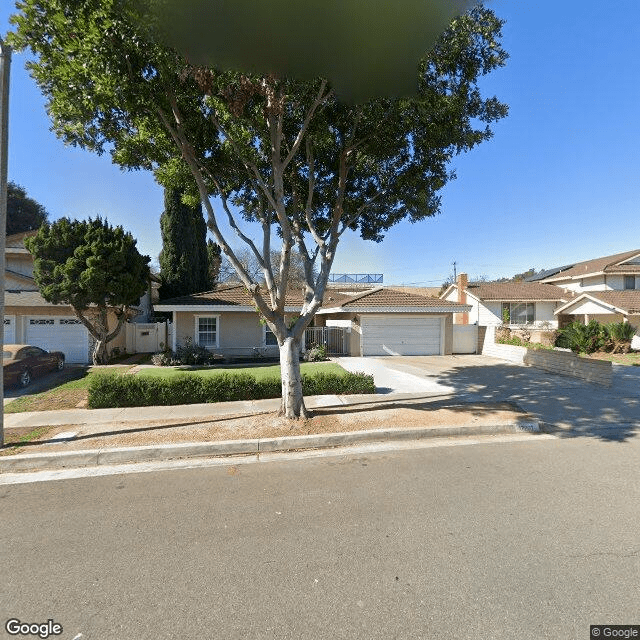
17207 Buttonwood, Fountain Valley, CA 92708
To contact a resident: (657) 464-9388
For more information about senior living options: (866) 208-4318
Doctors TLC Assisted Living Costs & Pricing
Doctors TLC Assisted Living offers competitive pricing for its services compared to the average costs in Orange County and across California. For a semi-private room, residents pay $2,500 per month, significantly lower than the county's average of $3,431 and the state average of $3,333. Private rooms at Doctors TLC are available for $4,000 monthly, which is quite comparable to the local rate of $4,104 but slightly higher than the statewide average of $3,939. The cost for a one-bedroom unit matches that of the private room at $4,000 per month; this is also competitive against Orange County's average of $4,380 and California's statewide average of $4,340. Overall, Doctors TLC provides an appealing option for affordable assisted living in a region where prices can be notably higher.
| Floor plans | Doctors TLC Assisted Living | Orange County | California |
|---|---|---|---|
| Semi-Private | $2,500 | $3,431 | $3,333 |
| Private | $4,000 | $4,104 | $3,939 |
| 1 Bedroom | $4,000 | $4,380 | $4,340 |
Memory care communities with a similar price nearby
-
from +$300 / mo
Candlewood Care Home III
$2,800 to $3,400 / month9.3 miles away -
from -$100 / mo
Living Well Care Home
$2,400 to $3,200 / month11.1 miles away -
from +$300 / mo
Leah Loving Elderly Care
$2,800 to $3,000 / month1.0 miles away -
from +$200 / mo
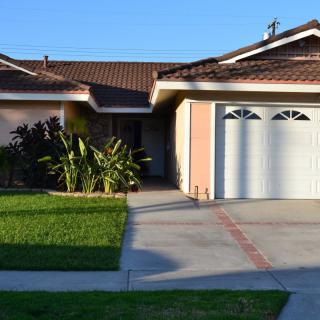
Loving Care Senior Home
$2,700 to $3,500 / month1.2 miles away -
from -$200 / mo
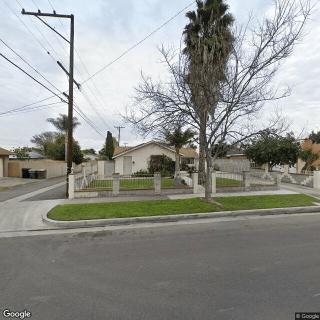
Bronwyn Residential Care
$2,300 to $3,500 / month7.8 miles away
Overall Review of Doctors TLC Assisted Living
Pros
 Nicoletta and Fountain Valley Senior Care are highly commendable for their compassionate, gentle care.
- The staff are described as kind and gentle toward the father.
- They provided excellent care for him.
- The care gave the family tremendous peace of mind.
- The home is described as beautiful and caring.
- The owner and staff are amazing and caring.
Review
Doctors TLC Assisted Living in Fountain Valley is best suited for families pursuing a small, home-like setting where end-of-life care is delivered with genuine warmth and steady consistency. It rewards residents who favor intimate attention over a hospital-like atmosphere, with staffing that is familiar with the resident’s story and preferences. Families consistently highlight the compassionate leadership of Nicoletta and a staff that treats residents with dignity and gentleness, delivering the kind of peace of mind that comes from knowing a loved one is held in capable, caring hands. This community feels less like a facility and more like a trusted family home that prioritizes presence, continuity, and emotional support during difficult times.
Yet, this is not the right fit for everyone. For residents who require robust on-site medical resources, 24/7 skilled nursing, or a larger campus with extensive programming, alternatives may be preferable. The strength here rests on personalized attention, not on hospital-grade machinery or a wide array of scheduled activities. Prospective families should be honest about medical acuity and care plans; when those demands stretch beyond what a small team can safely manage, a larger facility with broader clinical staffing will usually serve better.
The strongest advantages are the lived experiences families report: an owner and staff who are described as amazing, caring, and deeply devoted to the resident. The care provided translates into tangible peace of mind for siblings and children who had previously faced the stress of making end-of-life arrangements. A “beautiful and caring home” atmosphere reinforces stability, reduces agitation, and fosters a sense of routine and respect. In situations where emotional comfort and continuity matter most, these advantages can outweigh the limits inherent to a smaller operation.
That said, the intimate footprint inevitably means fewer on-site services and less anonymity in daily life, which can feel restrictive for some residents. The potential gaps in medical oversight or emergency readiness are not openly criticized in the experiences shared, but prudent families will verify current staffing levels, medication management practices, and care coordination processes. The reviews underscore that the care philosophy centers on gentleness and personal connection; ensuring those qualities align with a resident’s needs is essential before committing.
Practical steps will help determine fit: arrange a face-to-face visit, meet the care team, and request a clear outline of daily schedules, hospice collaboration policies, and how family input is integrated into care decisions. Ask about how transitions are handled if a higher level of care ever becomes necessary, how often staff ratios fluctuate, and what daily activities look like. The testimonials provide a strong signal of reliability and heart-forward care, but confirming current operations will prevent drift from expectations.
In sum, Doctors TLC Assisted Living stands out for families prioritizing a warm, intimate home environment and steady, person-centered care during challenging times. It excels at delivering peace of mind through compassionate leadership and consistent attention to residents’ comfort and dignity. It will be an excellent match for those who value presence, easy family involvement, and a non-institutional atmosphere. For families seeking expansive medical programming, sophisticated memory care, or a larger community footprint, alternatives should be considered. With a high 4.7 rating from three reviews, the consensus is clear: this is a trusted choice in Fountain Valley for those who want heart-forward, individualized care in a small, residential setting.
 Board and Care Home
 Memory Care
 Activities off-site
 Bath tubs
 Beautician on-site
 Devotional services off-site
 Indoor common areas
 Outdoor common areas
 Private
 Private bathrooms
 Respite or short term stays offered
 Wheelchair accessible showers
 John Wayne Orange Co (6 miles away)
 Ambulatory care
 Medication management
 Meals provided


 Nourishing the Mind: Essential Dietary Approaches for Dementia
 Understanding Dementia Behaviors: Practical Insights and Strategies for Caregivers
 When Dementia Sparks Anger and Aggression: Understanding the Connection and Ways to Cope