
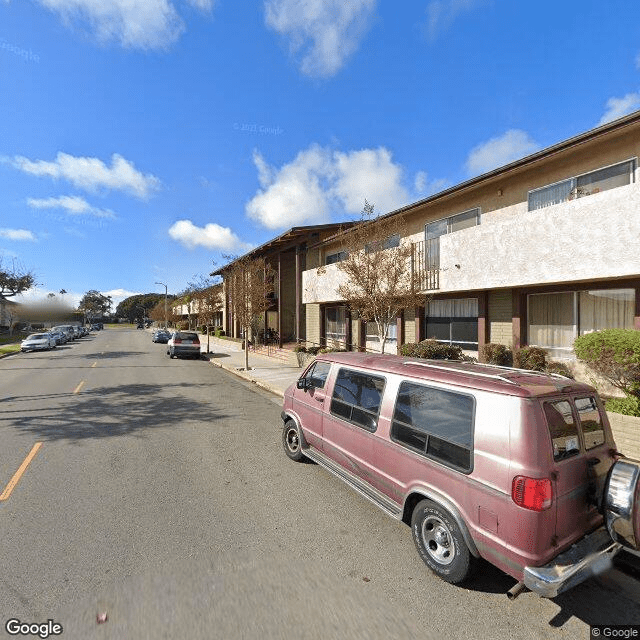
9925 La Alameda Ave, Fountain Valley, CA 92708
To contact a resident: (714) 962-5531
For more information about senior living options: (866) 208-4318
Seaside Terrace Costs & Pricing
Seaside Terrace offers a range of competitive monthly costs that provide notable value when compared to both Orange County and the broader California market. For semi-private rooms, expenses at Seaside Terrace range from $2,200 to $4,213, which is significantly lower than the average cost in Orange County at $3,431. Studio apartments also reflect a favorable pricing structure, ranging from $3,000 to $5,476 - again undercutting Orange County's average of $4,313. In terms of private rooms, Seaside Terrace sets a flat rate of $5,055; while this exceeds the averages in both Orange County and California ($4,104 and $3,939 respectively), it still provides unique benefits that could justify the price for prospective residents. Overall, Seaside Terrace presents a compelling option for individuals seeking quality accommodation within a vibrant community setting.
| Floor plans | Seaside Terrace | Orange County | California |
|---|---|---|---|
| Semi-Private | $2,200 to $4,213 | $3,431 | $3,333 |
| Studio | $3,000 to $5,476 | $4,313 | $4,145 |
| Private | $5,055 | $4,104 | $3,939 |
Memory care communities with a similar price nearby
-
from +$200 / mo
Living Well Care Home
$2,400 to $3,200 / month11.4 miles away -
from -$200 / mo
John Villa's Home Care
$2,000 to $3,000 / month4.2 miles away -
from +$100 / mo
Bronwyn Residential Care
$2,300 to $3,500 / month7.9 miles away -
from +$300 / mo
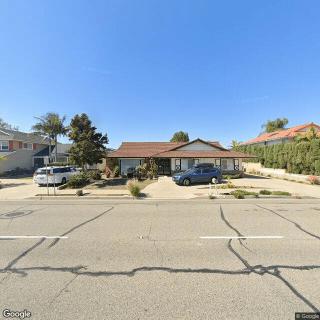
Madison Home Care 2
$2,500 to $2,800 / month8.6 miles away -
from -$250 / mo
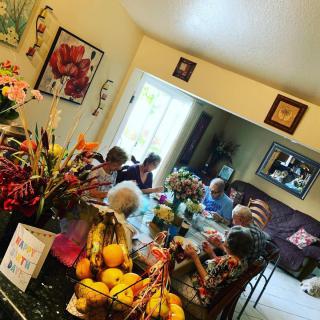
Select Senior Care, LLC
$1,950 to $6,200 / month14.4 miles away
Overall Review of Seaside Terrace
Pros
 Seaside Terrace is an amazing facility.
- They take such good care of residents and are very communicative with families.
- The staff are helpful, patient, and truly care about residents’ well-being.
- The facility is nice, clean, and offers engaging, creative activities.
- The business manager Nick Payan is nice, professional, and very helpful.
- The staff go the extra mile for clients and are highly recommended.
Cons
 The staff don’t care about the residents.
 - A medicine tech named Jennifer yells at residents.
- The reviewers describe the place as the worst they’ve ever dealt with and would not recommend it.
- The afternoon and nighttime caregivers are terrible, and the front desk staff irritate residents needing care, causing long waits.
- There are rats, heavy chemical use, and a staff shortage that results in neglect of residents.
- The building is run down and poorly maintained, with the memory care unit often smelling like urine.
- The administration does not provide invoices or bills, leaving records and insurance needs unaddressed.
- A resident was found alone in a wheelchair with a stroke, and care was delayed, showing serious safety concerns.
Review
Seaside Terrace in Fountain Valley, CA is best suited for families that want a dementia-friendly setting with active family involvement, a recently remodeled campus, and staff who can appear caring when operating at their best. It works for residents whose needs are more about routine, engagement, and companionship than for those requiring high-touch medical management or consistent, around-the-clock oversight. Those seeking a pristine, flawless safety record should look elsewhere. Alternatives to consider are communities with demonstrably rock-solid staffing, transparent billing, and proven training focused on memory care and acute care needs.
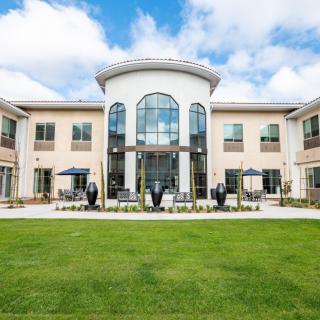
On the upside, several families report welcoming, personable care when the facility is staffed at adequate levels. Positive threads highlight a remodel that refreshed common spaces, attentive activity programming, and staff who seem genuinely motivated to help, particularly when operations run smoothly. The business side can also be commendable; some families describe professional interactions with managers who are responsive and communicative, and a meaningful number of residents with dementia benefit from programs designed to keep them engaged. In the right shift and with reliable supervision, these elements can translate into meaningful daily life for many residents.
However, the fabric of Seaside Terrace is frayed by persistent, widespread concerns about staffing and day-to-day care. The most troubling reviews describe caregivers who are abrupt, inattentive, or slow to respond, with residents waiting uncomfortably for assistance. There are accounts of incontinence care delays, limited help during changes, and reports of staff shortages that leave residents inadequately supervised. Safety incidents are described by some families as systemic failures rather than isolated missteps, including moments when a resident appears to be left unattended or improperly monitored. These experiences strongly undermine confidence in consistent, reliable care.
The core tension is whether the bright spots can offset the significant gaps. The positive experiences, friendlier staff in certain shifts, engaging activities, and a visible remodel, do not reliably counterbalance the ongoing concerns about staffing levels, care quality, and maintenance problems. For families weighing risk, the scales tip toward caution: where memory care and high-needs assistance are essential, the inconsistent staffing and reports of neglect or delay create a risk profile that is hard to overlook. Prospective residents should not assume that a good day translates into a dependable standard across all shifts and units.
For decision-making, several concrete steps are essential. Conduct a multi-visit tour, ideally at different times of day, to observe caregiver-resident interactions, response times, and the quality of personal care. Request to review recent care plans, medication administration records, and incident logs; verify that medications are stocked and refilled promptly. Speak directly with families currently living with memory care residents to gauge ongoing satisfaction, and inquire about billing practices and timeliness of invoices. Assess the cleanliness and maintenance of the memory care unit, paying attention to odors and the frequency of linen changes. Finally, compare Seaside Terrace against other communities with stronger safety histories and transparent staffing ratios to determine whether the potential warmth and engagement are worth the trade-off in consistent, high-quality care.
 Assisted Living
 Independent Living
 Memory Care
 Activities off-site
 Beautician on-site
 Devotional services on-site
 Indoor common areas
 Outdoor common areas
 John Wayne Orange Co (6 miles away)
 Ambulatory care
 Diabetic care
 Incontinence care
 Medication management
 Meals provided

 Dementia Behaviors: In-Depth Understanding and Effective Coping Strategies
 5 Early Indicators of Dementia and What You Can Do
 8 Important Indicators That Memory Care May Be Necessary