
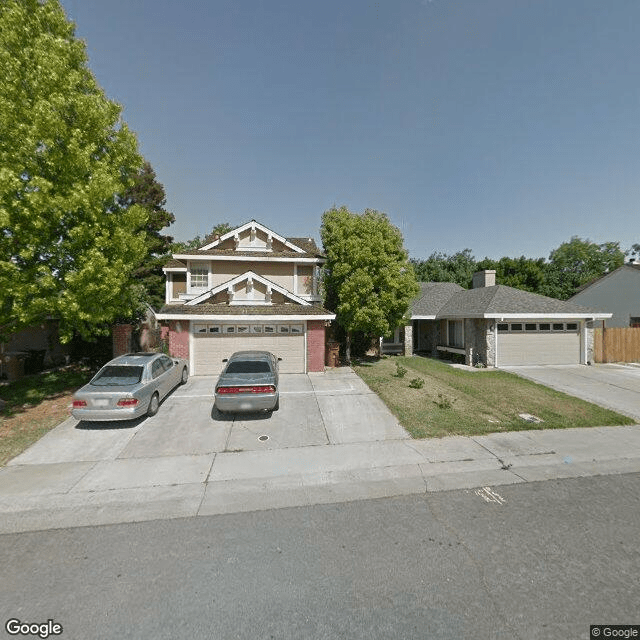
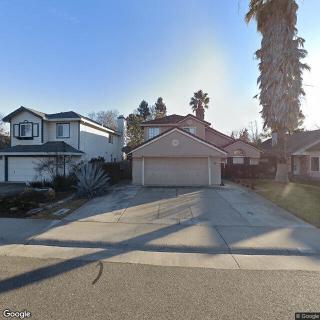
9485 Portlaw Way, Elk Grove, CA 95758
To contact a resident: (916) 747-9850
For more information about senior living options: (866) 208-4318
Muscan Care Home Costs & Pricing
Muscan Care Home offers a compelling value for those seeking private room accommodations, with a monthly cost of $1,900. This price is significantly lower than both the Sacramento County average of $3,686 and the broader California average of $3,939. Such an attractive pricing model not only highlights Muscan Care Home's commitment to affordability but also positions it as a cost-effective option for families looking for quality care without the burden of excessive financial strain. By providing essential services at a reduced rate compared to other options in the region, Muscan Care Home stands out as an appealing choice for prospective residents.
| Floor plans | Muscan Care Home | Sacramento County | California |
|---|---|---|---|
| Private | $1,900 | $3,686 | $3,939 |
Memory care communities with a similar price nearby
-
About the same
Bloomfield Hills Assisted Living
$1,900 to $2,400 / month22.1 miles away -
from -$100 / mo
Ciric Care Home
$1,800 to $2,800 / month14.2 miles away -
from -$300 / mo
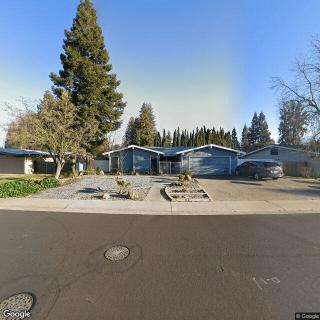
Gormley's Retirement Home
$1,600 to $2,400 / month2.3 miles away -
from +$95 / mo
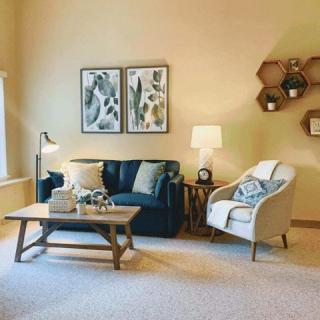
Carlton Senior Living Sacramento Enhanced Assisted Living
$1,995 to $3,695 / month11.9 miles away -
from +$300 / mo

Tina's Home Care
$2,200 to $2,500 / month18.9 miles away
Overall Review of Muscan Care Home
Pros
 They always took the best care of her.
- The caregivers were clearly concerned about her needs.
- The care and attention to detail given to each client is amazing.
- They provided timely, spot-on recommendations to improve her comfort.
- They held the cup to keep her hydrated as her abilities declined.
- Some care workers prayed with her at night, which she loved.
- The facility felt like extended family and helped maintain a high quality of life to the end.
Review
This Elk Grove community is best suited for families seeking a small, home-like setting where a loved one receives intensely personalized care, particularly if dementia or progressive mobility needs are present. The six-bed scale creates a tightly knit environment in which staff become intimately familiar with each resident’s routines, preferences, and medical quirks. The care team, led by staples like Maria and David, earns trust through consistency, hands-on attention, and a willingness to go the extra mile. Families that prize continuity of care, frequent family updates, and a sense that the facility operates as an extended family will find the strongest alignment here. In short, this option thrives for residents who benefit from highly individualized support within a warm, low‑key home atmosphere.
Those who may want to consider alternatives are families pursuing a larger community with formalized therapeutic programs, comprehensive clinical oversight, or a full calendar of daily activities. A bigger campus often offers more robust on-site medical staffing, more structured memory care resources, and a wider range of therapies and transportation options. If a loved one requires intensive, round‑the‑clock clinical management or a dynamic activity calendar with daily, predictable programming, another setting may deliver more of those services under one roof. Prospective residents should weigh the trade-off between intimate, personalized care and the breadth of services found in larger communities.
The strongest pros center on the staff’s devotion and the family‑style atmosphere. The reviews repeatedly highlight meticulous, attentive care and a willingness to address problems promptly. Staff members are described as both capable and compassionate, able to handle complex dementia-related needs while maintaining dignity and comfort. Proactive communication stands out as a key asset: caregivers offer practical recommendations, alert families to options they might not otherwise consider, and keep medical conversations moving in the right direction. Hydration support, end-of-life attentiveness, and even spiritual supplementation, such as prayers with residents, illustrate a depth of individualized care that is hard to match in larger facilities. Cleanliness and a tidy home environment reinforce the sense of safety and order that families value.
These advantages offset the main potential drawbacks inherent in a small, six-bed setting. While the intimate scale may limit the breadth of activities and the frequency of on-site programming, the flip side is that each engagement is highly personalized and reliably consistent. The same small footprint that constrains activity diversity also enables stronger, more meaningful relationships between residents and caregivers. Families report that staff stay closely connected with doctors and advocates, which can compensate for fewer formal programs with heightened coordination and better-tailored care plans. In practice, the advantages of trust, continuity, and hands-on daily support often eclipse the relative scarcity of amenities found in larger communities.
Dietary routines and daily rhythms further strengthen the case. Fresh fruits and vegetables, a practical meal structure with a bigger midday meal and lighter suppers, plus periodic activities, when available, create predictable, comforting routines. The small size tends to translate into easier, more natural caregiving moments: caregivers know when a resident needs help with meals, hydration, or mobility, and they adapt quickly. Several residents’ families describe a sense that the staff became extended family over time, a testimony to the depth of relationship that can develop in a close setting. Cleanliness, quiet dignity, and reliable problem-solving round out the practical strengths that families rely on when they need reassurance.
Bottom line: for families prioritizing warmth, continuity, and direct access to a devoted caregiving team, this community represents a strong, practical choice. It delivers remarkable, highly personalized care that can maximize quality of life and comfort for residents with dementia or mobility challenges. Those seeking a richer calendar of formal activities, broader medical services, or a larger community should assess other options with similar diligence. Prospective families should visit with questions about current staffing ratios, memory‑care capabilities, activity schedules, and transportation supports, ensuring alignment with the resident’s evolving needs. The right fit will feel like inviting a trusted, capable partner into the daily care journey.
 Board and Care Home
 Memory Care
 Private
 Sacramento International (22 miles away)



 Delving into the Inner World of Dementia: Insights into Thoughts and Awareness
 Five Subtle Dementia Indicators to Observe: An In-Depth Guide to Understanding “Does My Mom Have Dementia?”
 Dementia, Paranoia, and Caregiver Guidance: Understanding the Connection