

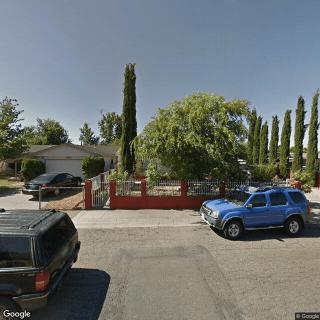
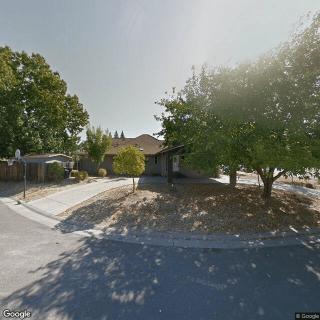
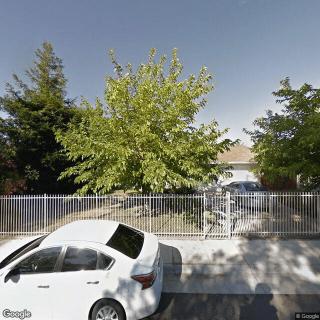
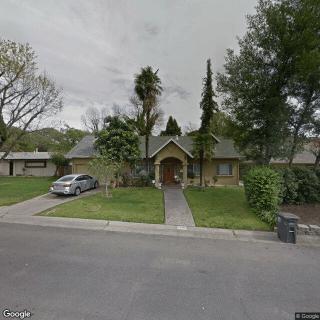
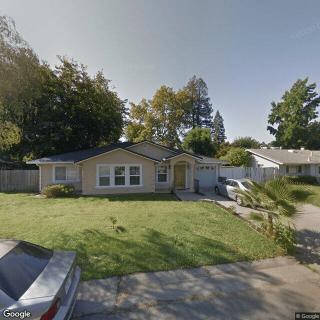
4232 Don Julio Blvd, North Highlands, CA 95660
To contact a resident: (916) 344-3101
For more information about senior living options: (866) 208-4318
Tina's Home Care Costs & Pricing
Tina's Home Care offers competitive pricing for its residents when compared to the average costs in Sacramento County and across California. For a semi-private room, Tina's rates are notably lower at $2,200 per month, compared to $3,106 in Sacramento County and a statewide average of $3,333. Similarly, the cost for a private room at Tina's is set at $2,500, which is significantly less than the county rate of $3,686 and the state average of $3,939. These attractive pricing options position Tina's Home Care as an affordable choice for families seeking quality care without compromising on comfort or services.
| Floor plans | Tina's Home Care | Sacramento County | California |
|---|---|---|---|
| Semi-Private | $2,200 | $3,106 | $3,333 |
| Private | $2,500 | $3,686 | $3,939 |
Memory care communities with a similar price nearby
-
from +$300 / mo
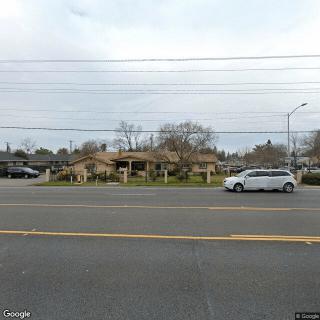
Eastern Manor
$2,500 to $3,000 / month4.9 miles away -
from -$300 / mo
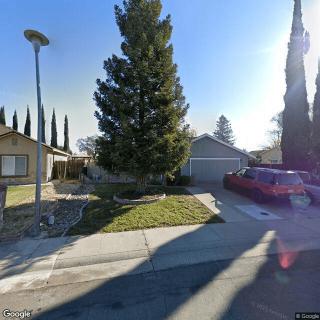
Bloomfield Hills Assisted Living
$1,900 to $2,400 / month4.5 miles away -
from +$300 / mo
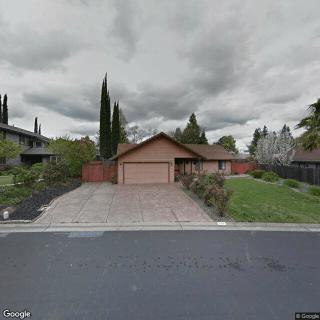
A.R.C. Manor of Folsom
$2,500 to $3,500 / month9.6 miles away -
from -$400 / mo

Ciric Care Home
$1,800 to $2,800 / month8.2 miles away -
from +$300 / mo

Loomis Home Care
$2,500 to $4,000 / month14.8 miles away
Overall Review of Tina's Home Care
Pros
 The care at this home is good, with friendly staff who keep residents informed.
- Residents feel safe in their environment.
- The meals are enjoyed by the residents and are prepared as home-cooked meals.
- The community is clean, small, and welcoming.
- The owner treats families as part of the family, creating a warm, supportive atmosphere.
- Residents are happy with the activities, including cards, a nice library, and games, and there is an outdoor area to enjoy.
Cons
 The care is not there from the caregivers at Tina's Care Home.
- Asking caregivers to shower a family member twice a week was considered excessive.
- Everyone stays confined to their rooms with doors shut most of the day, except during meals.
- There are no activities.
- The atmosphere is saddening.
- The community is older and not what they wanted.
- The room was cold and needing improvements.
- They would not recommend the care being offered here to other families.
Review
Tina’s Home Care in North Highlands is best suited for families seeking a tiny, intimate setting where care feels personal and the environment operates more like a small, family-centered home than a formal facility. With a four-person footprint, the community leans into close, consistent caregiver contact, making it appropriate for residents who prioritize warmth, routine, and a sense of belonging over breadth of programming. Those who require robust clinical oversight, frequent shifting staff, or extensive on-site activities may want to explore larger assisted-living campuses that offer more structured programming and visible daily schedules.
The strongest positives center on the human touch. Guests consistently note a welcoming, accommodating staff and an owner who treats residents and their families almost as extensions of her own family. The home’s size reinforces the feeling of safety and attentiveness, with caregivers who communicate with families and keep them informed. Meals are described as home-cooked and well-received by residents, contributing to a calm, clean, and orderly environment that many families value when choosing care for a loved one. There is also an evident emphasis on a pleasant atmosphere and open, friendly interactions, plus a small outdoor area that can offer gentle fresh-air moments.
Yet the upside is tempered by clearly articulated drawbacks. Some reviews portray care as insufficient or inconsistent, with one describing the core care as “not there” and noting unmet expectations around basic tasks such as shower frequency. A tension exists between the home’s intimate charm and the perception that residents are largely confined to their rooms, with little visible engagement beyond meals. Reports of no activities or a saddening atmosphere point to gaps in daily stimulation for residents who crave social interaction and structured routines. In several visits, families encountered logistical hurdles, language barriers during tours, difficulty seeing other residents, and rooms that appeared cold or unfinished, factors that undermine confidence for prospective entrants.
Overall, the pros and cons balance differently depending on individual priorities. For a resident who thrives in a quiet, family-like setting and relies on consistent, warm caregiving in a small home, the strong personal connections, safety, and reliable meals can offset the limited programming and occasional care gaps. For someone who needs frequent assistance with daily living tasks, enjoys a bustling activity calendar, or requires transparent, multi-lingual communication across shifts, these limitations are more likely to be deal-breakers. The critical question is whether the intimate, homey environment will compensate for the absence of robust daily programming and the potential inconsistencies some families have observed.
Families evaluating Tina’s should plan a thorough, behavior-focused tour and ask specific performance questions. Confirm daily care routines, including shower frequency and assistance with hygiene, and request a written outline of the activity schedule and resident engagement opportunities. Inspect the room options, noting whether shared spaces or private accommodations best suit their loved one, and assess the actual warmth of the living area and the perceived warmth of staff interactions on a typical day. Clarify language capabilities among staff and verify how communications are maintained with families when shifts change. If the resident desires a highly social environment with a strong menu of activities and a durable routine, alternatives with larger staffs and more formal programming will likely outperform Tina’s.
In the end, Tina’s Home Care is a compelling choice for families seeking a small, home-like haven where caregivers strive for personal connection and daily meals feel like home cooking. It excels in warmth, safety, cleanliness, and familial rapport, which can be decisive for residents who prize a nurturing, low-key setting. The most important consideration is alignment between these strengths and the resident’s need for daily activity, consistent personal care, and accessible communication. If those needs lean toward more structured programming, larger-scale amenities, or more visible, multilingual staffing, pursuing other options is prudent.
 Board and Care Home
 Memory Care
 Private
 Sacramento International (12 miles away)
 Ambulatory care
 Incontinence care
 Medication management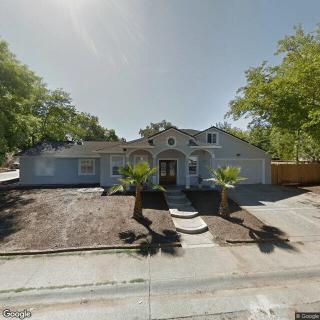

 Engaging Memory Care Activities That Enhance Quality of Life
 When to Transition from Assisted Living to Memory Care: Key Indicators, Steps, and Finding the Right Community
 Understanding the Distinctions: Assisted Living and Memory Care Explained