Mountain View Alzheimer's Center presents competitive pricing in comparison to broader regional averages for assisted living options catering specifically to individuals with Alzheimer's disease. For semi-private accommodations, the center charges $4,200 per month, which is notably higher than both Los Angeles County's average of $3,349 and the state average of $3,333. When it comes to private studio units, Mountain View's monthly fee of $7,000 significantly surpasses the county's average of $4,172 and California's statewide figure of $4,145. These costs reflect not only the specialized care provided at Mountain View but also suggest a premium for personalized support that may be worth considering for families seeking high-quality dementia care in a nurturing environment.
Floor plans
Mountain View Alzheimer's Center
Los Angeles County
California
Semi-Private
$4,200
$3,349
$3,333
Studio
$7,000
$4,172
$4,145
Memory care communities with a similar price nearby
Overall Review of Mountain View Alzheimer's Center
differentiator4 reviews mention this
Care teams manage behaviors
Residents describe medication adjustments and behavior support.
Several residents and families say the staff worked on medication plans to address behavior changes, including finding options that helped keep people calm. One family specifically appreciated that staff were not “over medicating” and another described medication changes used to keep a resident productive. A separate reviewer also said staff worked with the nurse practitioner to find the right medications and learned how to communicate best. Residents also mention ongoing communication about concerns as part of that care process.
differentiator7 reviews mention this
Secure setup for wandering
The community setup is described as safe for walking.
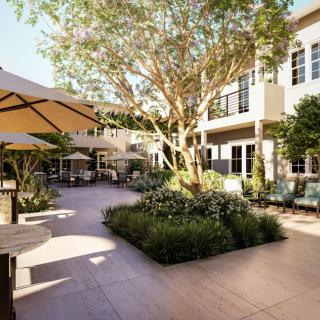
Families frequently bring up wandering or running away when they explain why they chose this place, and several say the environment is safe and secure. Reviews describe a living area that is safe and secure, plus an outdoor courtyard or patio where residents can walk. One family said the secured grounds made it difficult for a resident to escape the compound. Others mention that staff help encourage independence while staying safe, which ties directly to how residents move around day to day.
common7 reviews mention this
Meals, snacks, and nutrition
Meals and snacks are a consistent bright spot.
Multiple reviews mention regular meals and snacks, with families describing residents staying well fed. Several say food improved—one reviewer tied weight gain to getting back to full meals and snacks. Another describes daily routines that include three meals and an afternoon snack, with food delivered from the kitchen. A few reviewers also mention smaller snacks throughout the day and residents looking clean and well cared for alongside those eating routines.
common6 reviews mention this
Activities and structured days
Residents describe structured activity time.
Reviews point to on-site group time—such as TV, games, and group activities—along with opportunities to spend time in shared common areas. Families also describe in-house programs that reduce the need to transport residents for appointments. One review specifically says the staff structured daily activities for enjoyment and safety. Others mention afternoon activities and that residents have options if they choose to participate.
common2 reviews mention this
Bilingual communication helps families
Families mention bilingual staff as a help.
At least two families mention language support, saying staff speak the resident’s languages. One reviewer specifically highlighted bilingual staff for a Spanish-speaking mother. Another described communication as responsive for a resident who needed support in more than one language. For families, this comes up as part of how care stays understandable and coordinated.
caveat4 reviews mention this
Pricing feels inconsistent
Pricing receives mixed feedback from families.
Some reviewers say the price point felt fair or more affordable than other places they toured. Others strongly disagree, calling it expensive or “ridiculously” priced and describing concerns about what they were getting for the cost. One family also said the monthly expense was very high out of pocket. This split shows that cost perceptions vary widely across experiences.
How we summarize
Counts show how many written reviews mention each theme; a review can touch several themes, and only frequently mentioned themes are displayed.
Features
Types of Care
Memory Care
Pets
Cats allowed
Dogs allowed
Amenities
Activities off-site
Activities on-site
Beautician on-site
Devotional services on-site
Indoor common areas
Outdoor common areas
Respite or short term stays offered
Wheelchair accessible showers
Transportation
Ontario International (9 miles away)
Care Services
Ambulatory care
Diabetic care
High acuity care
Incontinence care
Medication management
Dining
Meals provided
Vegetarian
Activities
Activities off-site
Activities on-site
Devotional activities on-site
Nearby Places of Interest
This part of Claremont, California offers a variety of amenities and services that may be appealing to seniors looking for a convenient and comfortable living environment. With multiple pharmacies, restaurants offering diverse dining options, and nearby medical facilities such as Inland Neurosurgery Institute and Pomona Valley Hospital Medical Center, residents can easily access healthcare services. Additionally, the proximity to transportation options like Montclair Metrolink Station and Ontario International Airport makes it convenient for travel. Places of worship like Charisma Life Church and St. Anthony's Catholic Church provide spiritual support, while parks such as Citrus Park offer recreational opportunities for outdoor activities. Overall, this area provides a well-rounded community with easy access to essential services for seniors considering relocation.
Pharmacies
CVS Pharmacy (1.1 miles)
CVS Pharmacy (2 miles)
CVS Pharmacy (2.8 miles)
Walgreens (3.4 miles)
CVS Pharmacy (3.4 miles)
CVS Pharmacy (3.8 miles)
Walgreens (4.2 miles)
Restaurants
Bardot (1.9 miles)
Old Stump Brewing Co. (2.3 miles)
The Hat (2.5 miles)
McDonald's (2.9 miles)
McDonald's (3.2 miles)
Lazy Dog Restaurant & Bar (3.2 miles)
Raging Waters (5.1 miles)
Physicians
Inland Neurosurgery Institute (2.1 miles)
Heavenly 3D 4D Ultrasounds (3.2 miles)
The Robert & Beverly Lewis Family Cancer Care Center (3.2 miles)
Chapparal Medical Group (3.3 miles)
Tarick Smaili, MD (3.8 miles)
Womens View Medical Group (4.3 miles)
Foothill Dermatology Medical Center (5.3 miles)
Places of Worship
Charisma Life Church (2.4 miles)
St Anthony's Catholic Church (4 miles)
First Presbyterian Church Upland (4.5 miles)
Real Life (6.4 miles)
Hillside Community Church (8.9 miles)
Transportation
Pomona Station (2.5 miles)
Montclair Metrolink Station (2.6 miles)
Ontario International Airport - Terminal 2 (8.5 miles)
Baggage Claim T2 (8.6 miles)
Ontario International Airport (ONT) (9 miles)
Theaters
AMC DINE-IN Montclair Place 12 (3.1 miles)
Harkins Theatres Chino Hills 18 (7.6 miles)
Hospitals
Pomona Valley Hospital Medical Center (3.4 miles)
Casa Bonita (4.1 miles)
San Antonio Community Hospital Maternity Information Services (5.4 miles)
Mountain View Alzheimer's Center presents competitive pricing in comparison to broader regional averages for assisted living options catering specifically to individuals with Alzheimer's disease. For semi-private accommodations, the center charges $4,200 per month, which is notably higher than both Los Angeles County's average of $3,349 and the state average of $3,333. When it comes to private studio units, Mountain View's monthly fee of $7,000 significantly surpasses the county's average of $4,172 and California's statewide figure of $4,145. These costs reflect not only the specialized care provided at Mountain View but also suggest a premium for personalized support that may be worth considering for families seeking high-quality dementia care in a nurturing environment.
Medication management is essential in a memory care setting as it ensures residents receive their prescribed medications accurately and on time, minimizing the risk of missed doses or adverse reactions that can arise from confusion or forgetfulness. This structured approach not only supports the health and well-being of individuals with dementia or Alzheimer's but also alleviates caregiver stress by maintaining an organized system for tracking medication schedules. Incontinence care is equally important, as it addresses a common challenge faced by those with cognitive impairments. Providing compassionate and skilled assistance in this area helps maintain dignity and comfort, reduces anxiety related to accidents, and contributes to overall quality of life. Together, these features create a supportive environment that prioritizes both medical needs and personal dignity for residents coping with memory-related disorders.
Yes, Mountain View Alzheimer's Center allows both dogs and cats.
Nearby Communities
Mountain View Center
Claremont, CA
3.5 from 29 reviews
Comprehensive care options (assisted living, memory care, hospice, respite) with 24-hour supervision, furnished rooms, restaurant-style dining, and engaging activities.
The Autumn Wind
Claremont, CA
Small, intimate setting with personalized care and comprehensive services.
Comfort Keepers #237
Claremont, CA
4.4 from 25 reviews
Prime location with extensive nearby amenities and services.
Fil-Am For Seniors
Claremont, CA
Intimate small-capacity (6 residents) community with comprehensive care options and on-site amenities.
St. Daniel's Eldercare
Claremont, CA
4.6 from 11 reviews
$3,700 to $4,700 / month
Warm, home-like atmosphere with attentive caregivers and personalized care.
The Winter Wind
Claremont, CA
4.8 from 8 reviews
$2,780 to $3,800 / month
Family-like atmosphere with personalized care from nurse-led ownership.
Claremont Manor
Claremont, CA
4.3 from 93 reviews
$4,400 to $6,400 / month
Compassionate staff, diverse housing options, and engaging activities in a well-maintained, welcoming campus.
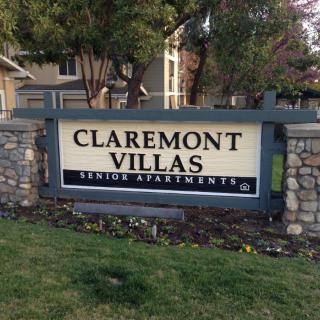
Claremont Villas
Claremont, CA
4.5 from 66 reviews
$771 to $1,114 / month
Renovated, clean apartments with friendly staff in a walkable Claremont Village location.
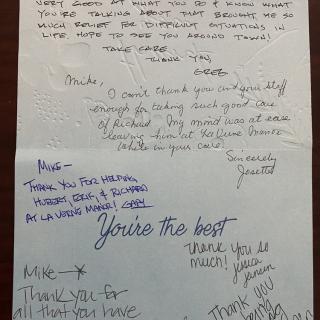
La Verne Manor
La Verne, CA
5 from 4 reviews
$1,013 to $2,000 / month
Happy residents with daily care, engaging activities, and clean, well-maintained rooms.
The article presents five subtle indicators of dementia, such as memory lapses and mood swings, to help families assess cognitive decline in loved ones. It emphasizes early detection, open communication, and seeking professional help while providing practical support steps.
Dementia encompasses progressive neurological disorders that impair cognitive functions and can lead to paranoia due to cognitive decline and emotional changes. The article discusses the triggers of paranoia in dementia, caregiver strategies for managing it, and the importance of distinguishing between dementia-related paranoia and other psychiatric conditions.
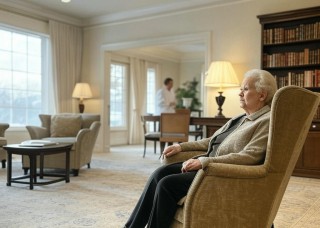
Memory care activities are essential for improving the quality of life of seniors with cognitive impairments, as they stimulate cognitive function, promote well-being, and encourage social interaction through tailored strategies. These activities combine structured exercises with spontaneous tasks, sensory engagement, physical workouts, creative pursuits, and intergenerational interactions to enhance emotional connection and a sense of purpose.
Get PricingAsk A QuestionSchedule A TourContact Senior Advisor
By clicking submit, you agree to our Partner's Terms of Use. You
also consent to receive calls and texts, which may be autodialed, from our Partner. Your consent is not a condition to
using our Partner's service. Please visit our Partner's Privacy Policy for information about their privacy practices.

 Memory Care
 Cats allowed
 Dogs allowed
 Activities off-site
 Beautician on-site
 Devotional services on-site
 Indoor common areas
 Outdoor common areas
 Respite or short term stays offered
 Wheelchair accessible showers
 Ontario International (9 miles away)
 Ambulatory care
 Diabetic care
 High acuity care
 Incontinence care
 Medication management
 Meals provided
 Comprehensive care options (assisted living, memory care, hospice, respite) with 24-hour supervision, furnished rooms, restaurant-style dining, and engaging activities.

 Five Subtle Dementia Indicators to Observe: An In-Depth Guide to Understanding “Does My Mom Have Dementia?”
 Dementia, Paranoia, and Caregiver Guidance: Understanding the Connection
 Engaging Memory Care Activities That Enhance Quality of Life