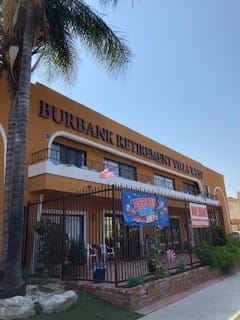
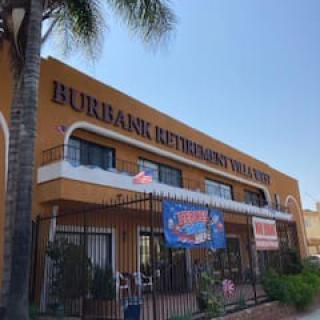
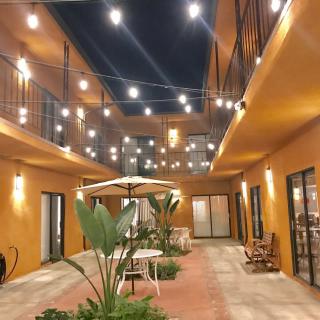
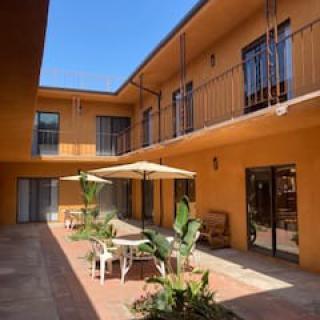
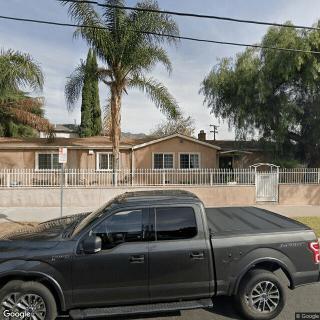
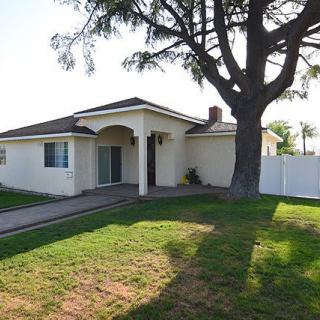
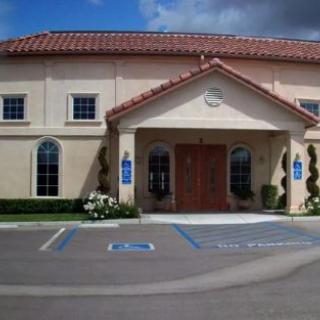
1911 Grismer Ave, Burbank, CA 91504
To contact a resident: (818) 295-2727
For more information about senior living options: (866) 208-4318
Burbank Senior Villa West Costs & Pricing
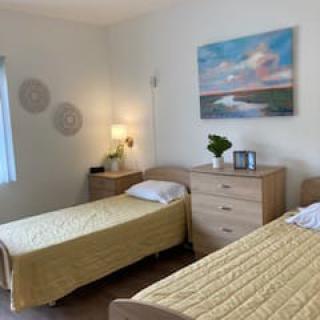
Burbank Senior Villa West offers a range of living accommodations with costs that reflect both the quality of care and the regional market. For a semi-private room, residents can expect to pay $4,500 per month, which is notably higher than the average rates in Los Angeles County at $3,349 and the state average of $3,333. In terms of studio apartments, Burbank Senior Villa West sets its price at $6,500 monthly, significantly exceeding the county's average of $4,172 and California's average of $4,145. These figures suggest that while Burbank Senior Villa West may be on the pricier side compared to local and state averages, this could be indicative of enhanced amenities or specialized services that cater especially well to seniors seeking a comfortable living environment.
| Floor plans | Burbank Senior Villa West | Los Angeles County | California |
|---|---|---|---|
| Semi-Private | $4,500 | $3,349 | $3,333 |
| Studio | $6,500 | $4,172 | $4,145 |
Memory care communities with a similar price nearby
-
from +$500 / mo

Sweet Home Senior Living #1
$5,000 to $7,500 / month6.0 miles away -
About the same
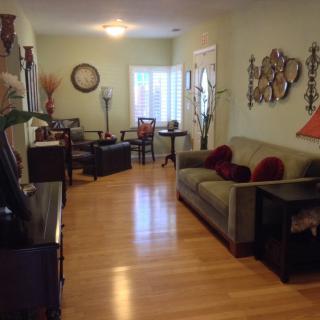
Ardenville Home Care I
$4,500 / month1.2 miles away -
from -$700 / mo
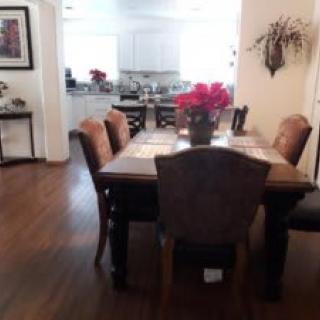
America's Care Manor
$3,800 to $4,000 / month20.5 miles away -
from -$500 / mo
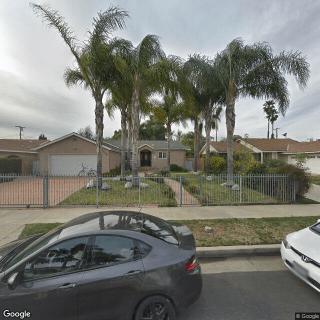
Land of Peace 6
$4,000 to $5,500 / month16.8 miles away -
from +$500 / mo
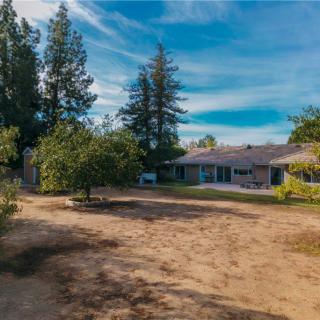
A Caring Touch Board and Care
$5,000 / month14.5 miles away
Overall Review of Burbank Senior Villa West
Pros
 The staff at Savant of Burbank West work hard and show genuine care, treating residents with compassion and respect.
- Savant of Burbank West is a truly special memory care community.
- The staff are compassionate, patient, and attentive, and genuinely care about the residents.
- The facility has a warm, welcoming atmosphere, with many long-tenured staff.
- The community is clean, and residents seem happy and well cared for.
- Residents can stay together and are truly happy, with engaging activities and a gentle, caring staff.
- The facility offers engaging activities for residents and is highly recommended.
- The memory care facility remains impeccably clean and welcoming, reflecting a remarkable culture and stability.
- Burbank Senior Villa East is helpful and communicative, with staff pride in doing their best for residents and families.
- Residents enjoy delicious food and engaging activities, with staff who care about well-being.
Cons
 The reviewer described the place as a living nightmare in every way.
- There was poor communication and organization when an incident occurred to a family member living there.
- The reviewer was very unhappy with Le Bleu Chateau.
- The staff appeared awfully busy, and after medication adjustments the resident stopped walking and was shipped out.
- The reviewer felt misled about the resident's mobility and later learned the resident had not recovered and had died.
- The facility was aging, lacked charm, with residents not engaging, and the atmosphere was depressing.
Review
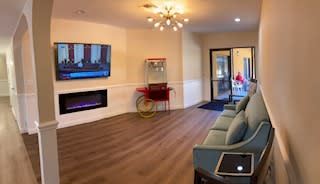
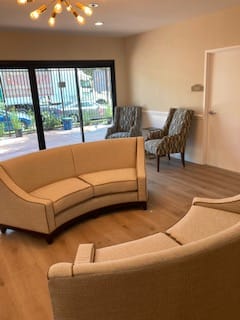
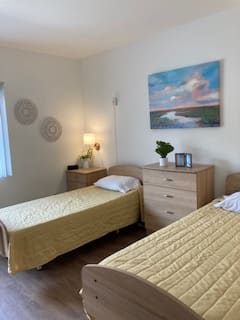
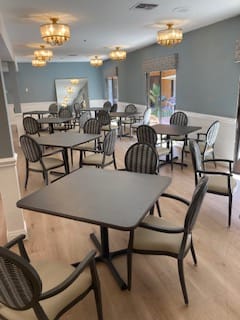
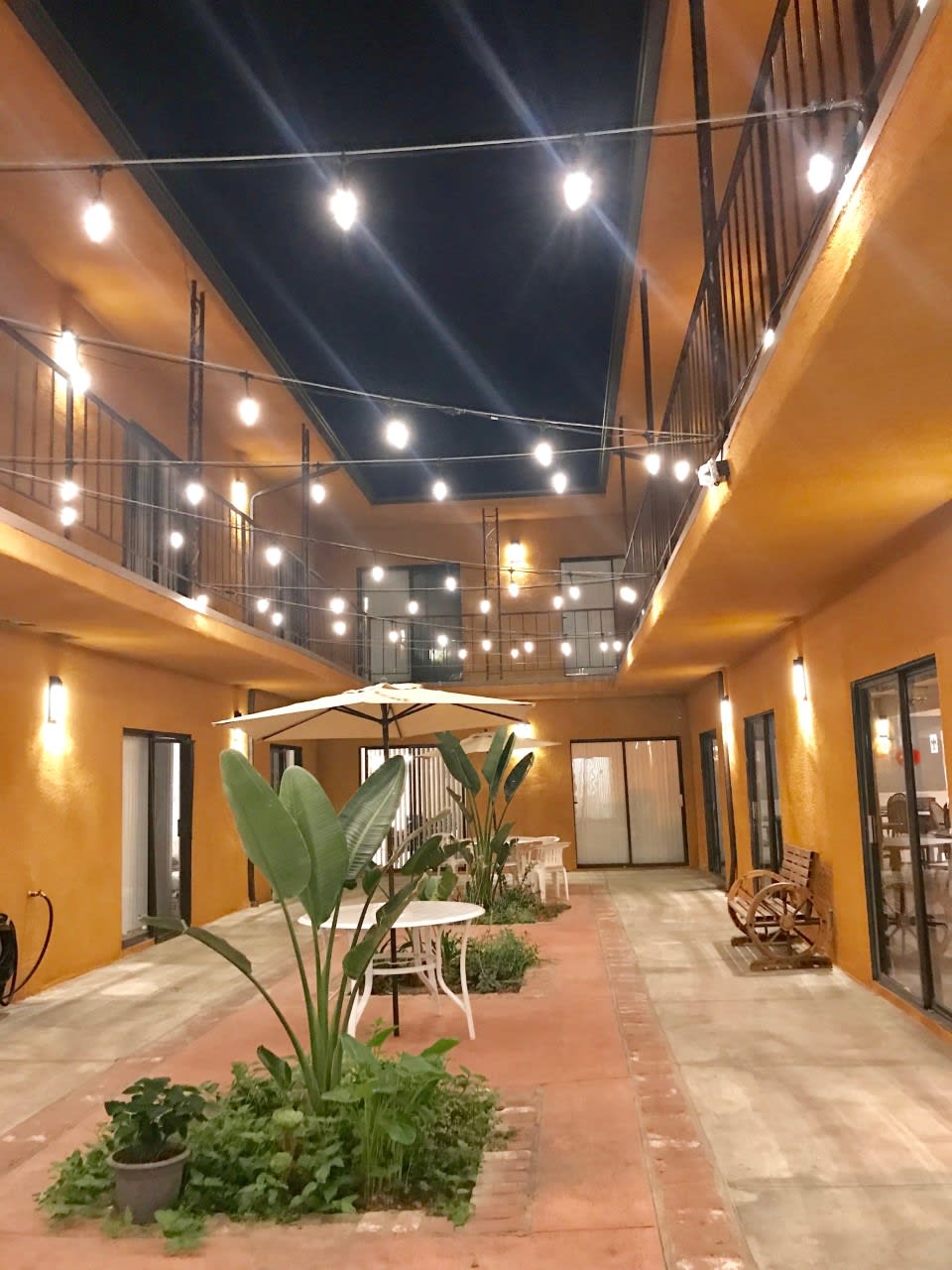
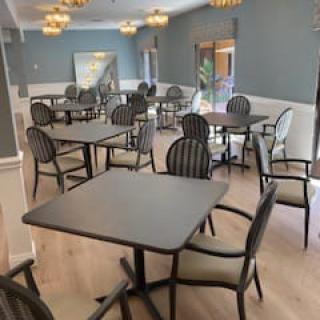
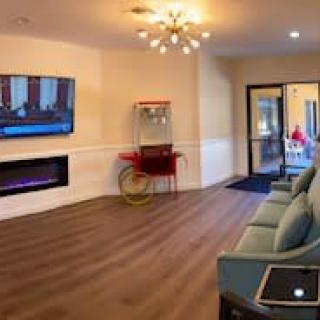
Best suited for families seeking a memory-care focused option in Burbank, Burbank Senior Villa West serves residents who need steady supervision, gentle engagement, and a homelike setting. The strongest thread in positive experiences is a staff that is described as compassionate, patient, and consistently attentive. A stable, long-tenured team translates into predictable routines, familiar faces, and relationships that feel like continuity rather than care-by-committee. Cleanliness and a warm, welcoming atmosphere reinforce daily life as comfortable rather than clinical. Reviewers repeatedly cite meaningful activities that keep memory-impaired residents engaged, a crucial factor in quality of life. For families prioritizing safety, connection, and predictable day-to-day life, this community delivers practical peace of mind in a memory-care frame. Families report comfort that staff know residents’ histories, reducing agitation during routines and transitions, and the campus location adds practical convenience for visits and care coordination.
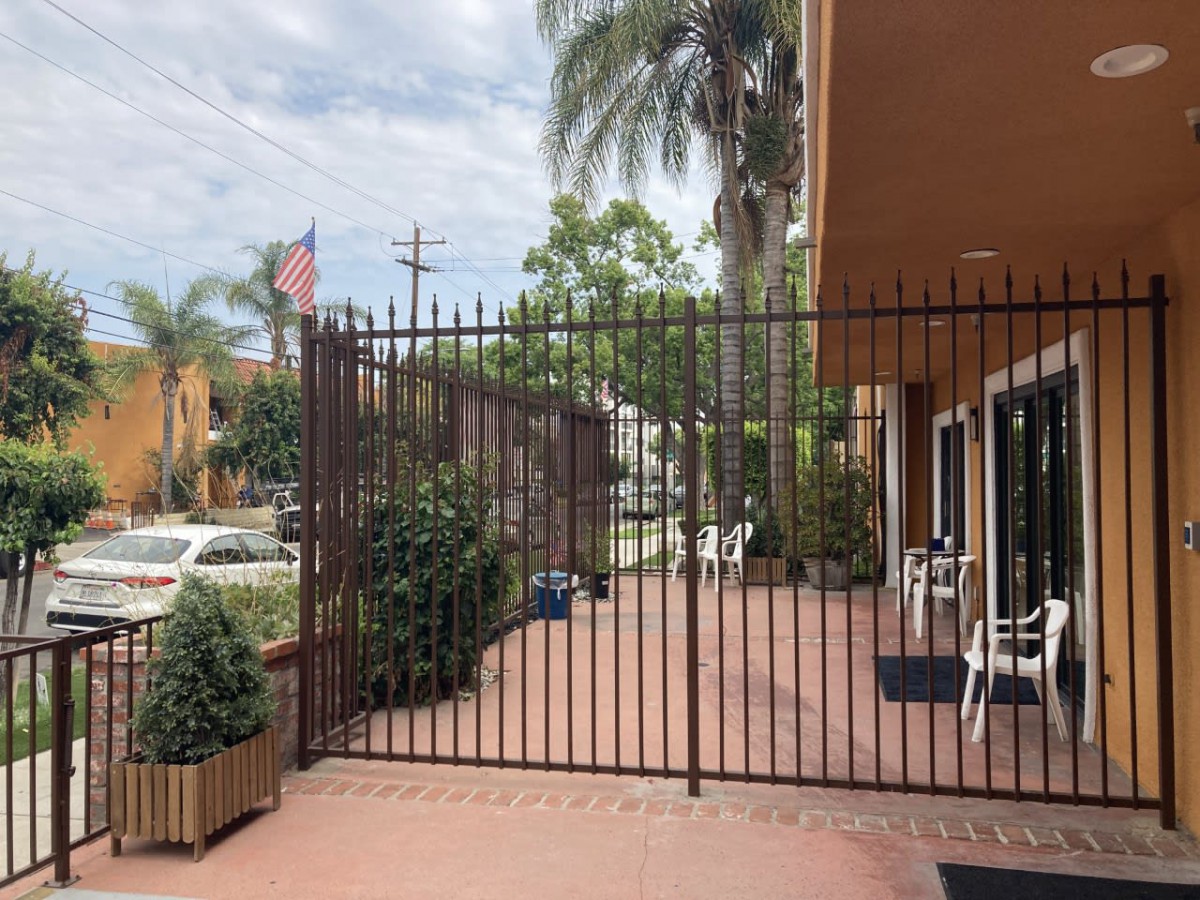
However, not every family will find it the right fit. Residents who do not require memory-care level supervision may find the environment overly structured. Several reviewers flag communication gaps or inconsistent incident handling, suggesting that transparency and responsiveness are not flawless. A subset recounts experiences where care decisions and changes, especially around medications, were not promptly or clearly shared with relatives. The building and grounds have been described as aging, with renovations underway and a sense that the property lacks the polish some families expect. These signals imply a care model that can shine brilliantly in the right hands but also expose trust gaps if questions go unanswered. The result is a decision point: for some, the warmth and continuity overcome the rough edges; for others, the gaps in communication may warrant looking elsewhere.
Yet the core value proposition remains compelling: high-touch, compassionate care in a secure, engaging setting can offset many concerns. Longevity among staff supports stable routines and genuine relationships that matter for memory care residents. The environment is often described as clean and homelike, contributing to comfort and dignity. Activity programs are highlighted as well-curated, offering cognitive and social stimulation that supports ongoing quality of life. The main concessions concern communication, not care quality per se; when information flows smoothly, the overall experience improves dramatically. Families willing to adopt a proactive stance, asking for explicit care plans, documented updates, and clear escalation paths, will likely experience the best outcomes here. The positive resonance around daily life for residents, paired with steadfast staff, creates a strong foundation for decision-making.
To separate reality from impression during tours, prospective families should press for specifics. Inquire about staffing ratios on each shift, how hand-offs are conducted, and how quickly care plans are updated after changes. Request sample activity calendars and opportunities to observe interactions with residents. Seek concrete examples of how medication adjustments and behavioral concerns are communicated to families, and ask to review incident-report processes. A candid tour should reveal whether staff are accessible, attentive, and able to tailor routines to individual residents. If the answers feel hurried, opaque, or inconsistent, that is a red flag that merits further exploration or alternative options. The right facility will offer a clear, consistent framework for understanding daily life and medical decision-making.
Alternatives become worth considering for families who prioritize different trade-offs. If the aim is a newer facility, a different care model, or more transparent reporting, other memory-care communities or non-memory-care options may fit better. For those who value a tightly staffed, intimate environment with a long-tenured team, this campus can still compete strongly, provided expectations around communication are explicitly addressed. The key is to match the facility’s strengths, personal attention, routine, and a respectful atmosphere, with what matters most in daily life: safety, engagement, and clear, timely family updates. The decision should hinge on whether the setting can deliver both the emotional warmth and the operational clarity required to support a loved one over time.
In the end, Burbank Senior Villa West stands as a solid choice for memory-care with dedicated caregivers, a warm atmosphere, and an active program. It is especially well suited for families who prize continuity and personal connection, even as a subset of reviews highlight questions about information flow and the aging-in-place aesthetics. For those who can tolerate occasional missteps in reporting, the overall package delivers genuine reassurance: residents are supervised with care, connected with peers, and offered meaningful activities in a setting that feels like home. The decisive step is a thorough, in-person assessment that confirms staff attentiveness, the clarity of communication, and the ease of daily life for residents. With that due diligence, this community often rises to the top of the shortlist for memory care in the Burbank area, provided expectations about transparency are explicitly addressed and a path for ongoing updates is established. Ultimately, warmth, stability, and memory-focused care must align with the family’s priorities, and if they do, this campus can be an excellent fit.
 1-bedroom apartments
 Memory Care
 Activities on-site
 Air-conditioning
 Bath tubs
 Devotional services on-site
 Garden view
 Ground floor units
 Handicap accessible
 Indoor common areas
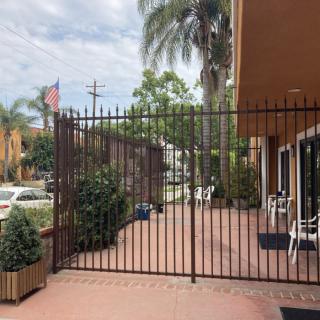
 Outdoor common areas
 Wheelchair accessible showers
 Wi-Fi/high-speed internet available
 Burbank-Glendale-Pasadena (2 miles away)
 Ambulatory care
 High acuity care
 Incontinence care
 Medication management
 International cuisine
 Art classes
 Cooking classes
 Day trips and outings
 Educational speakers / life long learning
 Forever fit
 Happy hour
 Karaoke
 Live dance or theater performances
 Live musical performances
 Live well programs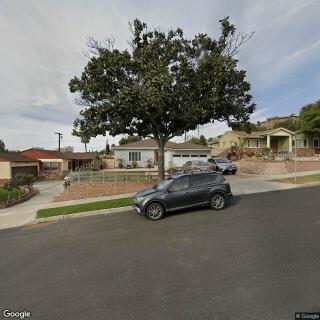


 Dementia Behaviors: In-Depth Understanding and Effective Coping Strategies
 5 Early Indicators of Dementia and What You Can Do
 8 Important Indicators That Memory Care May Be Necessary