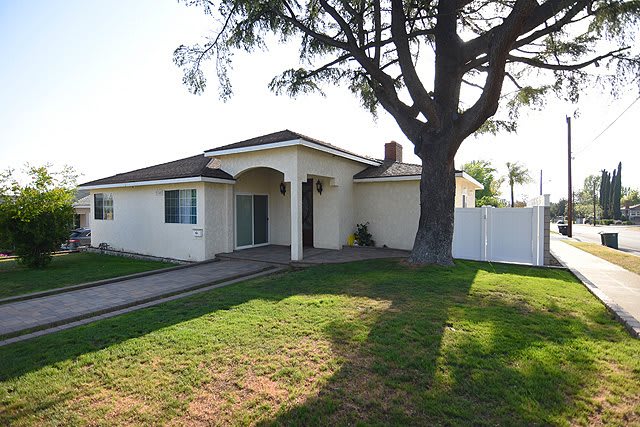
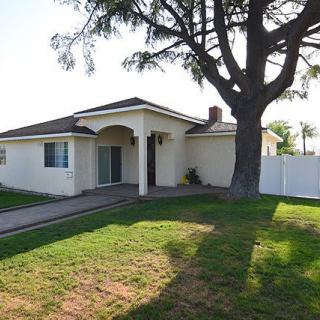
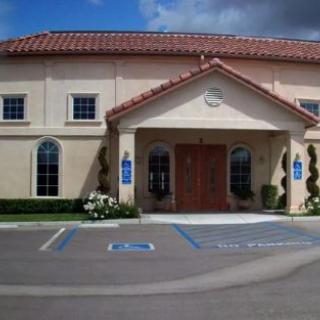
2745 North Myers Street, Burbank, CA 91504
For more information about senior living options: (866) 208-4318
Burbank Hills Comfort Living Costs & Pricing
Burbank Hills Comfort Living offers competitive pricing for its residents, particularly when compared to the broader Los Angeles County and California averages. For semi-private rooms, Burbank Hills' cost of $3,000 per month is notably lower than the county average of $3,349 and closely aligns with the state average of $3,333. The private room rate at Burbank Hills is set at $4,500, which exceeds both the county's typical cost of $4,197 and the state's average of $3,939. Additionally, their one-bedroom accommodations are priced at $5,000 per month - higher than both the Los Angeles County rate of $4,603 and California's overall average of $4,340. This suggests that while Burbank Hills Comfort Living provides a range of options that cater to different needs and budgets, potential residents should weigh these costs in relation to the quality of care and services offered by the facility.
| Floor plans | Burbank Hills Comfort Living | Los Angeles County | California |
|---|---|---|---|
| Semi-Private | $3,000 | $3,349 | $3,333 |
| Private | $4,500 | $4,197 | $3,939 |
| 1 Bedroom | $5,000 | $4,603 | $4,340 |
Memory care communities with a similar price nearby
-
from +$500 / mo
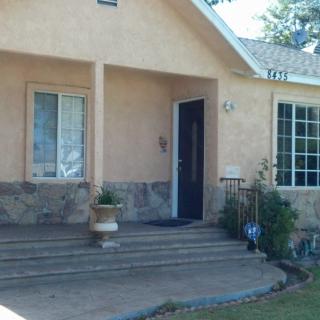
Paradise Senior Living 1
$3,500 to $4,500 / month12.6 miles away -
from -$250 / mo
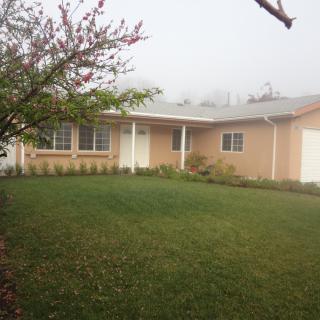
Dignity Care Home 1
$2,750 to $4,150 / month8.9 miles away -
from +$500 / mo
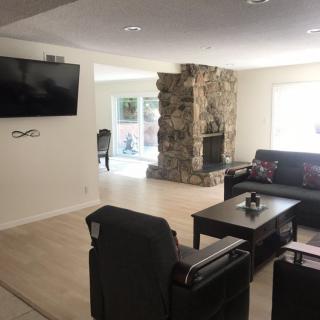
Hollywood Healthy Living
$3,500 to $5,000 / month0.9 miles away -
from +$500 / mo
California Senior Of Sherman Oaks
$3,500 to $4,000 / month7.6 miles away -
from +$500 / mo
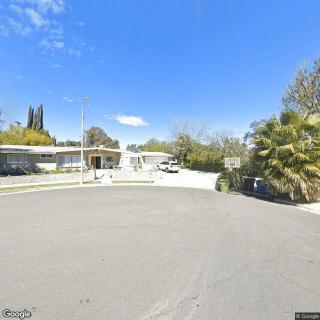
Assisted Comfort Home
$3,500 to $6,000 / month17.9 miles away
Overall Review of Burbank Hills Comfort Living
Pros
 The staff provided a lot of hands-on attention to her mom.
- Everyone who worked with her was kind, gentle, and patient.
- She was always clean and comfortable, and the home always smelled fresh.
- It was an extreme relief for the family to have her in good care.
- The mom has been there for three months and is receiving excellent care.
- The house is bright and clean, and the hospice team is very caring with her.
- The staff always have a smile and make her feel loved and special.
- The home is brand new and lovely.
Cons
 mom did not want to be the first one to move in.
- she liked another care home a little better.
Review
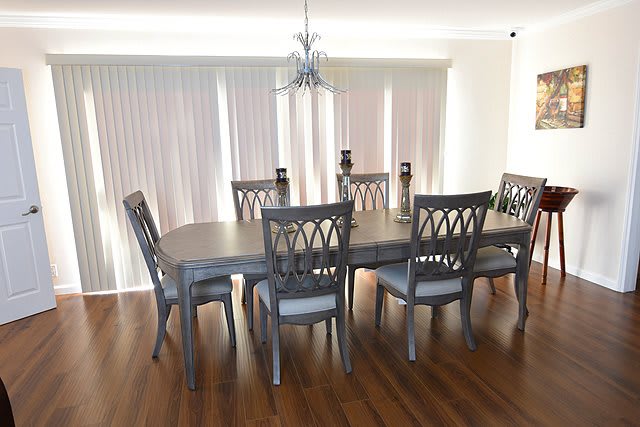
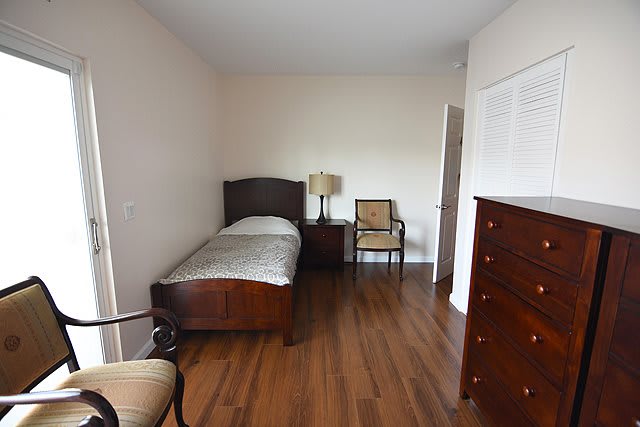
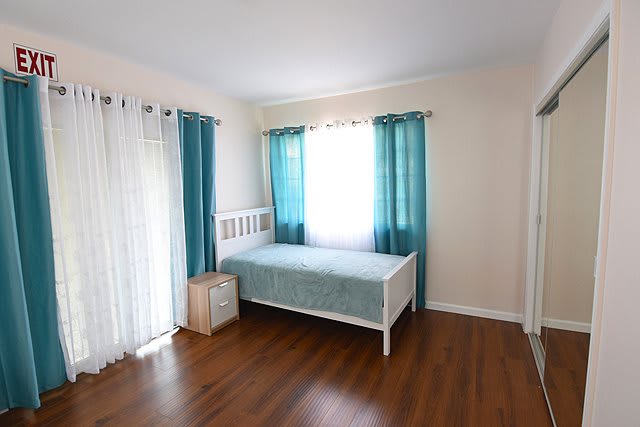
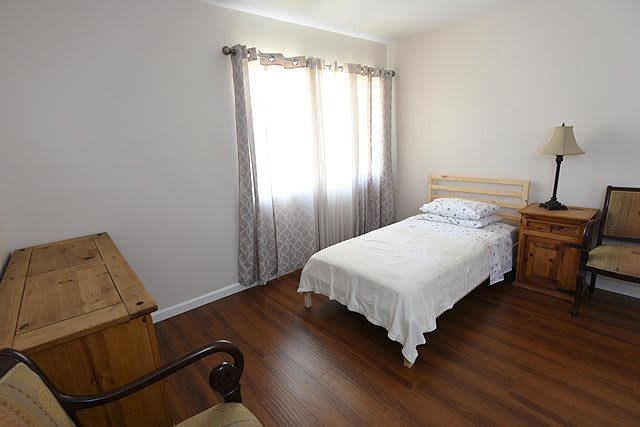
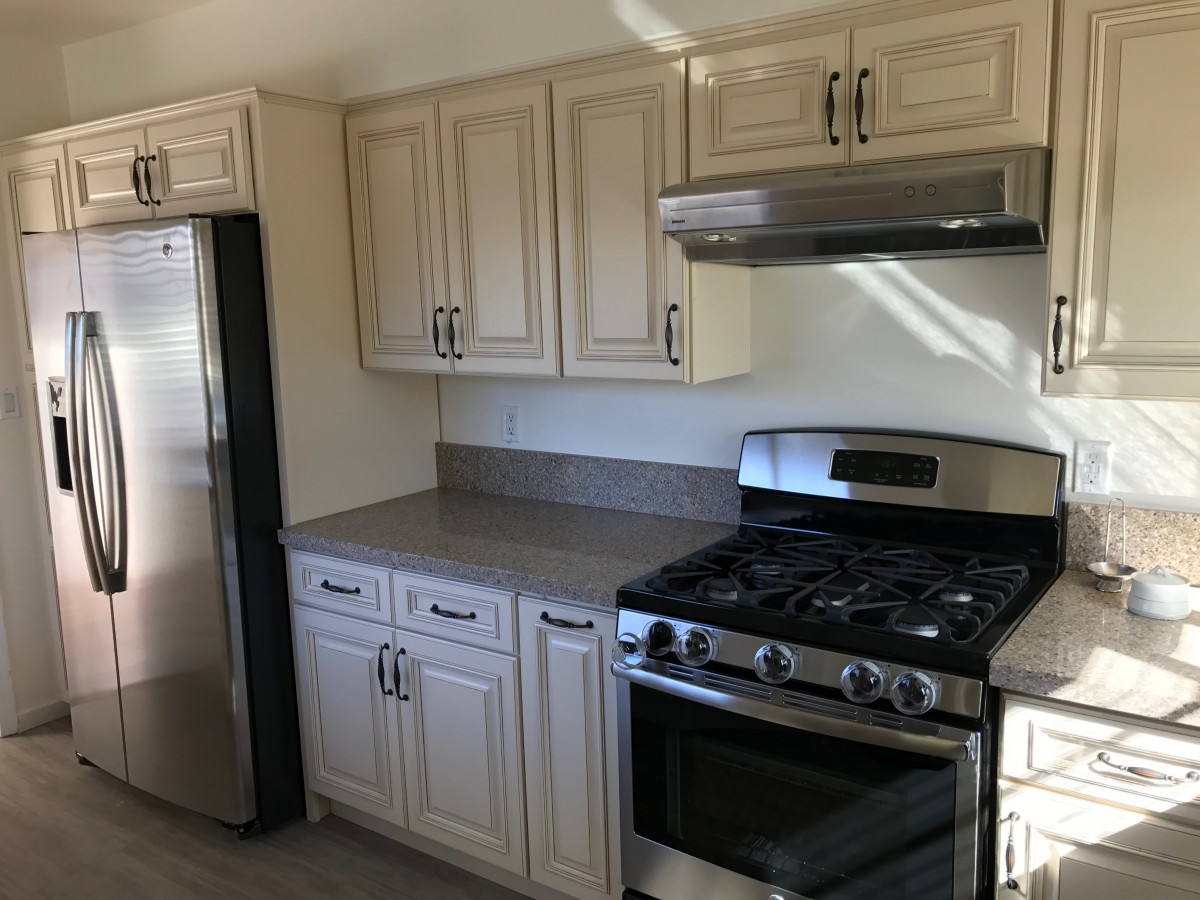
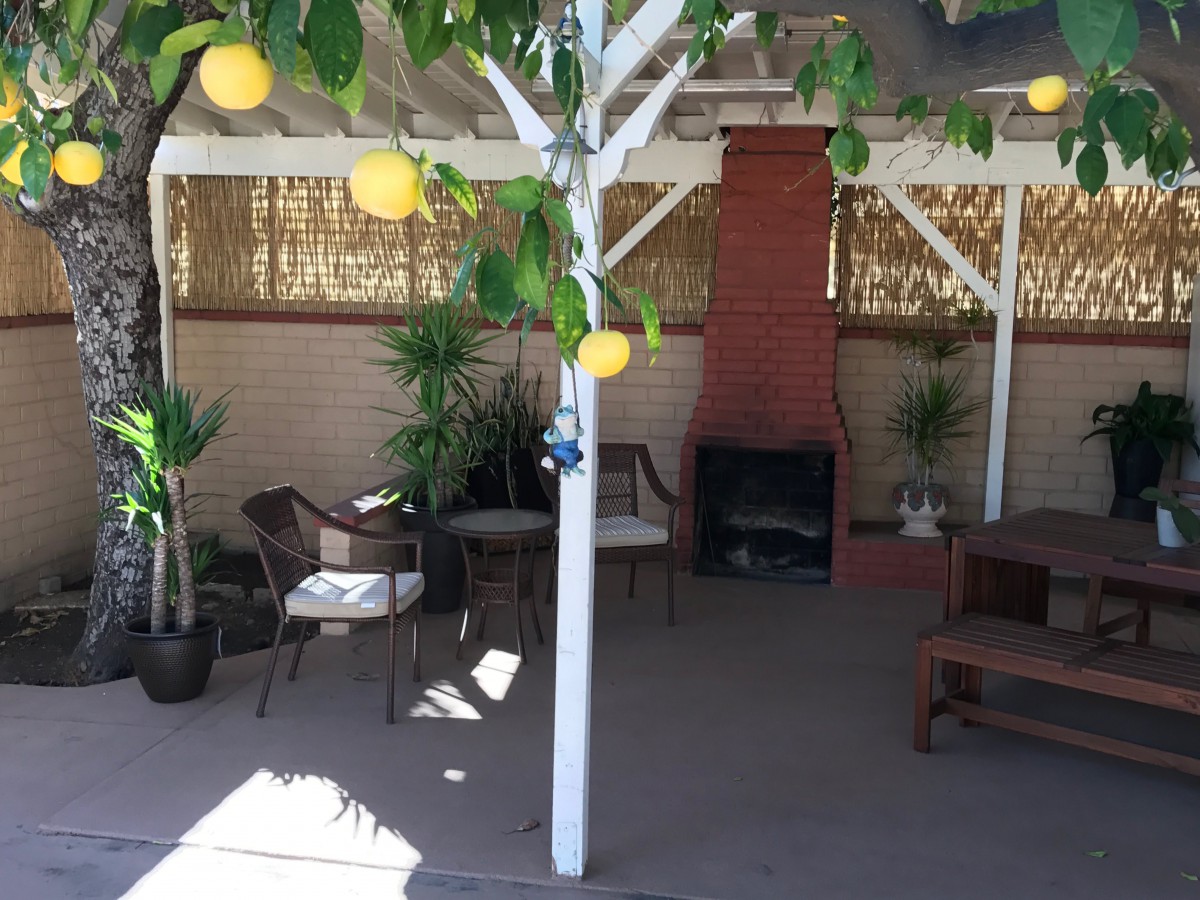
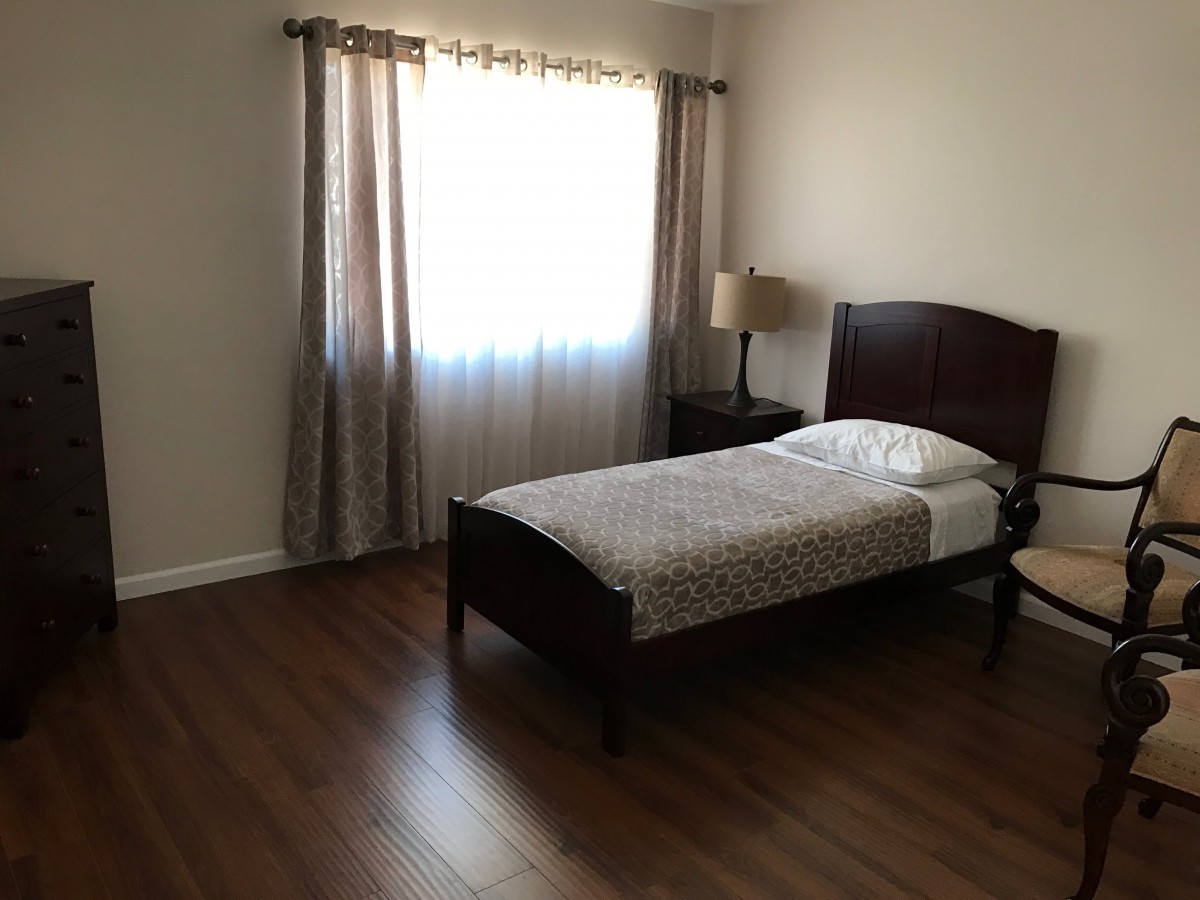
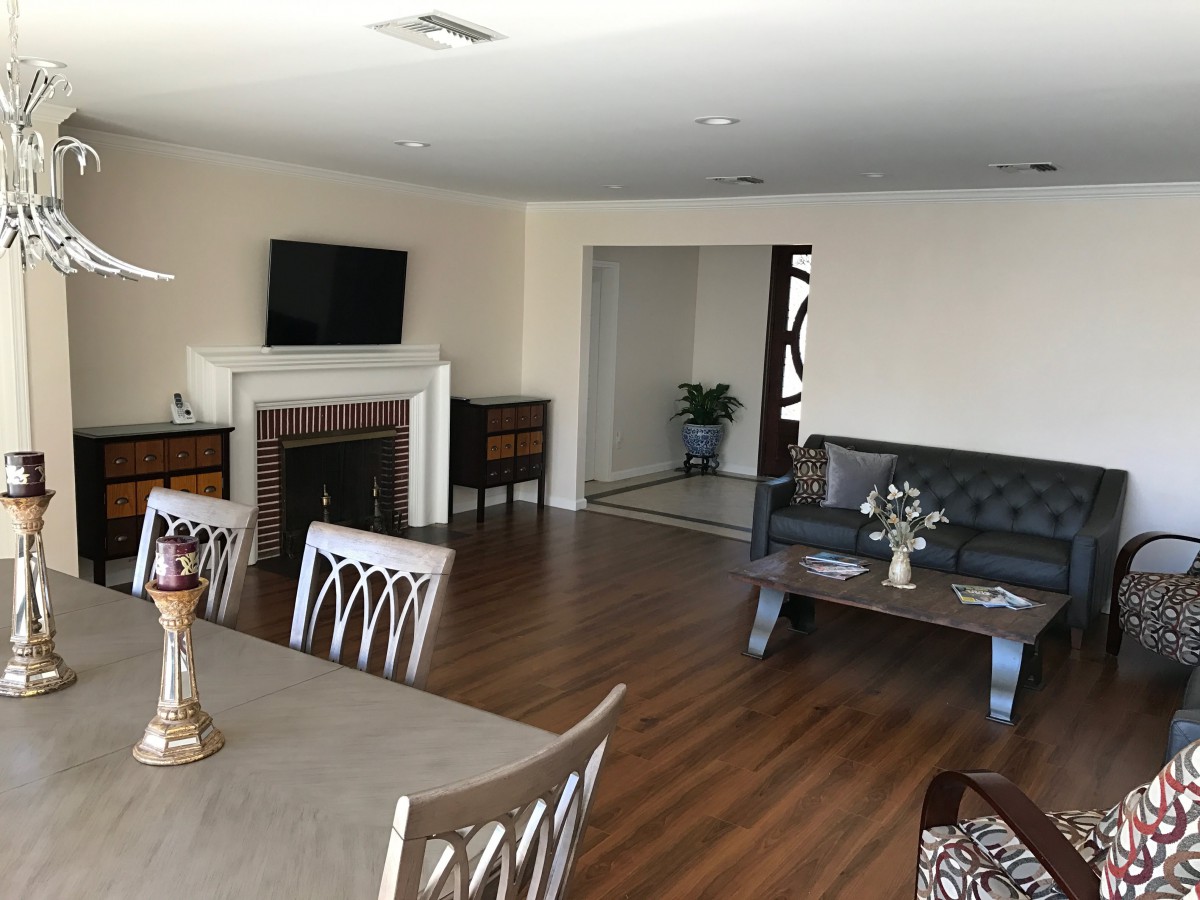
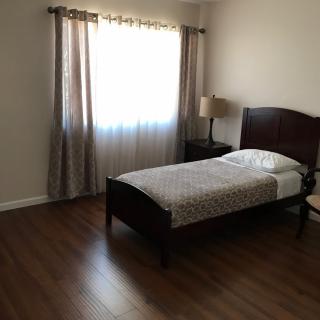
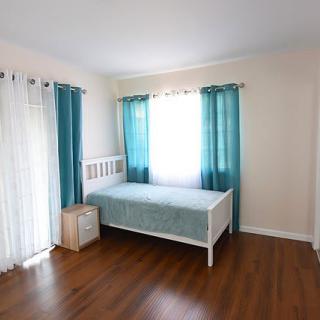
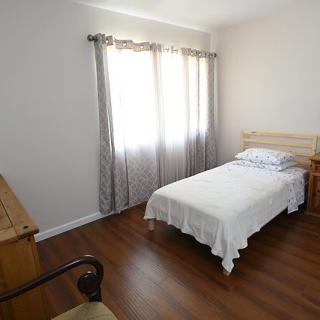
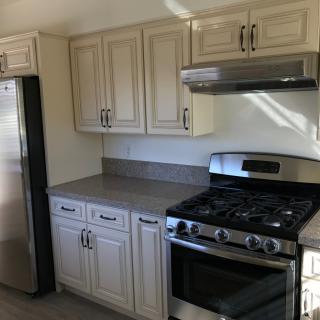
Burbank Hills Comfort Living in Burbank, CA is best suited for families seeking a warm, home-like alternative to large, impersonal campuses. The six-residence model fosters intimate, hands-on care and steady staff relationships, making it a practical fit for seniors who need daily assistance, gentle supervision, and plenty of individual attention. The environment is bright, clean, and domestic, which reduces the clinical feel common in bigger facilities. It is also well-suited for residents comfortable with a smaller peer group and who may be transitioning from independent living or hospice care, with a readiness for flexible activity levels.
Those who may want to consider alternatives are families seeking robust programming, a large pool of residents, or frequent on-call medical specialists on site. This is not a large campus; occupancy can be sparse, especially in a start-up phase, which can limit spontaneous social activities. If a resident craves constant structure, a heavy activity calendar, or strong, visible management with a long-established track record, exploring a more established, larger assisted living community might be prudent. One review notes initial hesitation to be the first resident, hinting at the importance of comfort with a brand-new home.
Key positives appear consistently in the feedback: staff described as kind, gentle, patient, and attentive; residents pulled into care with warmth and smiling engagement; a clean, fresh-smelling home that feels comfortable and homelike; meals that residents enjoy; easy access to social time in common spaces; and a caregiving approach that accommodates hospice needs with compassion. The care model gives families peace of mind, allowing them to work or attend to other commitments without worrying about daily oversight. The combination of a bright setting and attentive caregivers creates a reliable baseline of daily comfort for residents.
On the flip side, the same small setting can constrain social opportunities when few residents are present. While there are activities, participation depends on energy and mood, which means some days may feel quieter. The newness of the home can imply kinks typical of a fresh operation, and the first-to-move-in hesitation some families expressed hints at a potential psychological hurdle for new residents. In short, the calm, intimate atmosphere trades breadth of programming and the reassurance of a long-standing brand for a more personal, homey experience.
Despite these constraints, the core strengths do more than compensate. Hands-on attention from a stable, friendly staff reduces caregiver burden on families and translates into consistent, gentle care that keeps residents clean, comfortable, and well-fed. The home’s fresh environment, coupled with a well-regarded kitchen, supports dignity and daily enjoyment. The small resident count fosters meaningful interactions in the common areas and makes enrichment feel doable when energy is limited. For end-of-life care or short transitions, the combination of hospice-friendly staff and a nurturing atmosphere delivers a superior care experience that larger campuses may struggle to match.
Bottom line: for families prioritizing a warm, small-scale, hands-on setting where staff form real relationships with residents, Burbank Hills Comfort Living represents a strong option. It is particularly compelling for end-of-life support or transitional stays where quality of life, comfort, and family time matter most. If the priority is abundant programming, wide social choices, or a long-established brand with dense staffing, alternatives deserve consideration. Prospective movers should confirm current occupancy, staff-to-resident ratios, and the range of activities offered, and should discuss how hospice or medical oversight is coordinated to match the resident’s needs.
 6 resident community capacity
 Assisted Living
 Board and Care Home
 Memory Care
 Activities off-site
 Air-conditioning
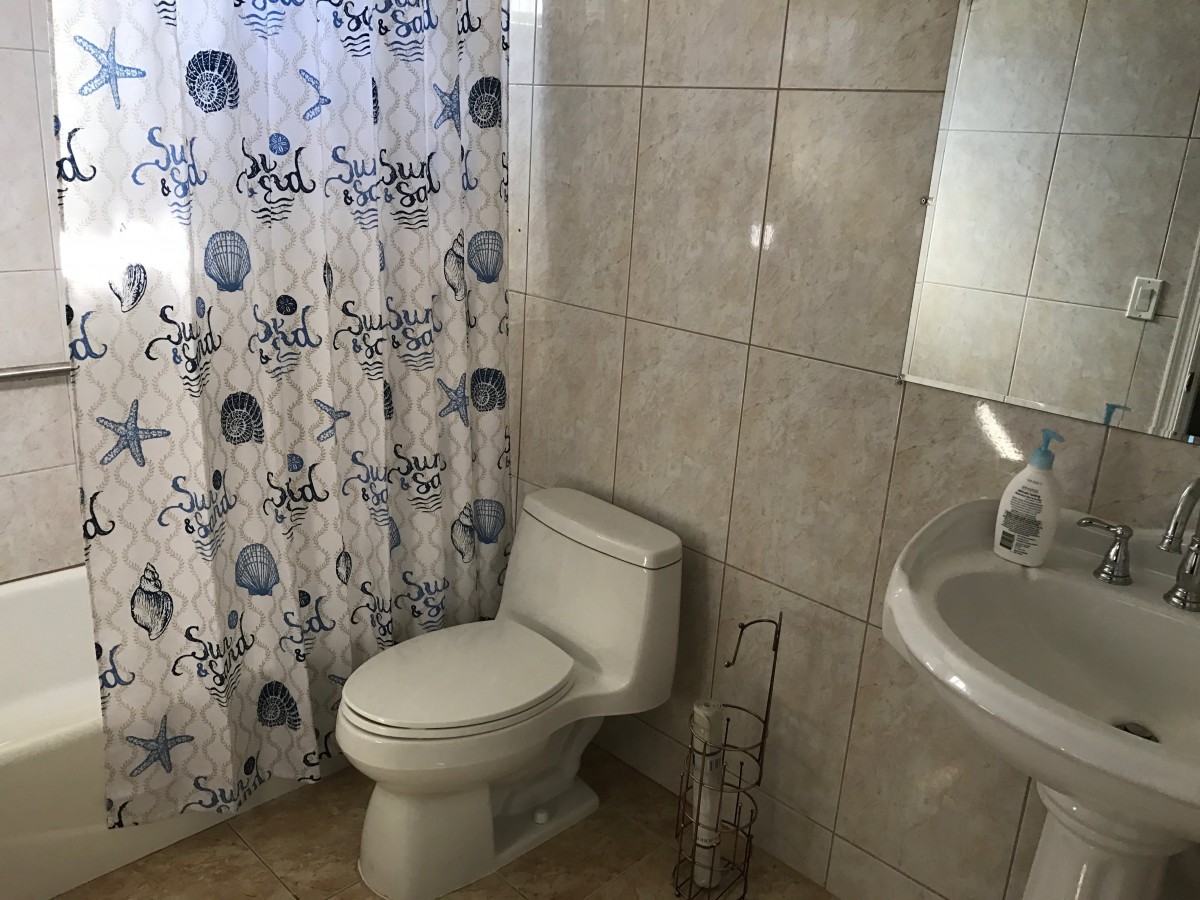
 Bath tubs
 Beautician on-site
 Cable or satellite TV
 Devotional services off-site
 Dining room
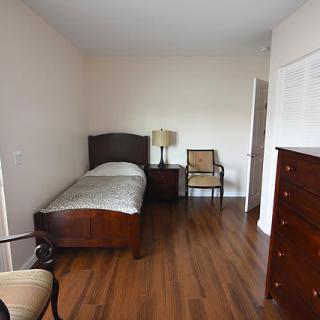
 Fully furnished
 Garden
 Ground floor units
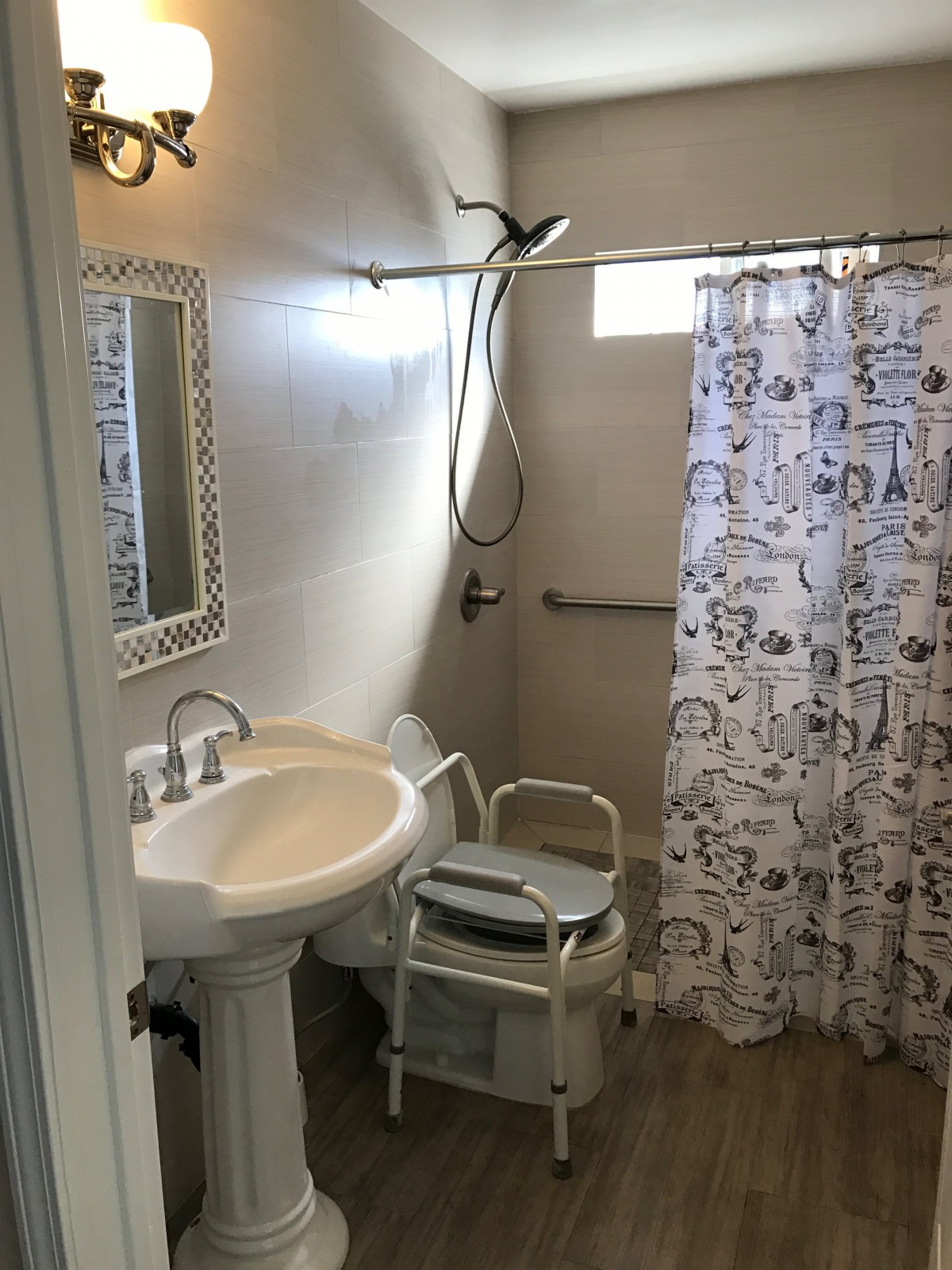
 Handicap accessible
 Housekeeping services
 Indoor common areas
 Move-in coordination
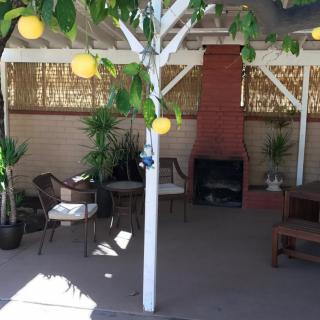
 Outdoor common areas
 Private
 Private bathrooms
 Swimming pool / hot tub
 Telephone
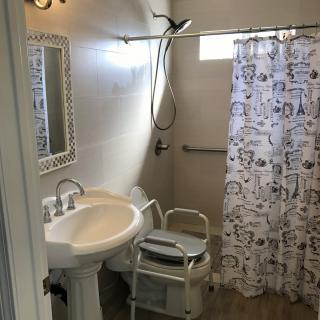
 Wheelchair accessible showers
 Wi-Fi/high-speed internet available
 Burbank-Glendale-Pasadena (1 miles away)
 24-hour supervision
 Ambulatory care
 Assistance with bathing
 Assistance with dressing
 Assistance with transfers
 Diabetes diet
 Diabetic care
 High acuity care
 Incontinence care
 Meal preparation and service
 Medication management
 Special dietary restrictions
 Transportation arrangement (medical)
 Transportation to doctors appointments
 Art classes
 Brain fitness
 Catholic services
 Jewish services
 Karaoke
 Light therapy programs
 Stretching classes

 8 Important Indicators That Memory Care May Be Necessary
 Delving into the Inner World of Dementia: Insights into Thoughts and Awareness
 Five Subtle Dementia Indicators to Observe: An In-Depth Guide to Understanding “Does My Mom Have Dementia?”