Memory Care of Little Rock at Good Shepherd

Save

  • Interior

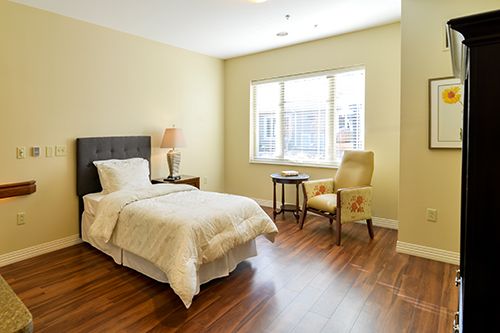
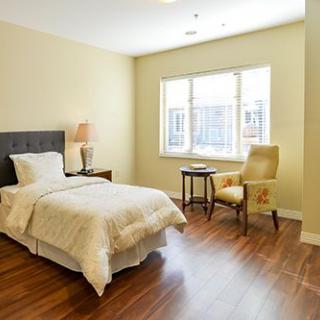
    A minimalist bedroom featuring a single bed, wooden flooring, and a cozy armchair by the window.
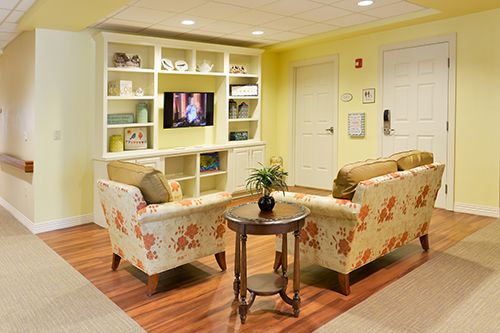
  • Decor

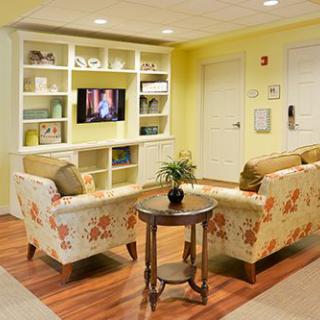
    A cozy living room with floral armchairs facing a wall-mounted television, surrounded by decorative shelves and a central table with a plant.
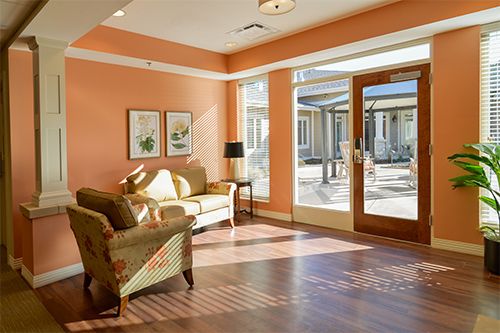
  • Living Room

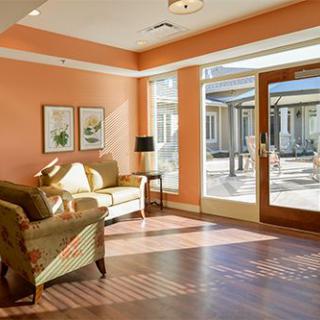
    A cozy living room bathed in sunlight, featuring comfortable seating and large windows.
  • Building

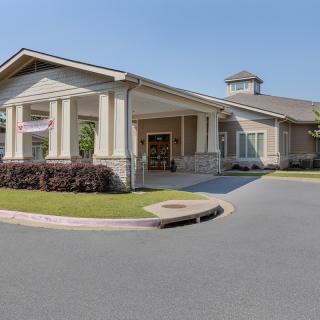
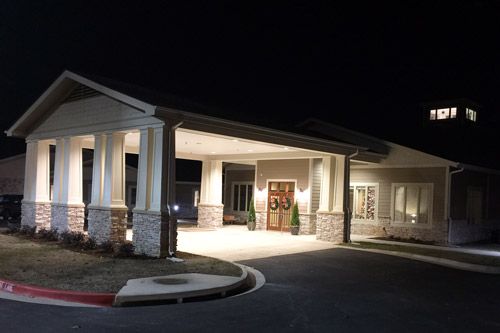
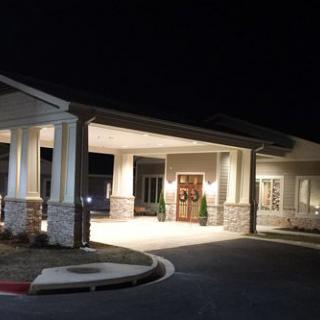
    A well-lit building entrance with a covered walkway at night.
  • Bedroom

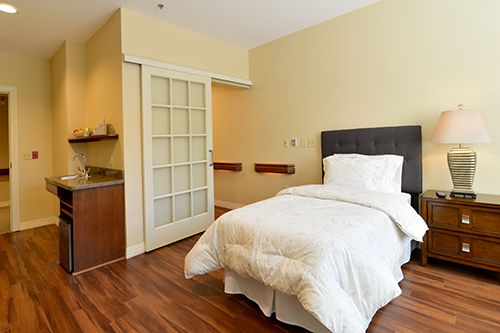
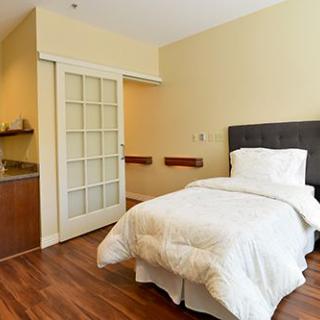
    A cozy minimalist bedroom featuring a single bed with white bedding and sleek wooden flooring.
  • Dining

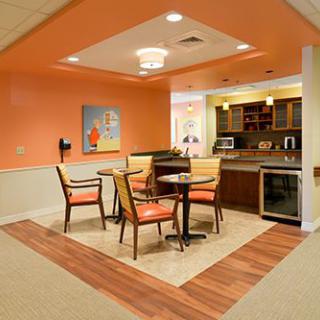
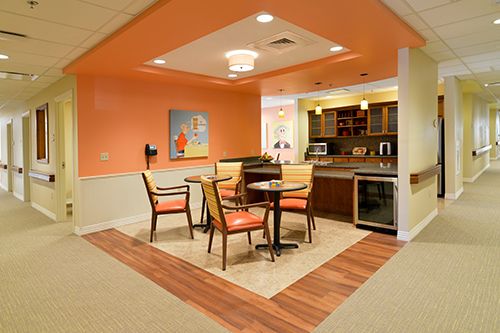
    A cozy interior dining area with orange walls, featuring a small kitchenette and wooden furniture.
  • Entrance

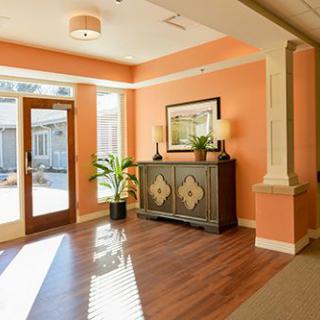
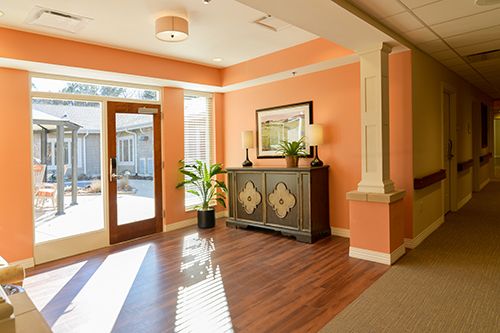
    A warmly lit lobby entrance with wooden flooring, a decorative cabinet, and indoor plants.
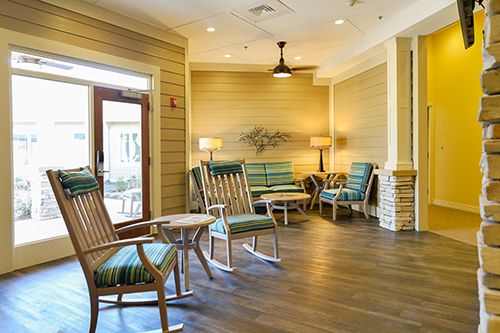
  • Seating Area

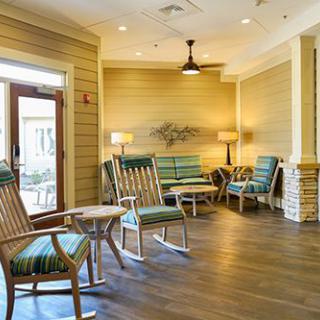
    A cozy lounge area with rocking chairs and soft lighting.
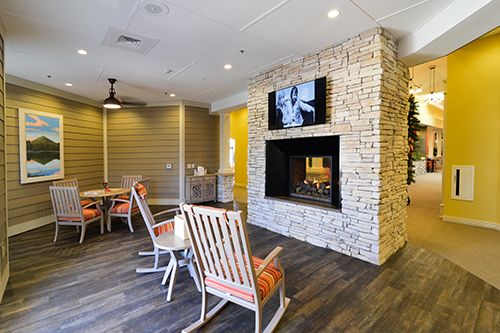
  • Fireplace

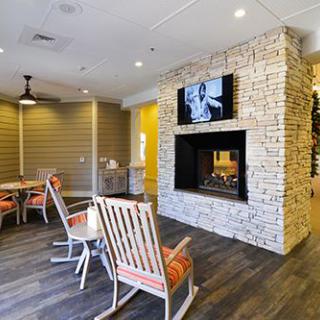
    A cozy living room with a stone fireplace, rocking chairs, and a television mounted above.

Memory Care of Little Rock at Good Shepherd

2501 Aldersgate Road, Little Rock, AR 72205

For more information about senior living options: (844) 490-3973

4 from 8 reviews
5 stars
5
4 stars
1
3 stars
0
2 stars
1
1 stars
1

Memory Care Respite Care

Overall Review of Memory Care of Little Rock at Good Shepherd

Pros

  • pro The facility is beautifully kept and has a warm, homey atmosphere.
  • pro It offers amenities such as a movie room, three patios, and spaces for bingo and cards.
  • pro There is a chapel/movie theater where worship services are held.
  • pro The staff are compassionate, professional, and responsive to residents' needs.
  • pro The rooms are immaculately clean, nicely designed, and have accessible bathrooms.
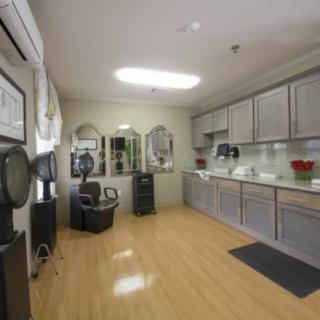
  • pro They provide free hair care and massage therapy, and an activity director leads multiple daily activities.
  • pro Sealed fireplaces at every corner create a cozy, comforting environment.
  • pro The center is easy to navigate, well organized, and staff are trained and knowledgeable in dementia care.

Cons

  • pro They had to move their mother from Memory Care of Little Rock due to deteriorating conditions of her room and bedding.
  • pro In the last six months, the entire senior staff has turned over, and the care is not the same.
  • pro Their mother was sleeping in a urine-smelling bed, necessitating a new mattress.
  • pro A dirty diaper was found in her bed.
  • pro The art and music therapist has not been replaced.
  • pro The new CNAs were not adequately trained to engage residents with dementia.

Review

Memory Care of Little Rock at Good Shepherd is best suited for families seeking a polished, amenity-rich memory-care setting where social programming and a home-like atmosphere are priorities. The community shines for residents who benefit from a busy activity calendar - music and art therapy, bingo, crafts, and regular performances - delivered in a campus that feels navigable and welcoming. It is a solid fit for those who want a facility that looks and feels like a well-kept hotel, with comfortable furnishings, multiple common spaces, and visible care professionals who strive to create pleasant moments in the day. In short, this is the option to consider when social engagement, a refined environment, and accessible, purpose-built memory care are top criteria.

Conversely, those who need near-perfect consistency in caregiving or a stable, long-tenured staff may want to explore alternatives. Several families report recent turnover among the senior care team, with resulting gaps in engagement and continuity of routine. Instances of lapses in day-to-day care - bedroom upkeep and gentle supervision - highlight the risk that changes in management or frontline staff can temporarily erode the otherwise strong program. A few reviewers also describe concerns with responsiveness, including difficulty reaching the facility by phone at times. For families whose decision hinges on ultra-stable care teams, or who demand a pristine, newer build with a flawless track record, a different option may prove more reassuring.

The strongest positives are tangible and meaningful. The campus is attractive, well maintained, and designed to feel less institutional and more like a home. Individual suites are presented nicely, with thoughtful touches and accessible bathrooms that support mobility-impaired residents. The scheduling of activities - ranging from performances to creative classes and social clubs - creates genuine opportunities for meaningful interaction, reminiscence, and sensory engagement. On-site amenities extend beyond entertainment: hair care services, complimentary massage, and a well-staffed activity director help keep residents connected to personal interests. Prospective families should see these aspects as concrete evidence of a vibrant, resident-centered environment.

These advantages do not completely erase the caveats. The recent turnover and reported gaps in training for newly hired CNAs can slow the level of daily interaction and consistency that families seek, particularly for residents with dementia who rely on predictable routines and engagement. Some reviewers describe odors and cleanliness issues that understandably raise concerns about room maintenance and overall hygiene - issues that can be distressing for families who prioritize an impeccably cared-for living space. Additionally, the older facility footprint - while well-kept - may feel dated to some and could influence decisions for those who equate newer buildings with modernization and efficiency. The best-fit families will balance the strong program and environment against these real-world risks of turnover and maintenance variability.

Practical evaluation for families considering this community should include a candid staffing conversation and a real-time tour that emphasizes daily rhythms. Inquire about staff-to-resident ratios, the average tenure of frontline caregivers, how quickly concerns are escalated, and what measures are in place to ensure consistent programming even during staff transitions. Observe the interaction between staff and residents during visiting hours, and press for specifics on how meals are prepared, how hygiene is monitored, and how the facility handles situation-specific needs - especially for residents with advanced dementia. Ask to see the activity calendar, sample menus, and to meet the current activity director to gauge the depth and personalization of programming.

Bottom line: Memory Care of Little Rock at Good Shepherd delivers a compelling blend of warmth, elegance, and structured cognitive-stimulation programming that many families will value highly. It is particularly well-suited for those who prize a polished, socially rich environment with accessible design and attentive programming staff. However, families mindful of consistent caregiving and impeccable day-to-day maintenance should enter with eyes open to possible turnover-related inconsistencies and occasional maintenance gaps. If reliability of staffing and an ultra-new facility are non-negotiables, alternatives should be explored; otherwise, this community represents a strong, practical choice for a memory-care plan centered on engagement, comfort, and a gracious setting.

Features

Housing

  • 22 resident community capacity 22 resident community capacity
  • Studio apartments Studio apartmentsStudio apartments are important for seniors because they offer a smaller, more manageable living space that is easier to navigate and maintain as physical abilities decline. Additionally, studio apartments provide seniors with independence and privacy while still being part of a community that offers support and social opportunities.

Types of Care

  • Memory Care Memory CareMemory care is crucial for seniors as it provides specialized support and services for individuals with dementia or Alzheimer's disease. These programs offer a safe and secure environment where residents receive personalized care, cognitive stimulation, and help with daily activities. Memory care helps seniors maintain their independence, quality of life, and dignity while also providing peace of mind for their families.
  • Respite Care Respite CareRespite care provides temporary relief for caregivers, allowing them to recharge and attend to their own needs. It also gives seniors the opportunity to socialize, receive professional care, and experience a change of scenery, promoting overall well-being and reducing feelings of isolation.

Amenities

  • Beauty salon Beauty salonBeauty salons are important for seniors because they provide a space for them to feel pampered, socialize, and maintain their personal grooming and hygiene. Regular visits to a beauty salon can help boost seniors' self-esteem and overall well-being.
  • Cable or satellite TV Cable or satellite TVCable or satellite TV is important for seniors because it provides entertainment, news, and companionship, helping to combat loneliness and boredom. It also offers a wide range of programming options tailored to different interests and preferences.
  • Dining room Dining roomDining rooms are important for seniors as they provide a space for socialization, connection, and nutritious meals. They offer opportunities for residents to bond over shared meals, foster a sense of community, and promote healthy eating habits. Dining rooms also ensure that seniors have access to well-balanced meals tailored to their dietary needs and preferences.
  • Fully furnished Fully furnishedFully furnished senior living communities are important for seniors because they provide convenience, comfort, and a hassle-free moving experience. Seniors can easily settle into their new living space without the stress of having to buy and move furniture. This allows them to focus on enjoying their new home and community.
  • Garden GardenGardens are important for seniors as they provide a peaceful and therapeutic environment for relaxation, physical activity, and socialization. Being in nature has been shown to reduce stress, improve mood, and promote overall well-being. Gardens also offer opportunities for seniors to engage in gardening activities, which can improve mobility, flexibility, and cognitive function. Additionally, gardens create a sense of community and connection with others who share a passion for plants and outdoor spaces.
  • Housekeeping services Housekeeping servicesHousekeeping services are important for seniors because they help maintain a clean and safe living environment, promote independence, and reduce the risk of accidents or illnesses. Additionally, having assistance with household chores can alleviate physical strain and allow seniors to focus on other aspects of their well-being.
  • Kitchenette KitchenetteKitchenettes are important for seniors living in senior living communities because they provide the convenience and independence of being able to prepare simple meals and snacks in the comfort of their own living space. This can help promote a sense of autonomy and well-being for seniors, allowing them to maintain some level of control over their dietary choices and daily routines.
  • Move-in coordination Move-in coordinationMove-in coordination is important for seniors because it helps ease the transition into their new living environment. It ensures that all logistics, such as packing, organizing movers, and setting up utilities are taken care of, allowing seniors to focus on settling in and adjusting to their new home. Having a smooth move-in process can alleviate stress and anxiety, making the transition smoother and more enjoyable for seniors.
  • Outdoor space Outdoor spaceOutdoor spaces are important for seniors as they provide opportunities for physical activity, social interaction, exposure to natural light and fresh air, and a sense of connection to nature. Having access to outdoor spaces can improve overall well-being and quality of life for older adults living in senior communities.
  • Restaurant-style dining Restaurant-style diningRestaurant-style dining is important for seniors because it allows them to enjoy delicious, nutritious meals in a social and upscale setting. This enhances their dining experience, promotes healthy eating habits, and fosters socialization with fellow residents, ultimately contributing to their overall well-being and quality of life.
  • Small library Small librarySmall libraries are important for seniors as they provide access to a variety of reading materials, including books, newspapers, and magazines. This can help stimulate their minds, keep them engaged, and provide a sense of community through book clubs and other social activities. Additionally, reading has been shown to improve cognitive function and overall mental well-being in older adults.
  • Telephone TelephoneTelephones are important for seniors as they provide a lifeline for communication with loved ones, emergency services, and healthcare providers. They offer a sense of security and independence, enabling seniors to stay connected and access assistance when needed.
  • Wi-Fi/high-speed internet available Wi-Fi/high-speed internet availableWi-Fi/high-speed internet is important for seniors to stay connected with loved ones, access online resources, and participate in virtual activities to combat feelings of loneliness and isolation. It also allows them to easily manage healthcare needs, access entertainment, and engage in lifelong learning opportunities.

Transportation

  • Adams (9 miles away) Adams (9 miles away)

Care Services

  • 24-hour call system 24-hour call system24-hour call systems are important for seniors because they provide peace of mind and immediate assistance in case of emergencies. This technology ensures that help is always available, promoting safety and security for elderly individuals living alone or in assisted living facilities.
  • 24-hour supervision 24-hour supervision24-hour supervision is important for seniors to ensure their safety, well-being, and access to immediate assistance in case of emergencies or health issues. This constant support provides peace of mind for both seniors and their loved ones, allowing them to age in place with dignity and security.
  • Activities of daily living assistance Activities of daily living assistanceActivities of daily living assistance are important for seniors because they provide essential support with tasks such as eating, bathing, dressing, and mobility. This assistance helps seniors maintain their independence, dignity, and overall quality of life as they age.
  • Assistance with bathing Assistance with bathingAssistance with bathing is crucial for seniors as it helps maintain personal hygiene, prevents infections, and ensures their overall well-being and comfort. It also provides a sense of dignity and independence for seniors who may struggle with this task on their own.
  • Assistance with dressing Assistance with dressingAssistance with dressing is important for seniors because it helps maintain their independence, promotes personal hygiene, prevents accidents and injuries, and improves overall quality of life. This service ensures that seniors can continue to dress comfortably and confidently, despite any physical limitations they may have.
  • Assistance with transfers Assistance with transfersAssistance with transfers is crucial for seniors as it helps prevent falls and injuries, maintains their independence, and ensures they can safely navigate their living environment. It also provides peace of mind for both seniors and their loved ones.
  • Diabetes diet Diabetes dietA diabetes diet is crucial for seniors as it helps manage blood sugar levels, reduce risks of complications, and improve overall health and well-being. By following a balanced and nutritious diet tailored to their specific needs, seniors can better control their diabetes and enhance their quality of life.
  • Meal preparation and service Meal preparation and serviceMeal preparation and service are crucial for seniors as they may have limited mobility or energy to cook nutritious meals. Having access to healthy and convenient food options can ensure they are getting the proper nutrition needed to maintain their overall health and well-being.
  • Medication management Medication managementMedication management is crucial for seniors to ensure they are taking the right medications at the correct dosages and times. This helps prevent adverse drug interactions, reduces the risk of medication errors, and promotes overall health and well-being. Proactive management also allows for adjustments as needed based on changing health conditions or new prescriptions.
  • Mental wellness program Mental wellness programMental wellness programs are essential for seniors as they promote cognitive stimulation, emotional support, and social engagement. These programs help prevent isolation, depression, and cognitive decline, ultimately enhancing the overall quality of life for older adults.
  • Mild cognitive impairment Mild cognitive impairment"Mild cognitive impairment" is important for seniors because it is an early stage of cognitive decline that can potentially progress to more severe conditions such as dementia. Recognizing and addressing mild cognitive impairment can help seniors receive appropriate care and support to maintain their quality of life and independence for as long as possible.
  • Special dietary restrictions Special dietary restrictionsSpecial dietary restrictions are important for seniors because age-related changes in metabolism and health conditions can make it difficult for their bodies to process certain foods. By following a diet tailored to their specific needs, seniors can maintain their overall health and well-being, manage chronic conditions, and reduce the risk of complications such as malnutrition or food interactions with medications.

  • Specialized memory care programming Specialized memory care programmingSpecialized memory care programming is crucial for seniors with cognitive impairments such as dementia or Alzheimer's disease. These programs provide a safe and supportive environment tailored to the unique needs of individuals with memory loss, helping them maintain their independence, dignity, and quality of life.

Dining

  • Diabetes diet Diabetes dietA diabetes diet is crucial for seniors as it helps manage blood sugar levels, reduce risks of complications, and improve overall health and well-being. By following a balanced and nutritious diet tailored to their specific needs, seniors can better control their diabetes and enhance their quality of life.
  • Special dietary restrictions Special dietary restrictionsSpecial dietary restrictions are important for seniors because age-related changes in metabolism and health conditions can make it difficult for their bodies to process certain foods. By following a diet tailored to their specific needs, seniors can maintain their overall health and well-being, manage chronic conditions, and reduce the risk of complications such as malnutrition or food interactions with medications.

Activities

  • Community-sponsored activities Community-sponsored activitiesCommunity-sponsored activities are important for seniors as they provide opportunities for social interaction, mental stimulation, and physical activity. These activities can help improve overall well-being, combat loneliness and isolation, and promote a sense of belonging and purpose among older adults.
  • Resident-run activities Resident-run activitiesResident-run activities are important for seniors as they encourage social interaction, creativity, and a sense of autonomy. These activities empower seniors to stay engaged and active in their community while fostering meaningful connections with their peers.
  • Scheduled daily activities Scheduled daily activitiesScheduled daily activities are important for seniors because they provide structure, socialization, mental stimulation, and physical activity. Engaging in regular activities can improve overall well-being and quality of life for seniors living in a community setting.

Description

Memory Care of Little Rock at Good Shepherd is an assisted living community located in Little Rock, AR. Our home-like environment and exceptional care services make us the ideal choice for individuals requiring respite care.

Our community offers a range of amenities to ensure our residents' comfort and enjoyment. Each resident suite is fully furnished and equipped with cable or satellite TV, Wi-Fi/high-speed internet, and telephone access. Our dining room provides restaurant-style dining experiences where residents can enjoy delicious meals prepared by our skilled staff. Additionally, we have a small library where residents can relax with a book, as well as outdoor spaces and a garden for those who love to spend time outside.

At Memory Care of Little Rock at Good Shepherd, we provide 24-hour supervision and assistance with activities of daily living such as bathing, dressing, and transfers. Our highly trained caregivers also manage medications and offer diabetes diet support. We understand the importance of mental wellness in memory care, which is why we have specialized memory care programming and a mental wellness program in place.

Our community is conveniently located near various amenities that enrich the lives of our residents. There are two cafes nearby where residents can enjoy a cup of coffee or socialize with friends. Two parks offer opportunities for leisurely walks or picnics outdoors. In case of any medical needs, we have 16 pharmacies, 42 physicians, and three hospitals within close proximity to our community.

As an assisted living community focused on memory care, we prioritize providing personalized attention to meet the unique needs of each resident. Whether it's managing special dietary restrictions or organizing resident-run activities, our dedicated staff ensures that every individual feels cared for and engaged in their everyday life.

Memory Care of Little Rock at Good Shepherd offers an exceptional level of care and comfort in a warm and supportive environment.

Nearby Places of Interest

Restaurants

  • BJ's Restaurant & Brewhouse (0.5 miles)
  • Cracker Barrel (0.5 miles)
  • Purple Cow (1.5 miles)
  • On The Border Mexican Grill & Cantina (1.5 miles)
  • Khalil's Pub & Grill (1.6 miles)
  • Freddy's Frozen Custard & Steakburgers (1.7 miles)
  • Twin Peaks (1.8 miles)

Physicians

  • Rhys Branman, MD (0.8 miles)
  • Premiere Gastroenterology Asso (0.9 miles)
  • Arkansas Heart Hospital Clinic (0.9 miles)
  • Arkansas Internal Medicine (0.9 miles)
  • Baptist Ortho (0.9 miles)
  • Arkansas Diagnostic Clinic (1 miles)
  • Fertility and Gynecology Care Center (1 miles)

Cafes

  • Panera Bread (0.9 miles)
  • Starbucks (3.1 miles)

Places of Worship

  • Church At Rock Creek (1 miles)
  • Covenant Presbyterian Church (3.3 miles)
  • Second Presbyterian Church (3.9 miles)

Hospitals

  • Hickingbotham Outpatient Center (1 miles)
  • CHI St Vincent Infirmary (3 miles)
  • Arkansas Federation Of Families For Children's Mental Health (3.8 miles)

Pharmacies

  • Custom Compounding Center (1.3 miles)
  • Parkwest Pharmacy (1.4 miles)
  • Sca Pharmaceuticals (1.4 miles)
  • Cardinal Health (1.8 miles)
  • Tabor, Jennifer M - Jennifer M Tabor (1.8 miles)
  • Walmart Pharmacy (1.8 miles)
  • Dziurkowski, Nicholas - Nicholas Dziurkowski (2 miles)

Parks

  • Hounds Lounge Pet Reso (1.5 miles)
  • Woodlands Edge Park (1.9 miles)

Theaters

  • Cinemark Colonel Glenn 18 And Xd (1.8 miles)

Frequently Asked Questions

What floor plans and room types does Memory Care of Little Rock at Good Shepherd offer?
Where is Memory Care of Little Rock at Good Shepherd?
Does Memory Care of Little Rock at Good Shepherd provide care for residents with dementia or Alzheimer's disease?
What photos are available for Memory Care of Little Rock at Good Shepherd in Little Rock, Arkansas?

Nearby Communities

  • Good Shepherd Retirement Ctr

    Good Shepherd Retirement Ctr

    Little Rock, AR

    4.8 from 14 reviews
     

    pro Great access to dining, pharmacies, doctors, parks, and entertainment nearby.

  • Good Shepherd/ERC Foundation Inc.

    Good Shepherd/ERC Foundation Inc.

    Little Rock, AR

    4.8 from 14 reviews
     

    pro Strong nearby amenities and healthcare options.

  • Memory Care of Little Rock

    Memory Care of Little Rock

    Little Rock, AR

    4.8 from 32 reviews
    $5,050 to $5,850 / month

    pro Kind, compassionate staff; clean, dementia-focused environment with engaging activities.

  • Nursing and Rehabilitation at Good Shepherd

    Nursing and Rehabilitation at Good Shepherd

    Little Rock, AR

    3.2 from 37 reviews
     

    pro Diabetes care with on-site activities and access to nearby resources.

  • Nursing And Rehabilitation Center At Good Shepherd

    Nursing And Rehabilitation Center At Good Shepherd

    Little Rock, AR

    3.2 from 44 reviews
     

    pro Clean, well-maintained facility with friendly staff and pleasant surroundings.

  • Barrow Creek Health And Rehab

    Barrow Creek Health And Rehab

    Little Rock, AR


    pro Broad range of on-site amenities and care services.

  • Home Helpers - Little Rock

    Home Helpers - Little Rock

    Little Rock, AR

    3.8 from 5 reviews
     

    pro Responsive director and attentive caregivers who keep spaces clean and assist with meal prep.

  • Parkway Village

    Parkway Village

    Little Rock, AR

    4.4 from 136 reviews
    $1,650 to $2,750 / month

    pro Warm, caring staff in a welcoming, family-like atmosphere; spacious villas with engaging activities.

  • The Blake at Chenal Valley

    The Blake at Chenal Valley

    Little Rock, AR

    4.3 from 34 reviews
    $4,150 to $6,450 / month

    pro Secure memory care with attentive staff and transparent tours

Related Resources

  • alzheimer's factsIlluminating Insights About Alzheimer's Disease: Ten Crucial Realities

    Alzheimer’s disease is a progressive neurological disorder that significantly impacts memory and cognitive functions, accounting for 60-80% of dementia cases, with early diagnosis being crucial yet challenging. It involves brain changes like beta-amyloid plaques and tau tangles, influenced by genetic and lifestyle factors, and while there is no cure, symptom management and support for caregivers are essential.

  • list of drugs linked to dementiaA Thorough Discussion of Medications Potentially Linked to Dementia Risk

    Dementia, influenced by aging and certain medications, may be exacerbated by drug classes such as anticholinergics, benzodiazepines, and antipsychotics, which are associated with cognitive impairment. Regular medication reviews by healthcare professionals are crucial for older adults to manage risks and optimize cognitive health.

  • do dementia patients sleep a lotWhy Do Dementia Patients Sleep So Much? Understanding Oversleeping, Stages, and Care Approaches
    Dementia often results in disrupted sleep patterns, leading to excessive daytime sleeping due to factors like brain damage affecting circadian rhythms, medication side effects, and lack of structure in daily activities. Caregivers must monitor these changes closely, as oversleeping can increase risks such as malnutrition or dehydration, and provide necessary support and routines to enhance patient engagement and well-being.