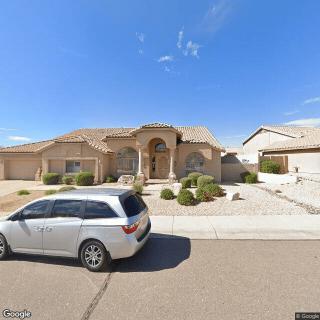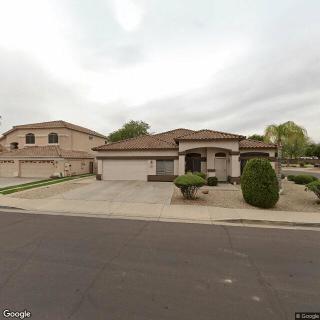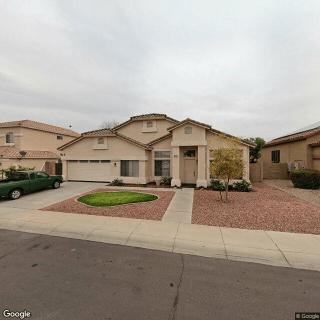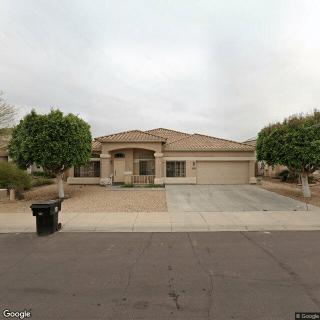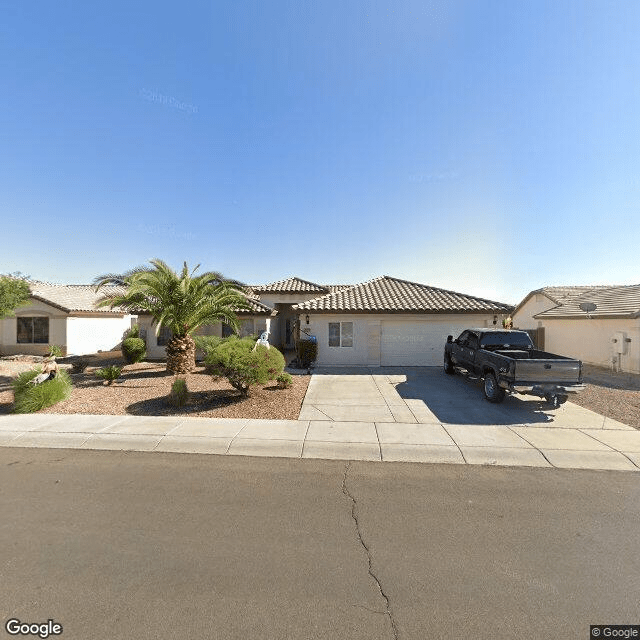
Sunrise Assisted Living

Save
Sunrise Assisted Living

Sunrise Assisted Living

13299 West Statler, Surprise, AZ 85374

For more information about senior living options: (844) 490-3973

3 from 2 reviews
Board and Care Home Memory Care

Sunrise Assisted Living Costs & Pricing

Sunrise Assisted Living offers competitive pricing for its services, particularly when compared to the average costs in Maricopa County and across Arizona. For instance, a semi-private room at Sunrise is priced at $1,800 per month, significantly lower than the county's average of $2,801 and the state average of $2,820. Similarly, both private rooms and one-bedroom units are available at $2,300, which again undercuts the county's average of $3,318 for private rooms and $3,473 for one-bedroom accommodations. This positioning not only makes Sunrise an appealing option for families seeking quality care but also reflects a commitment to providing accessible living solutions within a vibrant community. Overall, such pricing reinforces Sunrise's reputation as a favorable choice for those considering assisted living options in the area.

Floor plansSunrise Assisted LivingMaricopa CountyArizona
Semi-Private$1,800$2,801$2,820
Private$2,300$3,318$3,345
1 Bedroom$2,300$3,473$3,532

What level of care are you interested in?

Assisted Living

Memory Care

Independent Living

Skilled Nursing Facility

Continuing Care Retirement Community (CCRC)CCRC

Other


Request a tour at Sunrise Assisted Living

    Overall Review of Sunrise Assisted Living

    Pros

    • pro They did an excellent job taking care of aunt.

    Cons

    • pro The lady peed on herself.
    • pro It's taking staff more than an hour to clean her.
    • pro She's sitting in her bed screaming for help.

    Review

    There are clear signs of both gratitude and concern in the memories shared about the care in this facility. On one hand, the sentiment is loud and unequivocal: the staff are capable, compassionate, and dedicated when it comes to the aunt they were looking after. The praise is specific, underscoring the staff's effectiveness, attentiveness, and the overall quality of care delivered. It's a reminder that in many moments, the caregivers do what is needed with competence and kindness, earning sincere appreciation from family members who rely on them for someone they love.

    In the same vein of experience, another account paints a more complicated picture. It centers on a distressing incident involving a resident who is described as a lady who, in the moment, had an incontinence episode. The account highlights that she was left in her bed while she cried out for help, and that her bathroom needs were being attended to only after a lengthy delay - well over an hour. The narrative notes that the person's name may be Wendy, and it suggests that staff are in the process of changing her. The details imply a lapse in the immediacy and responsiveness that families hope to see in a respectful, supportive setting.

    That description raises urgent questions about staffing, response times, and the dignity afforded to residents during personal care. The imagery - an individual crying out for assistance while in bed and awaiting help with basic tasks - serves as a stark contrast to the praise for excellent care in other moments. It invites readers to consider how consistent the level of attention is across time and across different residents, and whether there are bottlenecks that prevent timely responses during peak periods or in more challenging situations.

    The emotional resonance of the second account cannot be ignored. When a resident expresses distress in such a visible way, it weighs heavily on families, who must balance trust in the facility's capacity with concern for a loved one's immediate comfort and safety. The description of waiting for over sixty minutes to clean and attend to a need underscores the importance of reliable, rapid assistance, especially in situations involving incontinence, discomfort, or potential risk of skin irritation or infection. It also highlights the need for privacy and dignity during care, even when staff are pressed by workload or staffing constraints.

    Viewed together, these two perspectives suggest a facility with notable strengths and possible gaps. The commendations point to a culture of care where many staff members perform with warmth and skill, making meaningful differences in the daily lives of residents. Yet the opposing account reminds us that even well-intentioned teams can falter under pressure, and that moments of delay or perceived neglect can have a powerful emotional toll on residents and their families. It becomes clear that consistency is key - consistent responsiveness, consistent attention to dignity, and consistent communication with families about what is happening and why.

    Moving forward, there are practical implications to consider. Ensuring adequate staffing during all shifts, enabling quicker responses to calls, and maintaining thorough protocols for incontinence care and personal hygiene could help bridge the gap between praised moments and distressing ones. Clear, compassionate communication about a resident's status and the steps being taken to address needs can also help families feel more secure, even when challenges arise. Training that emphasizes not only technical skill but also the emotional aspects of care - listening to a resident's cries for help and validating their discomfort - could reinforce the sense of safety and respect that every resident deserves.

    In the end, the experiences shared reveal a care environment with real strengths and real opportunities for improvement. The staff's ability to deliver excellent, compassionate care is evident and should be celebrated, while the troubling account serves as a reminder that every individual's moment matters. Striving for steadier, more consistent responsiveness and a deeper, ongoing commitment to dignity in every interaction will help ensure that all residents feel supported, protected, and heard - no matter the hour or the challenge at hand.

    Features

    Types of Care

    • Board and Care Home Board and Care HomeBoard and care homes provide a smaller, more intimate setting for seniors who require assistance with daily tasks but do not need the level of care offered by a nursing home. They offer personalized care, meals, and social activities in a homelike environment, ensuring that seniors receive individualized attention and support in their golden years.
    • Memory Care Memory CareMemory care is crucial for seniors as it provides specialized support and services for individuals with dementia or Alzheimer's disease. These programs offer a safe and secure environment where residents receive personalized care, cognitive stimulation, and help with daily activities. Memory care helps seniors maintain their independence, quality of life, and dignity while also providing peace of mind for their families.

    Pets

    • Dogs allowed Dogs allowed"Pet friendly" senior living communities are important for seniors because pets provide companionship, reduce feelings of loneliness and depression, promote physical activity and mental stimulation, and offer a sense of purpose and responsibility. Pets can improve overall well-being and quality of life for seniors in many ways.

    Amenities

    • Activities on-site Activities on-siteActivities on-site are important for seniors because they provide opportunities for socialization, mental stimulation, physical activity, and overall well-being. Engaging in activities can help seniors stay active, maintain their independence, and improve their quality of life.
    • Bath tubs Bath tubsBath tubs are important for seniors because they provide a safe and relaxing way to bathe, helping to prevent slips and falls while promoting independence and overall well-being.
    • Beautician on-site Beautician on-siteHaving a beautician on-site at a senior living community is important for seniors as it allows them to easily access grooming and personal care services, boosting their self-esteem and overall well-being. It also provides convenience and helps seniors maintain their sense of independence and personal style.
    • Devotional services off-site Devotional services off-siteDevotional services off-site are important for seniors as they provide spiritual nourishment, social engagement, and a sense of community outside of the senior living facility. This can enhance overall well-being and help combat feelings of isolation and loneliness often experienced by older adults.
    • Indoor common areas Indoor common areasIndoor common areas are crucial for seniors as they provide a space for socialization, recreation, and community engagement, promoting overall well-being and reducing feelings of isolation and loneliness.
    • Outdoor common areas Outdoor common areasOutdoor common areas are important for seniors as they provide a space for socialization, physical activity, and relaxation. Being outside in nature can improve mood and overall well-being, while also encouraging movement and engagement with others. These spaces can help combat feelings of isolation and promote a sense of community among residents.
    • Private PrivatePrivacy is important for seniors as it allows them to maintain their independence, dignity, and sense of control over their own lives. It also gives them the space and freedom to relax, reflect, and engage in activities that bring them joy and fulfillment. Creating private spaces within senior living facilities is crucial for promoting overall well-being and quality of life.
    • Private bathrooms Private bathroomsPrivate bathrooms are important for seniors in senior living communities because they provide independence, dignity, and comfort. Having a private bathroom allows seniors to maintain their personal hygiene routines without the need for assistance, promoting a sense of autonomy and privacy. Additionally, private bathrooms help prevent the spread of infections and provide a safe and clean environment for seniors to navigate safely.
    • Wheelchair accessible showers Wheelchair accessible showersWheelchair accessible showers are crucial for seniors as they provide a safe and independent bathing option for those with mobility challenges. These showers help prevent falls and allow seniors to maintain their dignity and autonomy while ensuring they can bathe comfortably.

    Transportation

    • Phoenix Sky Harbor International (24 miles away) Phoenix Sky Harbor International (24 miles away)

    Care Services

    • Diabetic care Diabetic careDiabetic care is crucial for seniors as they are more susceptible to developing diabetes due to aging and other health conditions. Proper management of diabetes can help prevent complications such as heart disease, vision loss, and nerve damage, improving the overall quality of life for seniors in senior living communities.
    • High acuity care High acuity careHigh acuity care is important for seniors because it provides specialized medical attention and support for individuals with complex medical needs. This level of care ensures that seniors receive the appropriate treatment and assistance to maintain their health and quality of life as they age.
    • Incontinence care Incontinence careIncontinence care is essential for seniors to maintain their dignity, hygiene, and overall quality of life. By addressing incontinence issues promptly and effectively, seniors can enjoy a sense of independence and comfort in their daily activities.
    • Medication management Medication managementMedication management is crucial for seniors to ensure they are taking the right medications at the correct dosages and times. This helps prevent adverse drug interactions, reduces the risk of medication errors, and promotes overall health and well-being. Proactive management also allows for adjustments as needed based on changing health conditions or new prescriptions.

    Dining

    • Kosher KosherKosher options are important for seniors because they adhere to dietary laws that are significant to many Jewish individuals, providing them with peace of mind and an opportunity to maintain their cultural traditions and beliefs while living in a senior living community.
    • Meals provided Meals provided"Meals provided" are crucial for seniors in assisted living communities as it ensures they have access to nutritious, balanced meals without the stress of meal planning and preparation. This can help promote overall health and well-being for seniors who may have limited mobility or cognitive abilities.
    • Vegetarian VegetarianA vegetarian diet is important for seniors because it can help lower the risk of chronic diseases, maintain a healthy weight, and provide essential nutrients needed for aging bodies. Additionally, plant-based diets are often easier on digestive systems and can contribute to overall well-being in older adults.

    Activities

    • Activities on-site Activities on-siteActivities on-site are important for seniors because they provide opportunities for socialization, mental stimulation, physical activity, and overall well-being. Engaging in activities can help seniors stay active, maintain their independence, and improve their quality of life.
    • Devotional activities offsite Devotional activities offsiteDevotional activities offsite are important for seniors because they provide social engagement, spiritual growth, and a sense of community outside of their living environment. This can improve overall well-being, mental health, and combat feelings of isolation or loneliness.

    Description

    Sunrise Assisted Living in Surprise, AZ is a premier memory care community that offers exceptional care and amenities to residents. Our dedicated and compassionate staff provides high acuity care, ensuring the needs of our residents are met at all times. We also offer specialized care services such as medication management and incontinence care.

    The community features a welcoming and comfortable environment with indoor and outdoor common areas for residents to socialize and enjoy their surroundings. Our private accommodations include private bathrooms with wheelchair accessible showers for convenience and ease of use.

    To promote overall wellness, we provide nutritious meals to our residents, with vegetarian options available. Additionally, our community offers devotional activities offsite for those who wish to engage in spiritual practices.

    Conveniently located near various amenities, including cafes, parks, pharmacies, physicians' offices, restaurants, places of worship, theaters, and hospitals. Residents can easily explore the local area or fulfill their personal needs with ease.

    At Sunrise Assisted Living in Surprise, AZ, we strive to enhance the quality of life for our residents by providing exceptional care in a warm and inviting environment.

    Nearby Places of Interest

    This part of Surprise, Arizona offers a variety of amenities that would be convenient for seniors looking to settle in the area. With several restaurants such as Chick-Fil-A and Carrabba's Italian Grill within close proximity, residents can enjoy delicious dining options nearby. Additionally, there are multiple parks like Surprise Community Park and Veramonte Park where individuals can enjoy outdoor recreational activities. For healthcare needs, there are several pharmacies and physician offices in the area, including Banner Health Center and Affiliated Dermatology. Furthermore, seniors have access to entertainment options such as AMC Surprise Pointe 14 theater. Overall, this part of Surprise provides a well-rounded community with easy access to essential services for those considering senior living in the area.

    Restaurants

    • Chick-Fil-A (0.6 miles)
    • Lou's Tivoli Gardens (1 miles)
    • Carrabba's Italian Grill (1.1 miles)
    • Crumbl Cookies (1.8 miles)
    • Fuzzy's Southwest Sports Grill (2.3 miles)
    • Crooked Putter (2.3 miles)
    • The Brookside II Sports Bar (2.4 miles)

    Parks

    • Indoor Playgrounds International (0.8 miles)
    • Surprise Community Park (1.8 miles)
    • Kingswood Parke HOA Park (2.2 miles)
    • Veramonte Park (2.4 miles)
    • Pet Park Sun City Grand (3.9 miles)

    Pharmacies

    • CVS Pharmacy (0.9 miles)
    • Fry's Pharmacy (1.7 miles)
    • Walgreens (1.7 miles)
    • Walgreens (2.1 miles)
    • Sunrise Valley Pharmacy (2.6 miles)
    • Walmart Pharmacy (2.7 miles)
    • CVS Pharmacy (2.8 miles)

    Physicians

    • Banner Health Center (0.9 miles)
    • Affiliated Dermatology (0.9 miles)
    • Westside Internal Medicine (1.4 miles)
    • Yu, Antonio Yu Antonio V Jr MD PC (1.5 miles)
    • Antonio Yu Jr (1.5 miles)
    • Bestcare Internal Medicine (1.5 miles)
    • Allergy Asthma Clinic (1.5 miles)

    Cafes

    • Starbucks (1.6 miles)
    • Starbucks (2.3 miles)
    • Starbucks (2.6 miles)
    • Starbucks (3.1 miles)
    • Starbucks (3.8 miles)
    • The Grand Cafe (3.9 miles)
    • Sumo Snow (3.9 miles)

    Theaters

    • AMC Surprise Pointe 14 (1.7 miles)

    Hospitals

    • Apricus Medical Group (2.6 miles)

    Places of Worship

    • St Clare of Assisi Catholic Church (4.8 miles)

    Frequently Asked Questions

    How much does it cost to live at Sunrise Assisted Living in Surprise, AZ?
    Where is Sunrise Assisted Living?
    Does Sunrise Assisted Living provide care for residents with dementia or Alzheimer's disease?
    Does Sunrise Assisted Living allow residents to have pets?

    Nearby Communities

    Related Resources

    • dementia and angerWhen Dementia Sparks Anger and Aggression: Understanding the Connection and Ways to Cope

      Dementia leads to cognitive impairment and can cause emotional and behavioral changes, including aggression that arises from frustration, confusion, or fear. Effective coping strategies for caregivers include understanding dementia's nature, recognizing triggers, using empathetic communication, and employing non-pharmacological interventions like music and art therapy.

    • dementia behaviorsDementia Behaviors: In-Depth Understanding and Effective Coping Strategies

      Dementia causes cognitive decline and challenging behaviors that caregivers must manage, necessitating an understanding of the neurological basis of these issues. Effective strategies and self-care for caregivers can enhance support for those with dementia and improve their daily lives.

    • does my mom have dementia quiz5 Early Indicators of Dementia and What You Can Do

      The content outlines five key early indicators of dementia, including significant memory loss and confusion about time and place, while emphasizing the need for professional evaluation and emotional support for both individuals showing symptoms and their caregivers. It encourages family members to monitor these signs closely and use online quizzes for initial awareness.


    Get Pricing Ask A Question Schedule A Tour Contact Senior Advisor