
13217 West Rimrock Street, Surprise, AZ 85374
For more information about senior living options: (866) 208-4318
Az Tender Loving Care Home Costs & Pricing
Az Tender Loving Care Home offers competitive pricing for its residents, particularly when compared to both Maricopa County and the broader state of Arizona. For a semi-private room, the monthly cost is $2,100, which represents a significant savings against the county average of $2,801 and the state average of $2,820. Those seeking a private room will also find Az Tender Loving Care Home appealing, with a rate of $2,700 that is notably lower than the $3,318 charged in Maricopa County and the $3,345 statewide average. This pricing structure underscores the home's commitment to providing quality care at an accessible rate for families considering long-term residential options.
| Floor plans | Az Tender Loving Care Home | Maricopa County | Arizona |
|---|---|---|---|
| Semi-Private | $2,100 | $2,801 | $2,820 |
| Private | $2,700 | $3,318 | $3,345 |
Overall Review of Az Tender Loving Care Home
Pros
 The staff are very friendly and helpful with suggestions.
- The place is clean, odor-free, and informative.
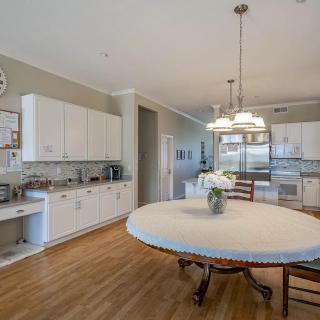
- The tile and wood floors look great.
Cons
 The distance from the reviewer's home is a bit farther, which is a drawback.
Review
Az Tender Loving Care Home in Surprise is best suited for families seeking a small, personable assisted-living option where staff are notably friendly, proactive, and willing to offer practical suggestions. The environment presents as clean, odor-free, and well maintained, with tile or wood flooring that supports easy cleaning and accessible mobility. The overall tone suggests straightforward communication and a practical approach to planning care, which can reduce uncertainty for families navigating decisions. For care seekers who value warmth, attentiveness, and clear guidance from a responsive team, this community delivers a reassuring initial impression that can translate into smooth coordination and ongoing support.
However, several families should consider alternatives, particularly if proximity to the family residence or the availability of higher-level medical services is a priority. The reviewer notes the home is a little farther from their own location, which can complicate regular visits or supervisory check-ins for those who rely on frequent in-person oversight. For families needing closer proximity, or those seeking more robust on-site clinical care, rehab programs, or a broader continuum of services, other communities with stronger medical support or a more central location may better align with expectations. Distance becomes a meaningful factor when visit frequency and day-to-day involvement are high.
The strongest pros, friendly staff, helpful guidance, and a clean, inviting environment, how they offset potential drawbacks are worth weighing in decision conversations. A team that is described as very friendly and helpful with suggestions signals a low-friction onboarding process and ongoing problem solving, which can ease transitions for residents and families alike. Cleanliness and the absence of odor contribute to a healthier atmosphere and a sense of safety, an important baseline for any senior living choice. The informative quality noted by the reviewer helps families feel they are receiving transparent, actionable information about care plans, costs, and daily routines, reducing guesswork at a critical time.
On the other hand, the review leaves open questions about the facility’s medical scope and daily program specifics. The lack of detail about nursing support, medication management, emergency procedures, dietary quality, and meaningful activities means families should verify these elements before committing. The presence of tile or wood floors is a practical plus, but it does not substitute for clarity on staffing ratios, on-site clinicians, and the availability of specialized care (memory care, post-acute recovery, or chronic condition management). In decision-making terms, the offsetting value of a warm, clean environment hinges on confirming that adequate clinical oversight and a robust daily schedule exist to meet the resident’s medical and social needs.
To move from impression to confident choice, several targeted questions should shape the evaluation. What levels of care are offered onsite, and how are residents assessed for changes in needs? What is the staff-to-resident ratio across shifts, and how is care coordination handled with family members? How are meals, recreation, and social activities structured, and what opportunities exist for meaningful engagement? What transportation options and visitation policies support regular contact with loved ones? Request a tour, meet the caregiving team, and ask about a trial stay or short-term visit to observe routines, responsiveness, and compatibility with the resident’s preferences. Gather references from current families to understand day-to-day realities beyond the initial impression.
Bottom line: Az Tender Loving Care Home stands out for families prioritizing a warm, communicative staff, a clean and odor-free living space, and practical, informative guidance. Its distance from some homes is a real factor, but for those who can accommodate that travel element, the environment and team deliver a reassuring foundation for comfort and continuity of care. Families with higher needs for immediate clinical oversight or for a campus with a broader service continuum may want to explore options closer to home or with more explicit medical programming. In the decision-making process, use this facility as a benchmark for staff responsiveness and environmental quality, then verify the clinical supports and daily program details that will determine long-term suitability.
 10 resident community capacity
 Assisted Living
 Board and Care Home
 Respite Care
 Cable or satellite TV
 Dining room
 Fully furnished
 Garden
 Housekeeping services
 Move-in coordination
 Outdoor space
 Private
 Telephone
 Wi-Fi/high-speed internet available
 Phoenix Sky Harbor International (24 miles away)
 24-hour supervision
 Activities of daily living assistance
 Ambulatory care
 Assistance with bathing
 Assistance with dressing
 Assistance with transfers
 Diabetes diet
 Diabetic care
 Incontinence care
 Meal preparation and service
 Medication management
 Special dietary restrictions
 Transportation arrangement (medical)
 Transportation to doctors appointments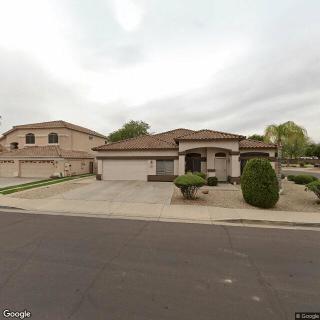



 Medicare Coverage for Assisted Living: An In-Depth Exploration
 Choosing the Right Senior Care: A Detailed Exploration of Assisted Living and Nursing Homes
 Understanding the True Cost of Assisted Living in 2025: A Comprehensive Guide