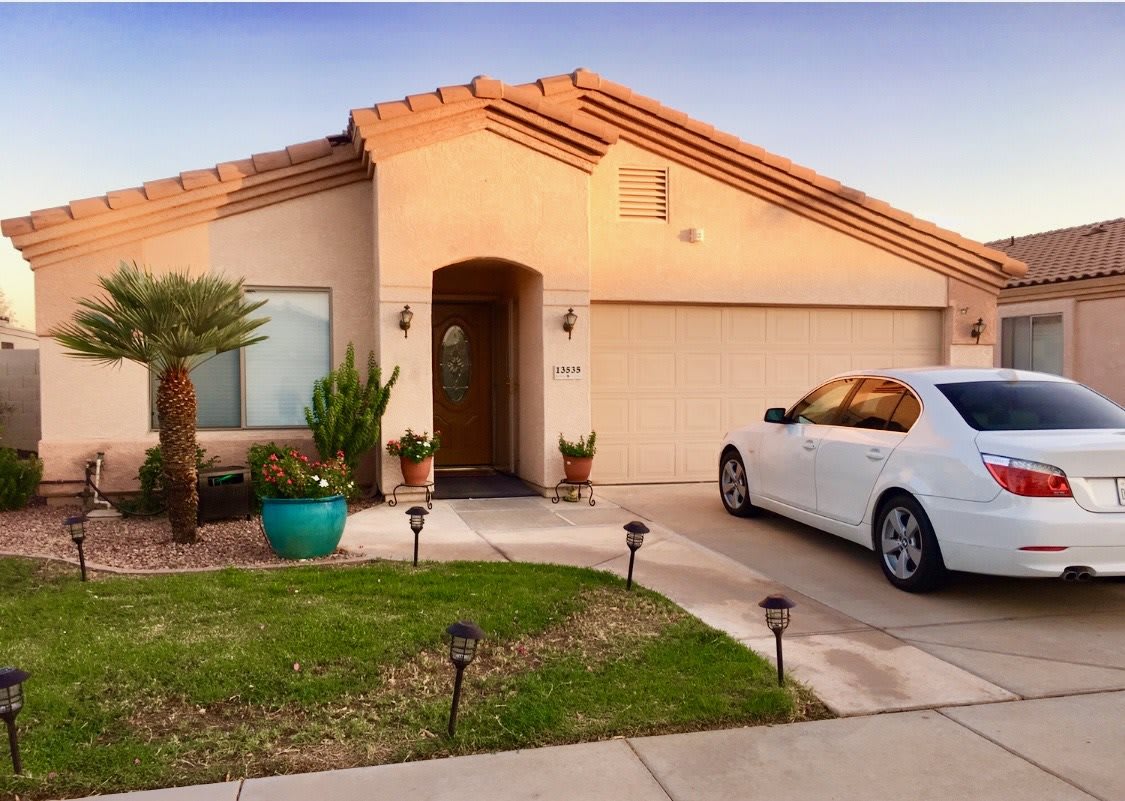
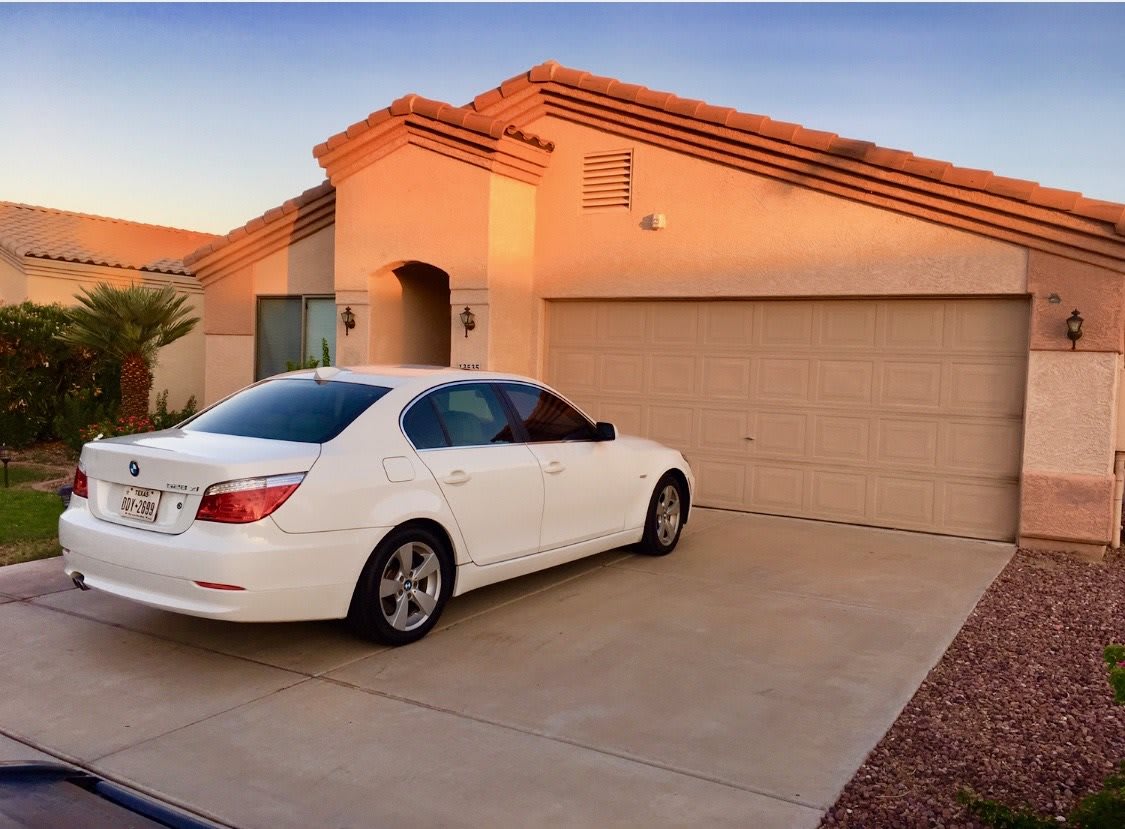
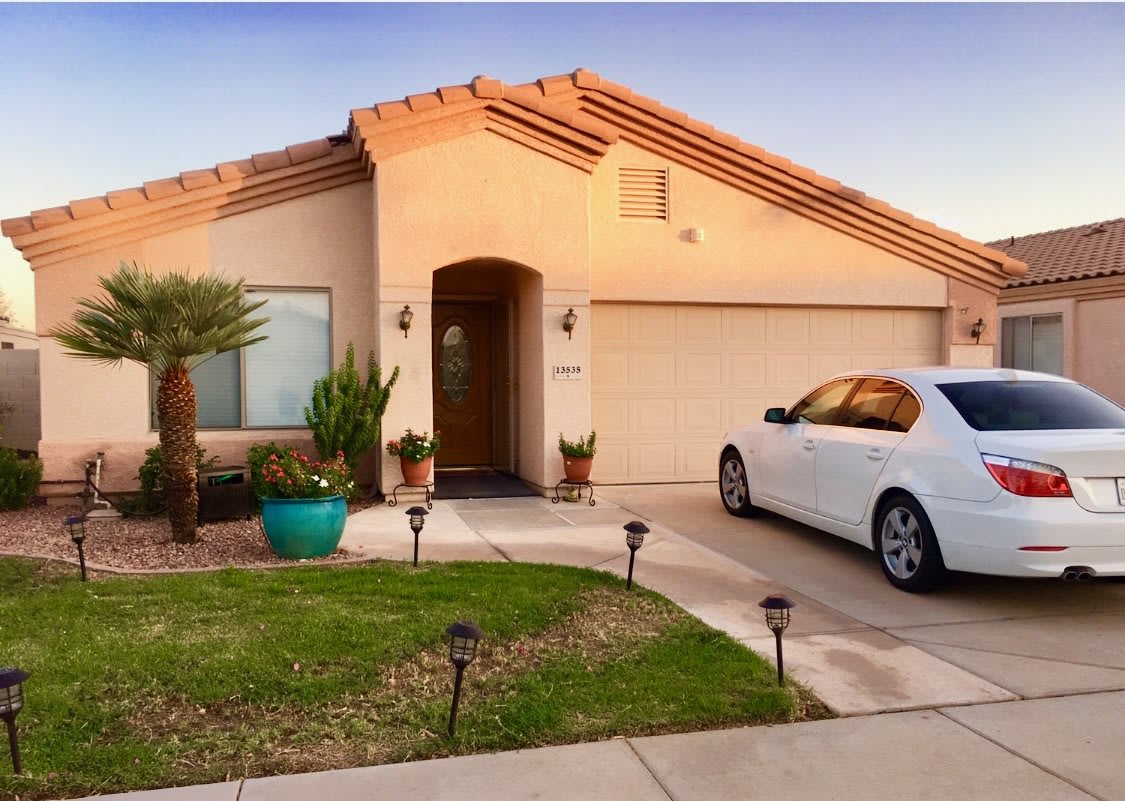
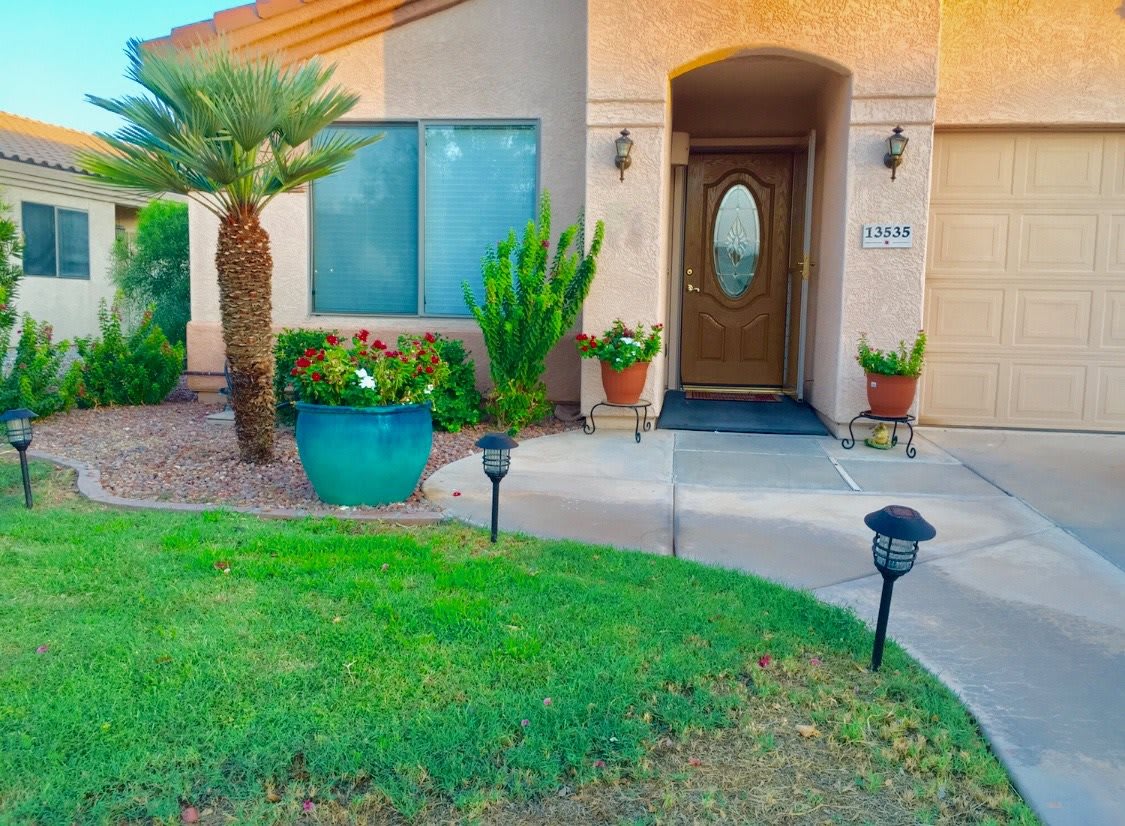
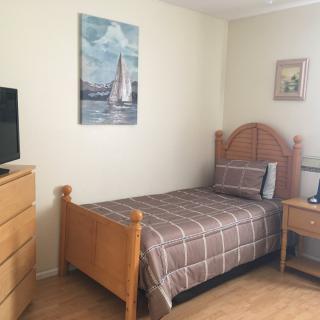
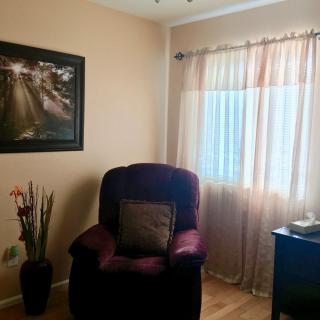
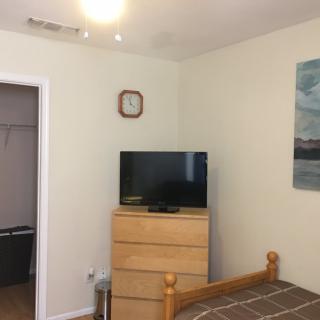
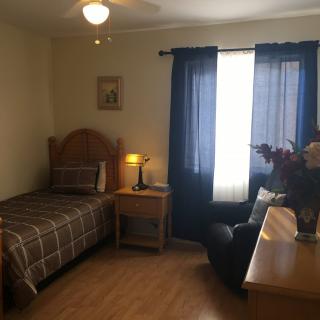
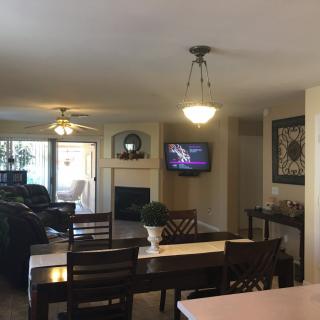
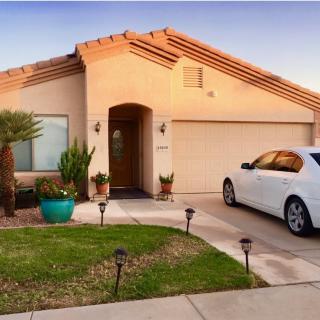
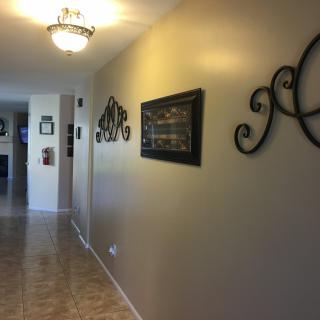
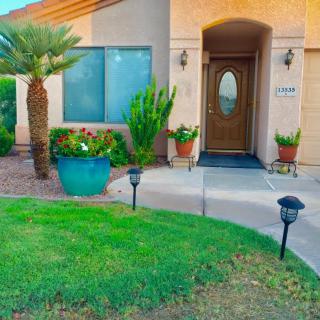
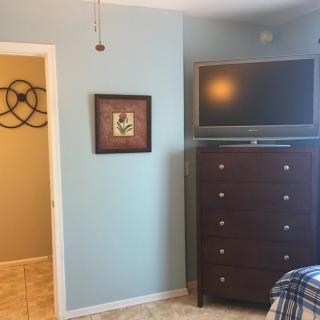
13535 W Canyon Creek Dr, Surprise, AZ 85374
To contact a resident: (936) 777-3374
For more information about senior living options: (866) 208-4318
Desert Palms Adult Care Costs & Pricing
Desert Palms Adult Care offers competitive pricing for its various room types compared to both Maricopa County and the state of Arizona. For semi-private rooms, Desert Palms charges $2,800 per month, which is slightly below the county average of $2,801 and close to the state average of $2,820. The one-bedroom option at Desert Palms is priced at $3,000, significantly lower than the county's average of $3,473 and the state average of $3,532. However, for private rooms, Desert Palms' rate of $4,500 exceeds both the county's average of $3,318 and the state's average of $3,345. This pricing structure suggests that while Desert Palms provides attractive options for shared accommodations and one-bedroom living spaces, prospective residents should be aware that its private room offerings may come at a premium compared to other facilities in the area.
| Floor plans | Desert Palms Adult Care | Maricopa County | Arizona |
|---|---|---|---|
| Semi-Private | $2,800 | $2,801 | $2,820 |
| 1 Bedroom | $3,000 | $3,473 | $3,532 |
| Private | $4,500 | $3,318 | $3,345 |
Memory care communities with a similar price nearby
-
from +$200 / mo
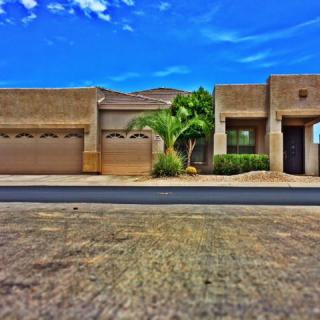
Desert Garden Senior Living
$3,000 to $3,500 / month22.0 miles away -
from -$300 / mo
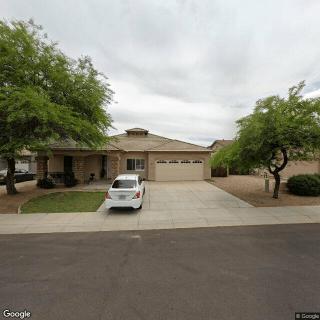
Anc Assisted Living Homes I
$2,500 to $3,500 / month6.0 miles away -
from -$100 / mo
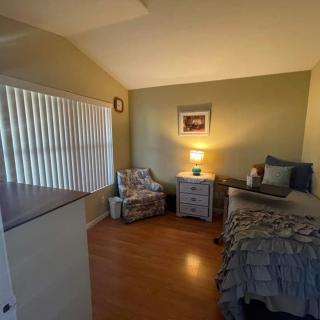
Caring Hearts Senior Care
$2,700 to $3,500 / month2.4 miles away -
from +$200 / mo
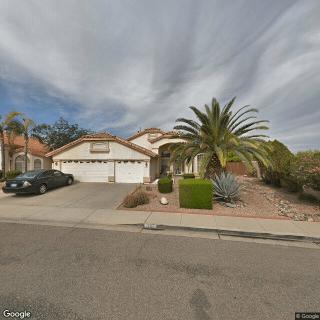
Horizon Assisted Living
$3,000 / month7.4 miles away -
from -$300 / mo
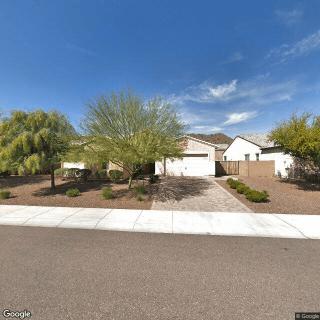
Northlands Assisted Living Home
$2,500 / month7.8 miles away
Overall Review of Desert Palms Adult Care
Pros
 The staff are wonderful and very caring.
- The environment is relaxing with access to doctors, pharmacy, therapists, and x-rays.
- All meals are homemade.
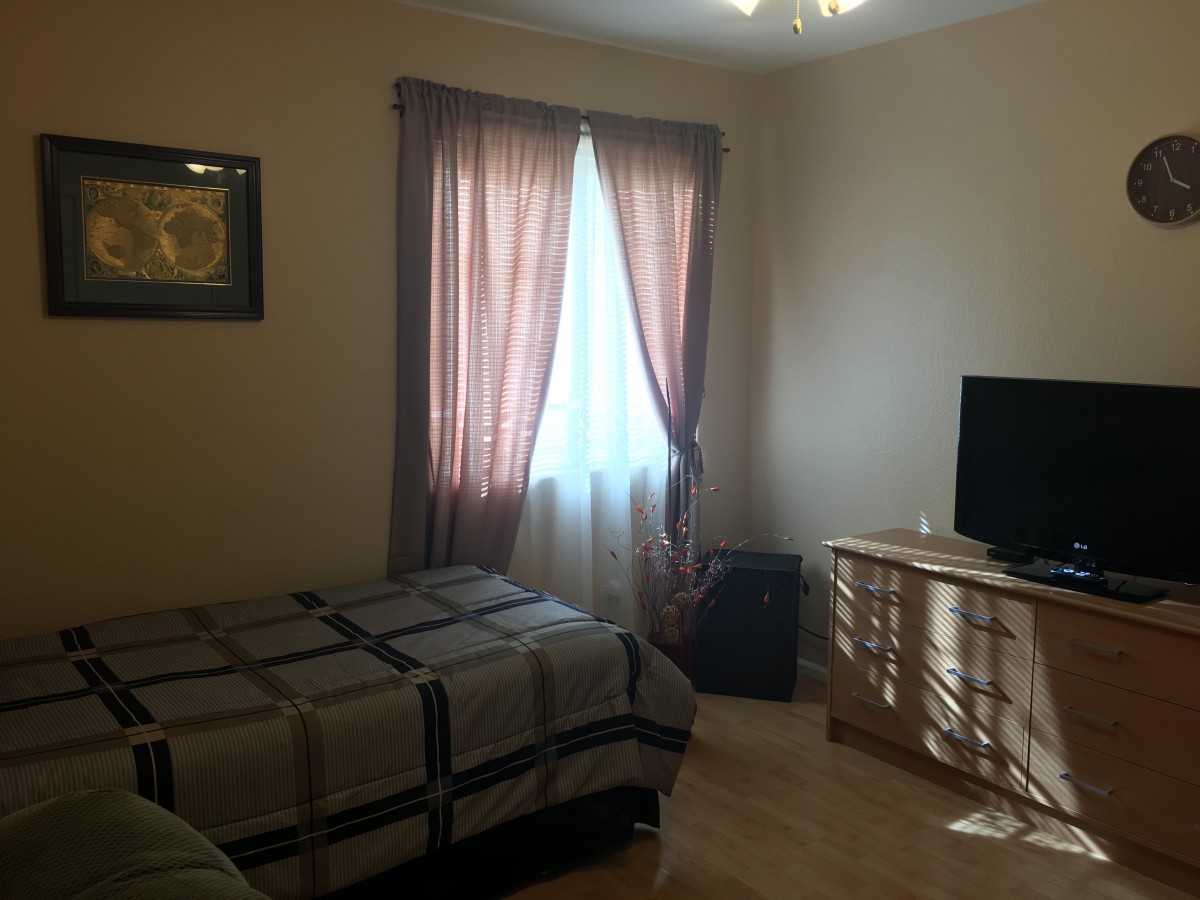
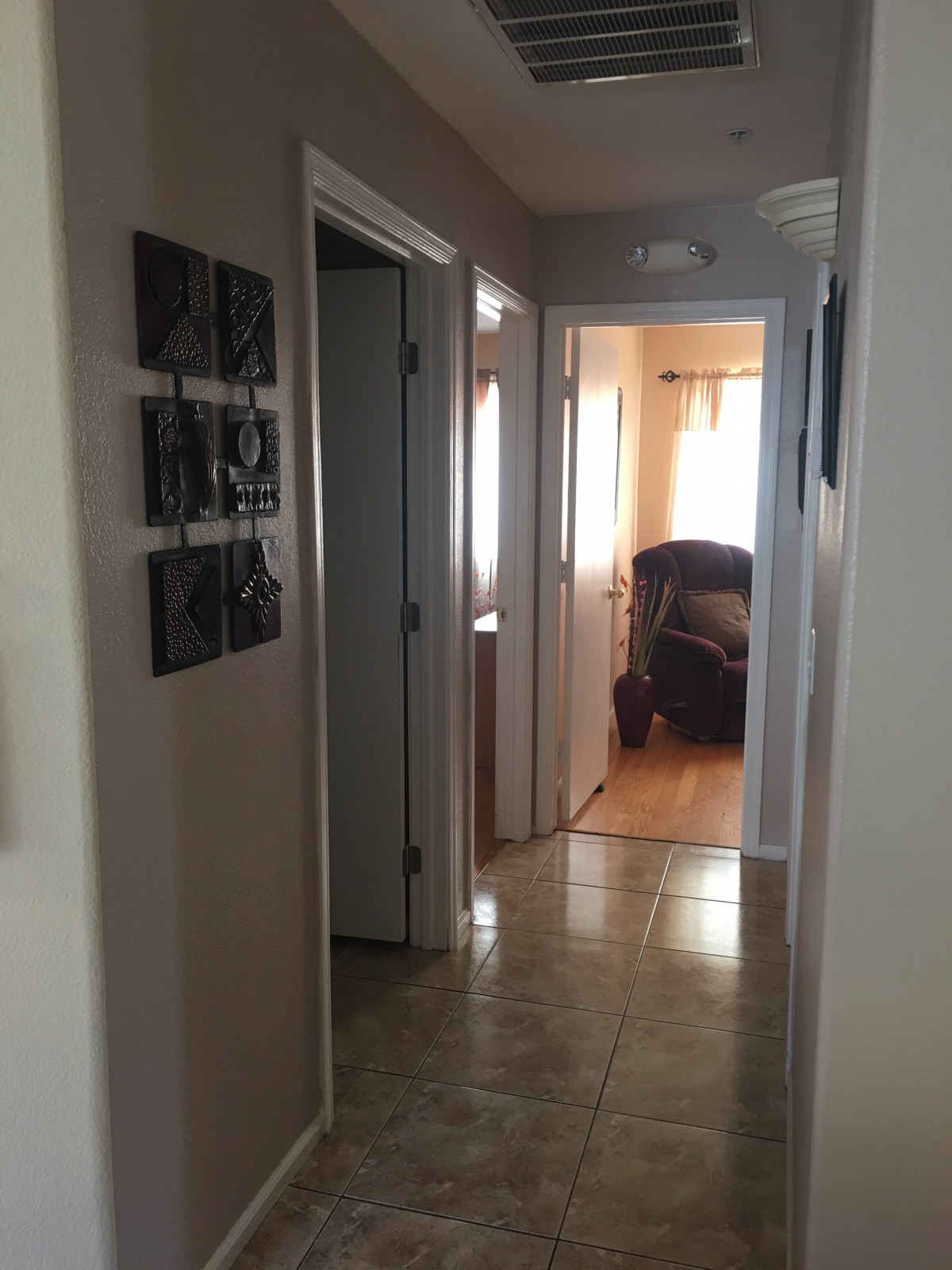
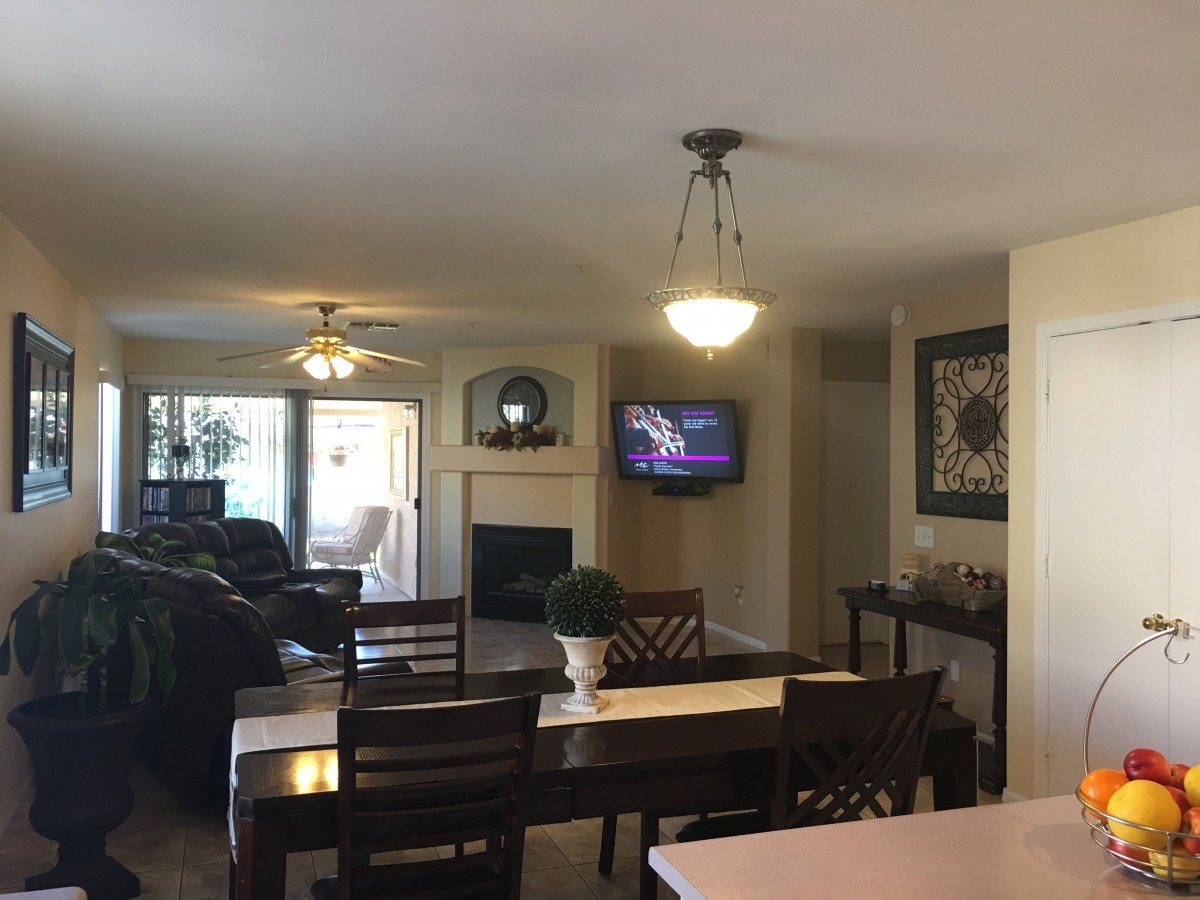
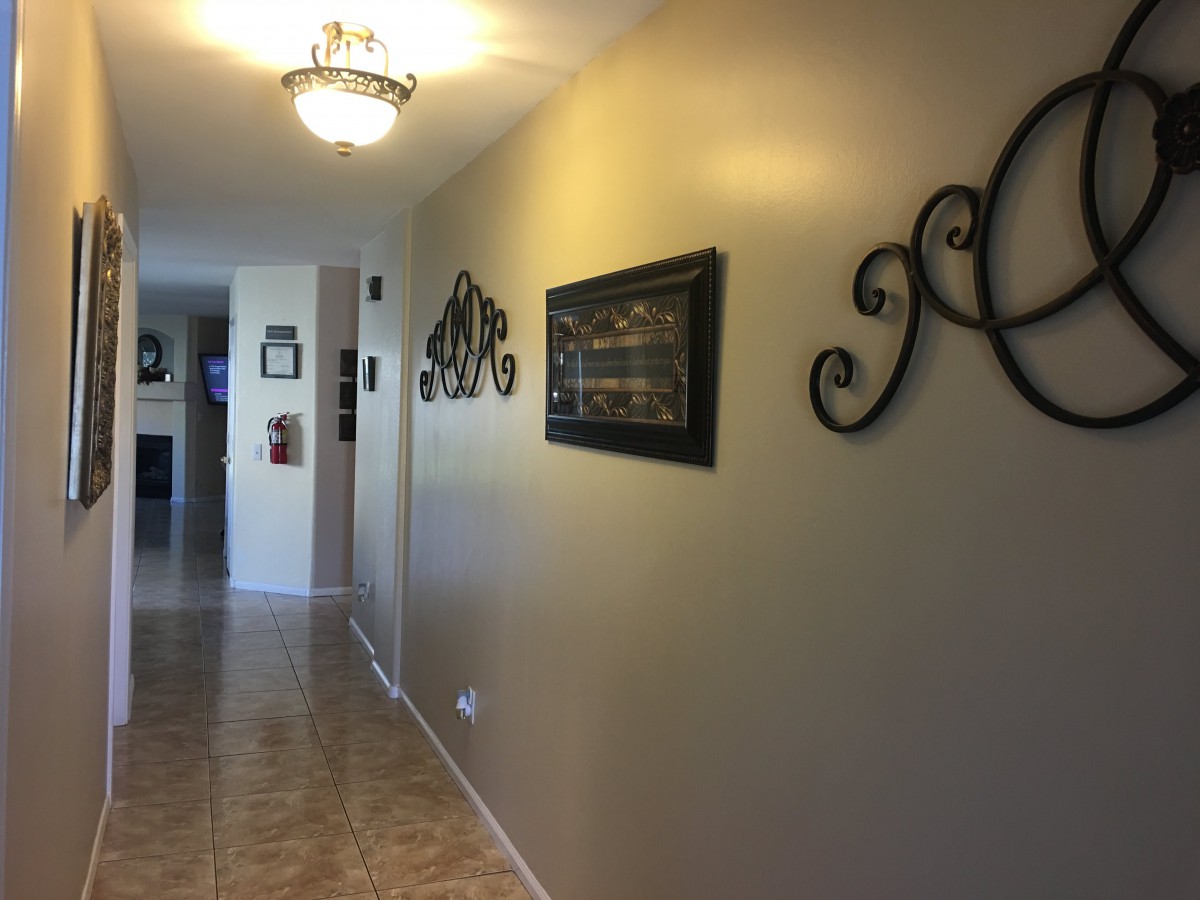
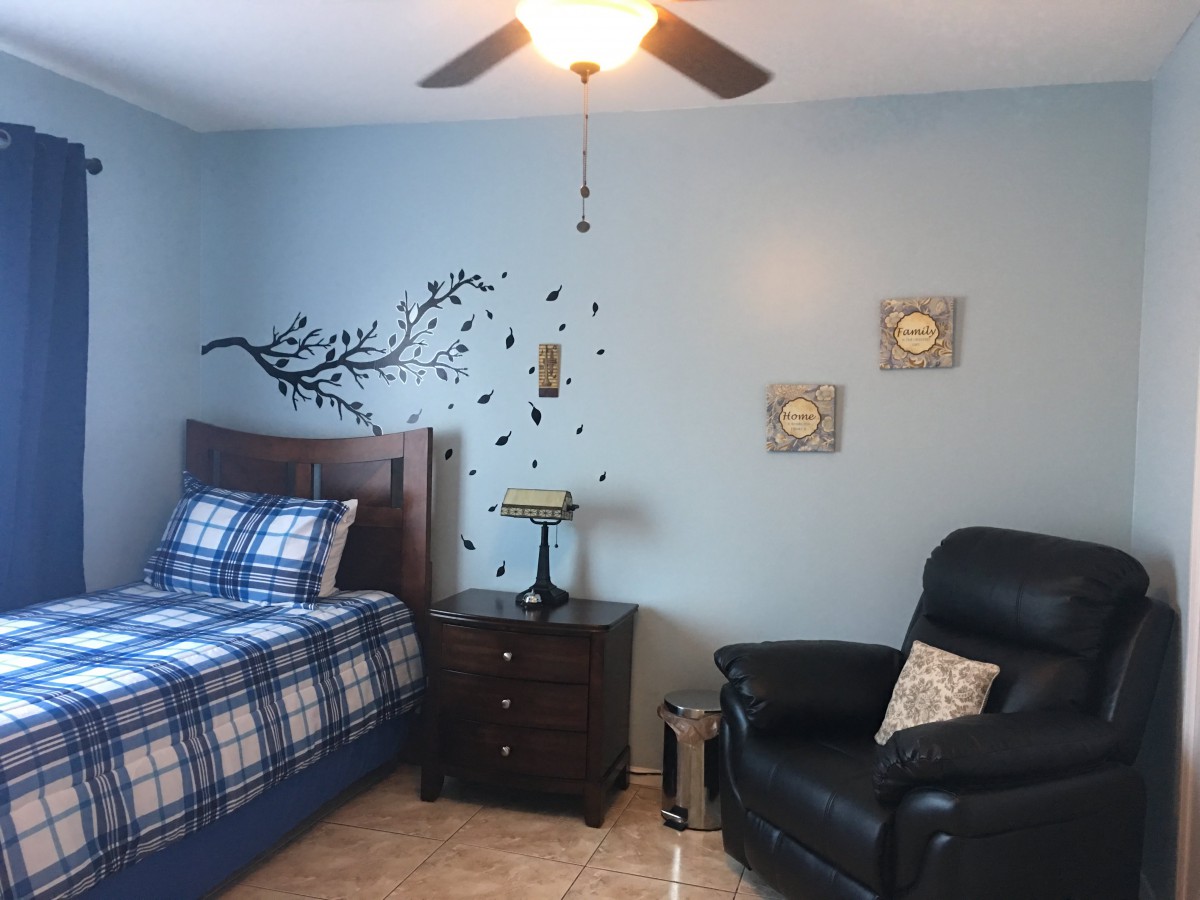
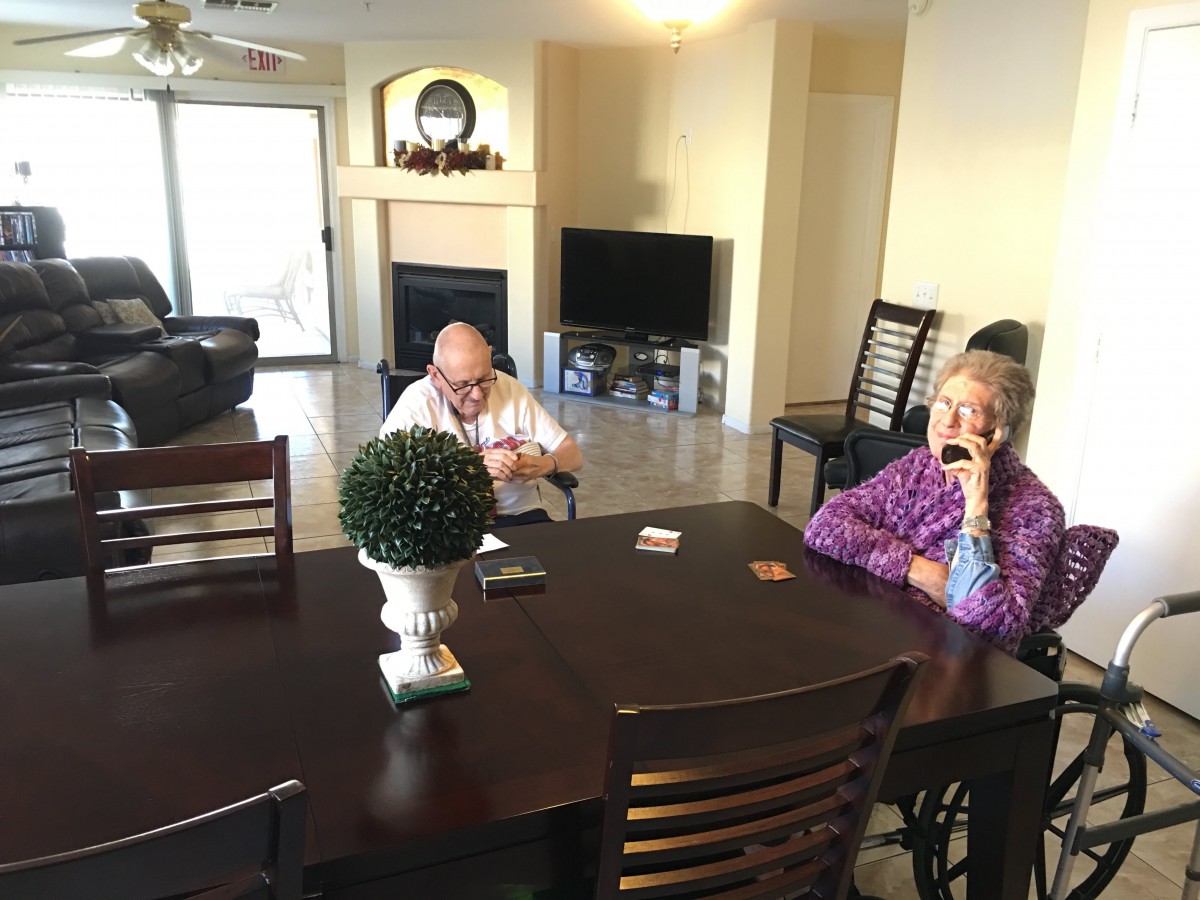
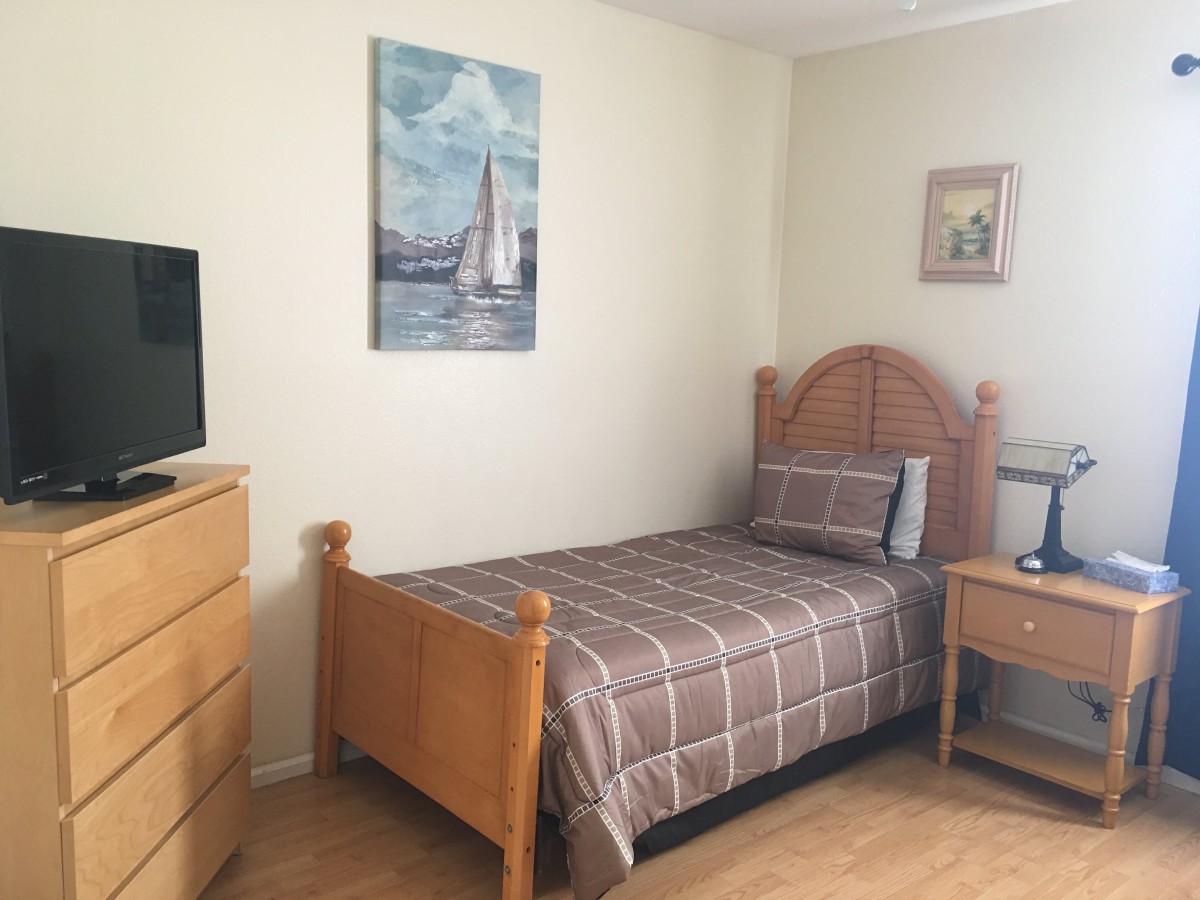
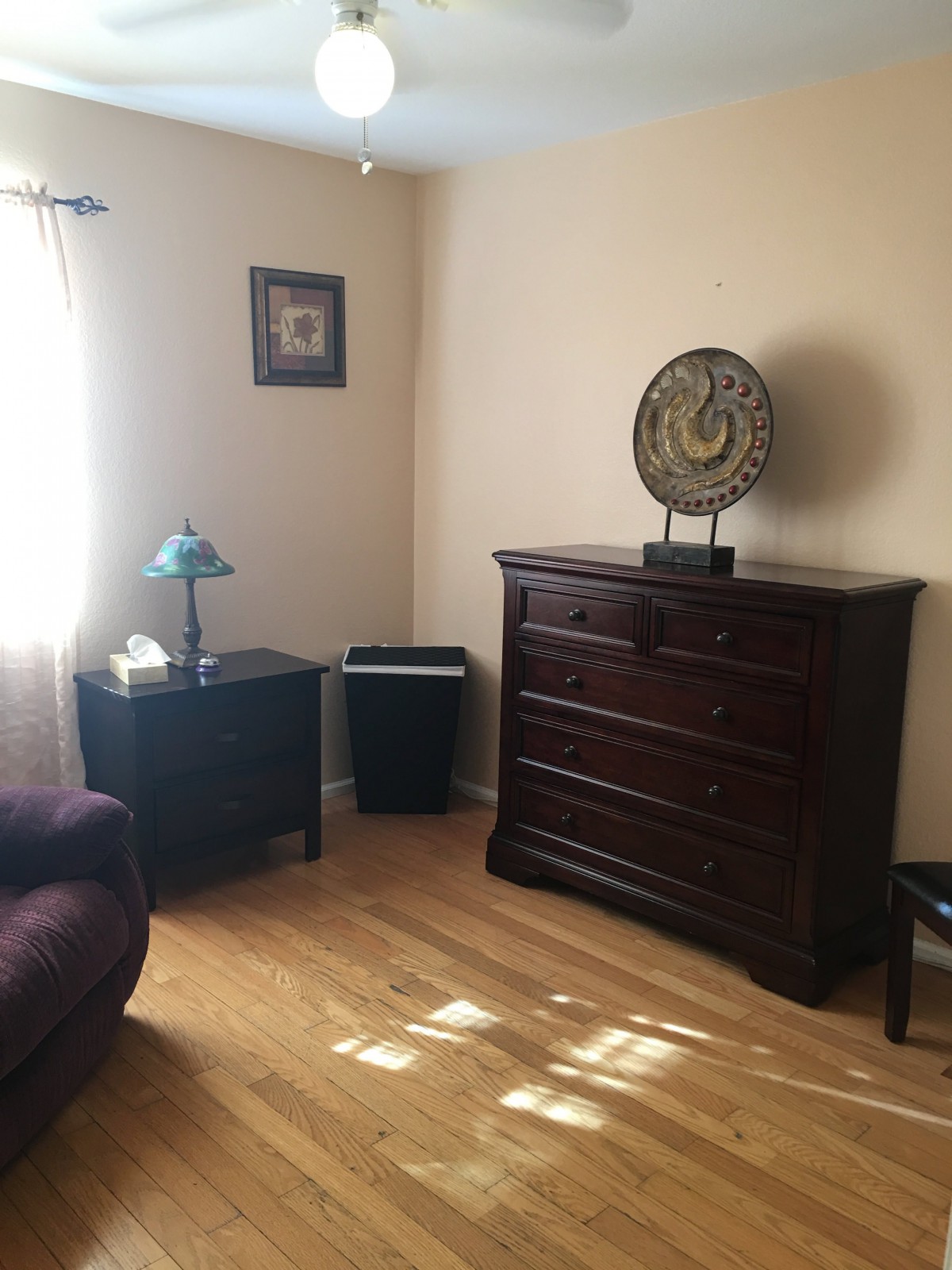
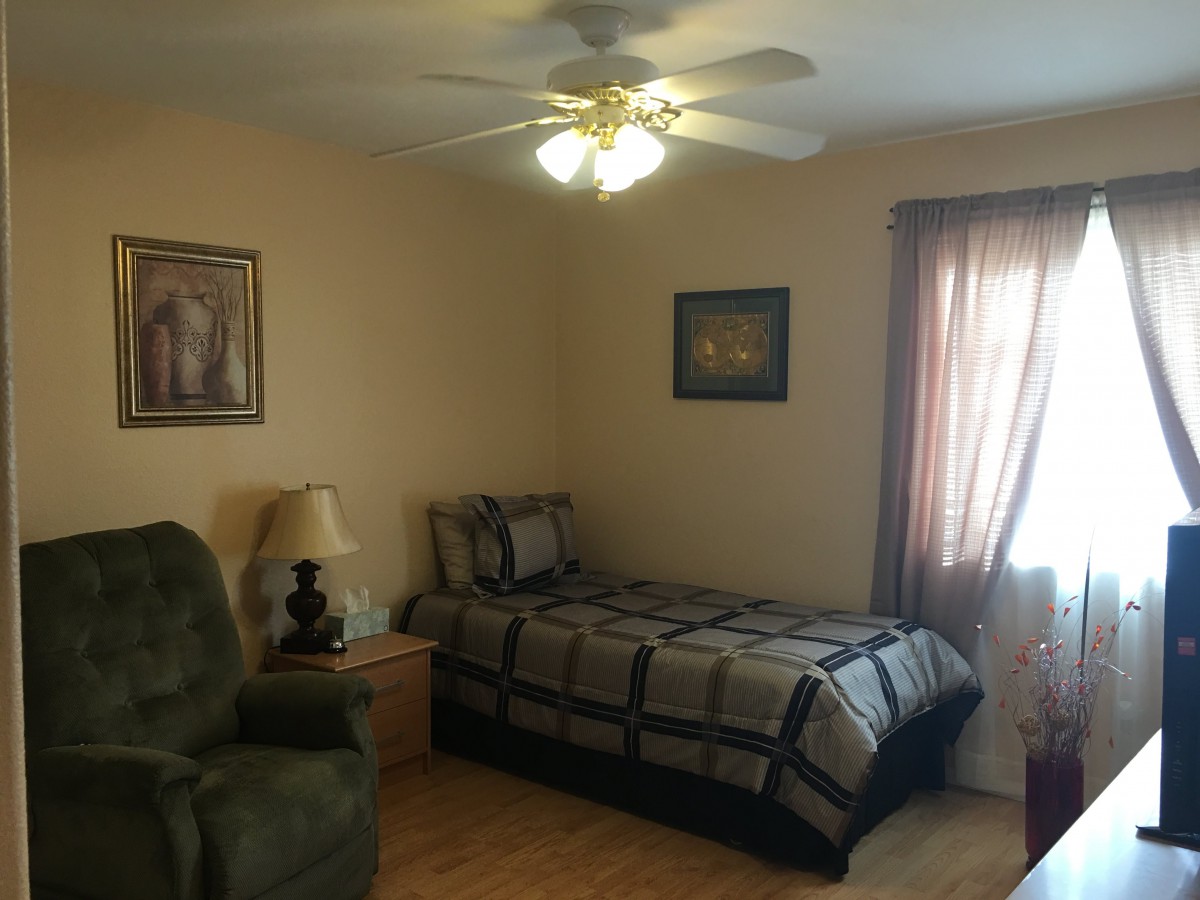
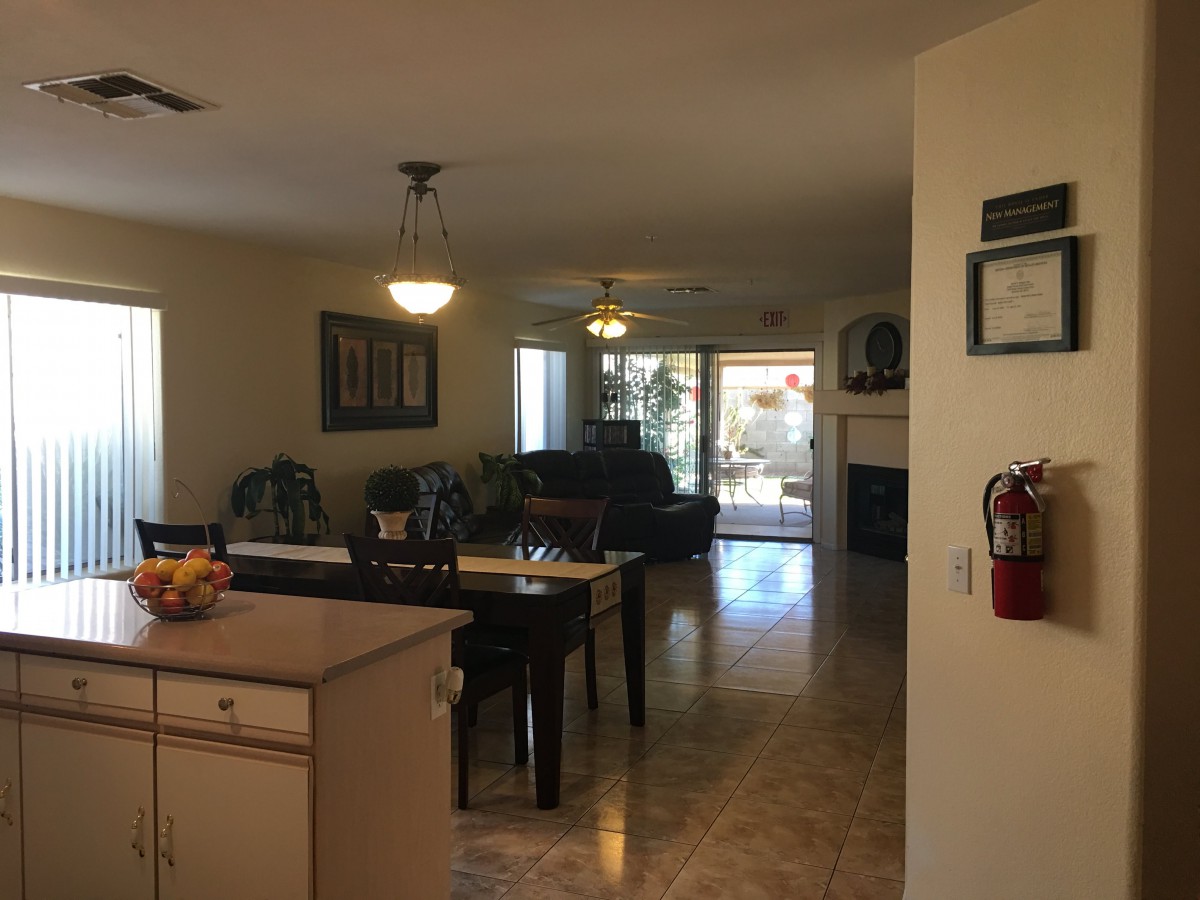
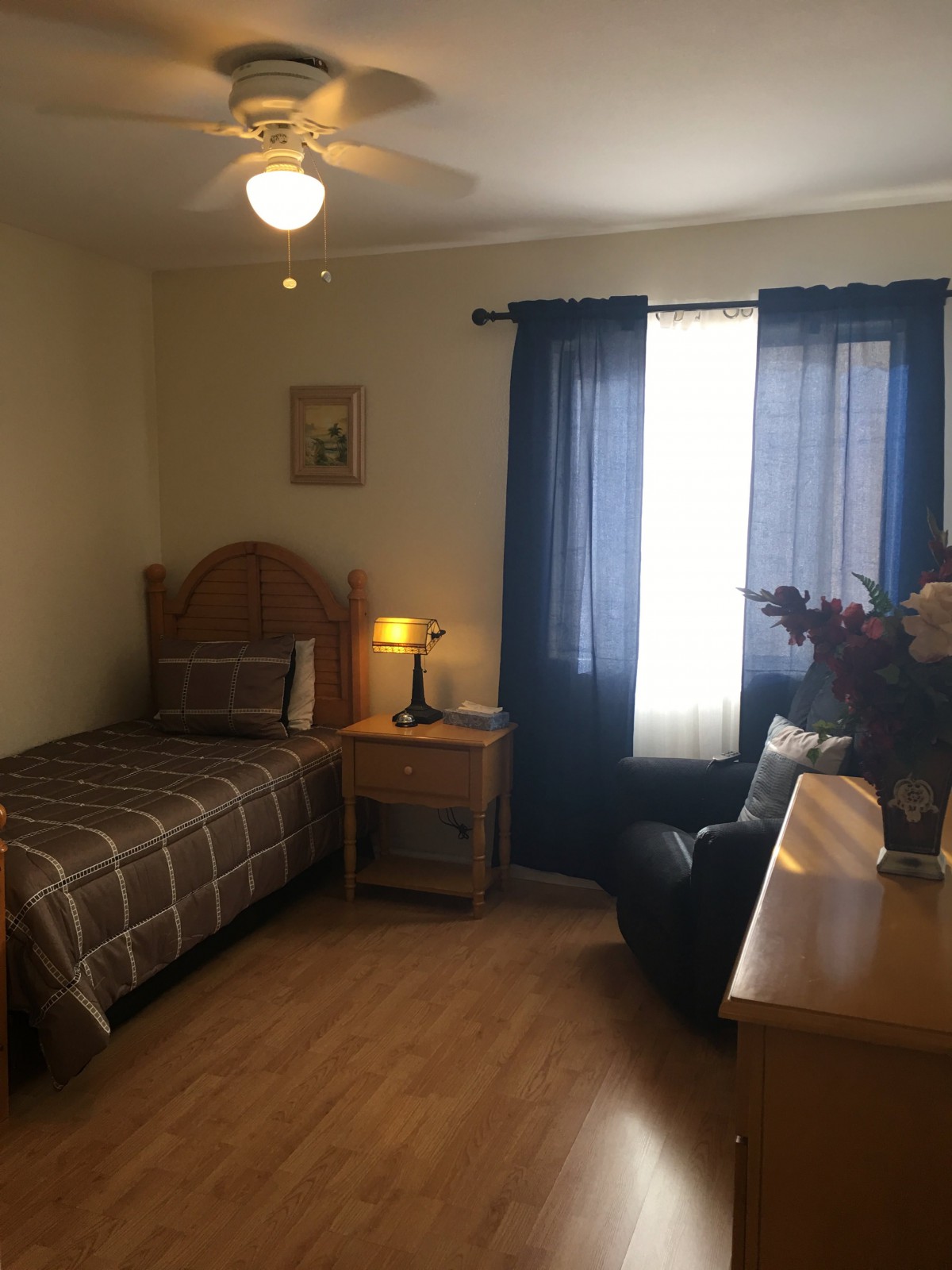
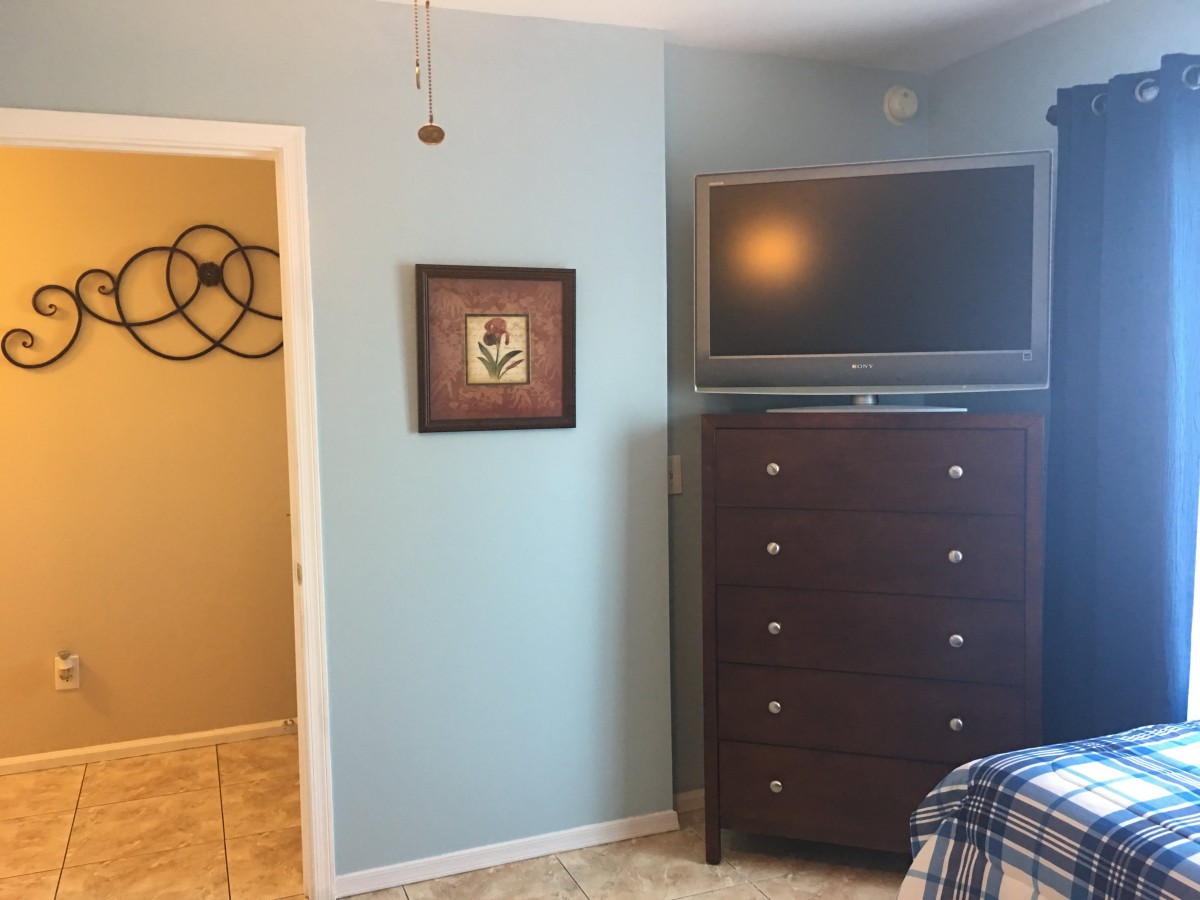
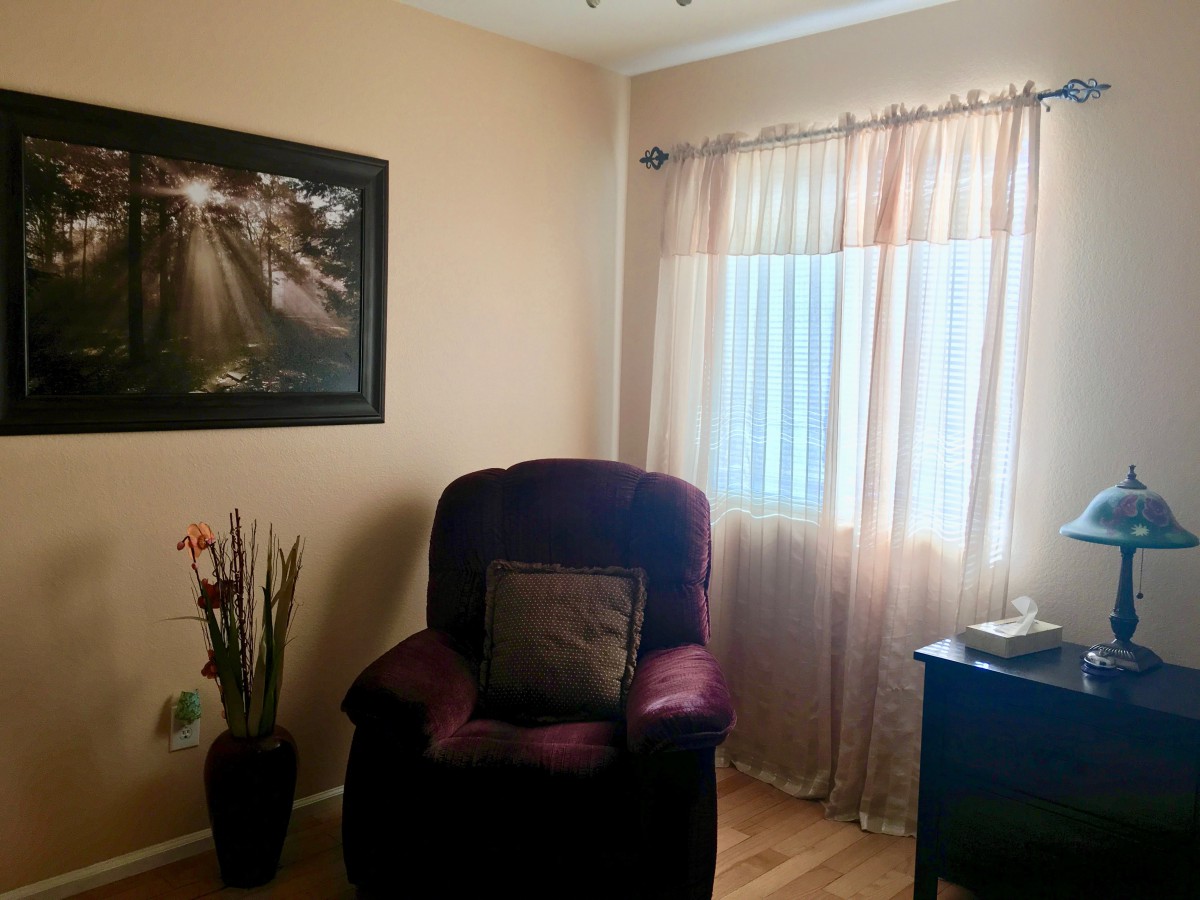
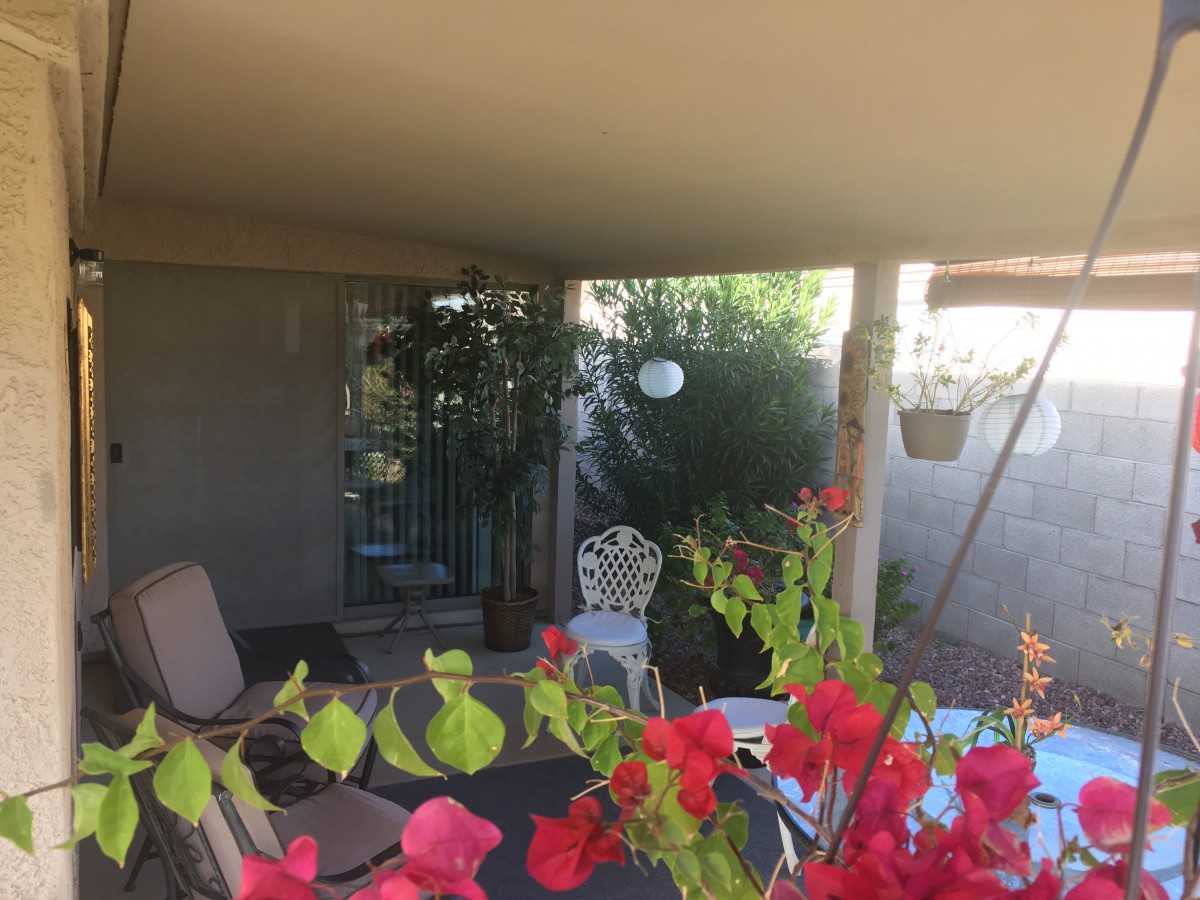
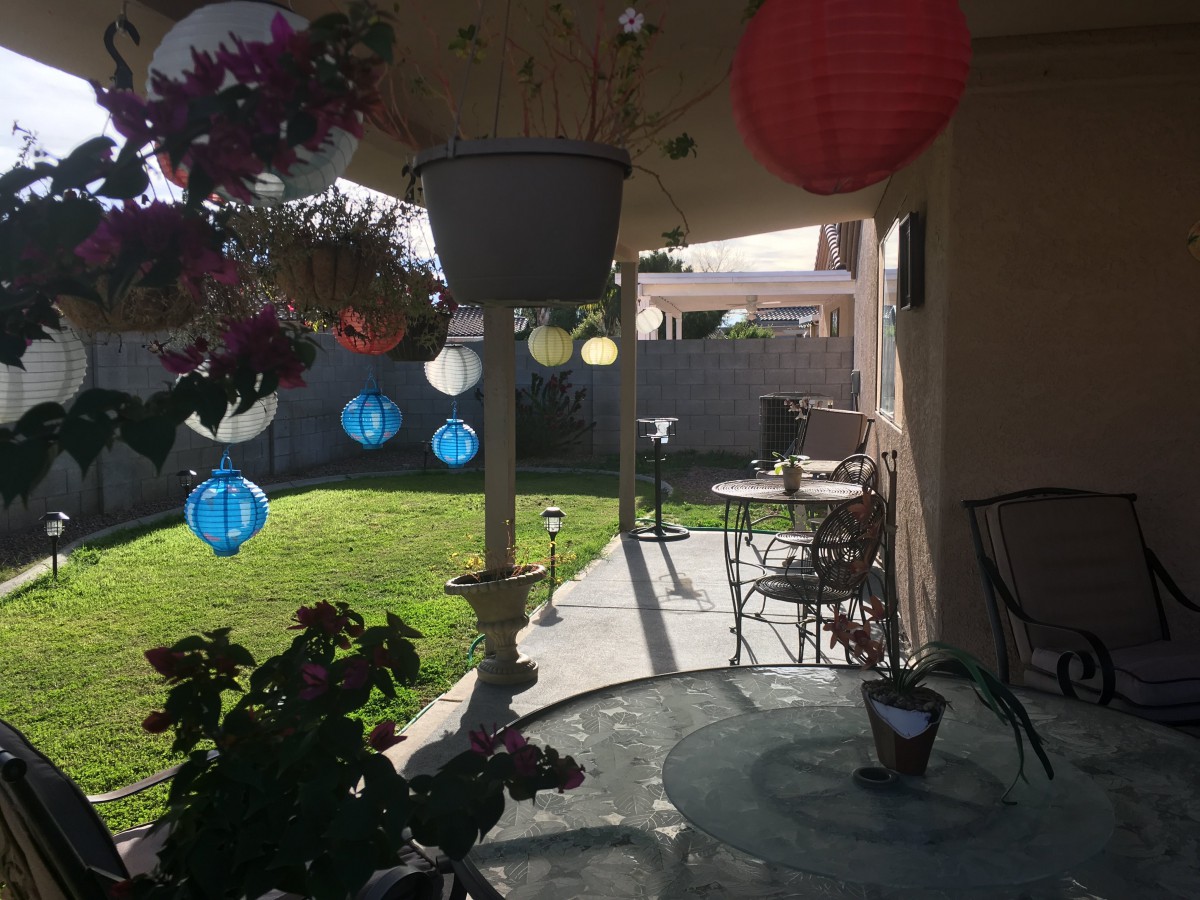
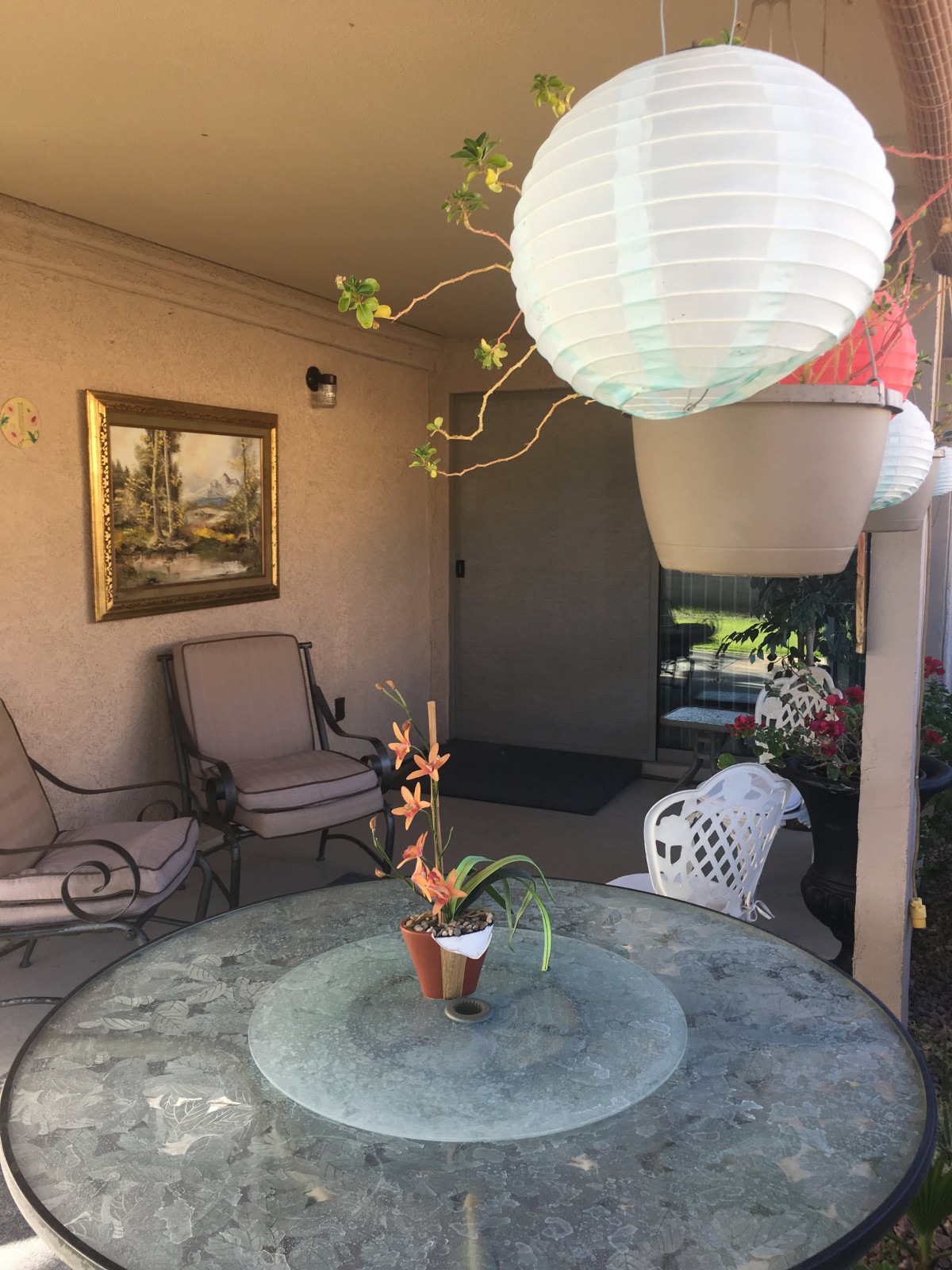
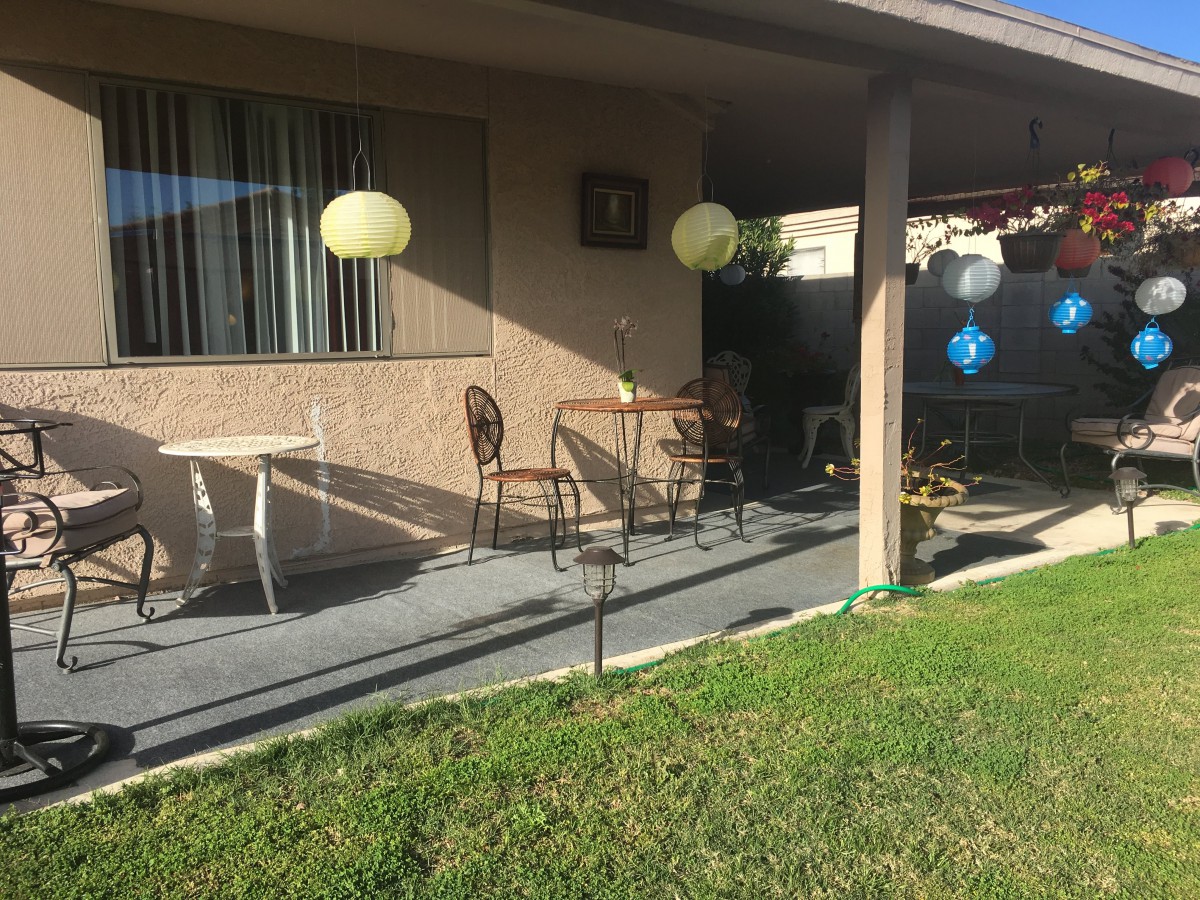
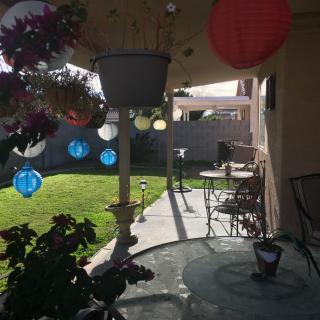
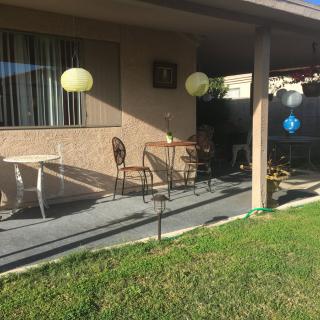
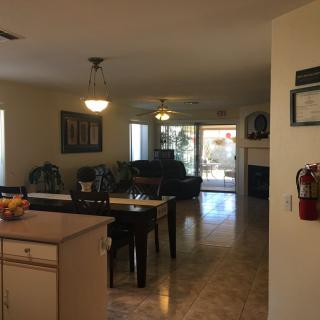
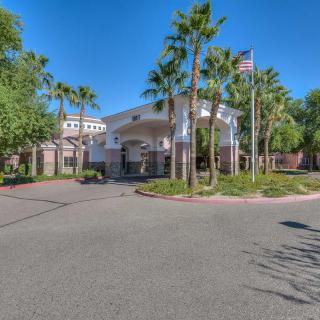
- The facility is clean with a large community area and pleasant outdoor seating.
- The care is excellent and the staff truly care about the residents.
- The care home offers healthy meals and attentive care at a good value.
- The atmosphere is smaller, laid-back, and less regimented, fitting residents' personalities.
- Desert Palms is highly recommended.
Cons
 They could use a little more staff.
Review
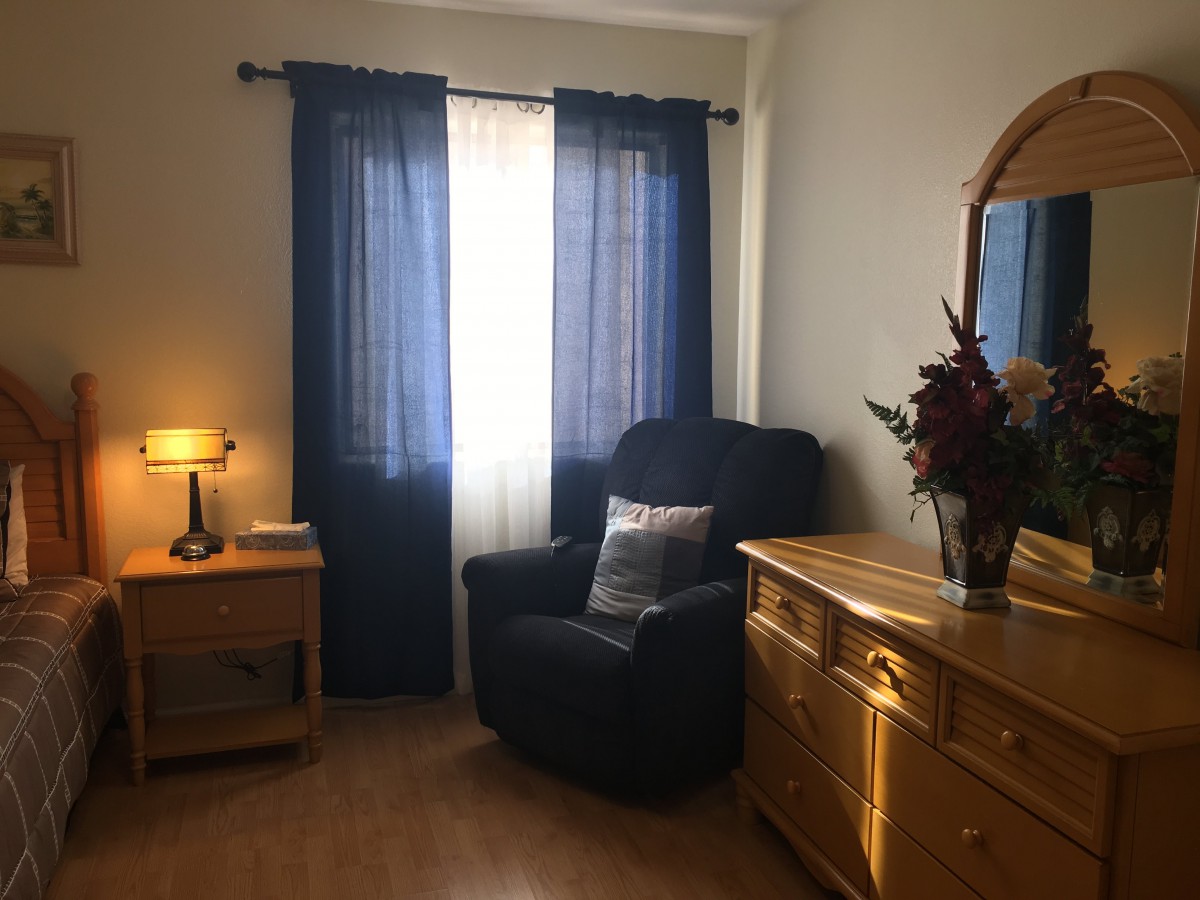
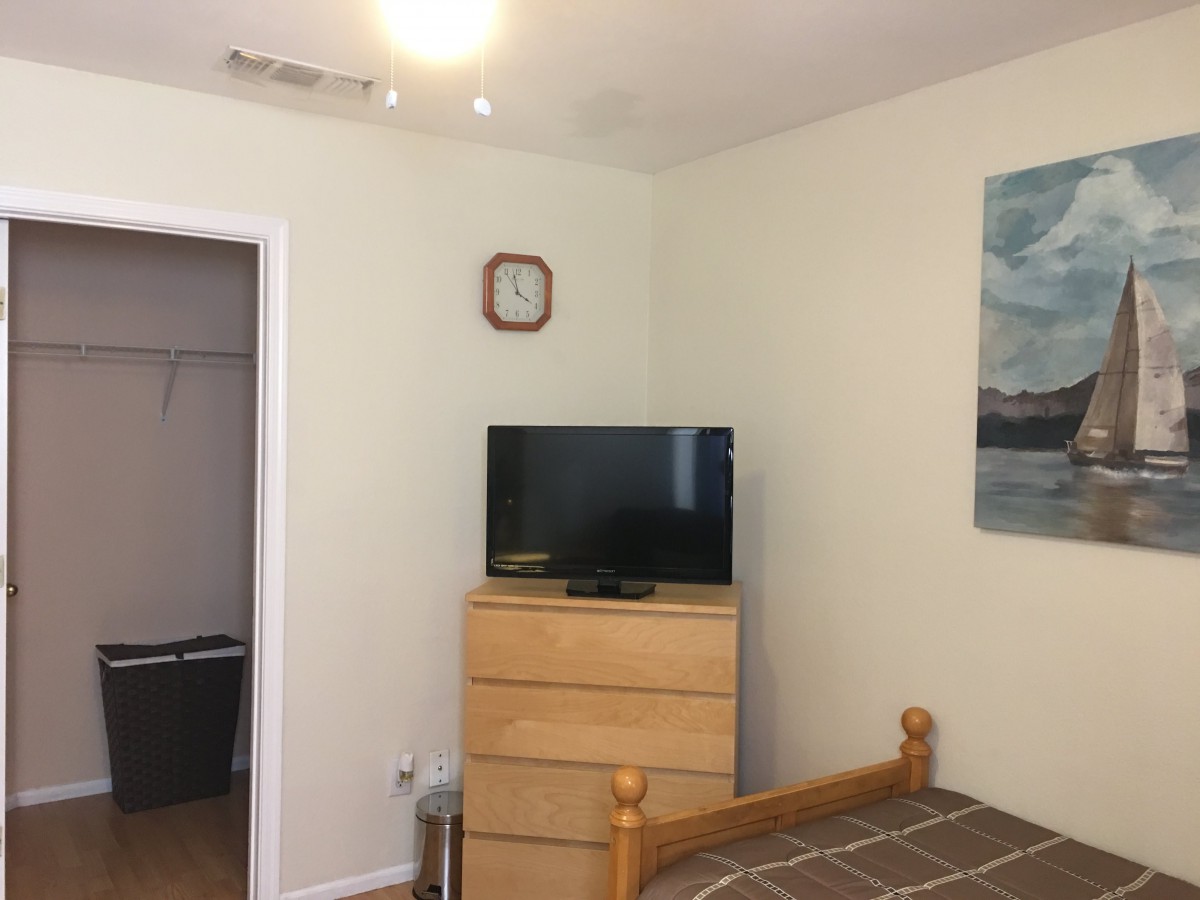
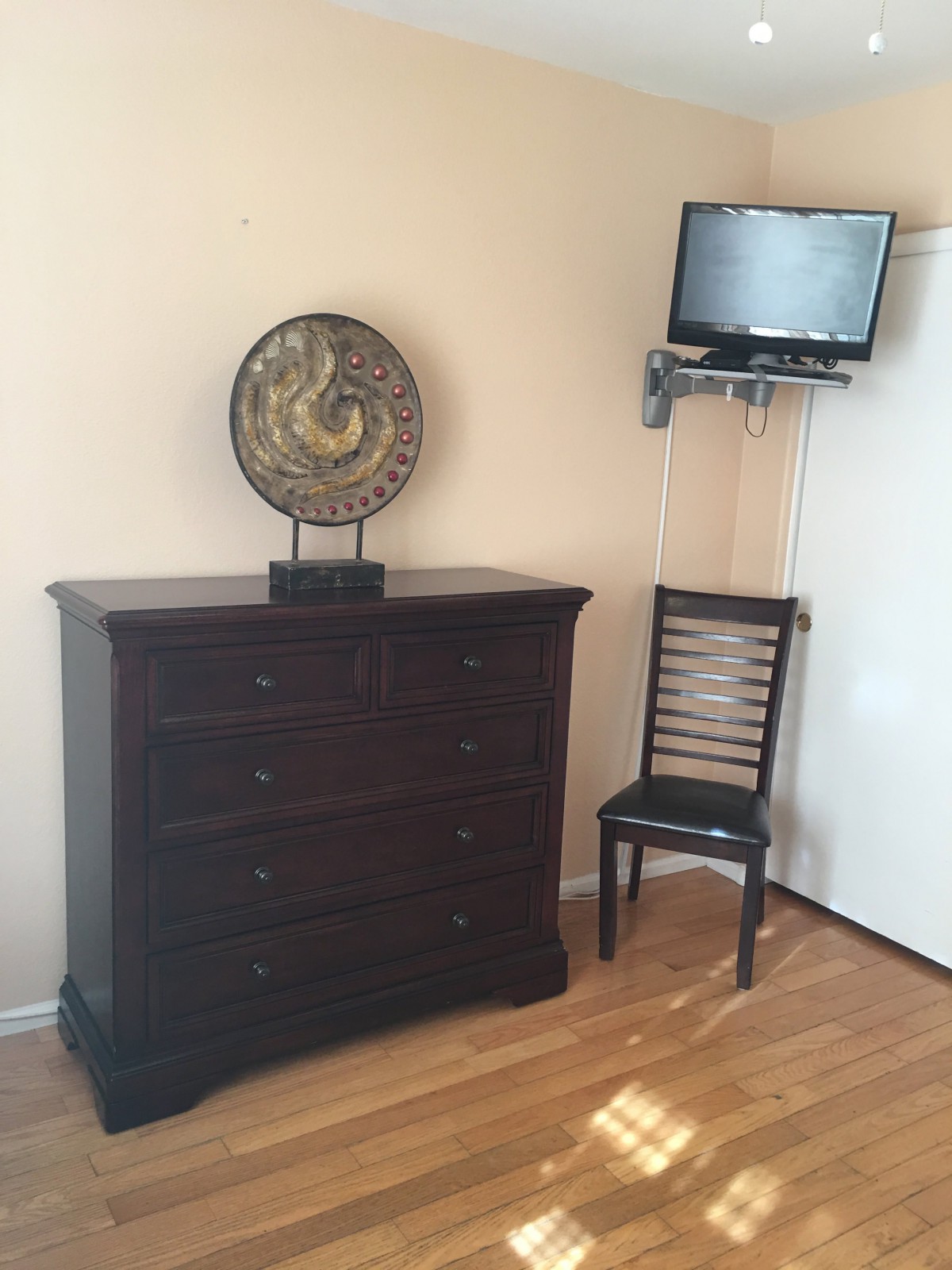
Desert Palms Adult Care in Surprise, AZ is best suited for seniors who want a warm, home-like setting where caregivers provide vigilant, individualized attention and meals are prepared in-house. It serves families seeking a small, intimate community rather than a bustling campus, with the reassurance that medical resources, doctor access, pharmacy support, therapists, and X-rays, are readily available if needed. This is a place where independence can be maintained in a relaxed atmosphere, yet help is immediately reachable, making it particularly appealing for residents who prize personal connection, clear routines, and a sense of being cared for like family.
The strongest positives cluster around the caregiving ethos. Staff are consistently described as wonderful, caring, and responsive, with families expressing real comfort in how their loved ones are treated. Residents benefit from homemade meals and a relaxed pace that avoids rigid scheduling, which suits those who resist institutional formality. The environment itself reinforces this impression: clean rooms, a bright communal area, and outdoor seating that encourage casual social moments without feeling crowded. The real-world payoff is evident when families note that a parent or spouse experiences improved mood and daily comfort because attentive staff are available to assist with activities of daily living and coordinate medical needs as they arise.
Other advantages stem from Desert Palms’ intimate scale. The facility supports accessibility features, roll-in showers and a hoyer lift, and emphasizes a less regimented, more home-like routine that often matches residents’ personalities better than larger, more structured settings. Several reviews highlight the sense of being “spoiled” by attentive care and the visible care and love staff invest in residents. The smaller community also appears to facilitate easier hospice collaboration when families pursue that option, a meaningful benefit for families navigating complex end-of-life care decisions. In short, the pros cohere into a dependable, low-stress environment where comfort, cleanliness, and personal attention take center stage.
Yet, the critiques merit serious consideration. Activity levels and social programming appear more modest than at larger communities, with some residents eating in their rooms and overall engagement seeming variable. Staffing appears lean at times, prompting observations that more hands on deck would bolster coverage, especially during busy periods or when special services are required. A visit note about meeting few residents and others being elsewhere suggests that, at least at times, the day-to-day social experience may feel quiet or limited. These factors don’t negate quality care, but they do shape expectations for families seeking a bustling activities calendar or highly structured day.
Ultimately, the care quality and environment offset the downsides for a large segment of families, particularly those prioritizing personalized attention, a relaxed pace, and a true home atmosphere. The combination of caring staff, clean facilities, and appealing meal options creates a compelling value proposition, especially when compared to more institutional settings. The ability to accommodate hospice and the high caregiver standard help seal the fit for residents who need compassionate, discreet support rather than constant programmatic stimulation. For those willing to accept a slower rhythm with fewer group activities, the positives deliver meaningful, sustained peace of mind.
Prospective movers should evaluate several practical factors. Desert Palms tends to suit residents who thrive in a smaller, intimate setting and appreciate a home-like vibe over formal, activity-packed environments. Families should confirm staffing patterns and a realistic sense of daily programming, and should inquire about current occupancy to understand arrival timelines. The facility’s cleanliness, accessibility features, and demonstrated willingness to coordinate medical and hospice services are strong differentiators, but the decision hinges on whether a quiet, highly personalized experience aligns with the loved one’s social needs and desired pace. For families prioritizing warmth, responsiveness, and a caregiver-forward model, Desert Palms is a prudent, well-supported option in Surprise.
 Board and Care Home
 Memory Care
 Activities off-site
 Beautician on-site
 Devotional services off-site
 Indoor common areas
 Outdoor common areas
 Private
 Respite or short term stays offered
 Phoenix Sky Harbor International (24 miles away)
 Ambulatory care
 Diabetic care
 High acuity care
 Medication management
 Kosher
 BBQs or picnics
 Birthday parties
 Live musical performances

 Understanding Dementia Through Its Seven Stages: A Comprehensive Look at Progression and Expectations
 A Holistic Dementia Care Guide: Effective Strategies for Memory Support
 Comprehensive Insights into Activities of Daily Living (ADLs) and Their Assessment