Circle Of Life Alzheimers Homes 1

4340 West Fort Bridger Road, Prescott, AZ 86305

For more information about senior living options: (844) 490-3973

4 from 4 reviews
5 stars
3
4 stars
0
3 stars
0
2 stars
0
1 stars
1

Memory Care

Overall Review of Circle Of Life Alzheimers Homes 1

Pros

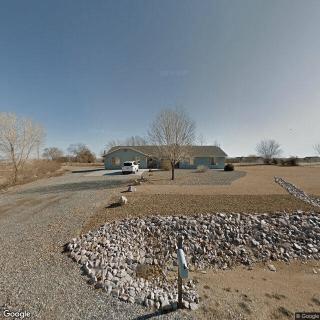
  • pro The home is beautiful and in a lovely setting overlooking Granite Mountain.
  • pro The staff are caring and attentive, and make each resident feel like family.
  • pro Circle of Life gave her mother independence and the appropriate care she needed during her stay there.
  • pro It was the perfect environment for her last years.
  • pro Circle of Life is highly recommended for loved ones with dementia or Alzheimer's.
  • pro Lucy in the office is wonderful and has been very helpful for families.

Cons

  • pro The reviewer asserts that there are no refunds if a parent dies within a few days of placement.
  • pro The reviewer claims that the place is run by inhumane people.

Review

From the impressions shared, Circle of Life emerges as a place that many families describe as a truly caring and kind-hearted environment for their loved ones. The home is depicted as beautiful and thoughtfully located, with a setting that looks over Granite Mountain, which contributes to a tranquil backdrop for daily life there. The people who work at the facility are repeatedly praised as caring and attentive, with an emphasis on treating residents as family. Visitors say they feel welcomed and comfortable during their stays, and they describe the operation as exceptionally well run, suggesting a well-organized, smoothly functioning home that can provide reassurance to families in times of need.

One of the most poignant testimonials centers on the experience of a mother who lived at Circle of Life. The reviewer credits the facility with giving her mother independence and the appropriate level of care throughout her stay. They describe the arrangement as the perfect environment for her final years, underscoring a deep sense of gratitude for both the company and the staff who supported her and the family. This account paints Circle of Life as a place where dignity and personal autonomy can be preserved even in the later stages of life, and where the care team plays a pivotal role in shaping a peaceful, respectful daily experience.

Amid the overwhelmingly positive voices, a cautionary note appears. One reviewer urges readers to be vigilant and to read the contract carefully, recounting a troubling claim: if a parent passes away within a few days of placement, there would be no refunds, regardless of pleas. The reviewer uses strong language to describe the operators as inhumane, signaling a significant concern about financial policies during an emotionally fragile time. This perspective introduces a tension that contrasts with the otherwise warm portrayal and highlights the importance of understanding terms before making such a deeply consequential decision.

Despite that warning, other voices remain strong advocates for Circle of Life, especially for families dealing with dementia or Alzheimer's disease. A reviewer explicitly recommends Circle of Life for a loved one facing these conditions, lending credibility to claims about specialized, attentive care for memory-related needs. In addition, Lucy in the office is singled out as wonderful and consistently helpful to the family, suggesting that the administrative and familial support structure in the facility can be a meaningful and positive resource for families navigating the complexities of placement.

Taken together, these reviews sketch a portrait of a place that many families find warm, welcoming, and well managed. The emphasis on a homey, family-like atmosphere, coupled with a beautiful setting and a dedicated, caring staff, contributes to a sense of security and comfort for residents and their relatives. The accounts suggest that Circle of Life prioritizes independence and appropriate, respectful care, especially for residents facing cognitive challenges, while fostering a supportive environment for visiting family members who want to stay connected and engaged in their loved one's life.

At the same time, the mixed feedback underscores the need for careful due diligence. While the prevailing sentiment is positive - highlighting compassionate caregivers, a peaceful environment, and a helpful office team - potential clients should thoroughly review the contract and policies to ensure they understand financial terms and refund conditions. The combination of loving care and practical cautions paints Circle of Life as a place that many families feel confident about, but one that also requires careful consideration of terms to avoid disappointment during an already difficult period.

Features

Housing

  • 7 resident community capacity 7 resident community capacity

Types of Care

  • Memory Care Memory CareMemory care is crucial for seniors as it provides specialized support and services for individuals with dementia or Alzheimer's disease. These programs offer a safe and secure environment where residents receive personalized care, cognitive stimulation, and help with daily activities. Memory care helps seniors maintain their independence, quality of life, and dignity while also providing peace of mind for their families.

Amenities

  • Cable or satellite TV Cable or satellite TVCable or satellite TV is important for seniors because it provides entertainment, news, and companionship, helping to combat loneliness and boredom. It also offers a wide range of programming options tailored to different interests and preferences.
  • Dining room Dining roomDining rooms are important for seniors as they provide a space for socialization, connection, and nutritious meals. They offer opportunities for residents to bond over shared meals, foster a sense of community, and promote healthy eating habits. Dining rooms also ensure that seniors have access to well-balanced meals tailored to their dietary needs and preferences.
  • Fully furnished Fully furnishedFully furnished senior living communities are important for seniors because they provide convenience, comfort, and a hassle-free moving experience. Seniors can easily settle into their new living space without the stress of having to buy and move furniture. This allows them to focus on enjoying their new home and community.
  • Garden GardenGardens are important for seniors as they provide a peaceful and therapeutic environment for relaxation, physical activity, and socialization. Being in nature has been shown to reduce stress, improve mood, and promote overall well-being. Gardens also offer opportunities for seniors to engage in gardening activities, which can improve mobility, flexibility, and cognitive function. Additionally, gardens create a sense of community and connection with others who share a passion for plants and outdoor spaces.
  • Housekeeping services Housekeeping servicesHousekeeping services are important for seniors because they help maintain a clean and safe living environment, promote independence, and reduce the risk of accidents or illnesses. Additionally, having assistance with household chores can alleviate physical strain and allow seniors to focus on other aspects of their well-being.
  • Move-in coordination Move-in coordinationMove-in coordination is important for seniors because it helps ease the transition into their new living environment. It ensures that all logistics, such as packing, organizing movers, and setting up utilities are taken care of, allowing seniors to focus on settling in and adjusting to their new home. Having a smooth move-in process can alleviate stress and anxiety, making the transition smoother and more enjoyable for seniors.
  • Outdoor space Outdoor spaceOutdoor spaces are important for seniors as they provide opportunities for physical activity, social interaction, exposure to natural light and fresh air, and a sense of connection to nature. Having access to outdoor spaces can improve overall well-being and quality of life for older adults living in senior communities.
  • Telephone TelephoneTelephones are important for seniors as they provide a lifeline for communication with loved ones, emergency services, and healthcare providers. They offer a sense of security and independence, enabling seniors to stay connected and access assistance when needed.
  • Wi-Fi/high-speed internet available Wi-Fi/high-speed internet availableWi-Fi/high-speed internet is important for seniors to stay connected with loved ones, access online resources, and participate in virtual activities to combat feelings of loneliness and isolation. It also allows them to easily manage healthcare needs, access entertainment, and engage in lifelong learning opportunities.

Care Services

  • 24-hour supervision 24-hour supervision24-hour supervision is important for seniors to ensure their safety, well-being, and access to immediate assistance in case of emergencies or health issues. This constant support provides peace of mind for both seniors and their loved ones, allowing them to age in place with dignity and security.
  • Activities of daily living assistance Activities of daily living assistanceActivities of daily living assistance are important for seniors because they provide essential support with tasks such as eating, bathing, dressing, and mobility. This assistance helps seniors maintain their independence, dignity, and overall quality of life as they age.
  • Assistance with bathing Assistance with bathingAssistance with bathing is crucial for seniors as it helps maintain personal hygiene, prevents infections, and ensures their overall well-being and comfort. It also provides a sense of dignity and independence for seniors who may struggle with this task on their own.
  • Assistance with dressing Assistance with dressingAssistance with dressing is important for seniors because it helps maintain their independence, promotes personal hygiene, prevents accidents and injuries, and improves overall quality of life. This service ensures that seniors can continue to dress comfortably and confidently, despite any physical limitations they may have.
  • Assistance with transfers Assistance with transfersAssistance with transfers is crucial for seniors as it helps prevent falls and injuries, maintains their independence, and ensures they can safely navigate their living environment. It also provides peace of mind for both seniors and their loved ones.
  • Coordination with health care providers Coordination with health care providersCoordination with health care providers is crucial for seniors to ensure proper medical care, medication management, and overall well-being. This collaboration helps prevent overlapping treatments, track progress more effectively, and provide comprehensive support tailored to individual needs.
  • Dementia waiver Dementia waiverDementia waivers are essential for seniors as they provide critical protections and accommodations for those experiencing cognitive decline. These waivers ensure individuals with dementia receive appropriate care, support, and resources to maintain their quality of life and dignity as they navigate the challenges of this progressive condition.
  • Diabetes diet Diabetes dietA diabetes diet is crucial for seniors as it helps manage blood sugar levels, reduce risks of complications, and improve overall health and well-being. By following a balanced and nutritious diet tailored to their specific needs, seniors can better control their diabetes and enhance their quality of life.
  • Hospice waiver Hospice waiverHospice waivers are important for seniors because they allow individuals to receive specialized end-of-life care and support at home or in a hospice facility. This waiver ensures that seniors can access the necessary resources and services to maintain comfort and dignity during their final days.
  • Meal preparation and service Meal preparation and serviceMeal preparation and service are crucial for seniors as they may have limited mobility or energy to cook nutritious meals. Having access to healthy and convenient food options can ensure they are getting the proper nutrition needed to maintain their overall health and well-being.
  • Medication management Medication managementMedication management is crucial for seniors to ensure they are taking the right medications at the correct dosages and times. This helps prevent adverse drug interactions, reduces the risk of medication errors, and promotes overall health and well-being. Proactive management also allows for adjustments as needed based on changing health conditions or new prescriptions.
  • Mental wellness program Mental wellness programMental wellness programs are essential for seniors as they promote cognitive stimulation, emotional support, and social engagement. These programs help prevent isolation, depression, and cognitive decline, ultimately enhancing the overall quality of life for older adults.
  • Mild cognitive impairment Mild cognitive impairment"Mild cognitive impairment" is important for seniors because it is an early stage of cognitive decline that can potentially progress to more severe conditions such as dementia. Recognizing and addressing mild cognitive impairment can help seniors receive appropriate care and support to maintain their quality of life and independence for as long as possible.
  • Special dietary restrictions Special dietary restrictionsSpecial dietary restrictions are important for seniors because age-related changes in metabolism and health conditions can make it difficult for their bodies to process certain foods. By following a diet tailored to their specific needs, seniors can maintain their overall health and well-being, manage chronic conditions, and reduce the risk of complications such as malnutrition or food interactions with medications.
  • Specialized memory care programming Specialized memory care programmingSpecialized memory care programming is crucial for seniors with cognitive impairments such as dementia or Alzheimer's disease. These programs provide a safe and supportive environment tailored to the unique needs of individuals with memory loss, helping them maintain their independence, dignity, and quality of life.
  • Transportation arrangement (medical) Transportation arrangement (medical)Transportation arrangements for medical purposes are essential for seniors as they may have difficulty driving themselves to appointments or accessing public transportation. Having reliable and safe transportation options ensures that seniors can receive timely medical care and maintain their health and well-being.
  • Transportation to doctors appointments Transportation to doctors appointmentsTransportation to doctors' appointments is crucial for seniors as it ensures they have access to necessary medical care and support for their health needs. Without reliable transportation, seniors may struggle to attend important appointments, leading to potential delays in treatment and health complications. Providing transportation services helps seniors maintain their overall well-being and quality of life.

Dining

  • Diabetes diet Diabetes dietA diabetes diet is crucial for seniors as it helps manage blood sugar levels, reduce risks of complications, and improve overall health and well-being. By following a balanced and nutritious diet tailored to their specific needs, seniors can better control their diabetes and enhance their quality of life.
  • Special dietary restrictions Special dietary restrictionsSpecial dietary restrictions are important for seniors because age-related changes in metabolism and health conditions can make it difficult for their bodies to process certain foods. By following a diet tailored to their specific needs, seniors can maintain their overall health and well-being, manage chronic conditions, and reduce the risk of complications such as malnutrition or food interactions with medications.

Activities

  • Community-sponsored activities Community-sponsored activitiesCommunity-sponsored activities are important for seniors as they provide opportunities for social interaction, mental stimulation, and physical activity. These activities can help improve overall well-being, combat loneliness and isolation, and promote a sense of belonging and purpose among older adults.
  • Scheduled daily activities Scheduled daily activitiesScheduled daily activities are important for seniors because they provide structure, socialization, mental stimulation, and physical activity. Engaging in regular activities can improve overall well-being and quality of life for seniors living in a community setting.

Description

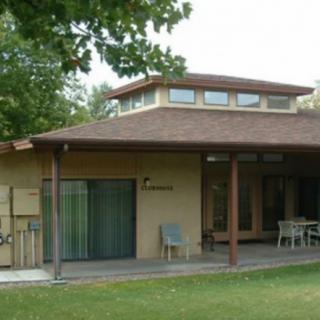
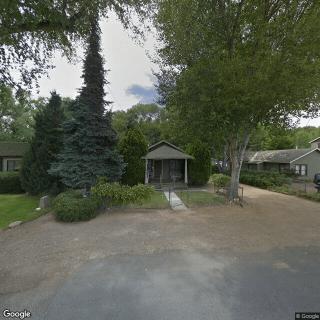
Circle Of Life Alzheimers Homes 1 is an assisted living community located in Prescott, AZ, offering a comfortable and caring environment for seniors with Alzheimer's disease. Our fully furnished homes provide a warm and cozy atmosphere where residents can feel at ease.

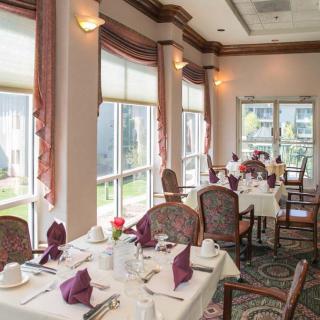
Our amenities aim to enhance the quality of life for our residents. A spacious dining room ensures that meals are enjoyed in a pleasant setting, while housekeeping services maintain cleanliness and tidiness throughout the community. Residents can also take advantage of our outdoor space and garden, providing opportunities for relaxation and enjoyment of nature. With telephone and Wi-Fi/high-speed internet access, staying connected with loved ones is effortless.

At Circle Of Life Alzheimers Homes 1, our dedicated staff provides personalized care services to meet the unique needs of each resident. Assistance with activities of daily living such as bathing, dressing, and transfers is readily available. We coordinate with health care providers to ensure comprehensive care for our residents. Furthermore, we offer specialized memory care programming specifically designed for individuals with Alzheimer's disease.

Our dining services cater to special dietary restrictions, ensuring that every meal is both nutritious and satisfying. In addition to this, we provide medication management to support the health needs of our residents.

We understand the importance of maintaining mental wellness in seniors with Alzheimer's disease. Therefore, our community offers a mental wellness program that includes stimulating activities designed to engage residents intellectually and socially. Scheduled daily activities keep our residents active and engaged in meaningful experiences.

For medical appointments or other transportation needs, we arrange transportation services for our residents' convenience.

At Circle Of Life Alzheimers Homes 1 in Prescott, AZ, we strive to create a secure and compassionate environment where individuals with Alzheimer's disease can thrive. Visit us today to experience the difference we make in the lives of our residents and their families.

Videos

Nearby Places of Interest

Places of Worship

  • Saving Grace Lutheran Church (5.8 miles)
  • People Who Care (6.8 miles)
  • First Southern Baptist Church (7.1 miles)
  • Heights Church (7.8 miles)
  • Church of Jesus Christ of Latter Day Saints (8 miles)
  • Valley Community Church of the Nazarene (8.1 miles)
  • Saving Grace Lutheran Church (8.2 miles)

Transportation

  • U-Haul Neighborhood Dealer (5.9 miles)
  • Prescott Municipal Airport (7 miles)
  • Prescott Ernest A. Love Field - Terminal (7.1 miles)
  • Mile High Avionics (7.3 miles)
  • Az Ace Ride (8.2 miles)

Restaurants

  • Bonn-Fire (6 miles)
  • Log Cabin (6.9 miles)
  • Speeds Hangar Deli (7.3 miles)
  • Taco Bell (7.4 miles)
  • Culver Franchising System (7.5 miles)
  • McDonald's (7.6 miles)
  • Burger King (7.6 miles)

Pharmacies

  • Enlighten Life Coaching and Hypnotherapy (6.1 miles)
  • Amerita (7.3 miles)
  • Thumb Butte Pharmacy (7.4 miles)
  • Fry's Pharmacy (7.5 miles)
  • Walgreens (7.6 miles)
  • CVS Pharmacy (7.6 miles)
  • Safeway Food & Drug (7.7 miles)

Physicians

  • Optima Medical - Chino Valley (6.4 miles)
  • Thumb Butte Medical Center (6.8 miles)
  • Sutherland Jean DO (7.2 miles)
  • Underwood, Lee Sequel Care of Arizona (7.2 miles)
  • Triton Eye Care (7.2 miles)
  • MacKenzie Dermatology (7.3 miles)
  • Northern Arizona Pain (7.3 miles)

Parks

  • Pioneer Park (6.6 miles)
  • Kayla's Hands Park (6.7 miles)
  • Memory Park (7.8 miles)
  • Chino Valley Recreation Department (7.9 miles)
  • Chino Valley Town Complex (7.9 miles)
  • Chino Valley Parks Department (8.3 miles)
  • Chino Valley Community Center Park (8.4 miles)

Cafes

  • Overflow Coffee (7.2 miles)
  • Starbucks (7.5 miles)
  • Chino Valley's Skillets Cafe (7.6 miles)
  • Starbucks (7.7 miles)
  • Starbucks (8.8 miles)

Hospitals

  • Persyst Development (7.2 miles)
  • Tri City Surgery Center (7.8 miles)
  • Yavapai Regional Medical Center ER (9.2 miles)

Frequently Asked Questions

Where is Circle Of Life Alzheimers Homes 1?
Does Circle Of Life Alzheimers Homes 1 provide care for residents with dementia or Alzheimer's disease?

Nearby Communities

Related Resources

  • in home dementia care costsEstimating the Expenses of At-Home Dementia Care: A Detailed Exploration

    At-home dementia care expenses vary widely based on care levels, location, and caregiver expertise, with monthly costs for home health aides exceeding $4,500 and specialized care potentially surpassing $100,000 annually. While families favor in-home care for its comfort and personalized attention, they must consider financial planning and the challenges of caregiver fatigue.

  • end stage dementiaComprehensive Insights on the Late Stages of Dementia: What to Expect and How to Provide Care

    The article discusses the late stages of dementia, detailing the progression from mild to severe impairment and highlighting key characteristics such as profound cognitive decline and dependency in daily activities. It emphasizes care strategies focused on comfort and dignity, the importance of advance directives, and the emotional support needed for family caregivers facing this challenging journey.

  • list of drugs linked to dementiaMedications Associated with Dementia Risk: A Comprehensive Overview

    The article examines the link between certain medications and increased dementia risk, particularly in older adults, emphasizing that long-term or high-dose use of anticholinergics, benzodiazepines, and other drug classes can exacerbate cognitive impairment. It calls for careful medication evaluation and shared decision-making to mitigate these risks while managing treatment efficacy.