For more information about senior living options: (866) 208-4318
4.8 from 36 reviews
5 stars
31
4 stars
3
3 stars
1
2 stars
0
1 stars
1
The Sanctuary of Phoenix Costs & Pricing
The Sanctuary of Phoenix offers competitive monthly costs for its residents, particularly when compared to the broader market in Maricopa County and throughout Arizona. For a semi-private room, The Sanctuary charges $2,800, which is just slightly below the county's average of $2,801 and more favorable than the state average of $2,820. When it comes to private accommodations, The Sanctuary's rate of $3,200 remains attractive compared to Maricopa County's average of $3,318 and is also lower than Arizona's overall average of $3,345. This pricing structure reflects The Sanctuary's commitment to providing quality care at an accessible price point within the region.
Floor plans
The Sanctuary of Phoenix
Maricopa County
Arizona
Semi-Private
$2,800
$2,801
$2,820
Private
$3,200
$3,318
$3,345
Memory care communities with a similar price nearby
Faith-based worship and praise shows up repeatedly in residents’ and families’ experiences.
Many reviewers describe worship-centered gatherings, including praising and worshiping, singing, and a church-like environment with familiar leadership. Several also reference welcoming people and a “place of worship,” along with events that they say feel uplifting. This lines up with the community offering Christian and devotional activities on-site.
common9 reviews mention this
Caring caregivers and helpful support
Residents and families frequently describe caregivers as kind, caring, and genuinely helpful.
Reviewers repeatedly say the caregivers and staff are friendly and caring, and that they make residents laugh or feel looked out for. Several families also describe practical help—answering questions, guiding people through the process, and keeping support consistent. This matches the community’s care services focus areas like incontinence care, diabetic care, and medication management.
common3 reviews mention this
Cleanliness stands out
Clean, fresh conditions come up more than once in reviews.
Multiple reviewers describe the facility as clean and well cared for, with one noting a fresh smell. Another reviewer adds that the place is clean even while also commenting on appearance. Overall, cleanliness is a consistent positive thread in the feedback.
common3 reviews mention this
Meals are a positive touchpoint
Reviews mention meals as something residents look forward to and families notice.
A couple of reviewers say the food is amazing or good, and another mentions the schedule and meals being reviewed during the process. The community also offers meals with dietary accommodations on the dining side, including vegetarian options. Together, the feedback suggests meals are part of what residents and families pay attention to.
caveat2 reviews mention this
Toiletry mix-up concern
Some families had concerns about possible toothbrush mixing.
Two reviewers describe a question about their loved one coming home with extra toothbrushes. They say they were unsure whether the toothbrushes were used by someone else, and they were concerned enough to bring it up as the only issue. This is the main recurring downside in the provided feedback.
How we summarize
Counts show how many written reviews mention each theme; a review can touch several themes, and only frequently mentioned themes are displayed.
Features
Types of Care
Board and Care Home
Memory Care
Pets
Cats allowed
Dogs allowed
Amenities
Activities on-site
Bath tubs
Beautician on-site
Devotional services on-site
Indoor common areas
Outdoor common areas
Private
Private bathrooms
Respite or short term stays offered
Wheelchair accessible showers
Transportation
Phoenix Sky Harbor International (15 miles away)
Care Services
Diabetic care
High acuity care
Incontinence care
Medication management
Dining
Kosher
Meals provided
Vegetarian
Activities
Activities on-site
Christian services
Devotional activities on-site
Nearby Places of Interest
This area of Phoenix, Arizona, is located in a convenient and accessible neighborhood with a variety of amenities nearby. There are multiple places of worship for spiritual enrichment, as well as several healthcare facilities including clinics and specialists for various medical needs. The presence of parks provides opportunities for outdoor activities and relaxation, while the abundance of cafes offers social gathering spots for enjoying coffee or tea. Additionally, there are numerous dining options ranging from fast food to sit-down restaurants, catering to different culinary preferences. Pharmacies are conveniently located for easy access to medications and health care products. Lastly, there are theaters close by for entertainment options such as movies and shows. Overall, this area provides a comfortable and well-rounded environment suitable for senior living.
Places of Worship
Pure Heart Christian Fellowship (0.7 miles)
St Thomas More Parish (4.1 miles)
Open Door Fellowship Church (5 miles)
Church of Jesus Christ of Latter Day Saints (5.4 miles)
Physicians
Northwest Clinic For Children (0.8 miles)
West Valley Ear Nose & Throat (1.6 miles)
Banner Thunderbird Surgery Center (2.3 miles)
Arizona Center for Hematology and Oncology (2.4 miles)
The Sanctuary of Phoenix offers competitive monthly costs for its residents, particularly when compared to the broader market in Maricopa County and throughout Arizona. For a semi-private room, The Sanctuary charges $2,800, which is just slightly below the county's average of $2,801 and more favorable than the state average of $2,820. When it comes to private accommodations, The Sanctuary's rate of $3,200 remains attractive compared to Maricopa County's average of $3,318 and is also lower than Arizona's overall average of $3,345. This pricing structure reflects The Sanctuary's commitment to providing quality care at an accessible price point within the region.
The Sanctuary of Phoenix offers comprehensive medication management to ensure that residents receive their prescribed medications on time and in the correct dosage, which is crucial for maintaining their overall health and managing symptoms associated with dementia or Alzheimer's disease. This feature reduces the risk of medication errors, which can lead to confusion or adverse reactions, thus promoting a more stable cognitive environment for residents. Additionally, incontinence care is provided with sensitivity and respect, addressing a common challenge faced by individuals with memory impairments. This support not only helps maintain personal dignity but also prevents discomfort and distractions that could exacerbate anxiety or distress. Together, these features create a supportive atmosphere that enhances the quality of life for residents while promoting their comfort and well-being.
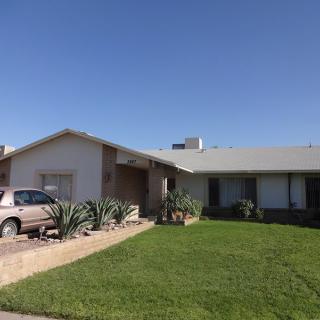
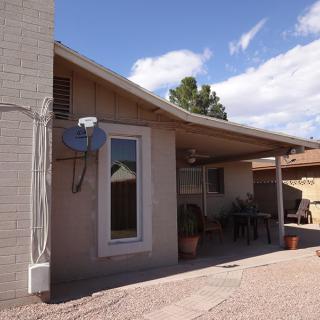
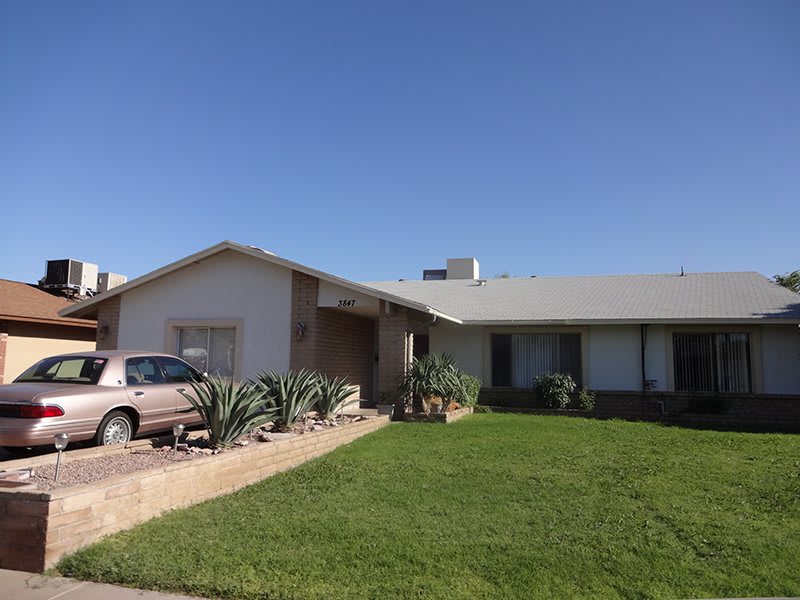
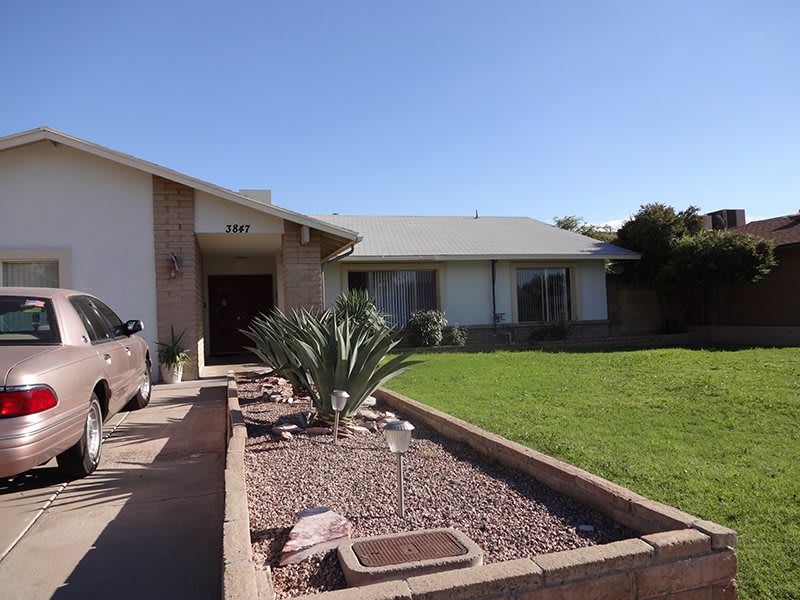
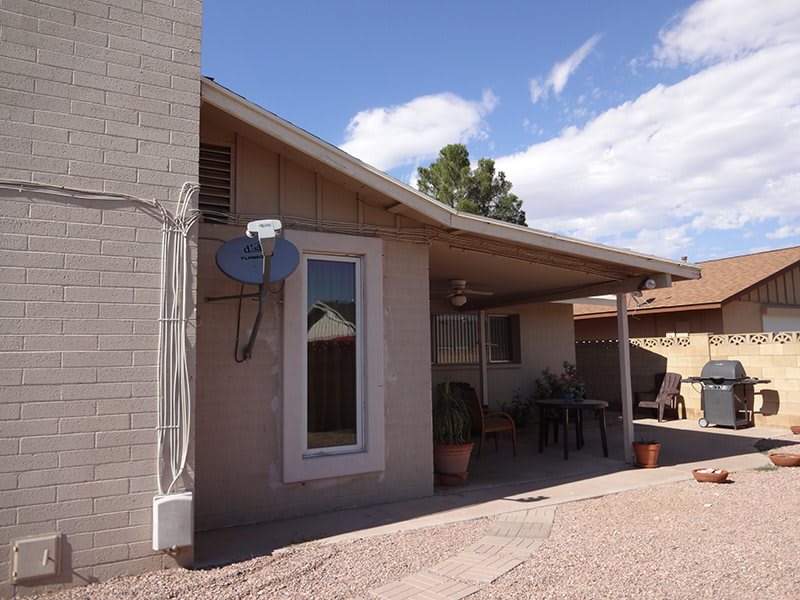
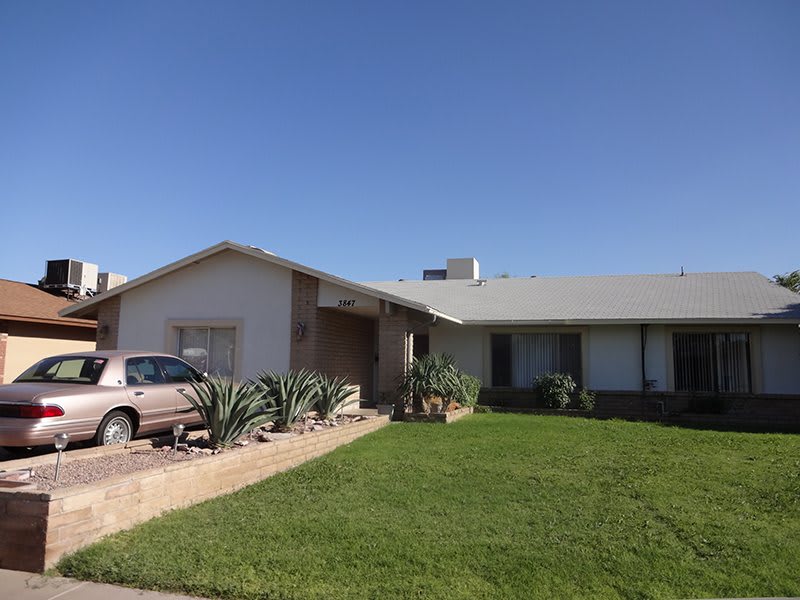
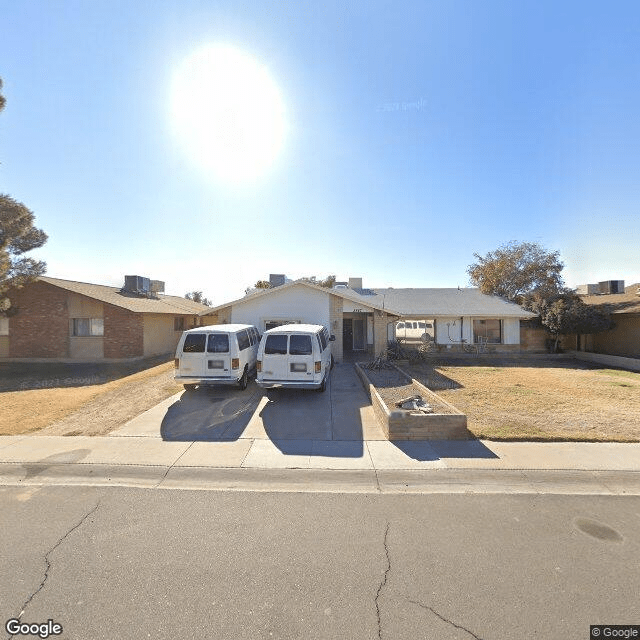
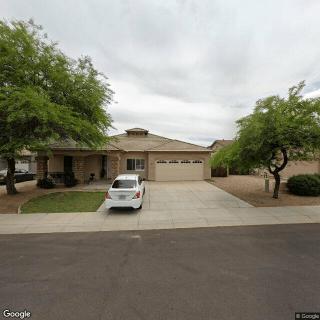
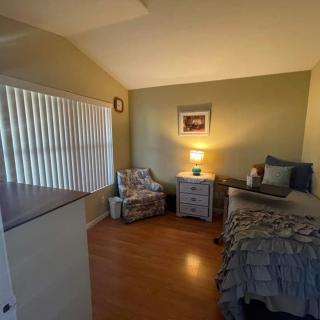
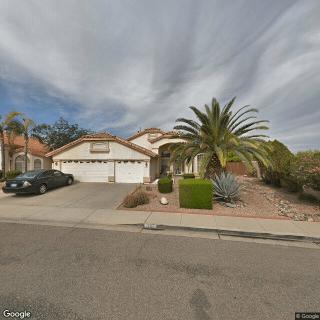
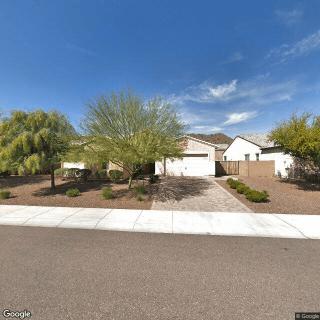
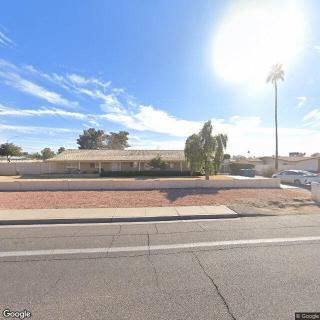
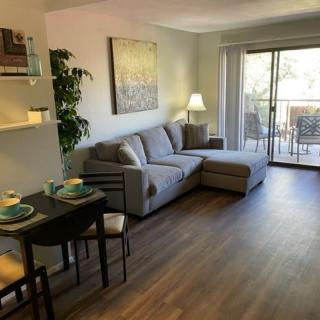
The Sanctuary of Phoenix on seniors.fyi includes 5 photos including images showing landscaping, single-story, patio, outdoor seating, clouds, and more.
Nearby Communities
Desert Springs Care Homes
Phoenix, AZ
5 from 11 reviews
$2,400 to $3,000 / month
Compassionate staff with clean, comfortable accommodations and well-balanced meals.
Desert Spring Care Home
Phoenix, AZ
5 from 9 reviews
Small, personalized care with 24-hour supervision and daily living support.
Sol Acoma Assisted Living Home
Phoenix, AZ
2.5 from 2 reviews
$2,200 to $2,500 / month
Affordable semi-private/private rooms with on-site care and activities.
Assisted Living at the Phoenician Inc
Phoenix, AZ
5 from 1 review
$1,500 to $2,000 / month
Competitive pricing with private rooms and high-acuity care
Acoma Assisted Living Home
Phoenix, AZ
2.5 from 2 reviews
Small, intimate setting with 24/7 supervision and full ADL/medication support, diabetes-friendly meals, and transport to medical appointments.
House of Treasures
Glendale, AZ
$2,000 to $3,000 / month
Affordable pricing with strong nearby amenities.
Park Terrace Senior Living
Phoenix, AZ
4.5 from 165 reviews
$1,895 to $3,595 / month
Warm, friendly atmosphere with attentive staff, well-maintained facilities, and affordable all-inclusive pricing.
Thunderbird Senior Living
Glendale, AZ
4.2 from 231 reviews
$2,165 to $4,160 / month
Friendly staff, active community with on-site activities, clean facilities, and multiple care options plus transportation.
LifeStream at Glendale
Glendale, AZ
4.4 from 101 reviews
$1,795 to $3,750 / month
Warm, friendly staff in a clean, welcoming community.
Alzheimer’s disease is a progressive neurological disorder that significantly impacts memory and cognitive functions, accounting for 60-80% of dementia cases, with early diagnosis being crucial yet challenging. It involves brain changes like beta-amyloid plaques and tau tangles, influenced by genetic and lifestyle factors, and while there is no cure, symptom management and support for caregivers are essential.
Dementia, influenced by aging and certain medications, may be exacerbated by drug classes such as anticholinergics, benzodiazepines, and antipsychotics, which are associated with cognitive impairment. Regular medication reviews by healthcare professionals are crucial for older adults to manage risks and optimize cognitive health.
Dementia often results in disrupted sleep patterns, leading to excessive daytime sleeping due to factors like brain damage affecting circadian rhythms, medication side effects, and lack of structure in daily activities. Caregivers must monitor these changes closely, as oversleeping can increase risks such as malnutrition or dehydration, and provide necessary support and routines to enhance patient engagement and well-being.
Get PricingAsk A QuestionSchedule A TourContact Senior Advisor
By clicking submit, you agree to our Partner's Terms of Use. You
also consent to receive calls and texts, which may be autodialed, from our Partner. Your consent is not a condition to
using our Partner's service. Please visit our Partner's Privacy Policy for information about their privacy practices.

 Board and Care Home
 Memory Care
 Cats allowed
 Dogs allowed
 Activities on-site
 Bath tubs
 Beautician on-site
 Devotional services on-site
 Indoor common areas
 Outdoor common areas
 Private
 Private bathrooms
 Respite or short term stays offered
 Wheelchair accessible showers
 Phoenix Sky Harbor International (15 miles away)
 Diabetic care
 High acuity care
 Incontinence care
 Medication management
 Kosher
 Christian services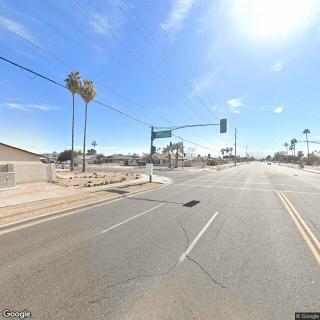
 Compassionate staff with clean, comfortable accommodations and well-balanced meals.


 Illuminating Insights About Alzheimer's Disease: Ten Crucial Realities
 A Thorough Discussion of Medications Potentially Linked to Dementia Risk
 Why Do Dementia Patients Sleep So Much? Understanding Oversleeping, Stages, and Care Approaches