
3437 W Acoma Dr, Phoenix, AZ 85053
To contact a resident: (602) 942-0316
For more information about senior living options: (866) 208-4318
Sol Acoma Assisted Living Home Costs & Pricing
Sol Acoma Assisted Living Home offers competitive pricing for its residents, with semi-private rooms available at $2,200 per month and private rooms priced at $2,500. These rates are notably lower than the average costs in Maricopa County, where semi-private accommodations run around $2,801 and private rooms can reach up to $3,318. Similarly, across the state of Arizona, average costs for semi-private and private living arrangements stand at approximately $2,820 and $3,345 respectively. This positioning not only underscores Sol Acoma's commitment to affordability but also highlights its appeal to those seeking quality care without compromising on budgetary considerations.
| Floor plans | Sol Acoma Assisted Living Home | Maricopa County | Arizona |
|---|---|---|---|
| Semi-Private | $2,200 | $2,801 | $2,820 |
| Private | $2,500 | $3,318 | $3,345 |
Senior living communities with a similar price nearby
-
from -$255 / mo

Home Instead - Fountain Hills, AZ
$1,945 to $3,525 / month23.2 miles away -
from -$339 / mo

Endeavor Senior In-Home - Mesa
$1,861 / month24.9 miles away -
from +$425 / mo
The Eldercare Home Of Tempe
$2,625 to $3,412 / month21.3 miles away -
from -$200 / mo
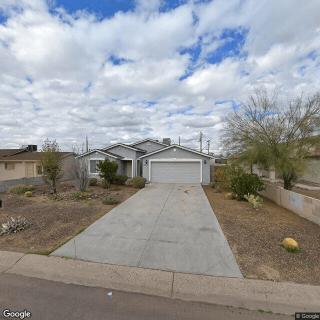
Garcia's Assisted Living Home LLC
$2,000 / month15.8 miles away -
from -$200 / mo
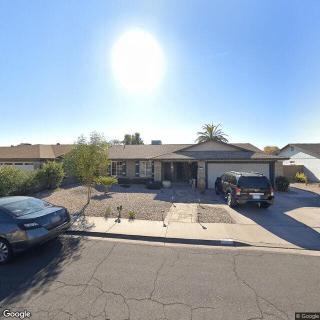
Martha Bonilla Care Loving Home
$2,000 to $2,200 / month23.6 miles away
Overall Review of Sol Acoma Assisted Living Home
Cons
 They let My Aunt perish.
- There is lots of inconsistency and no professionalism.
- That Chuck individual seemed like he was hiding something.
Review
Sol Acoma Assisted Living Home in Phoenix, AZ is best suited for families that intend to take an active, hands-on role in oversight and are prepared to demand high accountability from a small care team. The setting likely appeals to those who value a home-like environment and closer family involvement, but the practical reality reflected in the feedback is a serious caveat: consistency and professionalism appear fragile. This community should not be considered a set-it-and-forget-it option; success here hinges on daily leadership, rigorous monitoring, and a willingness to intervene quickly if standards slip.
Those weighing alternatives should note that this option may not be appropriate for families seeking a reliably smooth care experience. If a standard of consistent professionalism and transparent leadership is non-negotiable, exploring other Phoenix-area communities with stronger, documented processes is prudent. Larger, well-reviewed facilities or trusted in-home-care arrangements typically offer clearer lines of accountability, more predictable staffing, and established escalation routines, areas where the current impressions of Sol Acoma fall short. For families unable to maintain close oversight, alternatives should be prioritized.
The potential advantages of a small, home-like setting could include ease of access to caregivers and a perception of a more personalized touch when care is steady. However, those benefits are offset by the most serious red flags raised in the feedback: inconsistency in care and a troubling absence of professional conduct. When care quality is not reliably upheld, the intimate environment loses its value, because trust and safety are the baseline requirements for any senior living arrangement. In short, the hollow promise of familiarity cannot compensate for uneven staffing and questionable professionalism.
The strongest, undeniable concerns center on care quality and staff integrity. A resident’s family member describes a tragic outcome, “They let My Aunt perish”, and characterizes the operation as marked by inconsistency and a lack of professionalism. Another note flags a staff member, described as “Chuck,” who seemed to be hiding something. Taken together, these observations point to serious gaps in supervision, accountability, and safety culture. For families, that combination translates into elevated risk: delayed response to needs, inconsistent medication or personal-care routines, and a nervous environment where truthfulness and transparency cannot be assumed without verification.
To proceed with caution, demand concrete assurances before any move-in decision. Request a current staffing matrix, including ratios by shift and a detailed care plan tailored to the prospective resident. Ask for training histories, supervisory structures, incident logs, and a clear process for escalating concerns to administration. Schedule meetings with the administrator and by-appointment conversations with frontline staff, and speak directly with current residents and their families about daily experiences. Review licensing status and any formal complaints or corrective action histories; verify how often care plans are reviewed and updated, and insist on written guarantees for response times to urgent needs.
Bottom line: Sol Acoma Assisted Living Home warrants serious scrutiny and should be approached as a potential option only for families prepared to enforce rigorous oversight and demand unwavering accountability. If those conditions cannot be met, or if the preference is for steady, professionally managed care with transparent leadership, alternatives should occupy the top of the shortlist. This community may still work for a highly engaged family that can supervise care daily, but in most cases, exploring other Phoenix options, whether larger, better-documented facilities or in-home services, will yield greater peace of mind and fewer uncompromising risks.
 Board and Care Home
 Activities on-site
 Air-conditioning
 Bath tubs
 Cable or satellite TV
 Devotional services on-site
 Handicap accessible
 Indoor common areas
 Outdoor common areas
 Private
 Private bathrooms
 Respite or short term stays offered
 Wheelchair accessible showers
 Wi-Fi/high-speed internet available
 Phoenix Sky Harbor International (15 miles away)
 Ambulatory care
 Diabetic care
 High acuity care
 Incontinence care
 Medication management
 Low / no sodium
 BBQs or picnics
 Birthday parties
 Christian services
 Competitive pricing with private rooms and high-acuity care


 Top Cars for Senior Drivers and Essential Safety Innovations
 A Closer Look at Private Pay Home Care
 Comprehensive Approaches for Arthritis: A Detailed Guide to Symptoms, Causes, and Care