

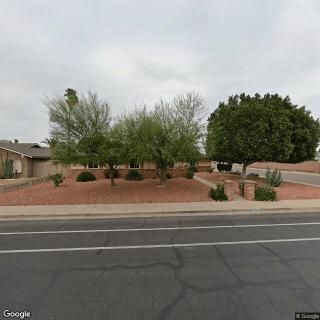
3445 W Acoma Dr, Phoenix, AZ 85053
To contact a resident: (602) 439-2734
For more information about senior living options: (866) 208-4318
Desert Springs Care Homes Costs & Pricing
Desert Springs Care Homes offers competitive pricing for its room options, providing an attractive alternative for those seeking quality care. The monthly cost for a semi-private room is set at $2,400, significantly lower than the Maricopa County average of $2,801 and the statewide average of $2,820. For residents who prefer greater privacy, the private rooms at Desert Springs Care Homes are priced at $3,000, which also stands favorably against the county's average of $3,318 and Arizona's statewide figure of $3,345. This positioning not only reflects a commitment to affordability but also underscores Desert Springs Care Homes' dedication to delivering exceptional care without compromising on value.
| Floor plans | Desert Springs Care Homes | Maricopa County | Arizona |
|---|---|---|---|
| Semi-Private | $2,400 | $2,801 | $2,820 |
| Private | $3,000 | $3,318 | $3,345 |
Senior living communities with a similar price nearby
-
from -$455 / mo

Home Instead - Fountain Hills, AZ
$1,945 to $3,525 / month23.2 miles away -
from +$400 / mo
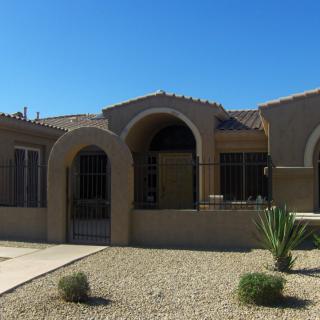
Pinnacle Peak Assisted Living
$2,800 to $3,100 / month14.0 miles away -
from +$225 / mo
The Eldercare Home Of Tempe
$2,625 to $3,412 / month21.3 miles away -
from -$400 / mo
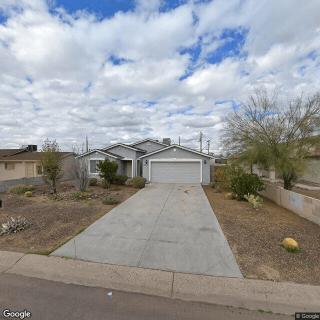
Garcia's Assisted Living Home LLC
$2,000 / month15.8 miles away -
from +$400 / mo
Home of Helping Hands Assisted Living, LLC
$2,800 to $3,500 / month17.1 miles away
Overall Review of Desert Springs Care Homes
Pros
 The home has amazing care, great staff, and an excellent owner.
- They cared for loved ones as if they were family.
- They truly care for everyone there, and there is no better home for a loved one in the Phoenix area.
- Desert Haven Residential Home Care has been a blessing; all of the staff and the owner are kind and compassionate.
- Desert Haven's staff are well trained in de-escalating difficult situations.
- Villa Fiore provides five-star care and is highly recommended for memory and assisted living care in Northern AZ.
- The manager and staff personally offered condolences and provided compassionate care to families.
- Desert Springs offers top-notch accommodations; the staff attend to every detail with kindness, understanding, and love, and the place is very clean.
Cons
 Seniors can sometimes be quite challenging.
Review
Desert Springs Care Homes in Phoenix is best suited for families seeking a tightly run, home-like residential setting where a small, consistently dedicated team delivers exceptionally personalized care. This community thrives when a loved one benefits from daily routines anchored in warmth, attentiveness, and a culture of genuine concern. It is especially appropriate for seniors who prefer caregivers who treat them with familiarity and respect, and for periods when memory- or end-of-life care needs require a steady, compassionate presence. The emphasis on cleanliness, reliable meals, and a safe, comfortable home environment makes it a strong match for families prioritizing peace of mind over the impersonal feel of larger facilities.
Those who may want to consider alternatives include families confronting a need for intensive, on-site medical oversight or highly resourced therapy programs. If a senior requires frequent skilled nursing, complex wound care, rehab services delivered on-site, or a campus-based environment with a broad activity calendar and social programming, a larger assisted living or dedicated memory care community could be a better fit. Additionally, if convenient access to extensive clinical staff around the clock or more expansive on-site amenities is a priority, exploring other options may be warranted.
The strongest pros center on people, not polish. The owner and staff come through as genuinely kind, patient, and committed, creating a family-feel that resonates with family members seeking reassurance beyond routine check-ins. Residents are described as clean, well fed, and supported in ways that address “every detail” of daily living, with staff capable of de-escalating challenging situations and maintaining a calm atmosphere. The consistently favorable tone of reviews suggests that caregivers are adept at delivering personalized attention, while the environment itself earns praise for its warmth, attentiveness, and thoughtful hospitality, factors that translate directly into tangible peace of mind for worried relatives.
Potential drawbacks, while not loudly proclaimed in the reviews, lie in the nature of a residential home setting. Desert Springs operates on a smaller scale than traditional large facilities, which can translate into more limited on-site medical staffing, fewer on-site rehab options, and a lighter footprint for structured activity programs. Families should recognize that, despite excellent care, this is not a hospital-like campus with exhaustive clinical resources or a broad gamut of therapy services. For seniors with highly specialized medical needs or those requiring intensive, on-site therapy regimens, this may feel restrictive relative to larger campuses.
Yet the positives largely offset these considerations. The intimate, home-like atmosphere amplifies the impact of compassionate staffing and meticulous daily care, producing outcomes, such as reliable nutrition, consistent cleanliness, and a sense of belonging, that larger facilities often struggle to replicate. The emphasis on safety and personal attention keeps worry at bay for families, and the ability for residents to stay in a familiar environment during challenging life stages can significantly improve quality of life. When hospice or end-of-life care enters the picture, the same close-knit care model tends to become even more meaningful, with staff offering real comfort and continuity.
For families evaluating next steps, approach Desert Springs with a practical, goal-oriented lens. Schedule a tour and observe caregiver-resident interactions, ask about staff-to-resident ratios, and inquire how care plans are developed and updated. Probe for details about memory- or behavior-related support, emergency procedures, and the availability of visiting clinicians. Request references from other families, and verify licensing and any applicable certifications. If a desire is for a warm, home-forward setting where caregivers remember names, routines, and preferences, and where the assurance of personal, compassionate care outweighs the absence of a large medical footprint, Desert Springs stands out as a compelling choice.
 Board and Care Home
 Dogs allowed
 Activities off-site
 Beautician on-site
 Devotional services off-site
 Indoor common areas
 Outdoor common areas
 Private
 Private bathrooms
 Respite or short term stays offered
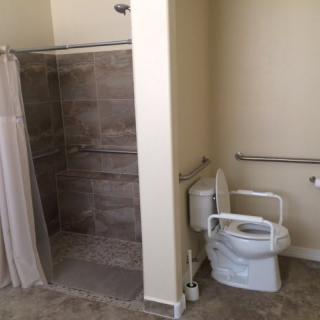
 Wheelchair accessible showers
 Phoenix Sky Harbor International (15 miles away)
 Diabetic care
 High acuity care
 Incontinence care
 Medication management
 Kosher
 Christian services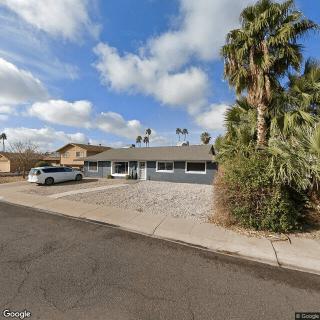

 Essential Knowledge on Pneumonia in Older Adults
 Exploring Palliative Care in the Home: A Comprehensive Overview
 Comprehensive Insights into Palliative Home Care: What It Is and What to Expect