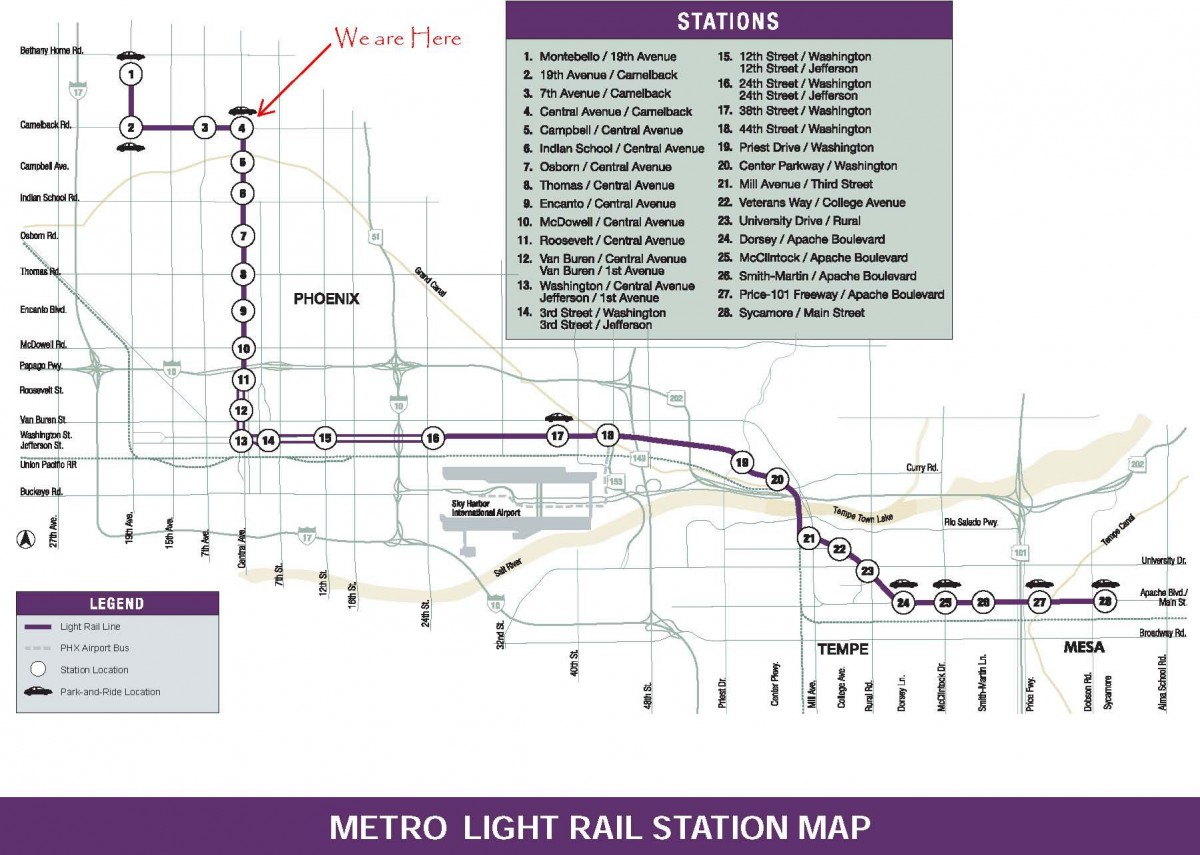




37 W. Pasadena Avenue, Phoenix, AZ 85013
To contact a resident: (602) 400-6488
For more information about senior living options: (866) 208-4318
Razinn Care Campus Costs & Pricing
At Razinn Care Campus, the monthly costs for accommodations are positioned competitively within the broader market of Maricopa County and the state of Arizona. For a semi-private room, residents can expect to pay $2,500, which is notably lower than both the county average of $2,801 and the state average of $2,820. When it comes to private rooms and one-bedroom units, Razinn Care Campus offers these at $3,800 each. This rate aligns more closely with Maricopa County's average of $3,318 but exceeds the state average of $3,345 for private rooms. Similarly, for one-bedroom accommodations, while Razinn's price matches that of its private rooms at $3,800, it remains above the county and state averages of $3,473 and $3,532 respectively. Overall, Razinn Care Campus presents an attractive value proposition for those seeking semi-private options while remaining competitive in the private and one-bedroom categories.
| Floor plans | Razinn Care Campus | Maricopa County | Arizona |
|---|---|---|---|
| Semi-Private | $2,500 | $2,801 | $2,820 |
| Private | $3,800 | $3,318 | $3,345 |
| 1 Bedroom | $3,800 | $3,473 | $3,532 |
Memory care communities with a similar price nearby
-
About the same
La Bella Vita ALH
$2,500 to $7,000 / month24.8 miles away -
from -$100 / mo
Golden Touch One Adult Care Home
$2,400 to $5,800 / month18.2 miles away -
About the same
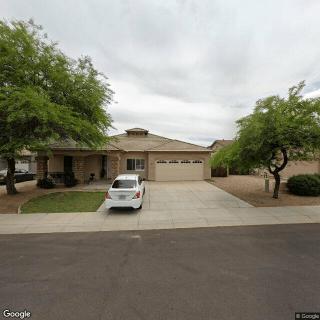
Anc Assisted Living Homes I
$2,500 to $3,500 / month23.2 miles away -
from +$200 / mo
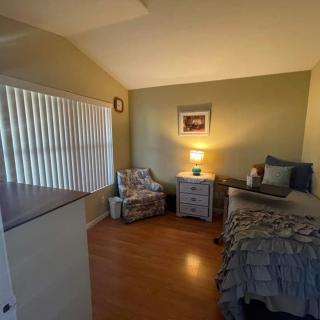
Caring Hearts Senior Care
$2,700 to $3,500 / month20.3 miles away -
About the same
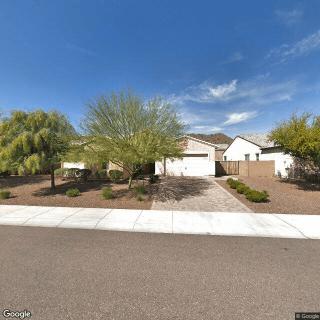
Northlands Assisted Living Home
$2,500 / month18.8 miles away
Overall Review of Razinn Care Campus
Pros
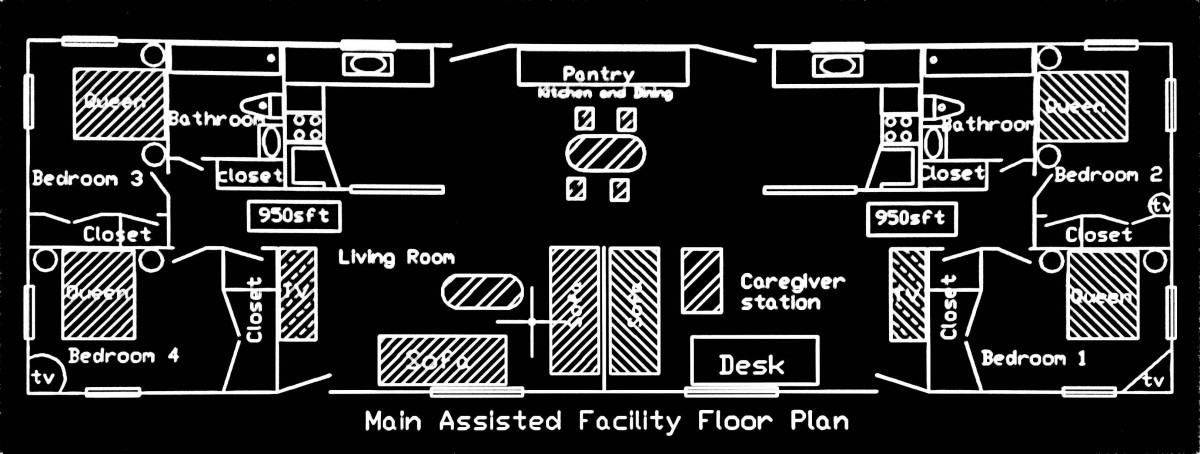
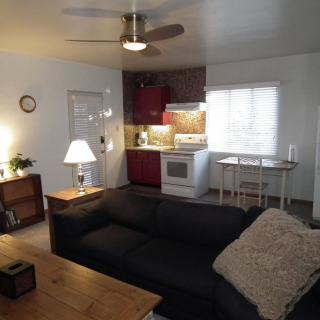
 The one-bedroom unit meets residents' needs perfectly, with an ideal location and very comfortable accommodations.
- The property is quiet and private.
- It is a beautiful and clean home for seniors, with a safe family atmosphere where the residents are happy and healthy.
- The staff are attentive and proactive in care, helping to find the right options for loved ones.
- The mother is 92 and has been living there for two years; the place is loving, beautiful, safe and compassionate, and she is very happy and well cared for.
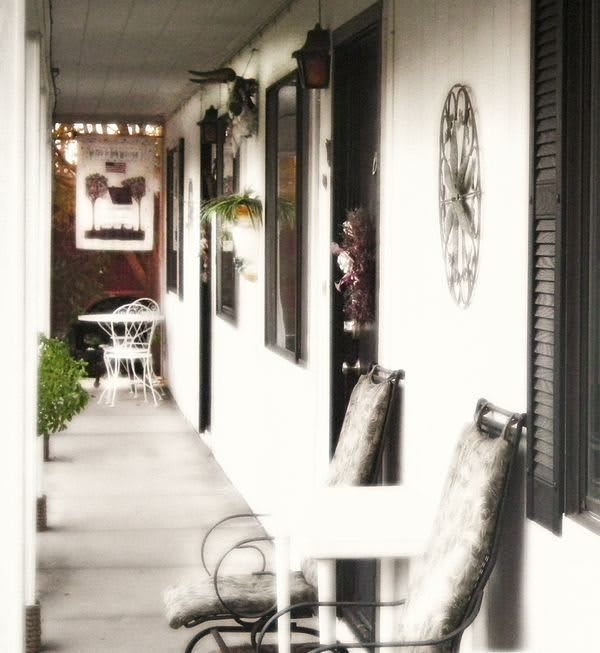
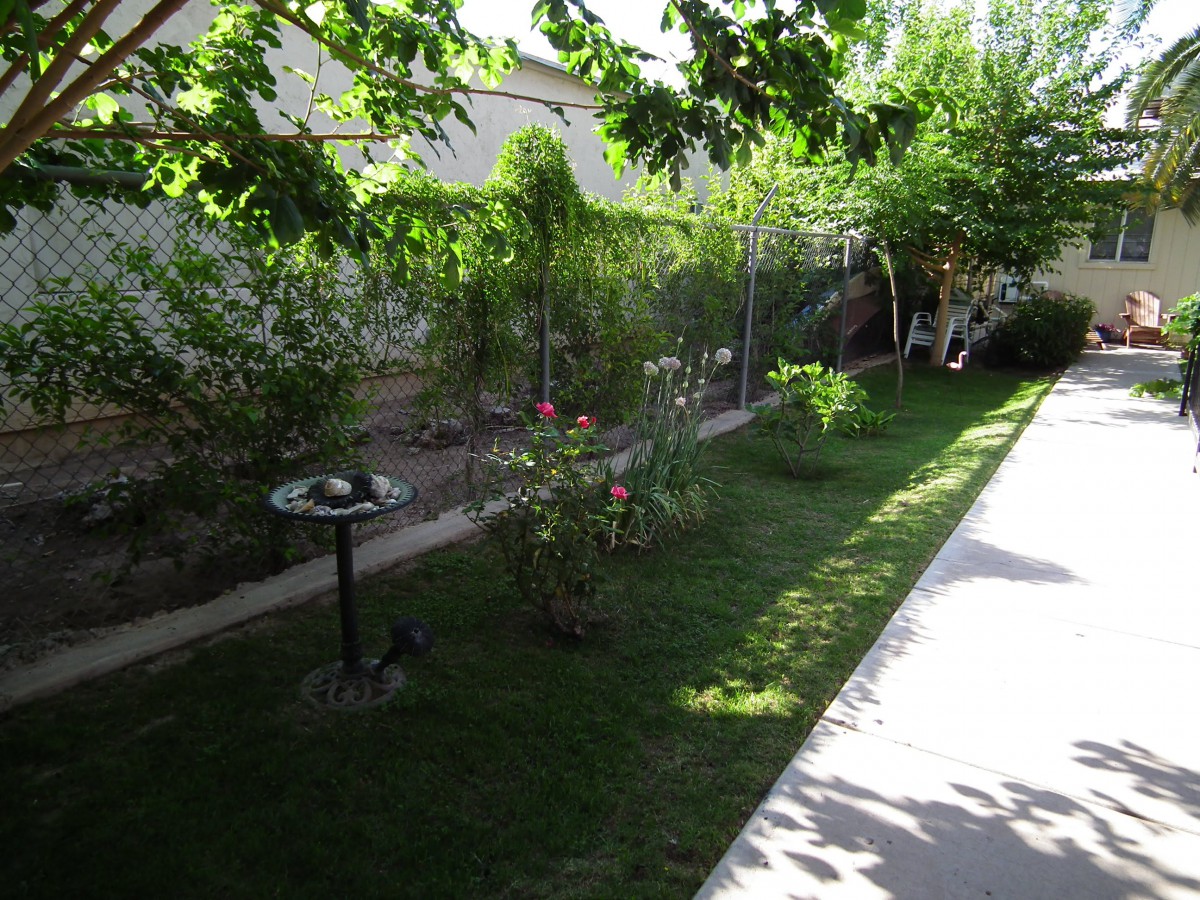
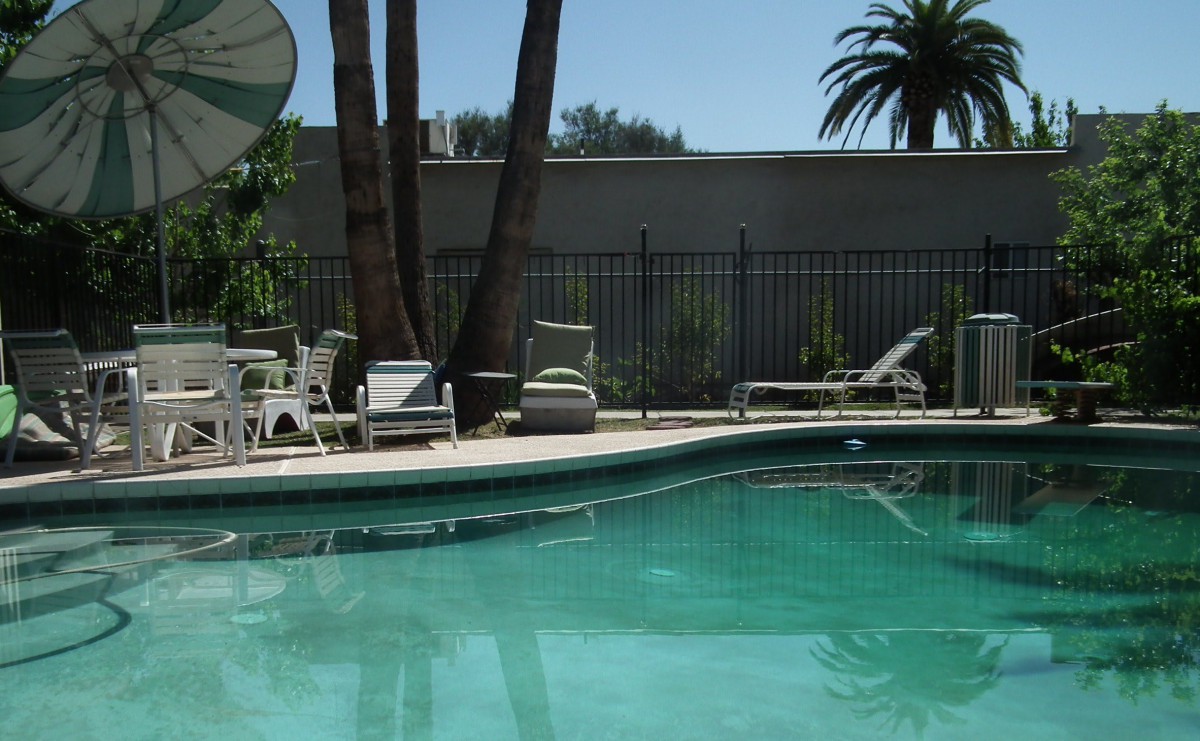
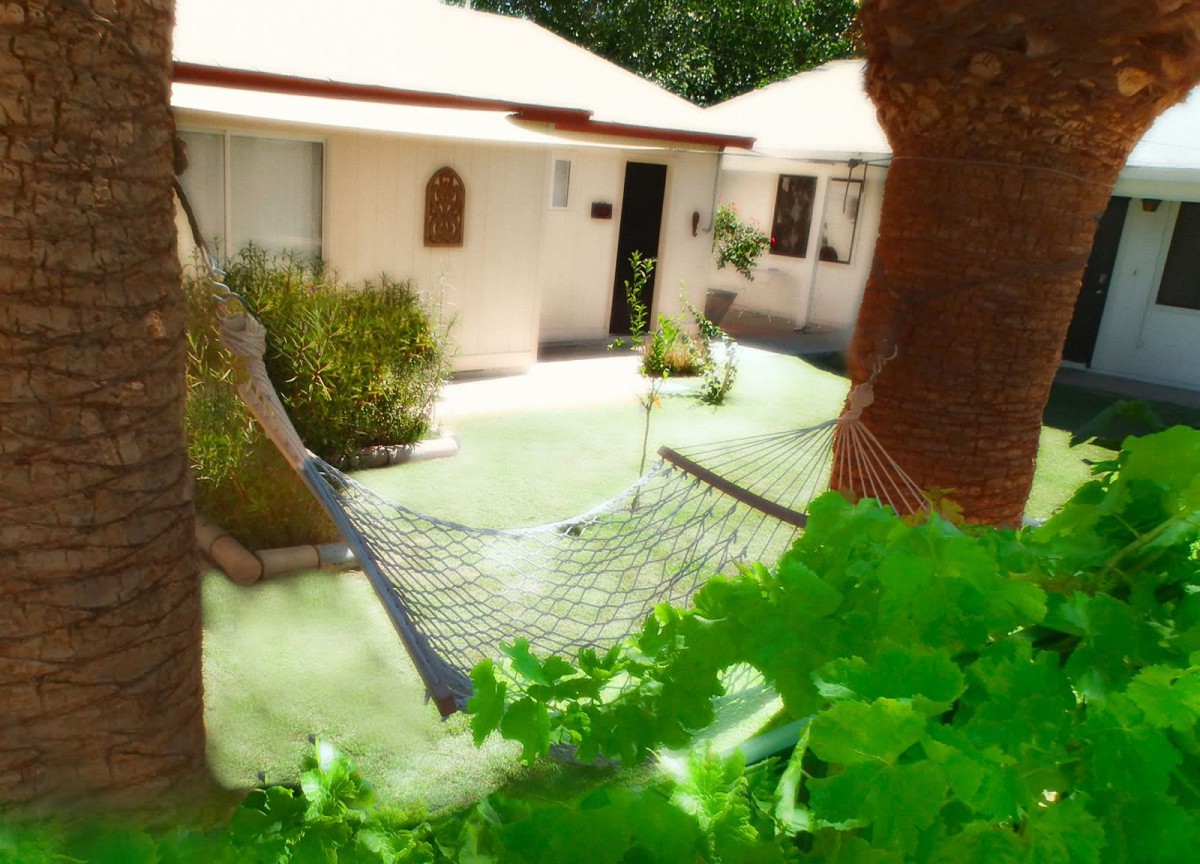
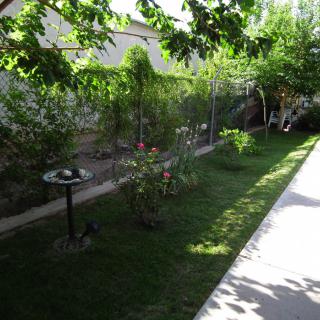
- There is wonderful outdoor space with flowers, chairs, trees, and pleasant smells.
- All meals are made from scratch, and the care campus has a warm, homey feel.
- Erin and Russ Razinn are warm, caring, and trustworthy, with staff who are patient, kind, and fully qualified.
Cons
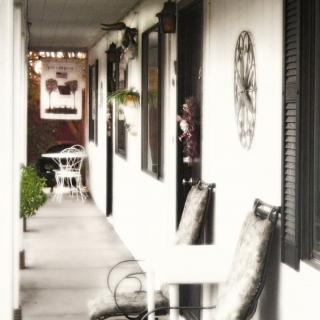
 It is described as not a professional home, but a main house with cottages rented out like hotel rooms.
 - The owners are accused of “playing the game” from start to finish and lacking real dementia-care skills.
- Residents are said to be crammed into tiny cottages, sitting in chairs all day and watching TV.
- The facility allegedly charged excessive fees (e.g., $3,500 for one night and $1,200 for six hours of "psychiatric evaluation"), implying misrepresentation and poor practices.
- The reviewer would not recommend the place and calls it a very bad business practice, feeling it amounted to being stolen from.
Review
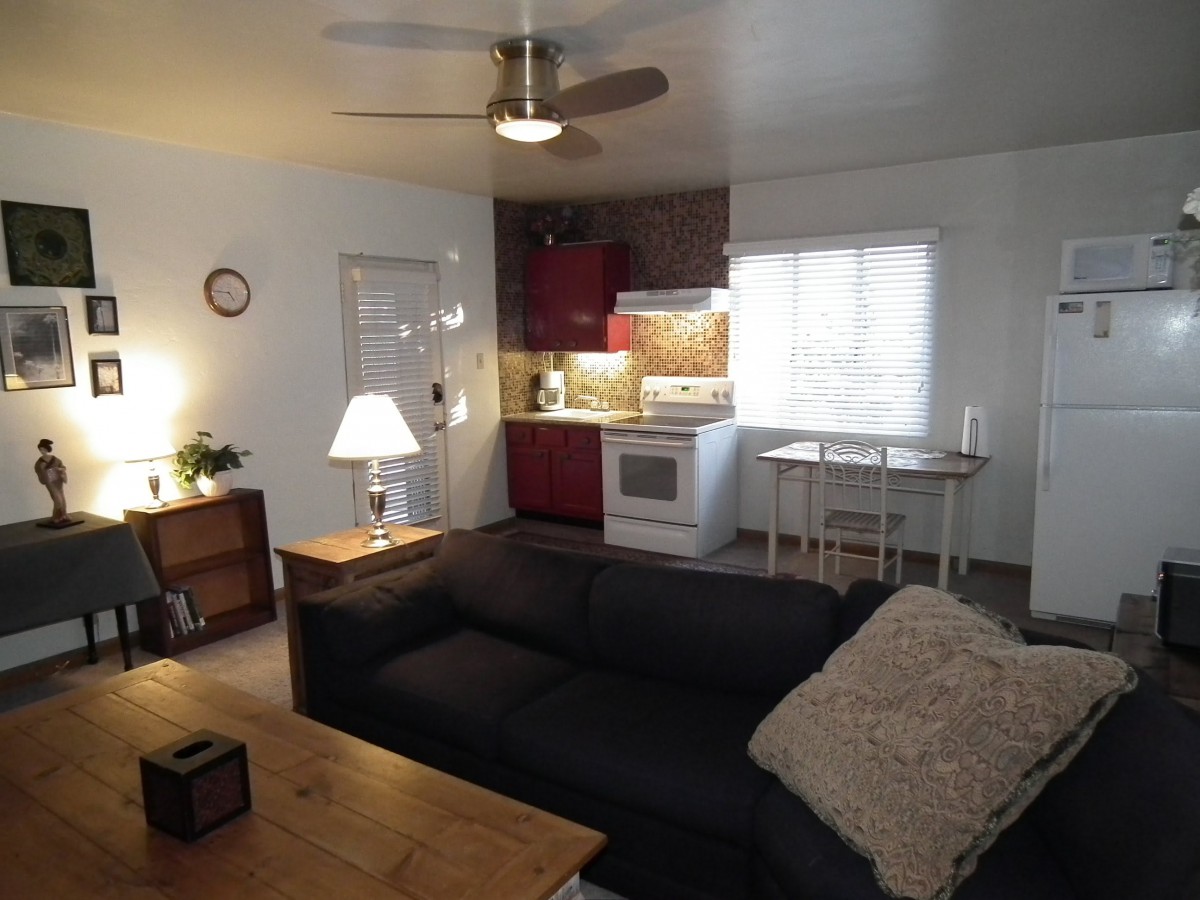
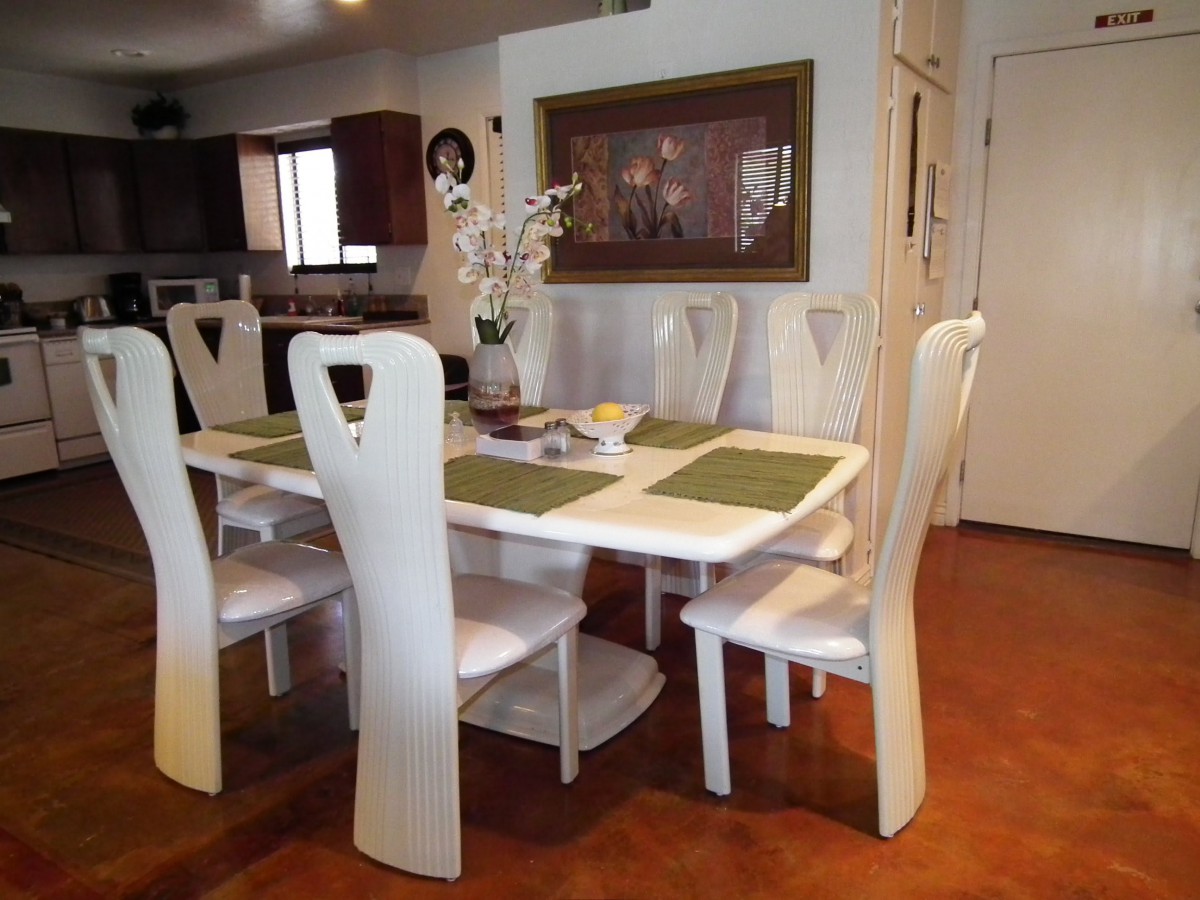
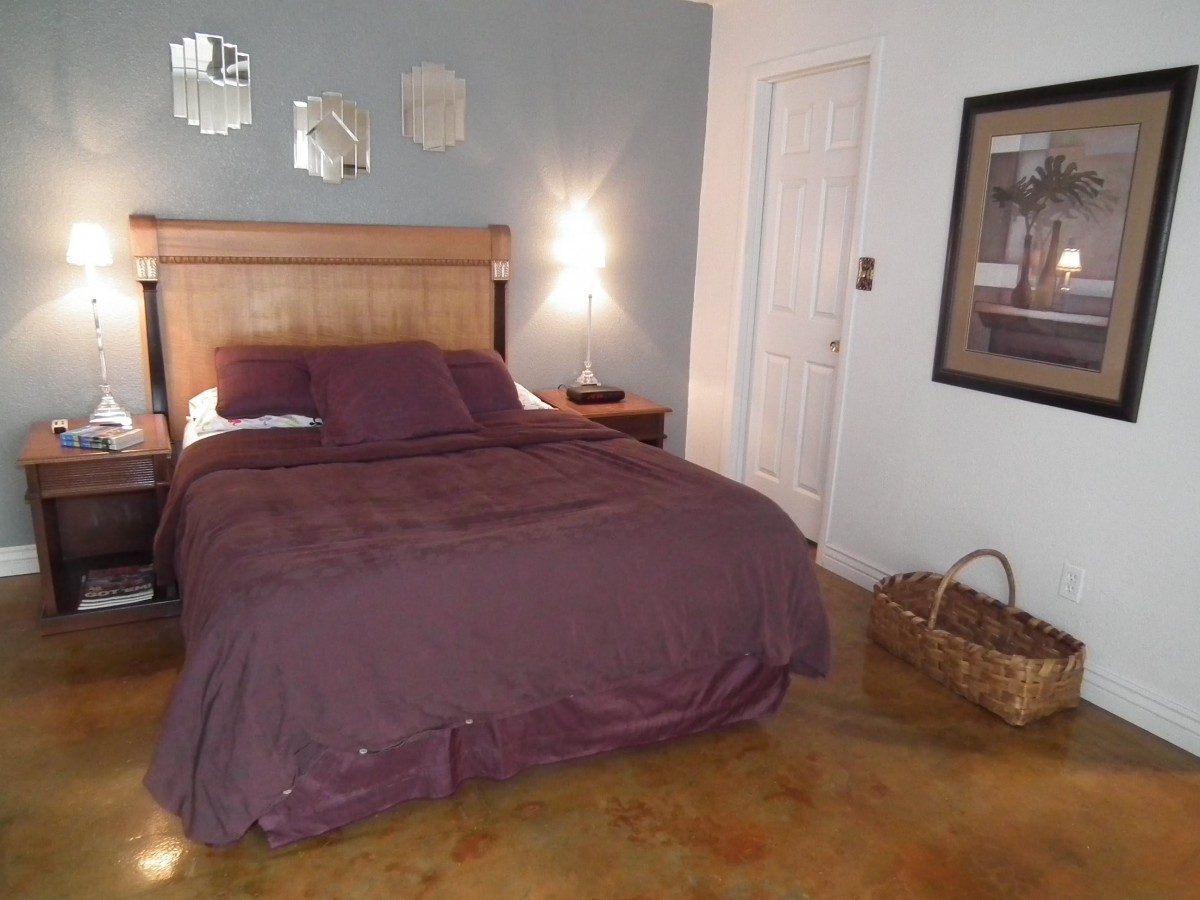
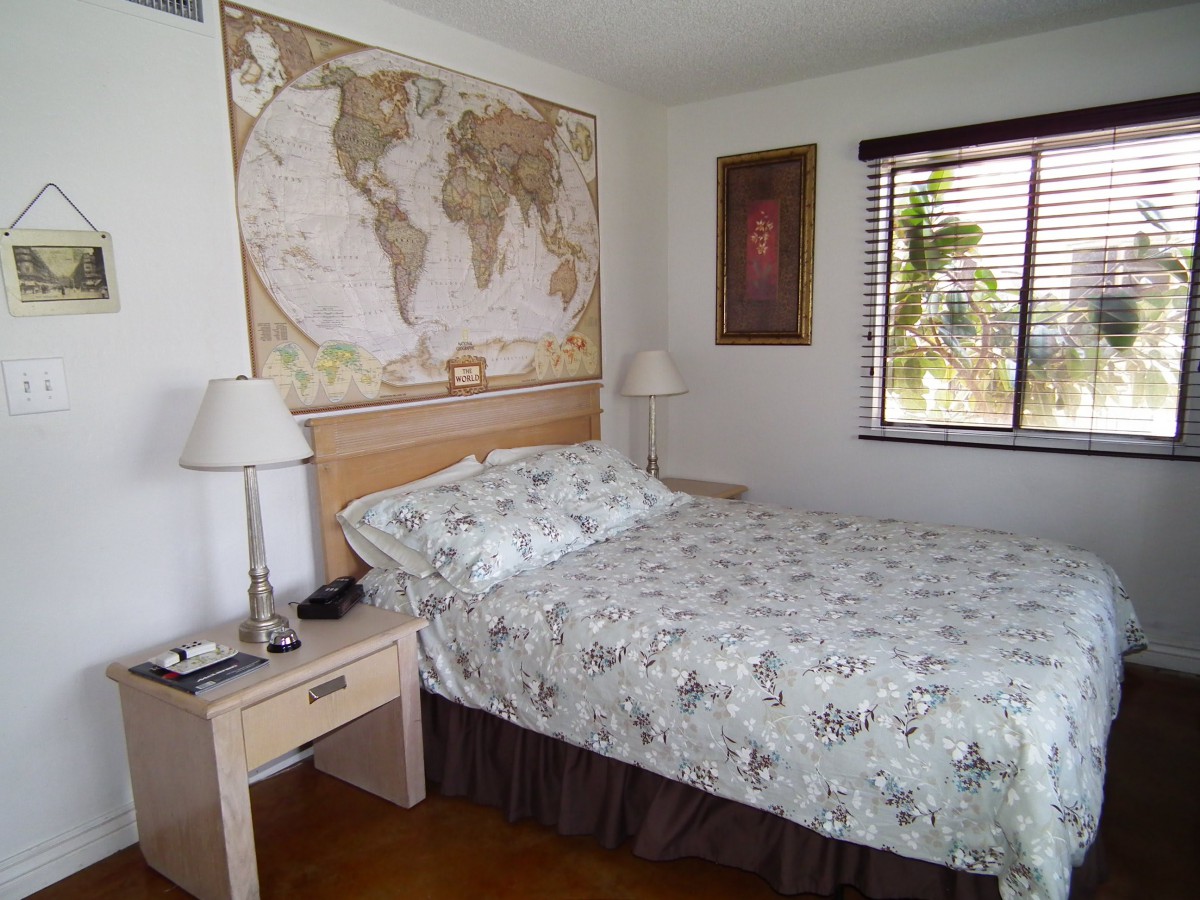
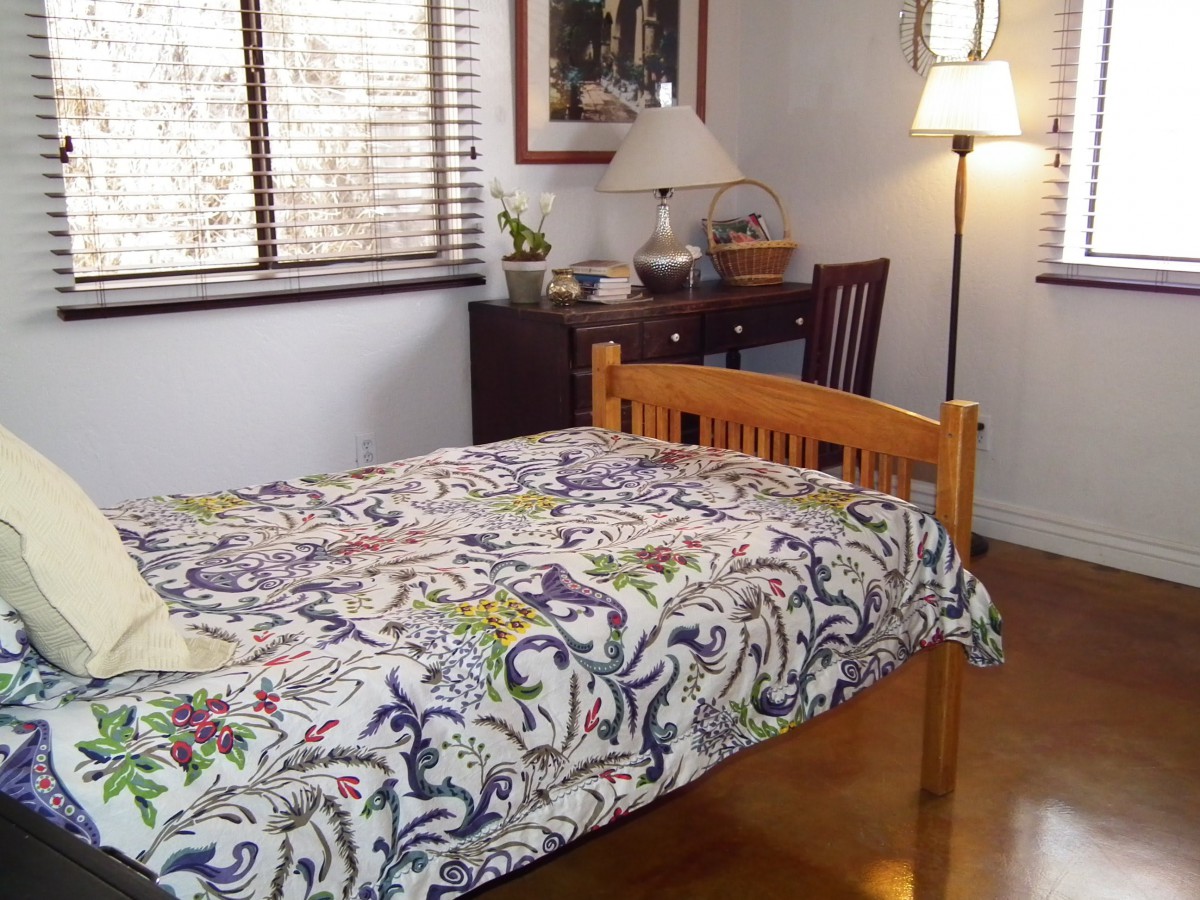
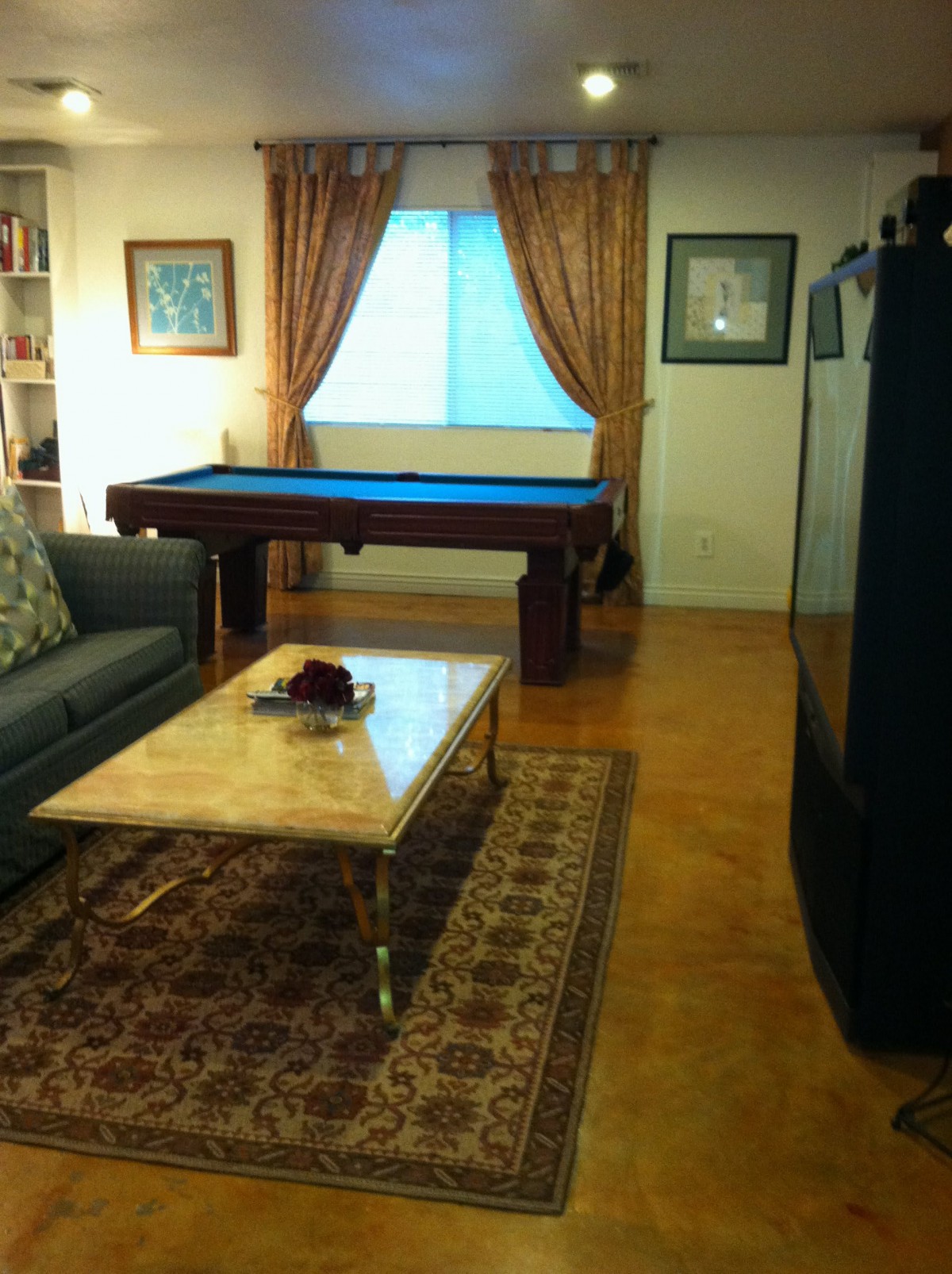
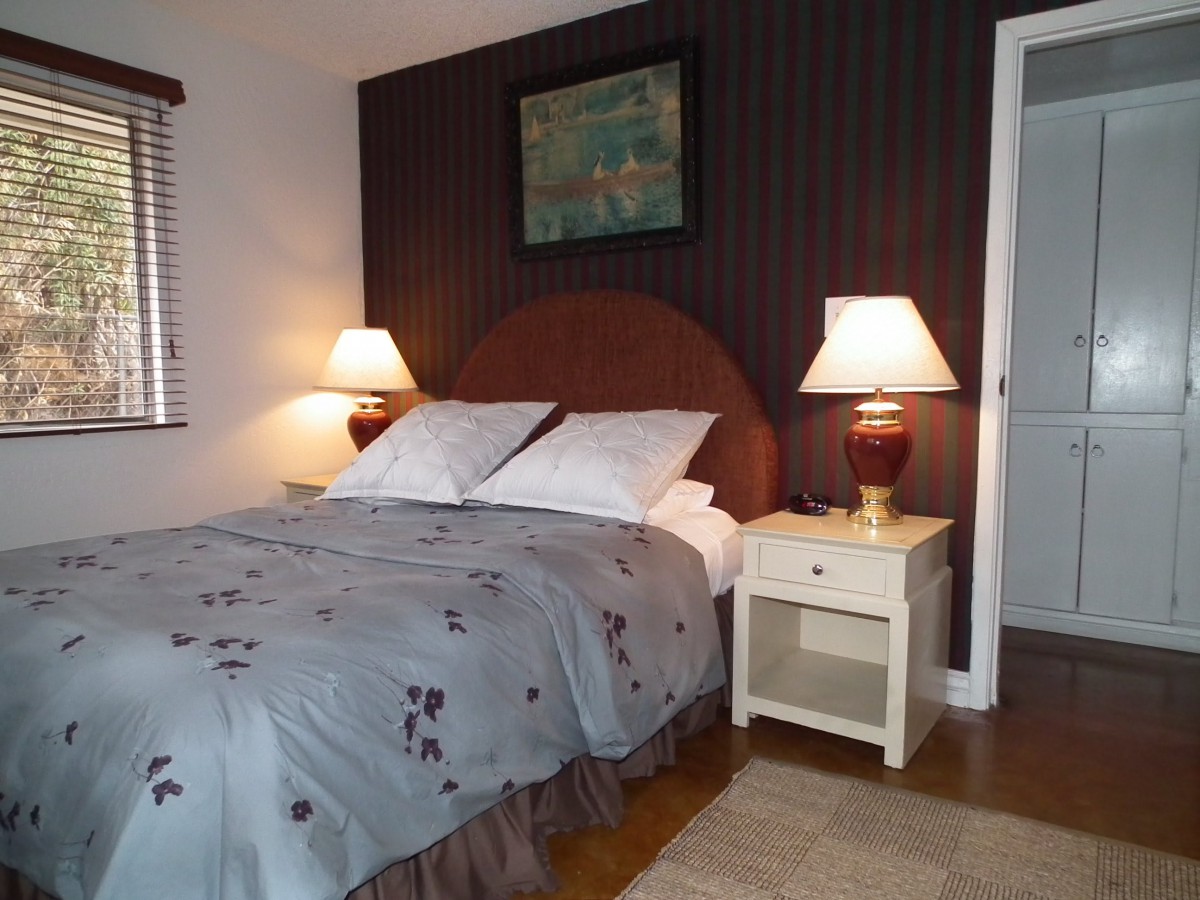
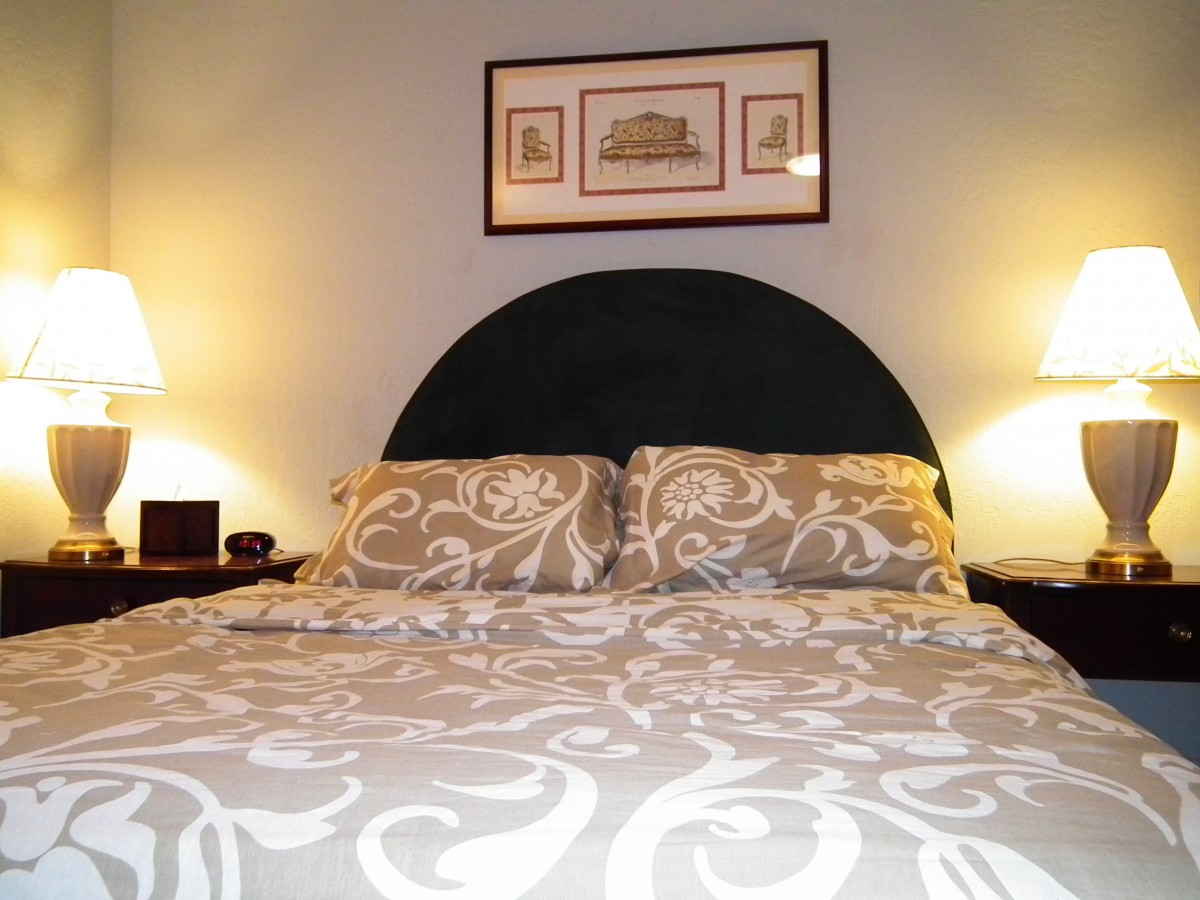
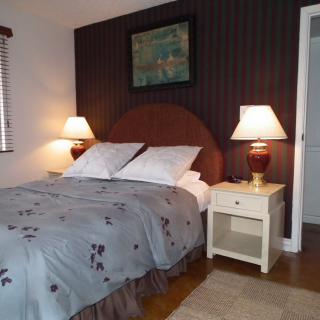
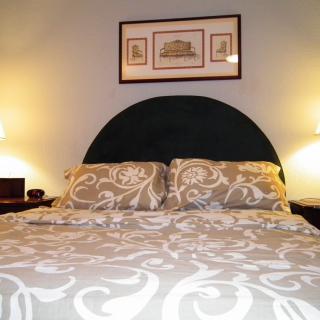
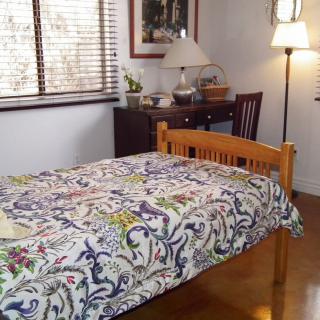
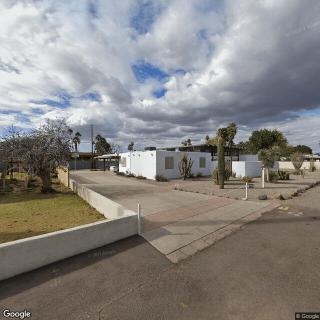
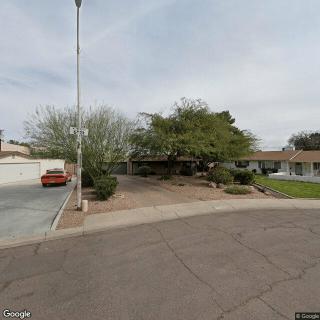
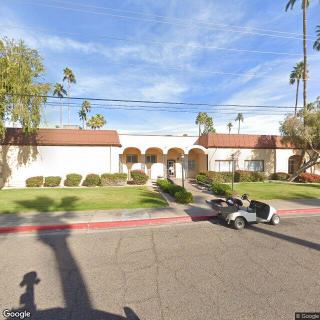
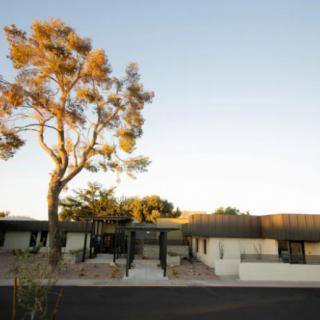
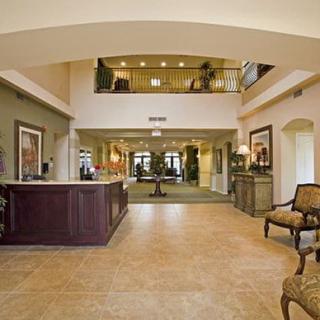
Razinn Care Campus in Phoenix is best suited for families seeking a warm, home-like assisted living experience where seniors are treated as neighbors, not numbers. The setting favors privacy, comfort, and intimate daily life: private rooms that can be furnished with familiar belongings, quiet gardens and outdoor spaces, and a campus atmosphere described as safe, compassionate, and non-institutional. Reviewers consistently highlight the ability to make a resident feel at home, with the option to sit in sun-filled courtyards, enjoy greenery, and share space with pets and neighborhood activity. In practice, this community shines when the goal is dignified living with personal touches rather than hospital-like routines.
That said, this community may not meet the needs of families requiring extensive medical oversight or highly structured dementia programming. Several reviews flag concerns about professional standards and pricing transparency, pointing to a model that is more home-centered than clinic-centered. For families expecting rigorous dementia care, overnight nursing supervision, or a fully resourced clinical team available around the clock, there are legitimate reasons to consider alternatives. The strongest red flags reference a business approach that some feel prioritizes appearance and convenience over robust clinical safeguards, including questions about transportation charges and unusual, high one-night costs.
The strongest positives counterbalance the concerns for the right buyer. Attentive, proactive staff and owners who are described as caring and accessible cultivate trust not often found in larger facilities. Ongoing family communication, photos, updates, and real-time contact, helps sustain reassurance for those who live far away. Residents enjoy private rooms and meals described as homemade, with a homey feel that supports independence and dignity. The environment supports social interaction in a small-scale way: outdoor seating, a garden loop, and opportunities to engage with pets or a neighborly, relaxed tempo. For families prioritizing a non-institutional, familial vibe, these elements can deliver meaningful daily quality of life.
Nevertheless, the documented criticisms deserve careful scrutiny. If dementia care and constant, professional oversight is non-negotiable, the absence of clearly defined 24/7 clinical staffing and standardized medication management becomes a meaningful risk. Reports of opaque or aggressive charging practices, including perceived upcharges or disputed transportation fees, reinforce the need for a crystal-clear, written agreement before moving in. The concern is not just about care philosophy but about predictability, can the family anticipate true, itemized costs and reliable escalation protocols when health declines? These questions are essential to separate warmth from risk and ensure the plan aligns with current needs.
To navigate a decision, approach Razinn with a rigorous, practical checklist. Tour the campus with a focus on staffing ratios, licensure, and caregiver credentials; request a sample weekly care plan and menu; speak with current residents’ families; and obtain a transparent, itemized price sheet that breaks out all services, medications, transportation, and incidentals. If offered, trial stays or short-term placements can illuminate daily realities and help confirm whether the care pace and caregiver interactions match expectations. Clarify what happens when health changes require more advanced support and demand documented escalation paths for emergencies.
In sum, Razinn Care Campus offers a compelling blend of home-like warmth and personal attention, delivering meaningful daily life benefits for many seniors. It excels for families who prize intimate, neighborly care, easy access to outdoor space, and a culture of genuine kindness from owners and staff. It is less suitable for those requiring rigorous clinical oversight, fixed pricing with complete transparency, or highly structured activity and dementia-specific programming. The prudent course is a thorough evaluation that combines written care plans and financial terms with on-site visits and candid conversations with current families. When those checks align, Razinn provides a dignified, humane option in Phoenix for aging loved ones who thrive in a small, caring ecosystem.
 Board and Care Home
 Memory Care
 Activities on-site
 Bath tubs
 Beautician on-site
 Devotional services off-site
 Indoor common areas
 Outdoor common areas
 Private
 Respite or short term stays offered
 Swimming pool / hot tub
 Phoenix Sky Harbor International (7 miles away)
 Ambulatory care
 Diabetic care
 High acuity care
 Incontinence care
 Medication management
 Meals provided


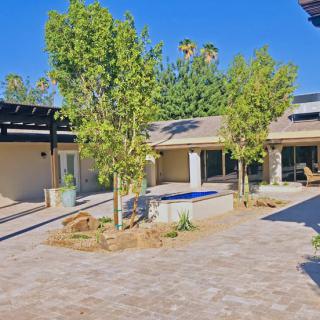
 8 Key Indicators That Suggest It May Be Time to Transition from Assisted Living to Skilled Nursing Care
 Nourishing the Mind: Essential Dietary Approaches for Dementia
 Understanding Dementia Behaviors: Practical Insights and Strategies for Caregivers