

For more information about senior living options: (844) 490-3973
4.7 from 15 reviews
5 stars
14
4 stars
0
3 stars
0
2 stars
0
1 stars
1
Board and Care HomeDay ProgramMemory Care
Grace Hill Adult Care Costs & Pricing
Grace Hill Adult Care offers competitive pricing for its services, especially when compared to both Maricopa County and the broader state of Arizona. For residents seeking a semi-private room, Grace Hill charges $2,400 per month, significantly lower than the county average of $2,801 and the state average of $2,820. Those opting for a private room will find Grace Hill's rate of $2,900 to be more affordable than the county's $3,318 and the state's $3,345. Interestingly, while Grace Hill's studio option is priced at $4,000 - a bit higher than both Maricopa County's average of $3,960 and Arizona's statewide average of $3,829 - it reflects a commitment to providing quality care that may justify this premium. Overall, Grace Hill Adult Care presents an appealing value for prospective residents in terms of essential living arrangements within a supportive environment.
Floor plans
Grace Hill Adult Care
Maricopa County
Arizona
Semi-Private
$2,400
$2,801
$2,820
Private
$2,900
$3,318
$3,345
Studio
$4,000
$3,960
$3,829
Overall Review of Grace Hill Adult Care
Pros
Grace Hill Ranch is undeniably a professional and gracious place for loved ones.
The staff go above and beyond to ensure each patient is cared for.
Residents are treated with genuine love, kindness, and thoughtful attention.
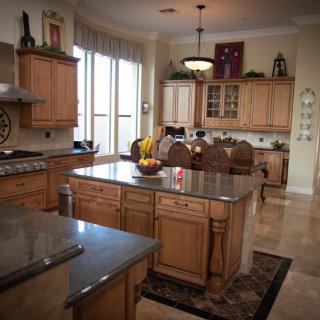
The facility is cozy, well maintained, and comfortable, with a welcoming atmosphere.
Families receive regular updates and photos showing their loved ones' care.
The care team is warm, patient, and highly dedicated to residents' comfort and safety.
Grace Hill Ranch offers individualized care with a favorable staff-to-resident ratio.
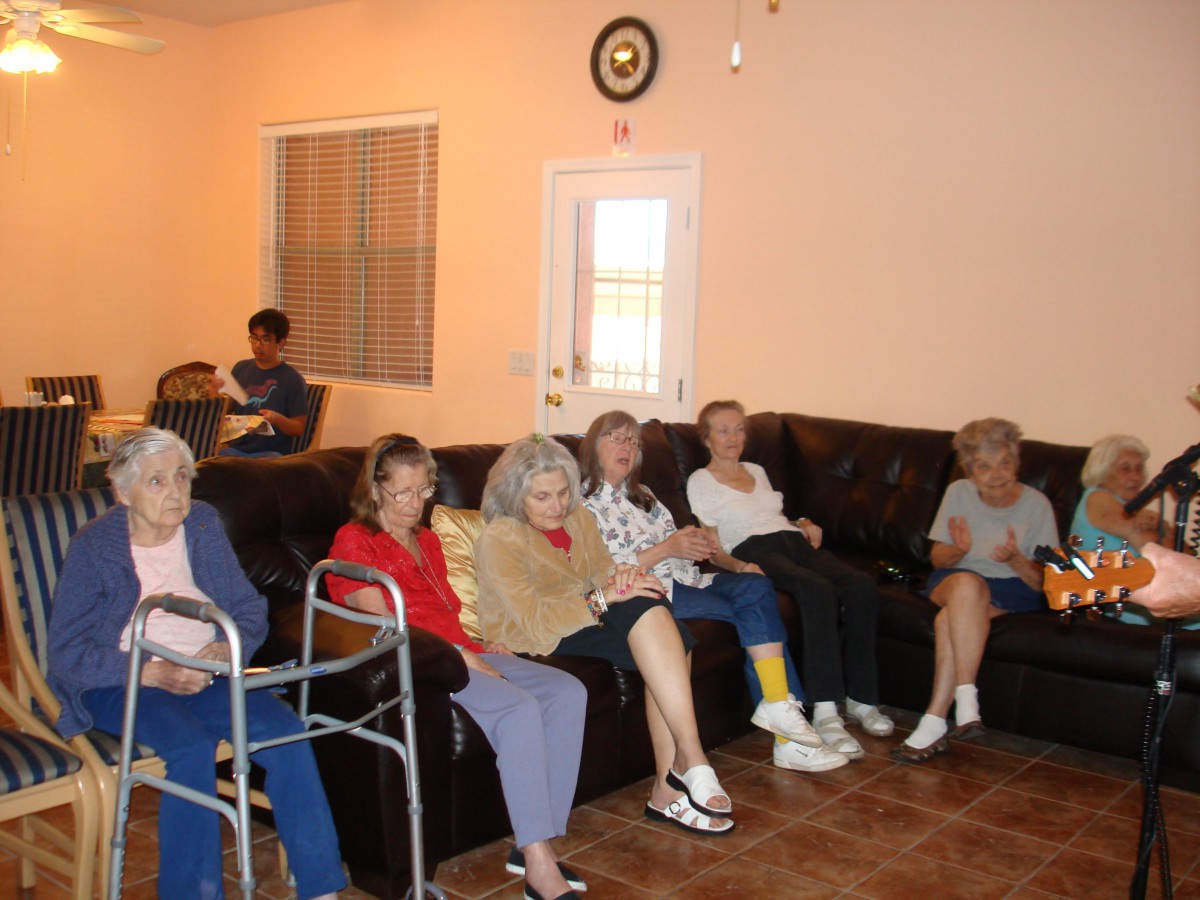
The environment feels like home, with opportunities to socialize and enjoy outdoor time.
Cons
The reviewer warns that no one should leave a loved one there.
The reviewer alleges abuse of patients and starvation of those with Alzheimer's, including a patient who lost 40 pounds and slept in a bed of ants.
The reviewer states that the owner should not be allowed to take care of any living thing.
They note that many other assisted living homes had too few caregivers for too many patients.
They report that some facilities did not know how to operate the Hoyer lift or kept lifts still in the packing box.
The reviewer mentions that the facility had been sued and lost several cases.
Review
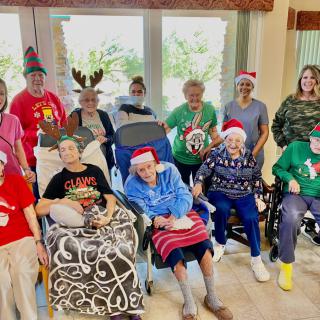
Grace Hill Adult Care in Phoenix is best suited for families that want a small, home-like setting where daily care feels personal and genuinely hands-on. The reviews consistently describe a team that treats residents with warmth, patience, and visible pride in their work, backed by a management group that stays engaged with families. This is not a sterile, clock-punch operation; it's a place where caregivers strive to integrate residents into common spaces, keep routines stable, and share moments from the day with families. The environment appeals to those who value regular human contact, meaningful activity, and frequent assurances that a loved one isn't simply being supervised but truly cared for.
Key strengths center on staffing and daily life. Reported caregiver-to-resident ratios are notably strong for an assisted living setting, with multiple caregivers present for a small census and hands-on assistance that goes beyond basic tasks. The staff's willingness to adapt - transporting residents to common areas, encouraging outdoor time, and snapping photos to share with families - creates a sense of inclusion and belonging. The facility emphasizes safety and comfort through practical measures, such as accessible lifts and proactive monitoring, while maintaining a cozy, well-kept home atmosphere with a welcoming yard for walks and conversation. These factors collectively translate into consistently positive experiences for most families.
End-of-life and ongoing daily care emerge as standout themes. Reviewers repeatedly highlight staff who go "over and above" to maintain comfort, safety, and dignity during challenging times, with particular attention to individualized needs and compassionate bedside care. Specific staff members are singled out for their dedication, suggesting stability and a culture of accountability that patients and families notice and appreciate. The combination of attentive care, timely medication handling, and a compassionate approach to daily routines helps reduce family anxiety during transitions from home to residential care and through to end-of-life phases.
Still, no community is without risk signals, and Grace Hill is not beyond scrutiny. A single, strongly negative review alleges abuse and neglect enough to warrant serious consideration, including claims of weight loss and unsafe conditions. While this represents a stark contrast to the overwhelmingly positive feedback, it cannot be dismissed outright. Families should use due diligence: verify current licensure and inspection records, tour with questions about caregiver assignments on typical shifts, review care plans for individual residents, and speak candidly with multiple staff members and longtime families. The reminder here is that trust in caregiving is earned through transparency and ongoing oversight.
In practice, the positives tend to offset the concerns for families who prioritize intimate, engaged care. The high level of staff involvement - paired with a proactive, home-like environment - helps address not only basic needs but the social and emotional well-being of residents. For seniors who require consistent daily assistance, regular monitoring, and a culture of genuine warmth, Grace Hill offers a compelling, practical option. However, families with loved ones who have complex memory-care needs, aggressive behaviors, or a history of severe neglect concerns may want to compare larger campuses or facilities with explicit dementia programming and more formal clinical oversight before committing. A measured visit, thorough questions, and a careful read of any recent survey results will clarify whether this community aligns with the expectations and safety standards desired.
Features
Types of Care
Board and Care HomeBoard and care homes provide a smaller, more intimate setting for seniors who require assistance with daily tasks but do not need the level of care offered by a nursing home. They offer personalized care, meals, and social activities in a homelike environment, ensuring that seniors receive individualized attention and support in their golden years.
Day ProgramDay programs are important for seniors because they provide a safe and supportive environment where older adults can socialize, engage in activities, receive assistance with daily tasks, and access valuable resources and services. These programs help prevent isolation and loneliness, promote mental and physical well-being, and offer a sense of purpose and community for seniors.
Memory CareMemory care is crucial for seniors as it provides specialized support and services for individuals with dementia or Alzheimer's disease. These programs offer a safe and secure environment where residents receive personalized care, cognitive stimulation, and help with daily activities. Memory care helps seniors maintain their independence, quality of life, and dignity while also providing peace of mind for their families.
Amenities
Activities off-siteEngaging in off-site activities is crucial for seniors to maintain social connections, stay active, and stimulate their minds. It promotes overall well-being and helps combat feelings of isolation and loneliness.
Activities on-siteActivities on-site are important for seniors because they provide opportunities for socialization, mental stimulation, physical activity, and overall well-being. Engaging in activities can help seniors stay active, maintain their independence, and improve their quality of life.
Air-conditioningAir conditioning is important for seniors as they are more vulnerable to heat-related illnesses and may have underlying health conditions that make it difficult for them to regulate their body temperature. It helps to keep them comfortable, safe, and healthy in hot weather.
Bath tubsBath tubs are important for seniors because they provide a safe and relaxing way to bathe, helping to prevent slips and falls while promoting independence and overall well-being.
Beautician on-siteHaving a beautician on-site at a senior living community is important for seniors as it allows them to easily access grooming and personal care services, boosting their self-esteem and overall well-being. It also provides convenience and helps seniors maintain their sense of independence and personal style.
Cable or satellite TVCable or satellite TV is important for seniors because it provides entertainment, news, and companionship, helping to combat loneliness and boredom. It also offers a wide range of programming options tailored to different interests and preferences.
Computer centerA computer center is essential for seniors as it provides access to technology, communication tools, and resources that can enhance their daily lives. It allows them to stay connected with loved ones, engage in online activities, and learn new skills, ultimately promoting socialization and mental stimulation.
Dining roomDining rooms are important for seniors as they provide a space for socialization, connection, and nutritious meals. They offer opportunities for residents to bond over shared meals, foster a sense of community, and promote healthy eating habits. Dining rooms also ensure that seniors have access to well-balanced meals tailored to their dietary needs and preferences.
Financial aidFinancial aid is crucial for seniors as it can help them cover the costs of essential living expenses such as housing, food, and healthcare. Many seniors have limited incomes and savings, so financial assistance programs can provide them with the necessary support to maintain a decent quality of life in their retirement years.
Financing adviceFinancing advice is crucial for seniors as they navigate the complexities of retirement planning, including managing fixed incomes, healthcare costs, and potential long-term care needs. Proper financial guidance can help ensure seniors maintain financial stability and security in their golden years.
Full kitchenHaving a full kitchen in a senior living facility is important for seniors because it allows them to maintain their independence and prepare their own meals. This promotes healthy eating habits, saves money on dining out, and provides a sense of familiarity and comfort for residents.
GardenGardens are important for seniors as they provide a peaceful and therapeutic environment for relaxation, physical activity, and socialization. Being in nature has been shown to reduce stress, improve mood, and promote overall well-being. Gardens also offer opportunities for seniors to engage in gardening activities, which can improve mobility, flexibility, and cognitive function. Additionally, gardens create a sense of community and connection with others who share a passion for plants and outdoor spaces.
Ground floor unitsGround floor units are important for seniors because they provide easy accessibility, reduced risk of falls and injuries, and convenience for those with mobility issues. Seniors can avoid climbing stairs or using elevators, making daily tasks and activities more manageable and enjoyable.
Guasts at mealtime"Guests at mealtime" offer seniors the opportunity for social interaction, companionship, and a sense of community during meals, which can help combat feelings of loneliness and isolation commonly experienced in senior living environments. It can also enhance their overall dining experience and improve their mental and emotional well-being.
Guest parkingGuest parking is important for seniors because it allows their friends and family members to visit them easily and safely. Having convenient parking options can help combat feelings of isolation and loneliness, promote regular social interaction, and improve overall mental and emotional well-being for seniors in senior living communities.
Handicap accessible"Handicap accessible" amenities are crucial for seniors to ensure they can easily navigate and access facilities, services, and activities without barriers or limitations due to physical impairments. This promotes independence, safety, and inclusivity for seniors in senior living communities.
Housekeeping servicesHousekeeping services are important for seniors because they help maintain a clean and safe living environment, promote independence, and reduce the risk of accidents or illnesses. Additionally, having assistance with household chores can alleviate physical strain and allow seniors to focus on other aspects of their well-being.
Indoor common areasIndoor common areas are crucial for seniors as they provide a space for socialization, recreation, and community engagement, promoting overall well-being and reducing feelings of isolation and loneliness.
KitchenetteKitchenettes are important for seniors living in senior living communities because they provide the convenience and independence of being able to prepare simple meals and snacks in the comfort of their own living space. This can help promote a sense of autonomy and well-being for seniors, allowing them to maintain some level of control over their dietary choices and daily routines.
LaundryLaundry services are important for seniors as they may have difficulty with physical tasks such as bending, lifting, or carrying heavy loads. Having access to laundry services can help seniors maintain personal hygiene, cleanliness, and independence in their daily lives.
Outdoor common areasOutdoor common areas are important for seniors as they provide a space for socialization, physical activity, and relaxation. Being outside in nature can improve mood and overall well-being, while also encouraging movement and engagement with others. These spaces can help combat feelings of isolation and promote a sense of community among residents.
Party spaceHaving access to party space is important for seniors as it provides opportunities for socialization, connection, and enjoyment. These spaces allow seniors to celebrate special occasions, host gatherings with friends and family, and participate in community events, enhancing their overall well-being and quality of life.
PrivatePrivacy is important for seniors as it allows them to maintain their independence, dignity, and sense of control over their own lives. It also gives them the space and freedom to relax, reflect, and engage in activities that bring them joy and fulfillment. Creating private spaces within senior living facilities is crucial for promoting overall well-being and quality of life.
Private bathroomsPrivate bathrooms are important for seniors in senior living communities because they provide independence, dignity, and comfort. Having a private bathroom allows seniors to maintain their personal hygiene routines without the need for assistance, promoting a sense of autonomy and privacy. Additionally, private bathrooms help prevent the spread of infections and provide a safe and clean environment for seniors to navigate safely.
Private cleaning servicesPrivate cleaning services are important for seniors because they provide a safe and healthy living environment, maintain independence, and alleviate the physical strain of household chores. These services ensure that seniors can remain in their own homes longer and enjoy a higher quality of life.
Respite or short term stays offeredRespite or short term stays provide seniors with a temporary solution when their regular caregiver is unavailable, offering them the opportunity to receive additional care and support during times of need, while also giving caregivers a chance to rest and recharge.
Security gateSecurity gates provide an added layer of protection and peace of mind for seniors living in a community. They help prevent unauthorized entry, deter potential intruders, and create a sense of security for residents. This extra security measure can make seniors feel safe and secure in their living environment.
TV roomTV rooms are important for seniors in senior living communities because they provide a space for social interaction, entertainment, and relaxation. Watching TV can help reduce feelings of loneliness and boredom, and create a sense of community among residents. Additionally, TV rooms offer a break from daily routines and can be a source of comfort and familiarity for seniors.
Wheelchair accessible showersWheelchair accessible showers are crucial for seniors as they provide a safe and independent bathing option for those with mobility challenges. These showers help prevent falls and allow seniors to maintain their dignity and autonomy while ensuring they can bathe comfortably.
Wi-Fi/high-speed internet availableWi-Fi/high-speed internet is important for seniors to stay connected with loved ones, access online resources, and participate in virtual activities to combat feelings of loneliness and isolation. It also allows them to easily manage healthcare needs, access entertainment, and engage in lifelong learning opportunities.
Care Services
Companion careCompanion care is crucial for seniors as it provides social interaction, emotional support, and companionship, which can improve quality of life, mental health, and overall well-being. This type of care can combat feelings of loneliness and isolation often experienced by seniors and ensure they have someone to talk to and engage with on a regular basis.
Diabetic careDiabetic care is crucial for seniors as they are more susceptible to developing diabetes due to aging and other health conditions. Proper management of diabetes can help prevent complications such as heart disease, vision loss, and nerve damage, improving the overall quality of life for seniors in senior living communities.
High acuity careHigh acuity care is important for seniors because it provides specialized medical attention and support for individuals with complex medical needs. This level of care ensures that seniors receive the appropriate treatment and assistance to maintain their health and quality of life as they age.
Hospice careHospice care is important for seniors as it provides specialized end-of-life support, pain management, and emotional comfort for both the senior and their loved ones. It allows seniors to maintain dignity, receive personalized care, and spend their remaining time in a peaceful and comfortable environment.
Incontinence careIncontinence care is essential for seniors to maintain their dignity, hygiene, and overall quality of life. By addressing incontinence issues promptly and effectively, seniors can enjoy a sense of independence and comfort in their daily activities.
Medication managementMedication management is crucial for seniors to ensure they are taking the right medications at the correct dosages and times. This helps prevent adverse drug interactions, reduces the risk of medication errors, and promotes overall health and well-being. Proactive management also allows for adjustments as needed based on changing health conditions or new prescriptions.
Personal care assistantsPersonal care assistants are essential for seniors as they provide assistance with daily tasks, such as dressing, bathing, and medication management. They offer crucial support and companionship to help seniors maintain independence and quality of life in their own homes or in senior living communities.
Physical therapyPhysical therapy is essential for seniors to maintain and improve their mobility, strength, and overall quality of life. It helps reduce pain, prevent falls, and enhance independence in daily activities. By promoting movement and function, physical therapy can help seniors stay active, healthy, and engaged in their communities.
Psychiatric carePsychiatric care is important for seniors as they may experience mental health issues such as depression, anxiety, or dementia. Proper diagnosis and treatment can improve quality of life, cognitive function, and overall well-being in older adults.
Dining
Diabetes dietA diabetes diet is crucial for seniors as it helps manage blood sugar levels, reduce risks of complications, and improve overall health and well-being. By following a balanced and nutritious diet tailored to their specific needs, seniors can better control their diabetes and enhance their quality of life.
Gluten-freeGluten-free options are important for seniors as they are more prone to digestive issues and dietary sensitivities. Offering gluten-free meal choices in senior living communities can help improve their overall health and well-being.
KosherKosher options are important for seniors because they adhere to dietary laws that are significant to many Jewish individuals, providing them with peace of mind and an opportunity to maintain their cultural traditions and beliefs while living in a senior living community.
Low / no sodiumLow/no sodium options are important for seniors because excessive sodium intake can lead to high blood pressure, heart disease, and other health issues commonly experienced by older adults. By choosing low/no sodium foods, seniors can better manage their health and reduce their risk of developing these conditions.
Low fatLow fat diets are important for seniors because they can help reduce the risk of heart disease, stroke, and other health issues commonly faced by older adults. Consuming less fat can also help manage weight and improve overall health and well-being in the senior population.
Meals provided"Meals provided" are crucial for seniors in assisted living communities as it ensures they have access to nutritious, balanced meals without the stress of meal planning and preparation. This can help promote overall health and well-being for seniors who may have limited mobility or cognitive abilities.
No SugarNo sugar diets are important for seniors because they can help prevent or manage chronic conditions such as diabetes, heart disease, and obesity. Sugar can also contribute to cognitive decline and inflammation in the body, so reducing sugar intake can lead to overall improved health and well-being in older adults.
RenalRenal health is crucial for seniors because the kidneys play a key role in filtering waste and toxins from the body. As we age, the risk of developing kidney problems increases, making it essential for seniors to prioritize their renal health through proper hydration, healthy eating habits, and regular check-ups with healthcare providers.
Restaurant style diningRestaurant style dining is important for seniors as it offers them a social and enjoyable dining experience, promotes healthy eating habits, and provides personalized menu options to cater to their dietary needs and preferences. This type of dining setting can enhance their overall quality of life and create a sense of community within the senior living facility.
Room serviceRoom service is important for seniors in a senior living community because it provides convenience and allows them to have their meals delivered directly to their room. This can be especially beneficial for seniors who may have mobility issues or difficulty accessing the dining area. Room service ensures that seniors are able to receive nutritious meals without having to navigate through the facility, allowing them to maintain their independence and overall well-being.
Special dietary restrictionsSpecial dietary restrictions are important for seniors because age-related changes in metabolism and health conditions can make it difficult for their bodies to process certain foods. By following a diet tailored to their specific needs, seniors can maintain their overall health and well-being, manage chronic conditions, and reduce the risk of complications such as malnutrition or food interactions with medications.
Special dining programsSpecial dining programs are important for seniors because they provide nutritious meals tailored to their dietary needs and preferences. These programs also offer socialization opportunities, promote overall health and well-being, and can help prevent malnutrition.
VeganVegan diets can provide numerous health benefits for seniors, including lower risk of chronic diseases, improved digestion, and increased energy levels. Additionally, plant-based diets are often rich in essential nutrients that can support overall well-being and longevity in older adults.
VegetarianA vegetarian diet is important for seniors because it can help lower the risk of chronic diseases, maintain a healthy weight, and provide essential nutrients needed for aging bodies. Additionally, plant-based diets are often easier on digestive systems and can contribute to overall well-being in older adults.
Activities
Activities off-siteEngaging in off-site activities is crucial for seniors to maintain social connections, stay active, and stimulate their minds. It promotes overall well-being and helps combat feelings of isolation and loneliness.
Art classesArt classes are important for seniors because they provide a creative outlet, improve cognitive function, reduce stress and anxiety, promote socialization, and enhance overall well-being and quality of life.
Arts and craftsEngaging in arts and crafts activities provides seniors with a creative outlet, promotes cognitive function, enhances dexterity and fine motor skills, fosters social interaction, and boosts overall well-being and mental health.
Bible study groupBible study groups provide seniors with a sense of community, spiritual growth, and support during their later years. It helps them stay connected to their faith, find comfort in difficult times, and build meaningful relationships with others.
Catholic servicesCatholic services are important for seniors because they provide spiritual support, a sense of community, and opportunities for social interaction that can enhance overall well-being and quality of life in their later years.
Cooking classesCooking classes are important for seniors as they provide opportunities for social interaction, enhance cognitive skills, promote healthy eating habits, and boost confidence in the kitchen.
Cooking clubCooking clubs are important for seniors as they provide social interaction, mental stimulation, and the opportunity to learn new recipes and cooking techniques. These clubs also promote healthy eating habits and can improve overall well-being and quality of life for seniors.
Educational speakers / life long learningEducational speakers and lifelong learning opportunities are crucial for seniors as they provide mental stimulation, promote social engagement, and contribute to overall well-being. Continuous learning helps seniors stay mentally sharp, build new skills, and maintain a sense of purpose and fulfillment in their lives. It also allows them to stay connected to the world around them and fosters a sense of community within senior living facilities.
Fitness programsFitness programs are crucial for seniors as they help improve strength, flexibility, balance, and overall well-being. Staying active can reduce the risk of chronic diseases, improve mental health, and enhance quality of life in older adults.
GamesGames are an essential part of senior living as they help promote cognitive function, social interaction, and overall well-being. Playing games can improve memory, concentration, and decision-making skills while also providing a fun and engaging way to connect with others. Seniors who participate in games regularly tend to experience higher levels of satisfaction and happiness in their daily lives.
Gardening clubGardening clubs are important for seniors because they provide a sense of community, promote physical activity and mental well-being, and offer opportunities for socialization and connection with nature. Gardening can also improve cognitive function and overall quality of life for seniors.
Happy hourHappy hour is important for seniors as it provides a social activity that promotes camaraderie and reduces feelings of loneliness or isolation. It also offers an opportunity for older adults to relax, unwind, and enjoy some drinks or snacks in a fun and welcoming atmosphere.
Live dance or theater performancesLive dance or theater performances are important for seniors because they provide opportunities for socialization, mental stimulation, and emotional engagement. These performances can help combat feelings of isolation and loneliness, while also offering a sense of connection to the arts and culture. Additionally, watching live performances can bring joy and create lasting memories for seniors in their later years.
Live musical performancesLive musical performances can provide seniors with a sense of joy, nostalgia, and connection. Music has the power to evoke emotions and memories, improve mood and cognitive function, and foster social interaction among seniors. It can also serve as a form of therapy and stress relief for older adults, making it an important activity to include in senior living communities.
Live well programs"Live well programs are essential for seniors as they provide opportunities for physical activity, social engagement, and mental stimulation, ultimately promoting overall health and well-being in later years."
Religious servicesReligious services provide seniors with a sense of community, support, and spiritual fulfillment, which can improve their overall well-being and mental health. It also offers them opportunities for socialization and connection with others who share their beliefs.
StoriesStories are important for seniors because they provide a sense of connection, stimulate memory and cognitive function, and offer entertainment and emotional engagement. Sharing stories can foster social interaction and create a sense of community among seniors, enhancing their overall well-being and quality of life.
Stretching classesStretching classes are important for seniors because they help improve flexibility, reduce the risk of injury, and promote overall health and well-being. Regular stretching can also help alleviate joint pain and stiffness, enhance balance and coordination, and increase range of motion.
Visiting chaplain or priestHaving a visiting chaplain or priest at a senior living community is important for seniors because it provides spiritual support, comfort, and guidance during a time of life that can be challenging and uncertain. Their presence can help seniors feel connected to their faith, find peace of mind, and cope with the emotional and mental struggles they may face in their later years.
Wii bowlingWii bowling is important for seniors as it provides a fun and engaging way to stay active, socialize, and improve hand-eye coordination. It can help prevent isolation, boost mental well-being, and promote physical fitness in a safe and accessible manner.
Languages Spoken
EnglishEnglish is important for seniors as it allows them to communicate effectively with healthcare providers, understand important information related to their health and medications, stay connected with loved ones, and engage in social activities within their communities. It also opens up opportunities for lifelong learning and intellectual stimulation.
SpanishSpanish is an important language for seniors because it allows them to communicate effectively with caregivers, medical professionals, and others in their community who may speak Spanish as their primary language. It also provides opportunities for cultural enrichment and social connections.
Description
Grace Hill Adult Care in Phoenix, AZ is a vibrant and welcoming assisted living community that provides exceptional care and support for seniors. With a wide range of amenities and care services, residents can enjoy a comfortable and fulfilling lifestyle.
For those seeking engaging activities, there is no shortage of options available. From art classes to cooking clubs, residents can explore their creative side while forging meaningful connections with fellow residents. Fitness programs and stretching classes ensure that physical well-being is prioritized, while educational speakers and lifelong learning opportunities cater to the intellectual interests of residents.
Spiritual needs are met with religious services and visits from a chaplain or priest. Live dance or theater performances, as well as live musical performances, add an element of entertainment to the community. Happy hour gatherings create a social atmosphere where residents can relax and enjoy each other's company.
The community boasts several amenities designed for convenience and comfort. With air-conditioning throughout the premises, residents can beat the Phoenix heat. Private bathrooms and wheelchair accessible showers ensure that personal hygiene needs are met with ease. Indoor common areas provide spaces for relaxation and socialization, while outdoor common areas offer opportunities to enjoy nature.
Dining at Grace Hill Adult Care is a delightful experience. Residents have access to restaurant-style dining where delicious meals are provided daily. The culinary team caters to special dietary restrictions such as gluten-free, kosher, low/no sodium, low fat, no sugar, renal-friendly options, vegan or vegetarian diets ensuring everyone's needs are met.
Care services offered at Grace Hill Adult Care are comprehensive and individualized. Trained personal care assistants provide assistance with daily tasks such as medication management and incontinence care. The community also offers high acuity care for those needing additional support as well as hospice care for end-of-life needs.
For seniors requiring specialized care such as diabetic care or psychiatric care, the community has dedicated staff who can provide the necessary support. Physical therapy services are also available to help residents maintain their mobility and overall well-being.
The community is conveniently located, with nearby cafes, pharmacies, physicians, and places of worship ensuring easy access to essential services. Additionally, residents have access to financial aid and financing advice if needed.
At Grace Hill Adult Care in Phoenix, AZ, seniors can expect a warm and inclusive environment where their needs are met with compassion and professionalism. With a wide range of amenities, care services, and engaging activities, this assisted living community strives to enhance the quality of life for its residents.
Nearby Places of Interest
This part of Phoenix, Arizona offers a variety of amenities and services that cater to the needs of seniors. With several pharmacies nearby such as Roadrunner Pharmacy and Walgreens, accessing medication and healthcare is convenient. There are also reputable physicians in the area including EuroMed Foundation and Anthem VA Clinic, ensuring quality medical care. For leisure activities, there are lovely cafes like Starbucks and Elevate Coffee for socializing, as well as parks such as Aviano Park and Green Belt for enjoying the outdoors. Additionally, there are restaurants like In-N-Out Burger and Carlos O'Brien's Mexican Restaurant & Pub for dining out. With theaters like AMC DINE-IN Desert Ridge 18 nearby, entertainment options are plentiful. Overall, this part of Phoenix provides a well-rounded living environment for seniors looking to settle in a vibrant community with easy access to essential services and recreational opportunities.
Pharmacies
Roadrunner Pharmacy (2.1 miles)
Carefree Compounding & Wellness (4.3 miles)
Walgreens (4.3 miles)
Walgreens (4.5 miles)
Albertsons Pharmacy (4.9 miles)
Fry's Pharmacy (5 miles)
CVS Pharmacy (5.1 miles)
Cafes
Starbucks (4.9 miles)
Starbucks (5 miles)
Dutch Bros Coffee (5.1 miles)
Janey's Coffee House (6.3 miles)
Starbucks (8 miles)
Elevate Coffee (8.5 miles)
Starbucks (9.5 miles)
Places of Worship
Canyon Church (5 miles)
Phoenix Arizona Temple (11.3 miles)
CCV Childrens Building (12.3 miles)
Christ's Church of the Valley (12.3 miles)
Physicians
EuroMed Foundation (5 miles)
Tramonto Crossing Family Medicine (5 miles)
Anthem VA Clinic (5.8 miles)
Edicine (5.8 miles)
Pain Center Of Arizona (5.8 miles)
Anthem Health Center (5.9 miles)
Gavilan Peak Family Practice / Urgent Care (5.9 miles)
Restaurants
In-N-Out Burger (5 miles)
McDonald's (5.9 miles)
Buffalo Chip Saloon & Steakhouse (6.5 miles)
Mountain View Pub (6.8 miles)
Black Mountain Coffee Shop (7.1 miles)
Sauce (8.5 miles)
Carlos O'Brien's Mexican Restaurant & Pub (8.7 miles)
Grace Hill Adult Care offers competitive pricing for its services, especially when compared to both Maricopa County and the broader state of Arizona. For residents seeking a semi-private room, Grace Hill charges $2,400 per month, significantly lower than the county average of $2,801 and the state average of $2,820. Those opting for a private room will find Grace Hill's rate of $2,900 to be more affordable than the county's $3,318 and the state's $3,345. Interestingly, while Grace Hill's studio option is priced at $4,000 - a bit higher than both Maricopa County's average of $3,960 and Arizona's statewide average of $3,829 - it reflects a commitment to providing quality care that may justify this premium. Overall, Grace Hill Adult Care presents an appealing value for prospective residents in terms of essential living arrangements within a supportive environment.
Grace Hill Adult Care's incontinence care ensures residents receive respectful and dignified assistance, which is essential for individuals with dementia or Alzheimer's who may struggle with personal hygiene. This support not only maintains comfort but also prevents potential infections and promotes overall well-being. Medication management is crucial in this context, as it helps ensure that residents adhere to their prescribed treatments and enhances cognitive function, reducing confusion and behavioral issues often associated with memory impairments. Additionally, physical therapy plays a vital role in maintaining mobility and strength, encouraging residents to engage in daily activities that foster independence while simultaneously addressing any physical challenges they may face due to their condition. Collectively, these features create a holistic approach to care that addresses both the physical and emotional needs of residents facing memory challenges.
Choosing between assisted living and nursing homes involves evaluating emotional and financial factors, with assisted living offering independence and support for daily activities at a lower cost, while nursing homes provide intensive medical care for individuals with significant health needs. The decision is influenced by personal preferences, health status, cognitive function, and varying Medicaid coverage across states.
The article presents eight strategies for preserving cognitive health and memory in older adults, emphasizing a nutrient-rich diet, regular exercise, intellectually stimulating activities, adequate sleep, social connections, stress management techniques, limiting harmful substances, and regular medical checkups to mitigate age-related memory decline.
Activities of Daily Living (ADLs) are fundamental tasks vital for an individual's independence, particularly in older adults over 85, and include functions like bathing and dressing; assessing ADLs alongside Instrumental Activities of Daily Living (IADLs) helps determine the level of required assistance due to age-related health challenges. Tailored support plans, involving family and community resources, are essential for maintaining dignity and autonomy in assisted living environments.