For more information about senior living options: (866) 208-4318
3.9 from 28 reviews
5 stars
18
4 stars
2
3 stars
1
2 stars
0
1 stars
7
Cypress Court at Peoria Costs & Pricing
Cypress Court at Peoria offers competitive pricing for its residential options, reflecting the quality of care and amenities provided. For a semi-private room, the monthly cost is $3,400, which is notably higher than both the average in Maricopa County ($2,801) and across Arizona ($2,820). This suggests that Cypress Court may be providing additional services or enhanced living environments that justify the premium. In contrast, the studio option at Cypress Court is priced at $3,600, slightly lower than the county's average of $3,960 but marginally above the state average of $3,829. Overall, while Cypress Court's costs exceed some local averages for semi-private accommodations, they remain competitive for studio living arrangements within a broader context.
Floor plans
Cypress Court at Peoria
Maricopa County
Arizona
Semi-Private
$3,400
$2,801
$2,820
Studio
$3,600
$3,960
$3,829
Memory care communities with a similar price nearby
Residents and families most consistently praise the staff’s care and responsiveness.
Many reviewers describe caregivers who treat residents with kindness and provide help that brings peace of mind to families. Several name specific people or credit leadership for being engaged and supportive. A few also mention communication and regular “face time” contact that helps families stay involved.
common7 reviews mention this
Cleanliness and home-like feel
Reviewers frequently note the building is clean and feels comfortable.
Across multiple reviews, families mention the facility smelling clean, rooms being well kept, and the community feeling like home. Some specifically reference cleanliness as part of what reassured them during the transition into memory care. Even among more mixed feedback, reviewers still call out a generally clean and warm atmosphere.
caveat3 reviews mention this
Dining quality gets mixed reviews
Dining is sometimes praised, but food quality and enjoyment vary.
A few reviewers describe the meals as high quality and part of what helps with daily comfort. Others characterize the food as only average and say residents don’t like it. One review also mentions a serious incident during dinner time.
differentiator4 reviews mention this
Memory care support for dementia
Families seeking memory care describe supportive care through dementia stages.
Reviewers who chose the community for memory care and Alzheimer’s describe it as the right fit for their loved one’s needs. Some talk about getting help with nourishment and care as symptoms progressed, including the period when hospice was involved. Others also mention how the facility supported day-to-day care during major transitions.
caveat8 reviews mention this
Staffing shortfalls raise care concerns
Several residents’ families report staffing problems that affected basic care.
A recurring concern in the lower-rated reviews is that there weren’t enough staff to meet residents’ needs, especially around feeding and hydration. Some reviewers describe outcomes like falls, dehydration, bed sores, or delayed attention to health changes, and they link those issues to staffing and communication. There are also comments about problems with medication documentation and staffing coverage across the building.
How we summarize
Counts show how many written reviews mention each theme; a review can touch several themes, and only frequently mentioned themes are displayed.
Features
Types of Care
Memory Care
Transportation
Phoenix Sky Harbor International (21 miles away)
Nearby Places of Interest
This part of Peoria, Arizona offers a convenient and diverse array of healthcare services, including physicians specializing in vein and vascular issues, pediatrics, retina care, dermatology, endoscopy, pain management, and general hospital services. In terms of pharmacies, there are multiple options in close proximity for easy access to medications. Dining options range from fast food chains like Whataburger and In-N-Out Burger to more upscale establishments like Arrowhead Grill and Abuelo's Mexican Restaurant. Places of worship are nearby for those seeking spiritual fulfillment. Additionally, there are cafes for socializing and enjoying a cup of coffee. Entertainment options include movie theaters and parks for leisurely activities. Overall, this part of Peoria provides a well-rounded community with various amenities suitable for senior living.
Physicians
Sonoran Vein and Endovascular (0.1 miles)
Pleasant Pediatrics (1.3 miles)
Aspire Pedi. Therapy (1.5 miles)
Associated Retina Consultants (2.1 miles)
Arrowhead Dermatology PC (2.6 miles)
Arrowhead Endoscopy & Pain Management Center (3.2 miles)
Arrowhead Hospital - Bryan Ficarra, DO (3.2 miles)
Cypress Court at Peoria offers competitive pricing for its residential options, reflecting the quality of care and amenities provided. For a semi-private room, the monthly cost is $3,400, which is notably higher than both the average in Maricopa County ($2,801) and across Arizona ($2,820). This suggests that Cypress Court may be providing additional services or enhanced living environments that justify the premium. In contrast, the studio option at Cypress Court is priced at $3,600, slightly lower than the county's average of $3,960 but marginally above the state average of $3,829. Overall, while Cypress Court's costs exceed some local averages for semi-private accommodations, they remain competitive for studio living arrangements within a broader context.
Dementia encompasses a range of cognitive impairments characterized by types such as Alzheimer's and vascular dementia, and follows a seven-stage progression model known as the Global Deterioration Scale (GDS), highlighting varying symptoms and decline timelines. Early detection allows for lifestyle adjustments to potentially slow progression, while caregivers need support and resources to manage the challenges involved in caring for affected individuals.
The article presents eight strategies for preserving cognitive health and memory in older adults, emphasizing a nutrient-rich diet, regular exercise, intellectually stimulating activities, adequate sleep, social connections, stress management techniques, limiting harmful substances, and regular medical checkups to mitigate age-related memory decline.
Activities of Daily Living (ADLs) are fundamental tasks vital for an individual's independence, particularly in older adults over 85, and include functions like bathing and dressing; assessing ADLs alongside Instrumental Activities of Daily Living (IADLs) helps determine the level of required assistance due to age-related health challenges. Tailored support plans, involving family and community resources, are essential for maintaining dignity and autonomy in assisted living environments.
Get PricingAsk A QuestionSchedule A TourContact Senior Advisor
By clicking submit, you agree to our Partner's Terms of Use. You
also consent to receive calls and texts, which may be autodialed, from our Partner. Your consent is not a condition to
using our Partner's service. Please visit our Partner's Privacy Policy for information about their privacy practices.

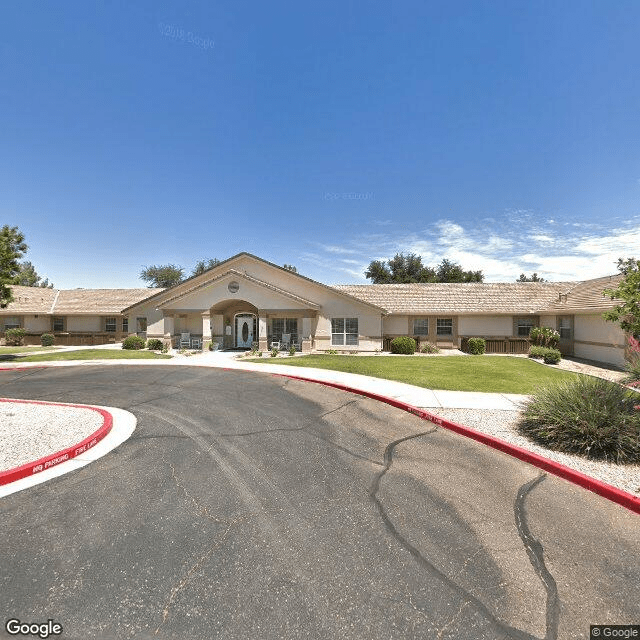
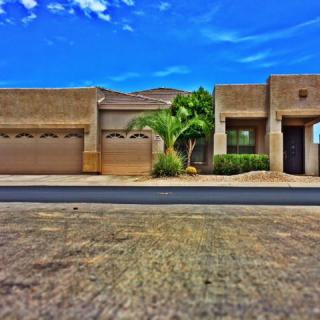
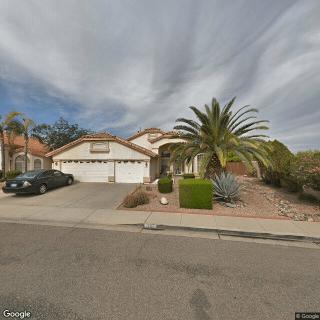
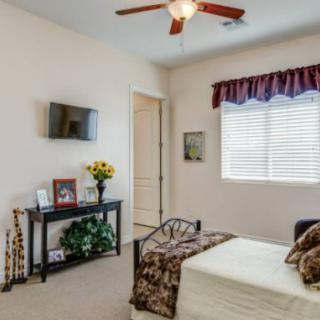

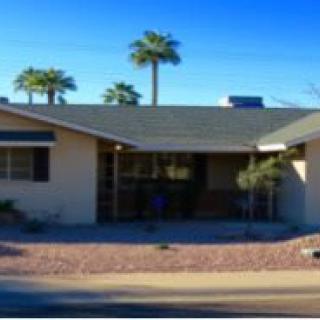
 Memory Care
 Phoenix Sky Harbor International (21 miles away)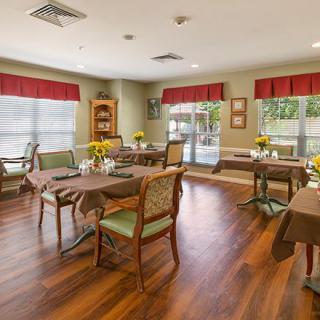
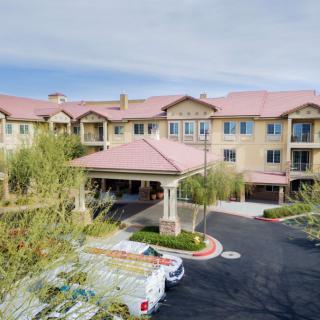
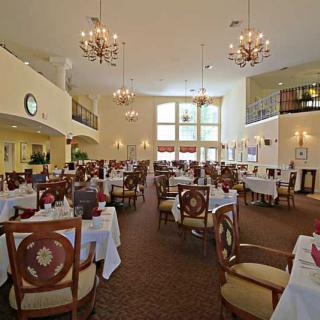
 Caring staff, engaging activities, and a clean, well-maintained environment.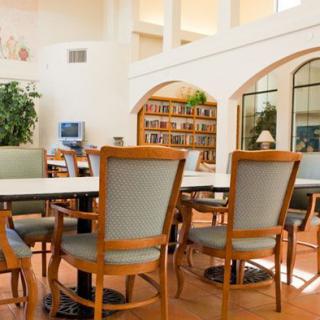


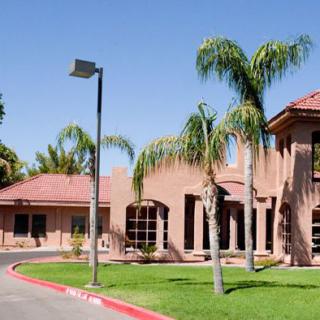

 Understanding Dementia Through Its Seven Stages: A Comprehensive Look at Progression and Expectations
 Safeguarding Your Memory Through the Golden Years: Eight Ways to Preserve Cognitive Health
 Comprehensive Insights into Activities of Daily Living (ADLs) and Their Assessment