
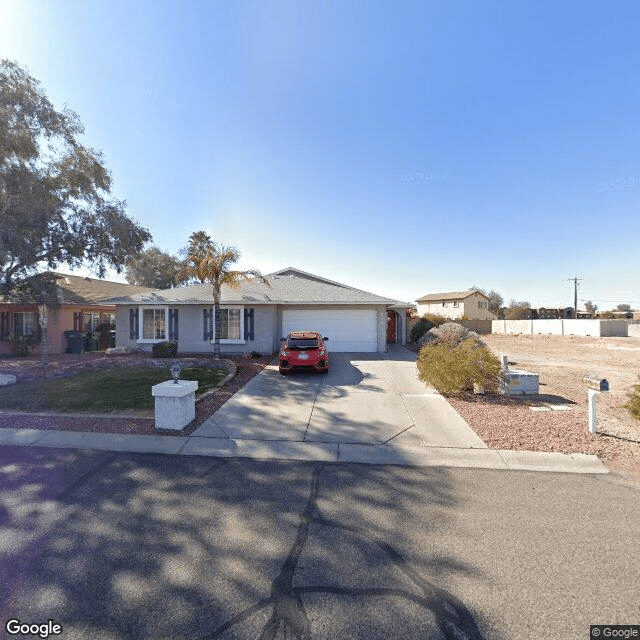
210 98th Way, Mesa, AZ 85208
To contact a resident: (480) 813-6483
For more information about senior living options: (866) 208-4318
Eden Adult Care Facility II Costs & Pricing
Eden Adult Care Facility II offers competitive pricing for its private room accommodations, with a monthly cost of $3,000. This rate is notably lower than the average costs in Maricopa County, which stand at approximately $3,318, and also below the state average of $3,345. By providing an affordable option while still maintaining high standards of care and comfort, Eden Adult Care Facility II positions itself as an appealing choice for individuals seeking assisted living solutions in the region. The facility's commitment to delivering quality service at a reasonable price can significantly ease the financial burden on families while ensuring their loved ones receive the necessary support and lifestyle they deserve.
| Floor plans | Eden Adult Care Facility II | Maricopa County | Arizona |
|---|---|---|---|
| Private | $3,000 | $3,318 | $3,345 |
Memory care communities with a similar price nearby
-
from -$500 / mo
La Bella Vita ALH
$2,500 to $7,000 / month3.1 miles away -
About the same
Desert Winds I
$3,000 to $3,800 / month9.6 miles away -
from +$500 / mo
Jim & Patti Jones II
$3,500 to $4,500 / month10.3 miles away -
About the same
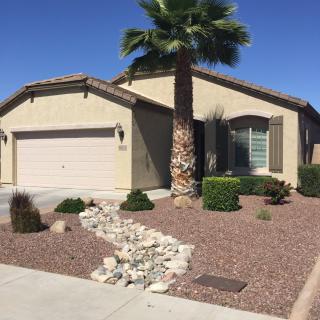
Altercare Assisted Living Home
$3,000 to $3,500 / month6.1 miles away -
from -$500 / mo
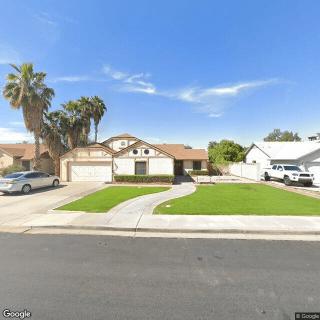
Villa Jean
$2,500 to $3,000 / month14.2 miles away
Overall Review of Eden Adult Care Facility II
Pros
 The staff at Mayfair Eden are described as wonderful caregivers who truly care for residents.
- The facility features new, beautiful accommodations and homemade meals.
- Pen and Lydia are highlighted as favorites who add special touches.
- The environment has a home-like feel with great outdoor space for residents.
- The Mayfair Eden team goes above and beyond to treat residents with love, dignity, and compassion.
- Residents are described as loved and happy, with celebrations and healthy meals.
- The owner is communicative and facilitates admissions smoothly, even from out of state.
Cons
 A reviewer stated that the mom was not taken care of at all and that the staff didn’t even speak English, calling it the worst decision of their life.
- One reviewer described the facility as a terrible place.
- A reviewer noted that Eden doesn’t offer many activities, though they are working on enhancing them.
Review
Eden Adult Care Facility II in Mesa, AZ is best suited for families seeking a warm, home-like environment where a small, attentive team can deliver genuinely compassionate care. The facility presents as a recent-build with tasteful, comfortable accommodations, and the care team, led by the owner and supported by caregivers like Maddie, Pen, and Lydia, has a reputation for treating residents with dignity and personal warmth. It suits seniors who value a non-institutional atmosphere, homemade meals, and a strong sense of family to guide daily life, rather than a highly structured clinical program.
That said, families weighing alternatives should know this community may not fit everyone. For those prioritizing a bustling activity calendar, highly regimented programming, or a facility with broad, standardized activities across every shift, Eden’s current offerings are more modest and still maturing. Language and communication variability has appeared in some reviews, and the occasional report of care gaps cannot be ignored. Prospective families who require consistent, English-fluent staffing across all hours or who want a large, activity-driven community may want to compare other options with a clearer, more uniform programming and staffing model.
The strongest positives are tangible and meaningful: a fresh, homey setting, homemade meals made with care, easy-to-navigate outdoor spaces, and a culture of personal attention that many families describe as “family-like.” Several reviews highlight staff members who went above and beyond, making residents feel valued with birthday celebrations, holiday activities, and everyday acts of kindness. The accessibility of the owner for communication, and the flexibility shown to accommodate budget considerations, are practical advantages for families navigating financial constraints while still seeking attentive, person-centered care.
However, the main drawbacks echo a cautionary note. Limited activity programming can leave residents with less daily structure than some families expect, and inconsistent staff English fluency or communication quality in certain shifts has been cited as a concern. A few reviews express frustration or distress about care standards, underscoring that experiences can vary from one family to the next. This variability matters, because care quality in a home-like setting often hinges on daily staffing consistency, clear communication, and proactive responsiveness, areas where Eden shows strengths but also room for ongoing improvement.
These pros offset the cons most effectively for families who prioritize comfort, personal connection, and cost-conscious care over a high-energy activity calendar or uniform care delivery across all shifts. For residents who thrive on a trusting, affectionate caregiver relationship, Eden’s model can deliver meaningful daily joy and a sense of belonging that is not easy to find in more clinical environments. End-of-life or palliative contexts, in particular, can benefit from the intimate, compassionate approach many families have cited.
To move from consideration to confident placement, conduct a structured visit with the goal of validating the fit. Meet Maddie and the primary caregiving team, ask to review a current activity calendar, menu samples, and a sample care plan. Request to speak with a current resident or family about communication practices, and specifically inquire how language needs are handled across different shifts. Clarify budget options and any potential add-on costs, and ask for a clear, written summary of services included in the base rate. If possible, request a trial period or a short stay to observe daily operations. With due diligence, Eden can emerge as a strong choice for families who prize warmth, dignity, and a true home-like environment, while remaining mindful of the potential for variation in activity offerings and staffing consistency.
 Board and Care Home
 Memory Care
 Activities on-site
 Air-conditioning
 Beautician on-site
 Cable or satellite TV
 Devotional services off-site
 Ground floor units
 Handicap accessible
 Indoor common areas
 Outdoor common areas
 Private
 Respite or short term stays offered
 Wheelchair accessible showers
 Wi-Fi/high-speed internet available
 Phoenix Sky Harbor International (23 miles away)
 Diabetic care
 High acuity care
 Incontinence care
 Medication management
 Gluten-free
 BBQs or picnics
 Birthday parties
 Gardening club
 Light therapy programs
 Live dance or theater performances
 Live musical performances
 Stretching classes
 Trivia games
 Visiting chaplain or priest
 When Dementia Sparks Anger and Aggression: Understanding the Connection and Ways to Cope
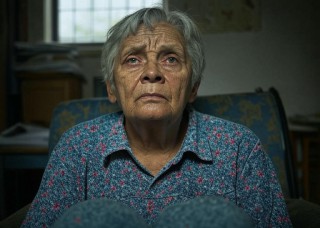 Dementia Behaviors: In-Depth Understanding and Effective Coping Strategies
 5 Early Indicators of Dementia and What You Can Do