
9952 East Butte Street, Mesa, AZ 85207
For more information about senior living options: (866) 208-4318
Overall Review of Arizona Community Assisted Living
Pros
 The resident is incredibly happy at this home and considers it one of the best decisions ever.
- After touring, the resident knew it was home and felt welcomed by the staff, especially Drew.
- The staff are kind, caring, and feel like talking to a good friend; they are truly the best.
- Language barriers are removed as the staff speak perfect English, and the American owners are visibly involved.
- The staff go above and beyond and become like family to residents.
- The mother-in-law laughed, smiled, and enjoyed life again under their care.
- The care is outstanding and affordable, and the family would consider living there in the future if needed.
Review
Arizona Community Assisted Living in Mesa is best suited for families seeking a warm, home-like setting where residents are treated with genuine warmth, personal attention, and a hands-on approach from leadership. The reviews point to a small-community feel in which staff and managers are readily accessible, friendly, and actively involved in daily care. A resident’s immediate sense of belonging is repeatedly highlighted, with one reviewer noting the transition felt like the resident was “coming home” and another praising the management and staff for making a new arrival feel welcomed and valued from day one. This is the core strength: a caregiving team that feels more like a family than an institution.
Those who may want to consider alternatives are families prioritizing a larger campus experience, highly specialized medical programming, or a formal, clinical care environment. If the need is for extensive memory-care partnerships, highly structured clinical oversight, or a broad menu of on-site medical services and amenities across a bigger facility footprint, this community may not align with those expectations. The reviews do not indicate a heavy emphasis on clinical programs or hospital-grade oversight, so families with acute or complex medical needs that require robust, facility-wide medical infrastructure should evaluate options with a lens toward capacity and scope beyond what a small, intimate home typically provides.
The strongest pros, genuine warmth, language alignment, and American ownership, collectively offset the absence of a large, corporate atmosphere. The staff’s dedication is palpable in every note: residents feel cared for, conversations with caregivers are described as friendly and respectful, and the leadership is seen as present and engaged. The American‑owned model is not just a branding detail; it translates into consistent communication, predictable expectations, and a sense that the staff’s priorities are aligned with family-centered care. For families worried about language barriers, the reviews emphasize that English is spoken clearly and consistently, reducing misunderstandings and facilitating precise care planning, the kind of clarity that matters when care needs shift or questions arise.
Equally compelling is the sense that this home becomes a true extension of family for its residents. One review describes staff who “became family” to a mother-in-law with Alzheimer’s, a powerful indicator of daily quality of life and emotional well-being. The same account notes the owners’ active involvement in the residence, reinforcing a model where leadership is not distant but reachable and hands-on. Cost is described as affordable for the quality provided, which is a meaningful advantage for families balancing caregiving with long-term financial planning. The practical outcome of these dimensions is a smoother transition, less resident distress, and better overall mood for days that can quickly turn challenging in senior care.
Because the reviews are strongly positive, the specific gaps to consider are more about fit than failure. Prospective residents should verify the depth of dementia programming and medical oversight to match evolving needs, since the narratives focus on warmth and accessibility rather than a documented, programmatic memory-care framework. In addition, inquire about staff-to-resident ratios, activities that actively engage cognitive health, and the availability of on-site medical consultations or partnerships, details that determine whether the setting remains everything desired as care demands intensify. Clarify what “affordable” means in practice, often this hinges on room options, care levels, and ancillary services, to avoid surprises as needs change.
In sum, Arizona Community Assisted Living is a strong match for families seeking a dependable, intimate, and affection-forward environment where residents feel welcomed, protected, and valued. It shines for those who prize English-speaking staff, American leadership, and a culture of genuine care that translates into daily joy and peace of mind. Those who need a larger, more clinical or specialized memory-care operation should weigh alternatives that offer broader medical ecosystems and formal programming. For the target audience, the combination of attentive staff, on-site ownership, and clear, compassionate communication makes this community a practical, confident choice.
 5 resident community capacity
 Assisted Living
 Cable or satellite TV
 Dining room
 Fully furnished
 Garden
 Housekeeping services
 Move-in coordination
 Outdoor space
 Telephone
 Wi-Fi/high-speed internet available
 Phoenix Sky Harbor International (23 miles away)
 24-hour supervision
 Activities of daily living assistance
 Assistance with bathing
 Assistance with dressing
 Assistance with transfers
 Diabetes diet
 Meal preparation and service
 Medication management
 Special dietary restrictions
 Transportation arrangement (medical)
 Transportation to doctors appointments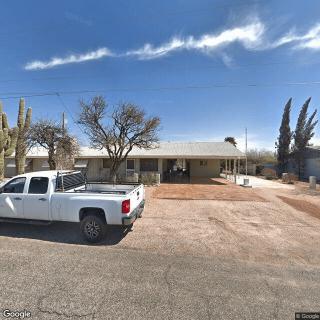


 Assisted Living Expenses and Long-Term Care Insurance: A Comprehensive Exploration
 Securing Financial Support for Assisted Living: A Comprehensive Overview
 Social Security Benefits and Assisted Living: Navigating Options Across the U.S.