
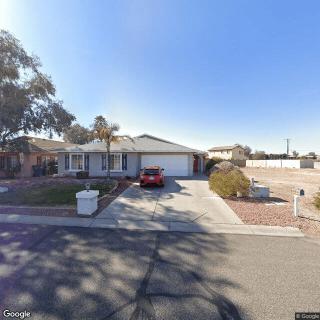
9321 East Carmel Avenue, Mesa, AZ 85208
For more information about senior living options: (866) 208-4318
Better Living Carehome Costs & Pricing
Better Living Carehome presents a cost-effective option for those seeking assisted living in Maricopa County, with monthly rates that significantly undercut both county and state averages. For a semi-private room, residents will find the fee at Better Living Carehome is $1,900, which is substantially lower than the county rate of $2,801 and the state average of $2,820. Similarly, for private accommodations, Better Living Carehome charges $2,200 - again more affordable compared to Maricopa County's average of $3,318 and Arizona's statewide figure of $3,345. These competitive pricing structures reflect Better Living Carehome's commitment to providing quality care while remaining accessible to families looking for reliable long-term support.
| Floor plans | Better Living Carehome | Maricopa County | Arizona |
|---|---|---|---|
| Semi-Private | $1,900 | $2,801 | $2,820 |
| Private | $2,200 | $3,318 | $3,345 |
Overall Review of Better Living Carehome
Pros
 The staff are very patient with her needs.
- The home has been a great fit.
- She has been enjoying the meals provided.
- She is able to participate in activities.
- The reviewer would recommend it to others.
Cons
 The home was not impressive.
- It felt sparse, cold, and like a nursing home.
- It was definitely not for his dad.
Review
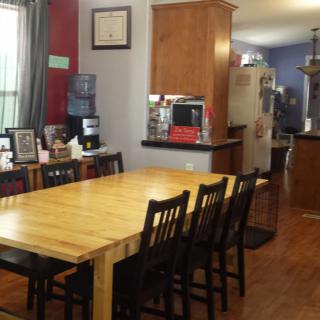
Better Living Carehome in Mesa, AZ is best suited for seniors who want dependable daily care and a straightforward, low-ambiguity environment. Residents who value predictable meals, routine activities, and staff who take time to work with individual needs will find the core service delivery reliable. The space itself skews toward an institutional feel rather than a warm, home-like atmosphere, which means it works for those who prioritize consistency of care over ambiance. Families chasing a more residential vibe should look elsewhere. In short, this community is a practical choice for practical needs, not a retreat for social butterflies or décor enthusiasts.
Those weighing alternatives should consider options that emphasize a more homelike setting, with warmer décor, brighter common areas, and spaces designed to invite casual social interaction. If a loved one places a premium on comfort, privacy, and a livelier resident life, this may not meet expectations. For residents who require more intensive medical oversight or richer programming beyond basic activities, exploring communities with stronger social calendars and broader amenities is wise. This is a provider that prioritizes steadiness over immersion in a dynamic, decorative environment.
On the positive side, the care provided is supported by patient, attentive staff, and meals that are reliably available. The presence of routine activities gives residents a framework for daily life, which reduces constant planning by families and minimizes anxious gaps in care. For families and residents who value dependable caregiving and predictable schedules, these elements constitute a meaningful advantage. When the priority is safety, consistency, and straightforward support, the best elements of the offering clearly align with those needs.
The primary drawbacks are structural and perceptual. The environment can feel sparse and cold, more reminiscent of a nursing home than a retirement setting, with limited warmth in décor and common spaces. For someone who associates daily life with a welcoming, homey atmosphere, this can dampen mood and a sense of belonging. The disconnect between solid caregiving and a less inviting ambiance may be a tipping point for residents who spend much of their day in shared areas or who crave personal touches that convey personality and comfort. If social engagement and a warm living space are high priorities, alternatives should be prioritized.
To make a well-informed decision, prospective residents should plan extended visits at different times of day to observe staff interactions, meal service, and how residents engage with one another. Request a tour of private rooms and ask how spaces are personalized to reflect individual histories and preferences. Inquire about the frequency and variety of activities, transportation for outings, and dietary accommodations. Speaking with current residents about daily satisfaction provides practical insight into whether the care routine and atmosphere match expectations. The aim is to verify that care quality and daily life together support well-being, not merely meet clinical needs.
Bottom line: Better Living Carehome offers a steady, caregiving-focused option for families prioritizing reliable staff and predictable routines over ambiance. It is a solid fit for residents who place high value on consistent care, safety, and structured days. For those craving a warmer, more neighborly atmosphere or a more robust social program, alternatives with a more home-like design and richer resident engagement will likely deliver higher satisfaction. Weigh these factors carefully, and prioritize a live-visit assessment that probes both the warmth of the environment and the consistency of daily care before deciding.
 5 resident community capacity
 Assisted Living
 Board and Care Home
 Activities off-site
 Bath tubs
 Beautician on-site
 Cable or satellite TV
 Dining room
 Fully furnished
 Garden
 Housekeeping services
 Indoor common areas
 Move-in coordination
 Outdoor common areas
 Private
 Private bathrooms
 Respite or short term stays offered
 Telephone
 Wheelchair accessible showers
 Wi-Fi/high-speed internet available
 Phoenix Sky Harbor International (22 miles away)
 24-hour supervision
 Assistance with bathing
 Assistance with dressing
 Assistance with transfers
 Diabetes diet
 Diabetic care
 High acuity care
 Incontinence care
 Meal preparation and service
 Medication management
 Special dietary restrictions
 Transportation arrangement (medical)
 Transportation to doctors appointments
 Christian services



 Social Security Benefits and Assisted Living: Navigating Options Across the U.S.
 An Extensive Exploration of the VA Aid and Attendance Benefit
 Senior Transition Services: Understanding Their Role, Cost, and Importance