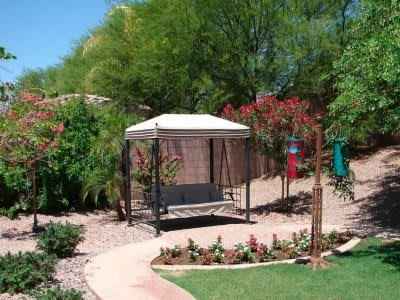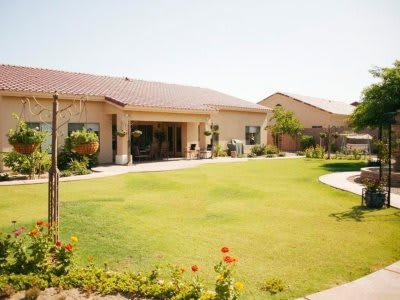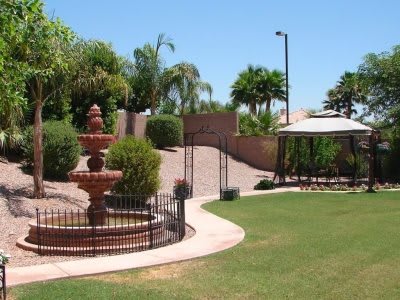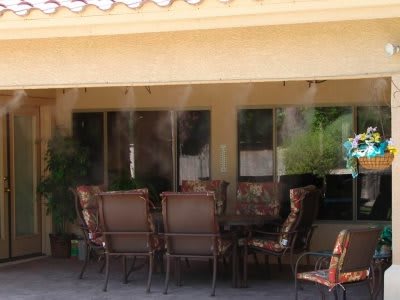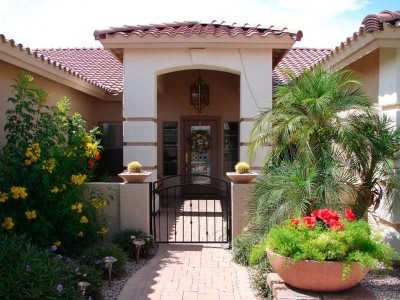
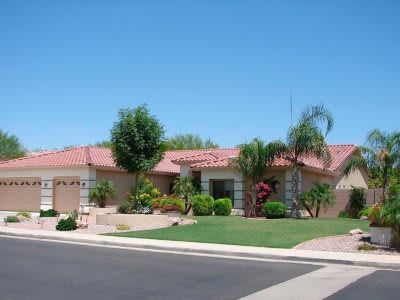
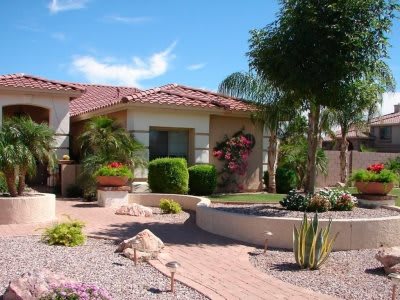
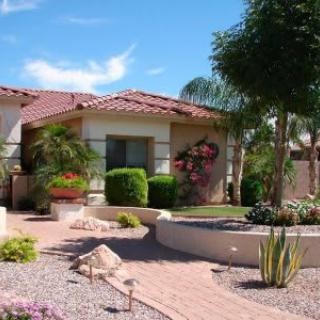
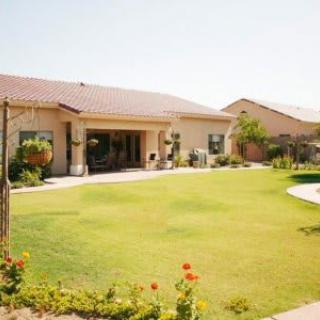
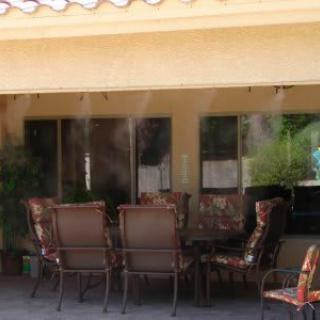
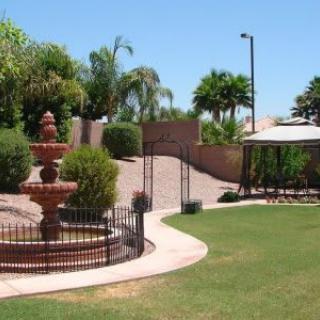
13606 W. Vermont Ave., Litchfield Park, AZ 85340
To contact a resident: (623) 374-4714
For more information about senior living options: (866) 208-4318
Villa Serene II Costs & Pricing
Villa Serene II offers competitive pricing for its accommodations, with monthly costs for semi-private rooms set at $3,000 and private rooms at $3,800. These rates are slightly above the average for Maricopa County, where semi-private rooms typically cost around $2,801 and private rooms approximately $3,318. When compared to overall state averages in Arizona - $2,820 for semi-private and $3,345 for private - Villa Serene II positions itself as a premium option within the market. This pricing reflects not only the quality of care and amenities provided but also the serene environment that residents can expect while residing there.
| Floor plans | Villa Serene II | Maricopa County | Arizona |
|---|---|---|---|
| Semi-Private | $3,000 | $2,801 | $2,820 |
| Private | $3,800 | $3,318 | $3,345 |
Memory care communities with a similar price nearby
-
About the same
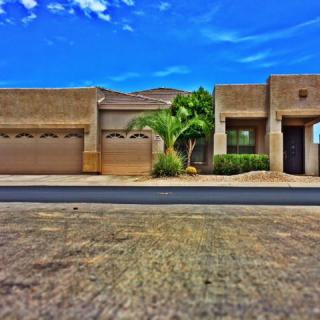
Desert Garden Senior Living
$3,000 to $3,500 / month15.4 miles away -
from -$500 / mo
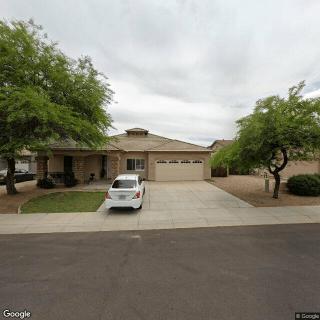
Anc Assisted Living Homes I
$2,500 to $3,500 / month9.7 miles away -
from -$300 / mo
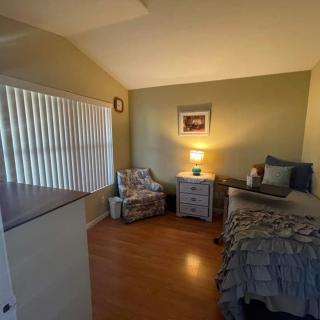
Caring Hearts Senior Care
$2,700 to $3,500 / month9.2 miles away -
About the same
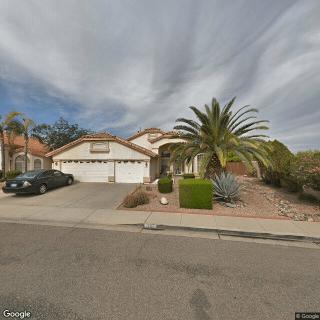
Horizon Assisted Living
$3,000 / month12.5 miles away -
from -$500 / mo
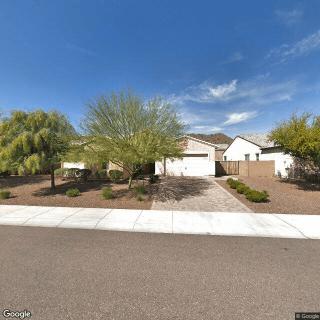
Northlands Assisted Living Home
$2,500 / month15.3 miles away
Overall Review of Villa Serene II
Pros
 The guests had a very good experience.
- They were kind and welcoming.
- Their loved one was happy to know where he was.
- They would recommend Villa Serene to others.
- The home was lovely.
Review
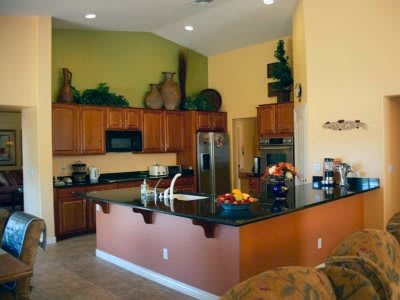
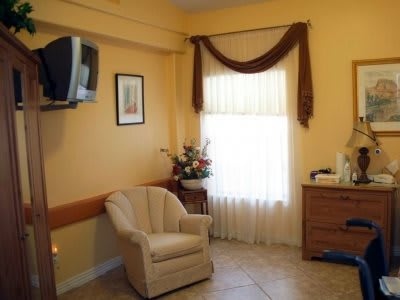
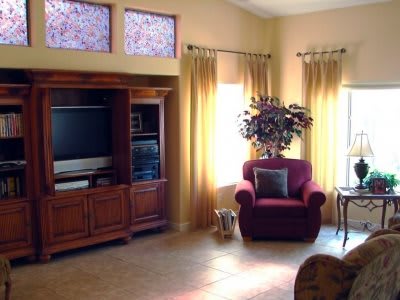
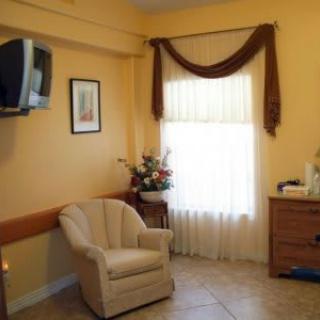
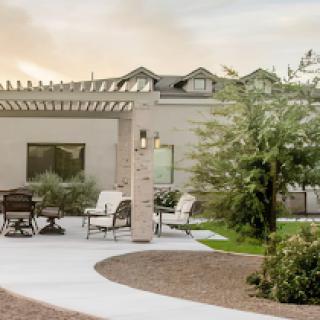
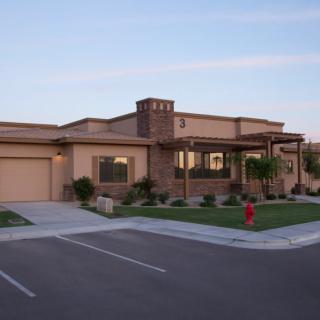
Villa Serene II in Litchfield Park is best suited for seniors who want a small, home-like setting where staff warmth and a calm, welcoming atmosphere are defining features. Families prioritizing personal attention over corporate polish will find comfort in the way caregivers are described as kind and inviting, with residents quickly feeling oriented to their new surroundings. The impression that a loved one became aware of where he was and settled into the space signals a care environment that minimizes relocation anxiety and supports a smoother transition into daily life.
That said, the community may not fit every family need. The current feedback set is limited, consisting of one strongly positive experience and one more mixed rating, which points to variability in experience. For families evaluating options, this should be weighed against communities offering broader activity calendars, more extensive medical oversight, or specialized memory-support services. If memory care, hospital-grade nursing coordination, or a large campus with structured programming are important, alternatives deserve to be compared carefully.
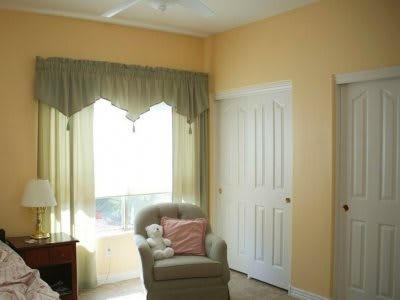
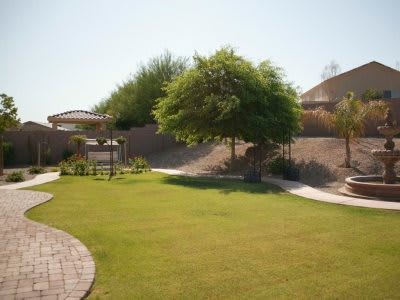
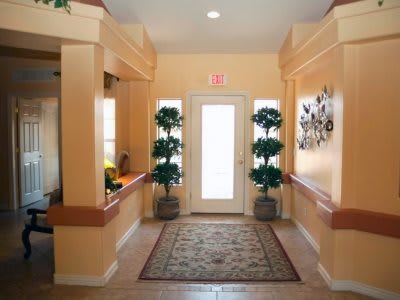
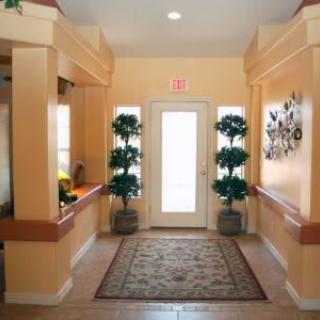
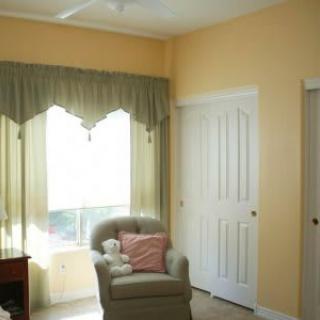
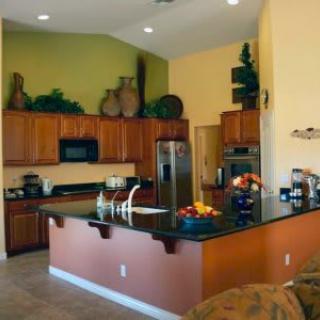
On the upside, the strongest pros are relational warmth and a genuine sense of welcome. Staff described as kind and welcoming create a foundation where trust and cooperation with care routines can flourish. A homey, well-kept interior further reinforces comfort, helping residents feel at ease and invested in their daily routines. In practice, this combination often translates into better mood, easier participation in activities, and more consistent cooperation with staff-led plans.
Still, the limited public detail leaves several practical questions unanswered. There is no explicit information about staff-to-resident ratios, the full range of medical services on-site, or how care levels adjust as needs evolve. Potential gaps could include the breadth and cadence of programming, availability of memory-care supports, meal variety, and emergency responsiveness. Price transparency and fee structure are not evident from the available feedback, which complicates value comparisons for families weighing budgets against needs.
Those strengths can offset some drawbacks for residents who prize an intimate setting with strong caregiver relationships. A warm welcome and a calm, homelike environment help ease relocation stress and can support steady engagement in daily activities, particularly for seniors who respond well to personal attention. Yet for families facing ongoing medical or memory-care requirements, or those seeking expansive programming and assurances of robust clinical oversight, the absence of detailed service information means cautious diligence is essential before committing.
The practical path forward is clear. Schedule a guided tour focused on care specifics, pressing for details about staffing levels, shift patterns, medical oversight, and accessibility to on-site health services. Request references from current families or residents to corroborate the day-to-day experience and ask for a transparent comparison of costs, inclusions, and what happens if needs intensify. When benchmarking Villa Serene II against nearby options, prioritize care intensity, memory-support capabilities, meal quality, activity variety, and overall value. For families seeking a warm, intimate setting with trusted caregiver relationships at the center of daily life, Villa Serene II emerges as a compelling choice; for those who require more extensive clinical oversight or broader programming, it is prudent to explore other communities with a stronger emphasis on those elements.
 Board and Care Home
 Memory Care
 Activities off-site
 Devotional services off-site
 Indoor common areas
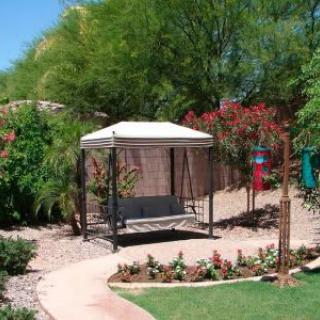
 Outdoor common areas
 Private
 Private bathrooms
 Respite or short term stays offered
 Wheelchair accessible showers
 Phoenix Sky Harbor International (21 miles away)
 Ambulatory care
 Diabetic care
 High acuity care
 Incontinence care
 Medication management
 Meals provided

 8 Important Indicators That Memory Care May Be Necessary
 Delving into the Inner World of Dementia: Insights into Thoughts and Awareness
 Five Subtle Dementia Indicators to Observe: An In-Depth Guide to Understanding “Does My Mom Have Dementia?”