
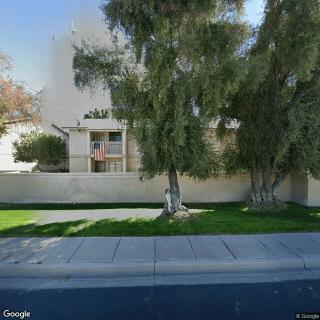
13237 W Colter Street, Litchfield Park, AZ 85340
To contact a resident: (623) 225-1282
For more information about senior living options: (866) 208-4318
Always Comfort Care Costs & Pricing
Always Comfort Care offers competitive pricing for its services, with monthly costs that are notably lower than both Maricopa County and the state of Arizona. For a semi-private room, residents can expect to pay $2,300, which is significantly less than the county average of $2,801 and the state average of $2,820. Additionally, for those seeking more privacy in a private room setting, Always Comfort Care's rate of $3,000 remains more affordable compared to the county's $3,318 and the state's $3,345. This pricing structure reflects a commitment to providing quality care while ensuring affordability for families and individuals seeking supportive living options.
| Floor plans | Always Comfort Care | Maricopa County | Arizona |
|---|---|---|---|
| Semi-Private | $2,300 | $2,801 | $2,820 |
| Private | $3,000 | $3,318 | $3,345 |
Senior living communities with a similar price nearby
-
from -$300 / mo
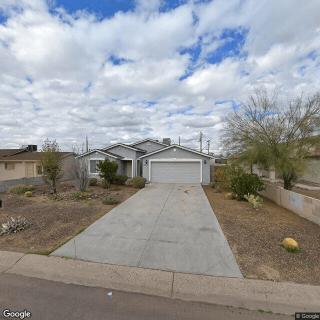
Garcia's Assisted Living Home LLC
$2,000 / month19.9 miles away -
from +$100 / mo
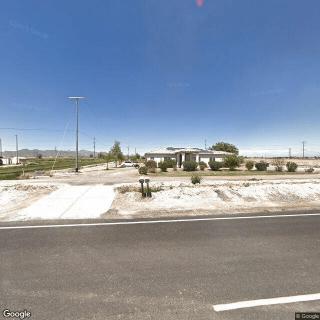
Jolley Family Assisted Living Home II
$2,400 to $3,875 / month11.2 miles away -
from +$200 / mo
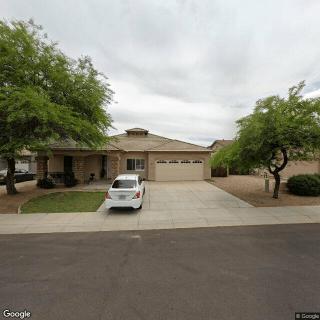
Anc Assisted Living Homes I
$2,500 to $3,500 / month10.0 miles away -
from -$300 / mo
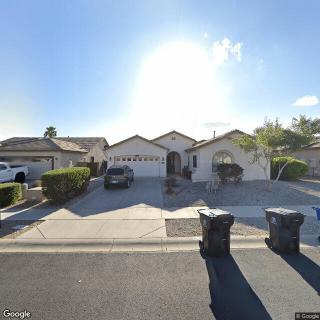
All Stars Assisted Living
$2,000 to $2,500 / month6.6 miles away -
from +$100 / mo

Arabian Views Assisted Living One
$2,400 to $3,200 / month23.8 miles away
Overall Review of Always Comfort Care
Pros
 The house was very nice.
- The reviewer loved this place.
- The reviewer believed their family would love it as well.
Cons
 The house seemed too crowded.
- The rooms seemed crowded.
Review
Always Comfort Care in Litchfield Park is best suited for seniors who are comfortable sharing living space and who prize a warm, home-like atmosphere over private, hotel-style comfort. The property presents as a tidy, house-like setting rather than a clinical when-you-enter facility, and that residential feel appeals to families seeking familiarity and social connection for a loved one who does not require private quarters to thrive. In this environment, daily life tends to feel neighborly and informal, which can be a strong fit for residents who value companionship and a sense of being part of a small household more than splurges of luxury. The arrangement that defines the community, two residents per room, becomes a core feature to assess upfront for anyone considering a move.
Those who should strongly consider alternatives are families prioritizing privacy, quiet, or predictable personal space. If a private room is non-negotiable, or if a resident benefits from a more secluded, less crowded living pace, other communities are likely to offer better alignment. Similarly, if a desire exists for a more expansive campus, higher-end amenities, or a setting that minimizes shared living dynamics, it would be prudent to explore options with single-occupancy accommodations and larger common areas. For individuals who require a higher degree of structured programming or specialized care beyond a shared-room model, continue the search rather than locking in a decision based solely on the warm, home-like vibe.
The most credible upside is the immediate warmth of the home environment. Review notes repeatedly point to a pleasant, well-kept house with a vibe that leans toward family life rather than institutional formality. This charm can offset some of the privacy trade-offs for residents who enjoy easy companionship, regular social interaction, and a low-sheen setting where staff presence feels accessible rather than impersonal. Yet the two-per-room model remains a tangible constraint; comfort in shared spaces hinges on compatible roommates and a shared tolerance for limited personal space. When the crowding is moderated by well-managed common areas and thoughtful roommate pairings, the positives can outweigh the drawbacks for the right resident and family.
To capitalize on the opportunity while mitigating risk, prospective families should prioritize a candid tour focused on room configurations and daily rhythms. Confirm whether private rooms are available and, if not, what alternatives exist to preserve dignity and privacy, such as well-placed screens, quiet corners, or clearly defined personal storage. Observe how common areas are organized: do lounge spaces feel crowded or can residents retreat to quieter nooks during peak times? Inquire about dining times, activity scheduling, and how staff facilitate private conversations and family visits. The right facility should pair the homey atmosphere with practical safeguards for personal space and a clear plan to manage the shared-room dynamic without sacrificing safety and comfort.
Alternatives are worth weighing for families who cannot accept the inevitability of shared rooms. Communities offering private accommodations, or ones with smaller, more intimate footprints, tend to deliver better privacy and a calmer daily cadence. If memory care, mobility support, or higher staffing ratios are essential, verify that the chosen option can meet those needs with visible, consistent care routines. In short, Always Comfort Care presents a compelling, heartening option for a certain subset of seniors and families, those who can embrace companionship as a daily priority without demanding absolute seclusion. For others, the smart play is to compare with options that foreground privacy, quiet, and space per resident as non-negotiables.
Bottom line: this community excels for seniors who welcome a homelike, sociable environment and can tolerate shared rooms without compromising essential dignity and daily comfort. It is less well-suited for those who insist on private living space, peaceful solitude, or a highly private daily schedule. Families should approach a visit with a clear checklist: confirm room options, assess crowding in practice, and evaluate whether the schedule and spaces truly support the resident’s routines and privacy needs. If the answers align with the resident’s preferences and the family’s expectations, Always Comfort Care deserves serious consideration. If not, continue the search with a sharper focus on private rooms and quieter, more private living environments.
 Board and Care Home
 Activities off-site
 Bath tubs
 Indoor common areas
 Outdoor common areas
 Private
 Private bathrooms
 Respite or short term stays offered
 Swimming pool / hot tub
 Wheelchair accessible showers
 Phoenix Sky Harbor International (20 miles away)
 Ambulatory care
 Diabetic care
 High acuity care
 Incontinence care
 Meals provided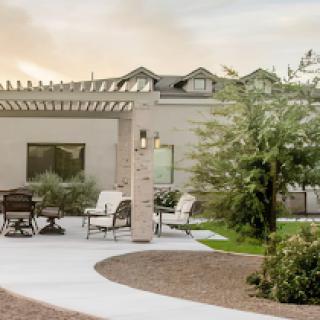


 Navigating the Financial Road to Nursing Home Care: In-Depth Guidance and Resources
 Supportive Employee Benefits That Help Caregivers Attain Better Work-Life Harmony
 Top Cars for Senior Drivers and Essential Safety Innovations