
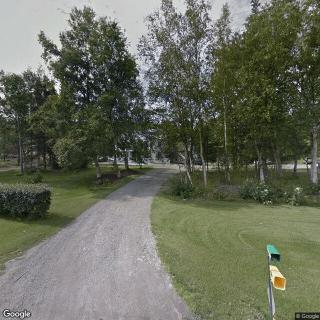
6951 Shore Place, Anchorage, AK 99507
To contact a resident: (907) 227-3364
For more information about senior living options: (866) 208-4318

My Father's Home Assisted Living Costs & Pricing
My Father's Home Assisted Living offers a private room at a monthly cost of $5,000, which positions it slightly above the average rates in both Anchorage Municipality and the broader state of Alaska. In comparison, the typical monthly fee for similar accommodations in Anchorage is approximately $4,831, while the state average stands at about $4,977. This pricing may reflect My Father's Home's commitment to providing personalized care and quality services that cater to residents' needs. While it is essential for potential residents and their families to consider budgetary constraints, the higher rate could also indicate a premium service offering that may include enhanced amenities or specialized assistance.
| Floor plans | My Father's Home Assisted Living | Anchorage Municipality | Alaska |
|---|---|---|---|
| Private | $5,000 | $4,831 | $4,977 |
Memory care communities with a similar price nearby
-
About the same
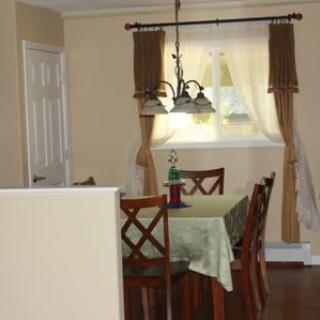
Jewel Lake Assisted Living Home
$5,000 / month5.7 miles away -
About the same
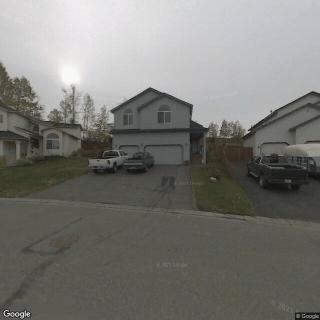
St Anne Assisted Living Home
$5,000 / month6.0 miles away -
About the same
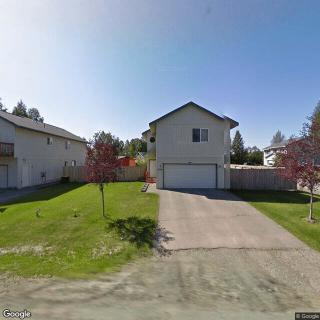
St. Anne Assisted Living Home II
$5,000 to $6,000 / month4.6 miles away
Overall Review of My Father's Home Assisted Living
Pros
 They are very accommodating and friendly, like family.
- The staff are attentive and very nice.
- The staff are extremely caring and professional.
- The facility is clean, comfortable, and feels like home.
- The home exceeds expectations and is highly recommended for loved ones needing supportive care.
- The caregivers are kind and compassionate, providing care with love and respect.
- The home is well run, with wonderful staff and clear communication about needs and concerns.
Review
My Father's Home Assisted Living in Anchorage is best suited for seniors who want a warm, home-like setting where caregiving feels personal, constant, and intimately attentive. The reviews repeatedly describe a staff that feels like family, with an owner who genuinely cares for the well-being of the home and its residents. This is not a place aiming to feel clinical or impersonal; it is a small, hands-on environment where daily routines are guided by compassionate, professional caregivers who treat residents with dignity and respect. For families seeking to minimize the sense of institutional life and maximize familiar comforts, this community is naturally compelling.
Families should consider alternatives if the priority is robust medical acuity management, extensive on-site rehabilitation, or a large campus with diverse social programming. The small-house model excels at personalized attention but naturally operates with a more limited footprint than larger facilities. If a loved one requires frequent on-site specialists, advanced medical equipment, or a wide variety of structured activities across multiple settings each day, a bigger, more formalized community may deliver better fit. This is not a critique so much as a reality of the inherent design: intimate care can come at the expense of breadth.
The strongest pros are precisely what keep families confident in the daily experience: attentive, compassionate staff who approach care as meaningful, not transactional; a home environment that feels safe and clean; and reliable communication with families about needs and changes. Several reviews emphasize how well staff manage medications and daily support, with caregivers who listen, respond promptly, and provide care with genuine warmth. The owner’s hands-on involvement and the home’s pride in cleanliness and orderbookend a sense of stability that many families associate with a trusted, long-term living arrangement.
Those same realities illuminate the most meaningful potential drawbacks. The home’s intimate scale can translate into fewer on-site capabilities than larger communities, fewer medical specialists, fewer on-site enrichment programs, and a travel plan that may be less flexible for highly complex schedules. Yet here the documented strengths offset these gaps: a tight-knit team that knows residents well, clear and proactive family communication, and a setting that reduces confusion or distress through consistent routines and a familiar atmosphere. In practice, the personalized approach often yields better day-to-day comfort and less stress for both resident and family, which can be more valuable than a broader menu of services.
The balance tips decisively toward choosing this community when a dignified, home-centered lifestyle is the priority and the resident benefits from steady, individualized care. The staff’s ability to adapt to short-notice admissions and to manage a resident’s medications and daily needs with patience and competence translates into meaningful peace of mind for families. The clean, welcoming environment reinforces a sense of safety, while the family-like atmosphere helps residents feel truly at home, an outcome many families chase but seldom achieve in larger settings.
In the end, this Anchorage home strongly serves seniors who want intimate, compassionate care wrapped in a cozy, home-like shell. Those considering it should weigh the value of highly personalized attention and consistent family communication against the potential need for more expansive medical resources or a broader activity calendar. For families prioritizing warmth, dignity, and a setting that mirrors home life, My Father’s Home Assisted Living is a compelling, well-regarded option. A single less-favored review aside, the community earns its high marks through demonstrated care, reliable attentiveness, and the everyday comfort that turns care into companionship.
 Board and Care Home
 Memory Care
 Private
 Private bathrooms
 Ted Stevens Anchorage International (4 miles away)
 High acuity care


 Engaging Memory Care Activities That Enhance Quality of Life
 When to Transition from Assisted Living to Memory Care: Key Indicators, Steps, and Finding the Right Community
 Understanding the Distinctions: Assisted Living and Memory Care Explained