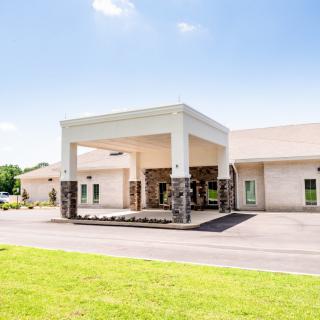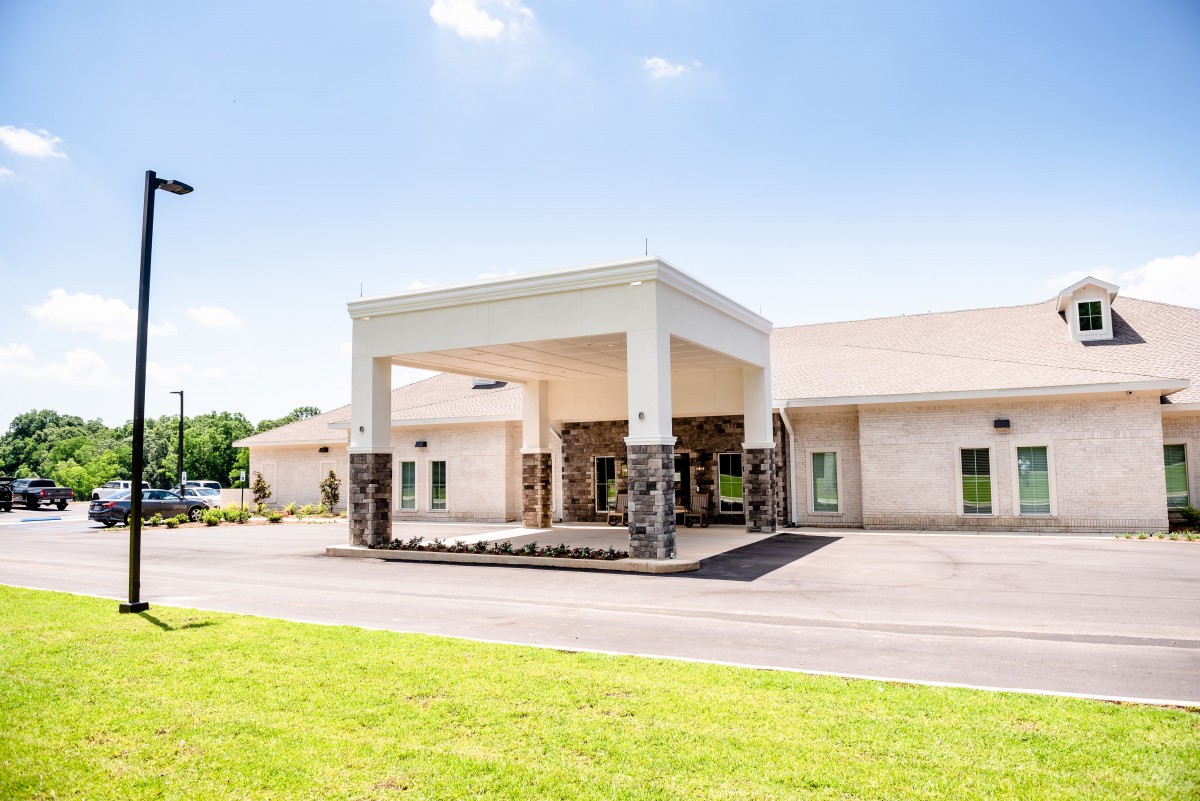
5461 Kooiman Rd, Mobile, AL 36582
To contact a resident: (251) 287-6300
For more information about senior living options: (866) 208-4318
Carillon Oaks Mobile Costs & Pricing
At Carillon Oaks Mobile, the monthly cost for a studio apartment stands at $4,950, which reflects a premium compared to both the county and state averages. In Mobile County, the average cost is significantly lower, at $3,061, while across Alabama, the average is approximately $3,279. This discrepancy underscores Carillon Oaks Mobile's positioning as a higher-end option that likely offers enhanced amenities and services tailored to its residents' needs. As prospective residents weigh their options, it's essential to consider these costs in relation to the value provided by the community and its offerings.
| Floor plans | Carillon Oaks Mobile | Mobile County | Alabama |
|---|---|---|---|
| Studio | $4,950 | $3,061 | $3,279 |
Memory care communities with a similar price nearby
-
from -$983 / mo
The Brennity at Daphne Assisted Living & Memory Care
$3,967 to $4,732 / month20.3 miles away -
from -$800 / mo
John McClure Snook Regional Center
$4,150 / month19.5 miles away
Overall Review of Carillon Oaks Mobile
Pros
 The family is pleased with Carillon Oaks.
 - The staff are exceptional—attentive, compassionate, and highly trained—supporting residents with daily routines.
- The team adapts to residents' evolving needs with dignity and respect.
- Carillon Oaks provides four years of compassionate, heart-centered care.
- A resident has had a wonderful experience at Carillon Oaks.
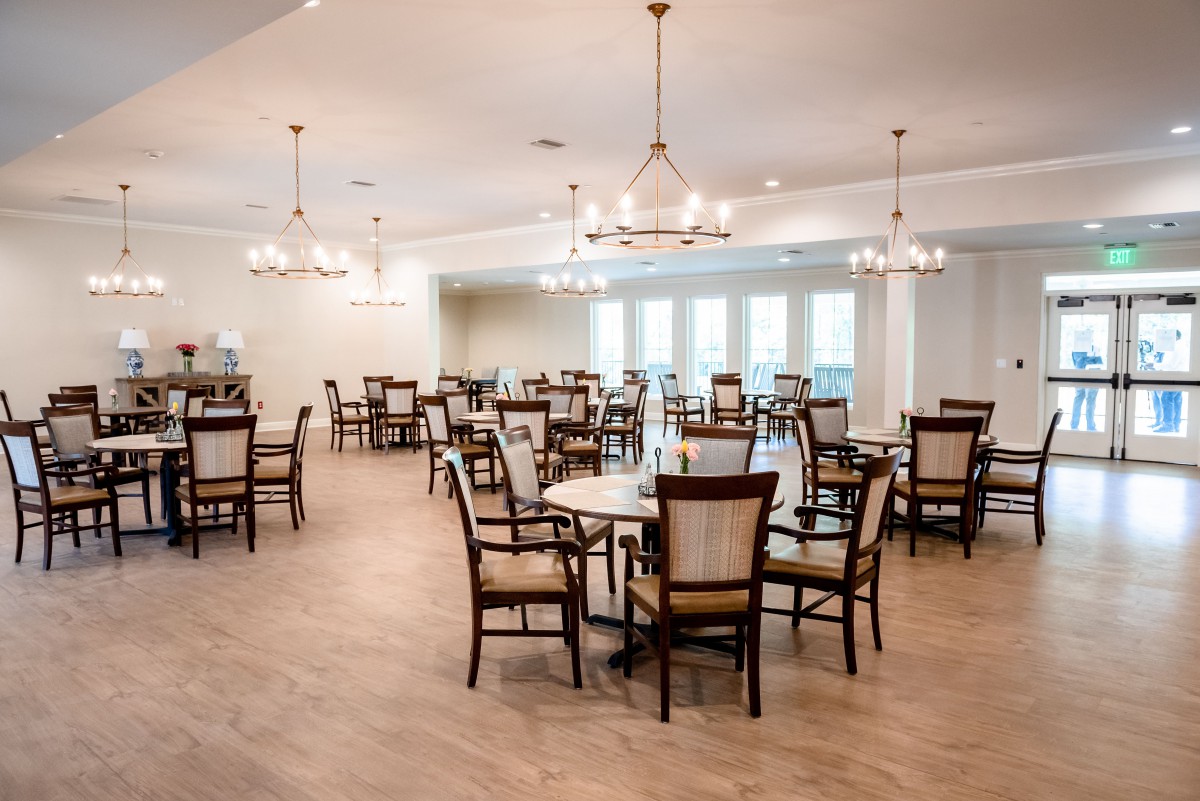
- The facility is clean and meals are delicious, with consistently attentive staff.
- Caregivers are warm and dedicated, making residents feel loved, valued, and engaged.
- Administrative staff are approachable, organized, and genuinely invested in residents' well-being.
Cons
 She is not as active as she once was due to the progression of her dementia.
- The video of the accident was erased after only two days, which should not be the norm.
Review
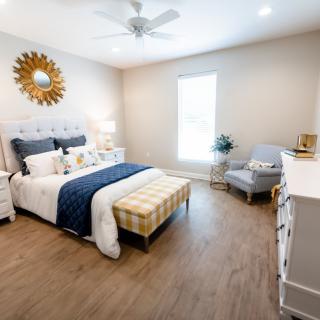
Carillon Oaks Mobile is best suited for families seeking a dementia- or memory-care focused setting that feels like a small, home-like community where residents receive highly personalized attention. The ongoing success of residents in memory care, including a long-running four-year trajectory for a loved one, shows a model built on deep staff involvement and daily routines that respect dignity. The staff are repeatedly described as exceptional, attentive, compassionate, and highly trained, providing help with bathing, dressing, and medication management in a setting that prioritizes safety and comfort. The result is consistent, loving care in a secure environment, with administrators and caregivers who adapt to evolving needs without sacrificing the sense of belonging and familiarity that families crave.
Who may want alternatives? Families whose priorities skew toward larger campuses with broader medical resources or more expansive, varied programming may find Carillon Oaks less suited to those expectations. For residents requiring frequent medical interventions or access to a wider network of specialists, a bigger community with more on-site services could feel more seamless. While the memory-care program is widely praised for engagement and individualized attention, the smaller footprint inherently limits some of the scale and ancillary amenities that larger operators routinely offer. A single note of concern about incident-record handling, a video of an accident reportedly erased after two days, serves as a caution to prospective families to confirm transparency and robust communication channels; it does not, however, negate the overwhelmingly positive operating culture described elsewhere.
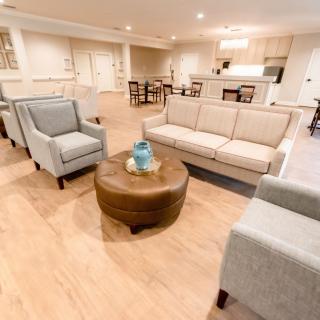
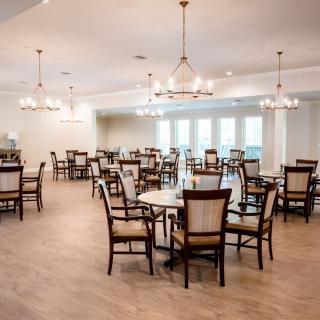
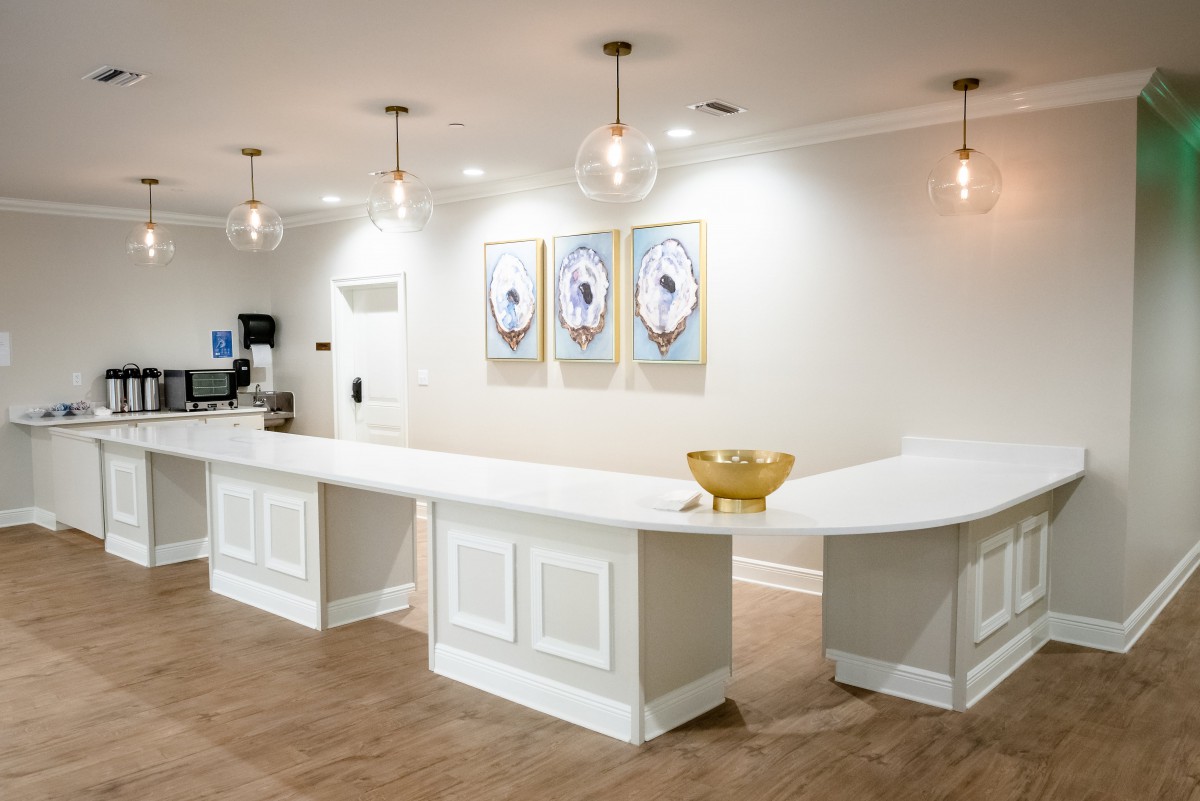
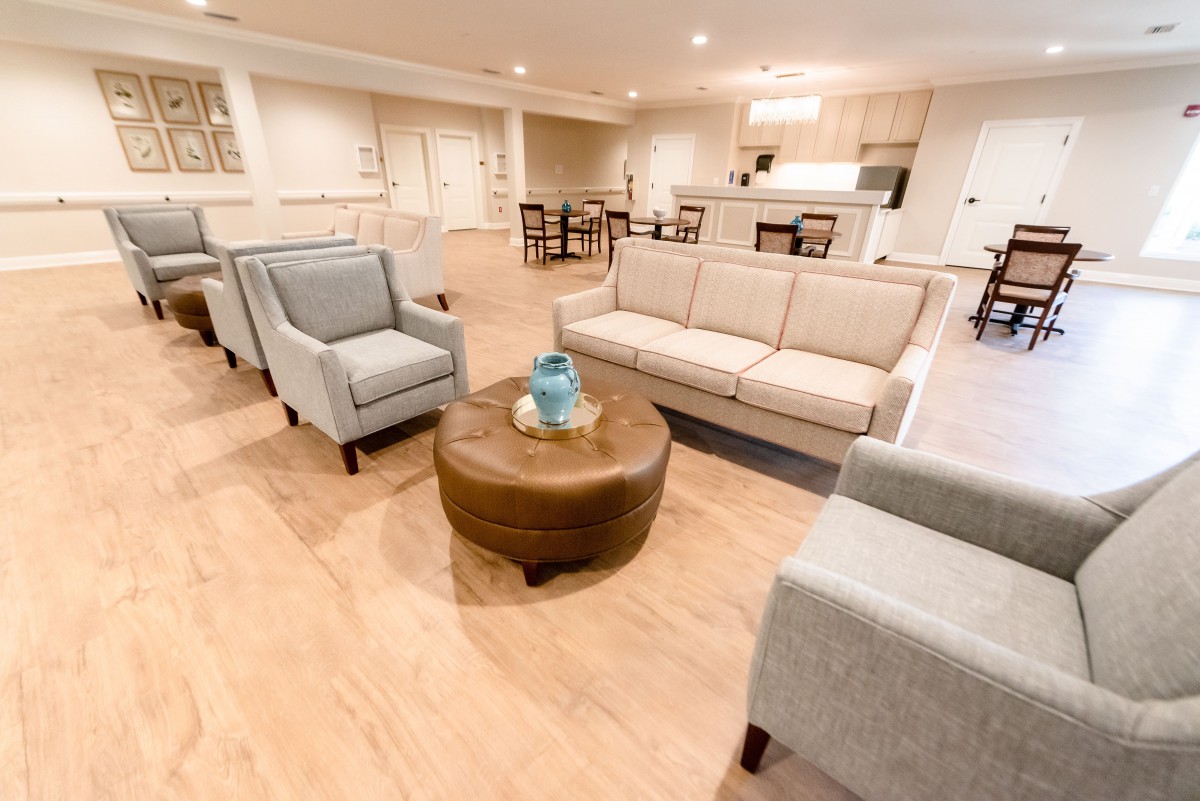
The strongest offset to the modest size is the people who staff Carillon Oaks. Daily interactions are anchored by patient, one-on-one attention that many families describe as transformative for their loved ones. Residents benefit from a warm, home-like atmosphere where caregivers know preferences, histories, and daily rhythms, turning activities into meaningful engagement rather than generic routines. Meals receive consistent praise for quality, and the environment emphasizes cleanliness, safety, and a sense of welcome. For families, the peace of mind that comes from knowing a loved one is not merely supervised but genuinely valued is the most compelling pro: it often tempers the limits of a smaller campus with the assurance that care is heartfelt and dependable.
Memory care at Carillon Oaks stands out as a core strength. The care team is routinely described as compassionate and patient, with staff who “go above and beyond” to keep residents engaged through activities tailored to individual interests, music, arts, and social outings are highlighted as ongoing, purposeful experiences. Administrative personnel likewise earn trust through accessibility, transparency, and proactive family communication. The overall tone across reviews is that the community is not only a place to reside but a space where residents feel cherished and involved. That culture of warmth can be as important as clinical metrics when families weigh options for dementia care, especially for those who fear isolation or a loss of personhood in memory decline.
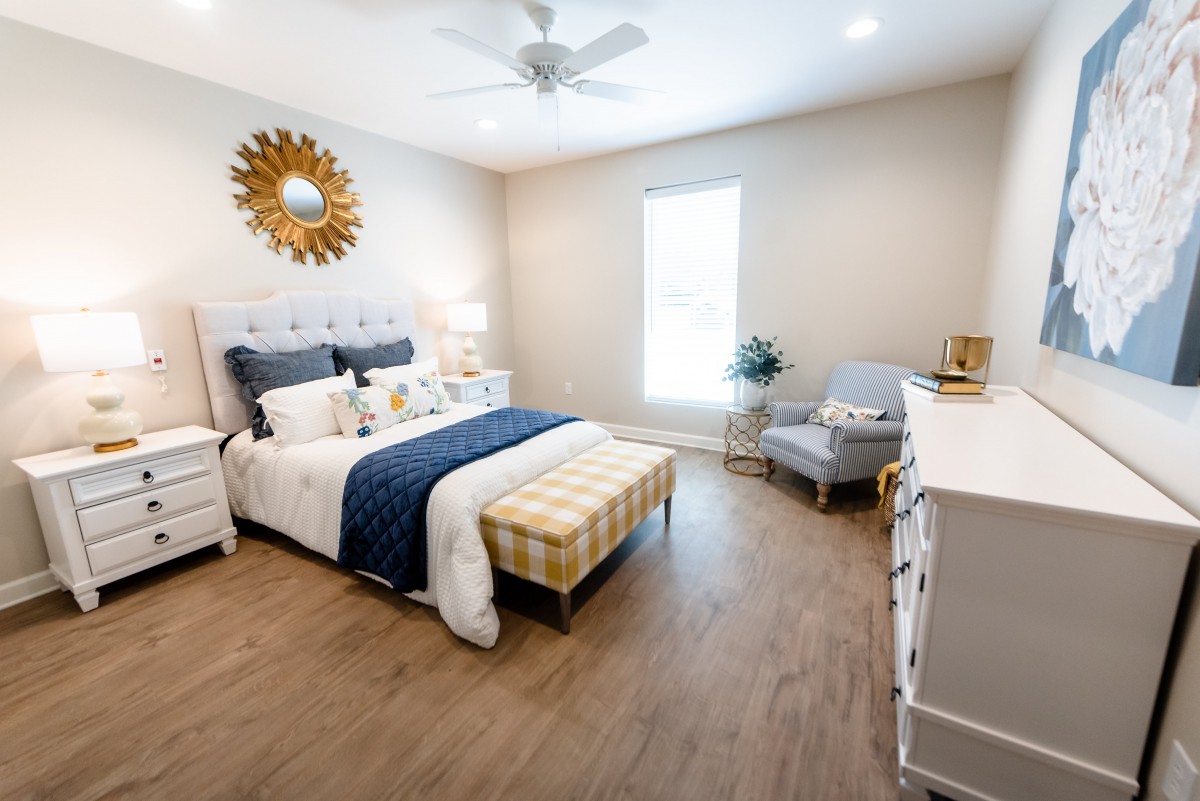
Practical considerations for families balancing choice include recognizing the upside of the smaller setting against the realities of capacity. Carillon Oaks delivers a consistently clean, well-maintained environment with a sense of community that encourages interaction and regular updates to families. Yet, for some, the intimacy may translate into fewer on-site programs or amenities than a larger campus could offer, and the limited (but evidently effective) medical reach may require contingency planning for escalating needs. Prospective residents should probe caregiver ratios, demand examples of daily schedules, and request to observe how the team responds to a resident showing new or changing symptoms. The testimonials about staff reliability and the “home away from home” feeling provide a solid framework for how to evaluate fit during tours.
In the end, Carillon Oaks Mobile emerges as a strong, practical option for families prioritizing dementia-care excellence delivered with humanity and a home-like ambiance. It is especially well-suited for residents who thrive on close-knit staff relationships, consistent routines, and meaningful daily engagement within a clean, secure environment. For families seeking vast, hospital-grade medical resources, expansive social programming, or a bustling, large-scale campus, alternatives may be warranted. The decisive factor rests on whether the priority is intimate, personalized care and ongoing emotional connection, or access to a broader continuum of medical amenities. Either way, a deliberate visit and frank conversations with caregiving teams will reveal how well Carillon Oaks aligns with the specific needs and values of the loved one.
 Memory Care
 Activities on-site
 Air-conditioning
 Beautician on-site
 Cable or satellite TV
 Ground floor units
 Handicap accessible
 Indoor common areas
 Outdoor common areas
 Respite or short term stays offered
 Wheelchair accessible showers
 Wi-Fi/high-speed internet available
 Mobile Regional (12 miles away)
 Ambulatory care
 Diabetic care
 Incontinence care
 Medication management
 Anytime dining
 Art classes
 BBQs or picnics
 Birthday parties
 Cooking classes
 Day trips and outings
 Gardening club
 Light therapy programs
 Live dance or theater performances
 Live musical performances
 Stretching classes
 Trivia games

 Understanding the Distinctions: Assisted Living and Memory Care Explained
 How to Communicate with a Loved One Living with Dementia: 10 Supportive Strategies
 Comprehensive Guide to VA Nursing Homes: A Crucial Long-Term Care Resource for Veterans