
6801 Three Notch Rd, Mobile, AL 36619
To contact a resident: (251) 786-2820
For more information about senior living options: (866) 208-4318
Our Southern Home - Three Notch Costs & Pricing
At Our Southern Home - Three Notch, the monthly cost for a private room is $1,777, which presents a significantly more affordable option compared to the average costs in Mobile County at $3,576 and across Alabama at $4,158. This competitive pricing not only makes it an attractive choice for individuals seeking quality care but also reflects a commitment to providing accessible services within the community. By offering such a reasonable rate, Our Southern Home - Three Notch ensures that residents receive essential support and comfort without the financial burden commonly associated with similar facilities in the region.
| Floor plans | Our Southern Home - Three Notch | Mobile County | Alabama |
|---|---|---|---|
| Private | $1,777 | $3,576 | $4,158 |
Overall Review of Our Southern Home - Three Notch
Pros
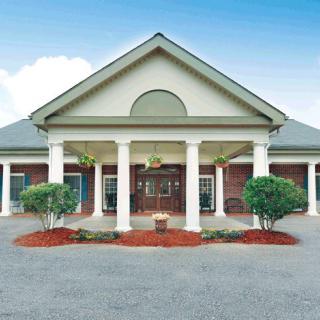
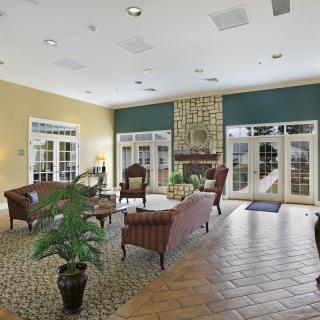
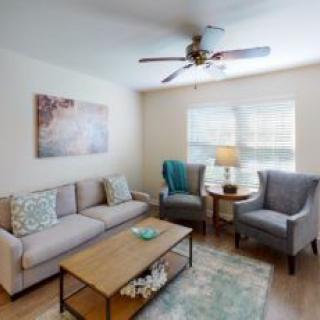
 The facility has a home-like atmosphere instead of a fancy setting.
- The communal living and dining areas help residents get out among others.
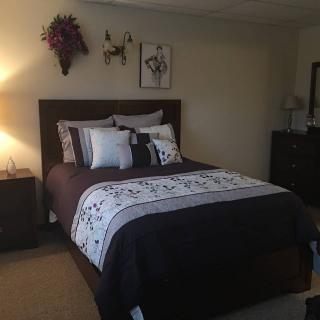
- Residents have roomy private rooms with private bathrooms and familiar furniture, easing the transition.
- The activities are consistently good and improve every year.
- The staff are wonderful, patient, and genuinely caring.
- Residents feel comfortable and safe living there and consider it their home.
- The place proved to be a great fit for her mom.
- Ms. Bosh from A Place for Mom was great.
Cons
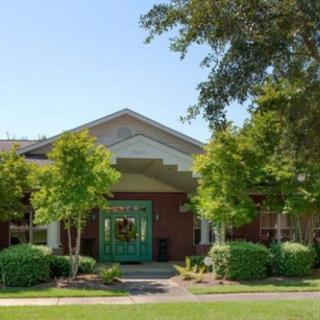
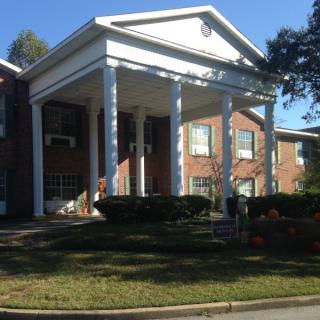
 The facility is in need of sprucing up.
- The ADPH reports for the facility were not favorable.
- The reviewer was not impressed by Carrington.
- The place seemed to have serious cleanliness issues, including a noticeable odor.
- The dining room had dirty dishes on the tables.
- None of the residents interviewed had anything positive to say about the place.
Review
This community is best for seniors who want a genuinely home-like setting with steady, personal care delivered by staff who treat daily living as a relationship, not a performance. It suits residents who value familiar comforts and routine over a showroom ambiance. Residents can bring their own furniture to a large, private-room layout that accommodates a bed, loveseat, and recliner, helping newcomers settle without feeling displaced. The common spaces are designed to pull people into social activity, reducing isolation by placing dining and living areas at the heart of daily life. For those with memory loss or frailty, the predictable, patient approach can translate into real confidence and a sense of safety within a friendly, unpretentious environment.
The strongest positives center on caregiver warmth and everyday practicality. Staff are described as true, patient, and caring, with a genuine commitment to meeting individual needs. Activities stay aligned with resident capability and grow more engaging over time, which helps residents stay connected and stimulated. Families consistently praise the way care teams interact with their loved ones and coordinate with them, creating a sense that the facility truly operates as a caring community rather than a sterile institution. The home-like atmosphere reduces anxiety during transitions, and residents often express a sense of belonging. These strengths make the community particularly compelling for families prioritizing relational care and day-to-day dignity.
Yet, serious concerns surface around cleanliness and facility upkeep. Several observers mention noticeable odor upon entry and visible cleanliness lapses, such as dishes left on tables in the dining area. Reviews describe the environment as needing sprucing up and cite unfavorable state-oversight impressions. These factors are not minor aesthetic quibbles; they touch the core trust that families rely on when choosing a place for a loved one. In short, the care staff’s warmth can mitigate some worries, but environmental cleanliness and regulatory posture are real, tangible obstacles to long-term confidence for many potential residents and their families.
The key pros, caring staff, meaningful activities, and a home-like routine, partly offset the main drawbacks by delivering daily comfort and engagement that are hard to replace in a more polished setting. For families prioritizing connection, safety, and a sense of belonging, these benefits may outweigh cosmetic or regulatory concerns, particularly if tours confirm consistent, compassionate care and staff engagement. However, the offset is not universal. When cleanliness issues or mixed regulator signals come to the fore, the decision hinges on how much weight is placed on interpersonal care versus environmental and compliance signals. The reality is that strong caregiving can compensate for some flaws, but it cannot erase those red flags for families with stringent cleanliness standards.
Alternatives are worth considering for anyone prioritizing immaculate environments or a demonstrably stronger regulatory track record. Look for communities with consistently positive sanitation reviews, recent favorable state survey results, and no persistent odor or cleanliness red flags. For residents whose needs tilt toward more specialized memory-care programming within a supportive setting, exploring options with explicit memory-care emphasis or larger teams might be prudent. If the goal is a facility that blends home-like warmth with a pristine environment and consistently documented regulatory compliance, this option may fall short and another choice could better align with expectations and peace of mind.
When evaluating this community, approach with a structured, evidence-based plan. Request the latest state survey and any corrective action plans, and review how current staff-to-resident ratios are managed. Schedule a tour focused on cleanliness and dining sanitation, and interview multiple residents about day-to-day routines and perceived safety. Probe the facility leadership about how maintenance and housekeeping priorities are addressed, and seek references from families with residents at similar care levels. Finally, compare the pace and quality of activities, the availability of private space for families, and the responsiveness of staff to concerns. If the conversation with leadership and direct tours align with a high level of compassionate care and a cleaner, more orderly environment, the fit strengthens; if not, it’s prudent to identify alternatives that better match essential standards of comfort, hygiene, and regulatory confidence.
 Assisted Living
 Memory Care
 Activities on-site
 Devotional services off-site
 Indoor common areas
 Mobile Regional (8 miles away)
 Ambulatory care
 Diabetic care
 Meals provided


 Assisted Living and Memory Care: Understanding Their Core Differences
 Choosing the Right Senior Care: A Detailed Exploration of Assisted Living and Nursing Homes
 Safeguarding Your Memory Through the Golden Years: Eight Ways to Preserve Cognitive Health