
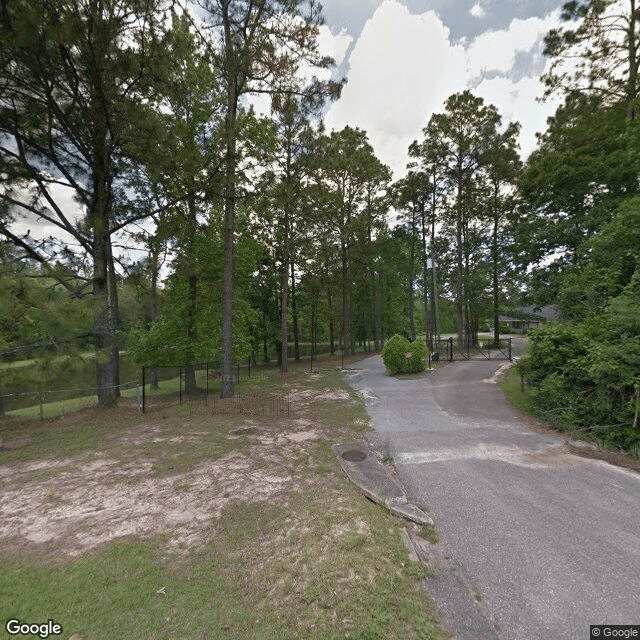
3543 Country Wood Ct, Mobile, AL 36619
To contact a resident: (334) 633-7996
For more information about senior living options: (866) 208-4318
Overall Review of Lakefront Assisted Living
Pros
 The staff at Knollwood Pointe pay attention to detail and take time to ensure residents are well cared for.
- There is constant communication to ensure residents receive exactly what they need.
- Knollwood Pointe’s team is accommodating, supportive, friendly, and attentive, with a high staff-to-resident ratio.
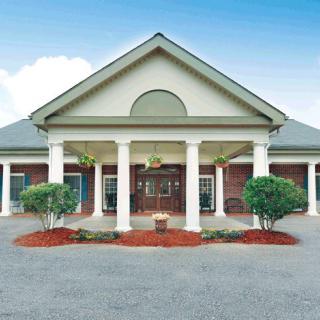
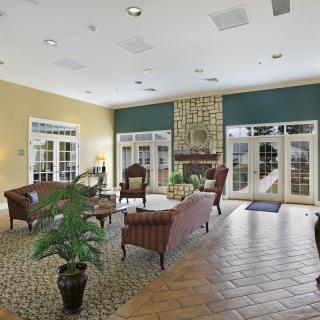
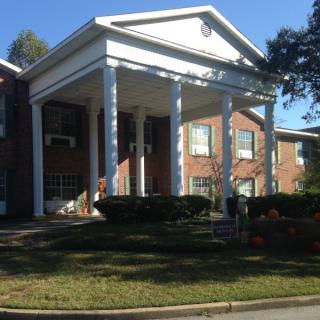
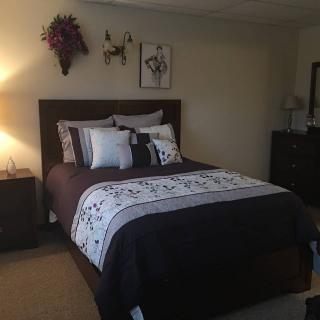
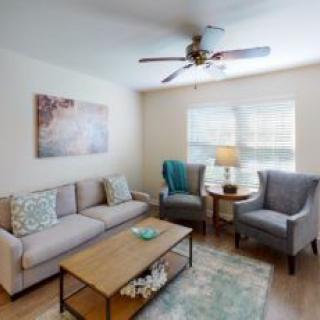
- The facility feels like home, with clean, well-kept rooms and a warm, welcoming atmosphere.
- Meals are attractive and delicious, and mealtimes are enjoyed by residents.
- A robust daily activities schedule keeps residents engaged and active.
- The staff are professional, knowledgeable, and consistently make families feel that their loved ones are in good hands.
- Knollwood Pointe is described as a five-star facility offering safe, secure, and comfortable care.
- Families report that the transition to memory care or assisted living is smooth, and their loved ones settle in contentedly.
Cons
 The facility should be shut down.
 - Sick and elderly tenants are living in filthy conditions.
- There is barely any staff.
- The foods are moldy.
- There is no air conditioning.
- The reviewer would not leave their dog there.
- There is confusion between Knollwood Pointe and Knollwood Health and Rehab; they are not the same.
Review
This community is best suited for families seeking a memory-care oriented assisted-living environment in Mobile that feels like a home rather than an institution. It works especially well for residents who need steady daily structure, meaningful social engagement, and a high level of caregiver attention. The ideal resident is one who will benefit from consistent communication, reliable supervision, and a program built around meals, activities, and routines that promote dignity and calm. It suits families who want clear lines of contact with caregivers and who value a warm, homelike atmosphere over a clinically sterile setting. Those who prioritize minimal daily structure, or require highly specialized, 24/7 medical intervention, may find better fit elsewhere.
If independence is the prevailing goal, or if memory care support is not a primary need, alternatives may warrant consideration. Families facing budget constraints, or those seeking a more boutique or less structured pace, may prefer operating models with fewer daily activities and less intensive staff coverage. Additionally, any concern about inconsistent cleanliness, maintenance gaps, or branding confusion would be a signal to compare options carefully. In short, residents who require intensive medical management, frequent skilled nursing, or a campus with expansive ancillary services may be better served by other communities with a sharper focus on those needs.
The strongest positives in these communities revolve around staffing and the daily lived experience. A high staff-to-resident ratio translates into reliable supervision, prompt help with routines, and relationships that feel genuine rather than transactional. The accompanying emphasis on ongoing communication with families creates peace of mind, ensuring that care plans align with evolving needs. A home-like setting, where décor, cleanliness, and familiar routines matter, supports comfort and reduces stress for both residents and loved ones. A robust activities calendar, coupled with well-prepared meals that residents actually enjoy, further offsets anxiety about relocation and helps residents stay engaged intellectually and socially.
There are legitimate cautions to heed. A minority of reviews highlight serious lapses, filthy conditions, mold concerns, and limited staff coverage, that cannot be dismissed. Such outliers demand rigorous verification during tours and inquiries about maintenance protocols, sanitation schedules, and response times. Another caveat is potential branding confusion with similarly named facilities, which underscores the need for clarity in admissions and management structure. While the dominant sentiment is positive, these red flags should prompt families to demand transparent assurances about cleanliness, climate control, and dependable staffing before making a commitment.
To make a well-informed decision, prospective families should probe concrete, practice-level questions. Key data points include exact staff-to-resident ratios on each shift, training in memory-care techniques, and caregiver qualifications. Inquire about room configurations, private versus shared spaces, and how much personalization is allowed in resident rooms. Request sample menus and recent activity calendars to gauge engagement levels and culinary quality. Ask about transition support for new admissions, the process for evaluating care plans, and how on-site leadership interacts with families, ideally with evidence of consistent, responsive communication. Finally, seek references from current families to understand day-to-day realities beyond marketing assurances.
For families weighing Lakefront Assisted Living in Mobile, these patterns offer a practical framework for evaluation. If the community demonstrates a truly high staffing presence, a palpable home-like atmosphere, consistently excellent meals, and a transparent, proactive approach to maintenance and safety, it warrants strong consideration for memory-care or assisted-living needs. Conversely, if any red flags emerge, persistent cleanliness issues, under-staffing concerns, or unclear leadership, you should broaden the search and compare with alternatives that promise steadier upkeep and more rigid quality controls. With due diligence and candid conversations, a confident choice emerges that aligns with both care requirements and family expectations.
 Assisted Living
 Activities on-site
 Devotional services off-site
 Indoor common areas
 Mobile Regional (5 miles away)
 Ambulatory care
 Diabetic care
 Meals provided

 How and When Medicaid May Cover Assisted Living Costs
 A Detailed Exploration of Assisted Living Medicaid Waivers Across the United States
 Comprehensive Residential Support and Assisted Living Solutions for Individuals with Disabilities