Overall Review of Our Country Home Assisted Lvng
common
22 reviews mention this
Caring, helpful staff stands out
Residents and families consistently describe staff as caring and responsive.
Many reviews say the staff is warm, friendly, and helpful, with residents and family members feeling their loved ones are in good hands. Several people mention being greeted with a smile and getting assistance when needed. Others specifically point to hands-on help during a difficult move or transition into the community.
common
6 reviews mention this
Clean spaces and renovations
Multiple reviews praise the community as clean and recently updated.
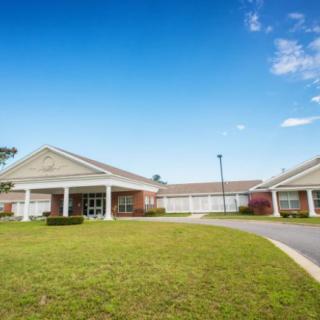
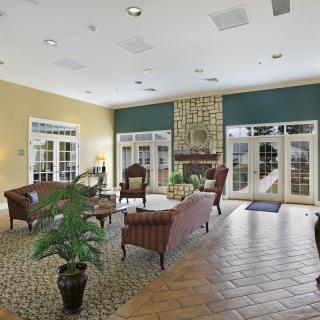
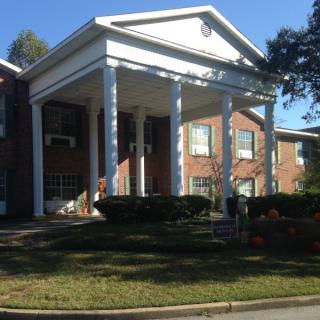
Several visitors and residents describe the building as clean, well-kept, and inviting. Reviews also mention recent renovations and new interior updates. In contrast, a smaller set of reviews criticize cleanliness, maintenance, and upkeep on the grounds and inside units.
differentiator
4 reviews mention this
Memory care receives specific praise
Memory care reviews highlight personalized support from caregivers.
Families of residents in the memory care unit describe staff as personable and ready to help, with improvements in day-to-day adjustment noted within the first weeks. One review also calls out the memory care head nurse as especially impressive and describes ongoing care for a longer-term resident. Those comments align with the community listing assisted living with ambulatory and diabetic care support, which suggests a focus on hands-on daily assistance for residents who need it.
common
4 reviews mention this
Tours and move-in feel guided
Reviews frequently mention welcoming tours and support during transitions.
A few reviewers describe having a positive experience during a tour, including feeling welcomed and seeing a spacious facility. One family says a difficult transition improved after connecting with a senior manager, which helped them feel comfortable making the move. Another person ties their satisfaction to how the community handled moving day logistics.
caveat
4 reviews mention this
Serious hygiene and maintenance complaints
Some reviews report serious problems with cleanliness, maintenance, and care response.
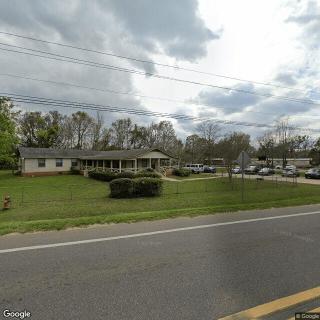
While many reviews are positive, multiple others raise hard-to-ignore concerns about upkeep, including complaints about unkept grounds, lack of cleaning, and maintenance issues. One review also describes health and hygiene breakdowns during a short stay, including delayed response times and cleanliness concerns. Another critic points to a safety and health hazard related to smoking policies in certain buildings.
How we summarize
Counts show how many written reviews mention each theme; a review can touch several themes, and only frequently mentioned themes are displayed.

 Assisted Living
 Activities on-site
 Devotional services off-site
 Indoor common areas
 Mobile Regional (4 miles away)
 Ambulatory care
 Diabetic care
 Meals provided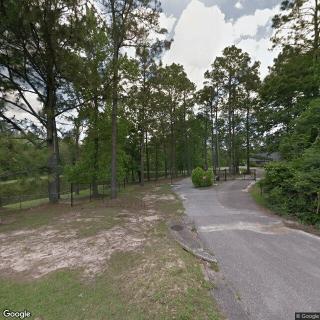
 Strong focus on resident well-being with social spaces and diabetic care.



 Vibrant Senior Living: A Comprehensive Guide for Active Older Adults
 When to Transition from Assisted Living to Memory Care: Key Indicators, Steps, and Finding the Right Community
 Assisted Living and Memory Care: Understanding Their Core Differences